
Berlin & Munich — Germany's two moods in 7 days
- 7 days, 2 cities
- Balanced pace
- About 25 min walking a day
Germany's two biggest cities are nothing alike, which is exactly what makes the pairing work. Berlin is broad and unpolished — Museum Island, the Wall's East Side Gallery, Kreuzberg's Turkish-German streets, an airfield turned public park — a city you cross by U-Bahn rather than on foot. Munich is the opposite: a compact old town you can walk end to end, beer gardens under chestnut trees, the Pinakotheken, and the Alps close enough for a day out. The ICE between them takes about four hours, so the move costs an afternoon rather than a day. Four days in Berlin, three in Munich, one neighbourhood a day, every stop chosen from human-verified places, and the whole plan opens offline once saved. Worth knowing before you book: the shops close on Sunday in both cities, and a "Karte" sign often means Girocard, which foreign Visa and Mastercard cannot use.
Day by day
Day 1Neukölln & Tempelhofer Feld & nearby — a sights dayBerlin, 9 stops
The old Tempelhof Airport's runways are now the largest open field in the city — no trees, no fences, just kilometres of tarmac and grass where Berliners kite-surf on rollerblades, barbecue and fly actual kites. Schillerkiez, the streets pressed against its western edge, went from cheap-and-rough to the city's most talked-about café strip within about a decade, and Karl-Marx-Straße further north still runs the older, grittier, more Turkish-Arab Neukölln that predates the hype. Come for the field's open sky, stay for whichever version of the neighbourhood you land in.
- 08:30Winterfeldtplatz Market
Berlin's biggest weekly market — around 250 stalls of fresh produce, flowers and everyday goods ring the square. It runs Wednesdays 08:00–14:00 and, much bigger and busier, Saturdays 08:00–16:00; there's no market at all the rest of the week, so time a visit for one of those two mornings. Stallholders are mostly cash-based — bring coins and small notes.
- 10:00Körnerpark
A sunken Baroque-style garden built in a former sand quarry, with clipped hedges, a central fountain and a curved colonnade — a formal, almost theatrical park that feels nothing like the scrappy streets around it. The Orangerie at one end holds a small gallery and café; the rest of the park is free and open daily 10:00–20:00. Entry is barrier-free via a ramp from Wittmannsdorfer Straße, and there's an accessible toilet on site.
- 11:00Bethlehemskirche & the Böhmisches Dorf
Richardplatz is the cobbled green heart of the old Böhmisches Dorf, settled from 1737 by Protestant refugees fleeing Bohemia — the Bethlehemskirche, rebuilt for that Bohemian congregation after a much older church already stood here, still anchors the square. A working blacksmith's forge on the square has operated since 1797, and a small local-history museum sits a few doors away on Kirchgasse. The square itself is always open and free; the church is an active parish, so times to see the interior can vary with services.
- 12:00Lunch Café am Neuen See
Berlin's best-loved beer garden sits right on the shore of the Neuer See, Tiergarten's boating lake, with a self-described 'country house in the city' feel and a menu running from breakfast (cold-pressed juices, Bircher muesli) through Berlin classics to a few Middle Eastern-influenced dishes. Rowboats can be rented from the jetty out front. Like most Berlin beer gardens, hours (and whether it opens at all) shrink in cold or wet weather, so treat this as a warm-season plan rather than a sure thing in winter.
- 13:00Tempelhofer Feld
The old Tempelhof Airport runways and taxiways are now Berlin's largest open field — flat tarmac and grass with no trees or fences, used for cycling, kite flying, rollerblading, skateboarding and barbecuing (bring your own grill stand, ground fires aren't allowed). Entry is free and there are ten gates around the perimeter, several along Oderstraße on the Neukölln side. The gates lock at closing time, and that time shifts hard with the seasons: roughly 22:30 in high summer, down to about 17:00 in December and January, so check the current month's closing time before you linger past dusk.
- 14:47Schöneberg City Hall
A working district town hall, not a museum — but the steps out front are where John F. Kennedy delivered his 1963 "Ich bin ein Berliner" speech to a crowd of hundreds of thousands, and the tower holds the Freedom Bell, an American-donated replica of Philadelphia's Liberty Bell installed in 1950. The square in front was renamed John-F.-Kennedy-Platz after his assassination. Interior and tower access follow normal government-building hours, not tourist opening times — check ahead if you want more than the exterior and the plaza.
- 15:22
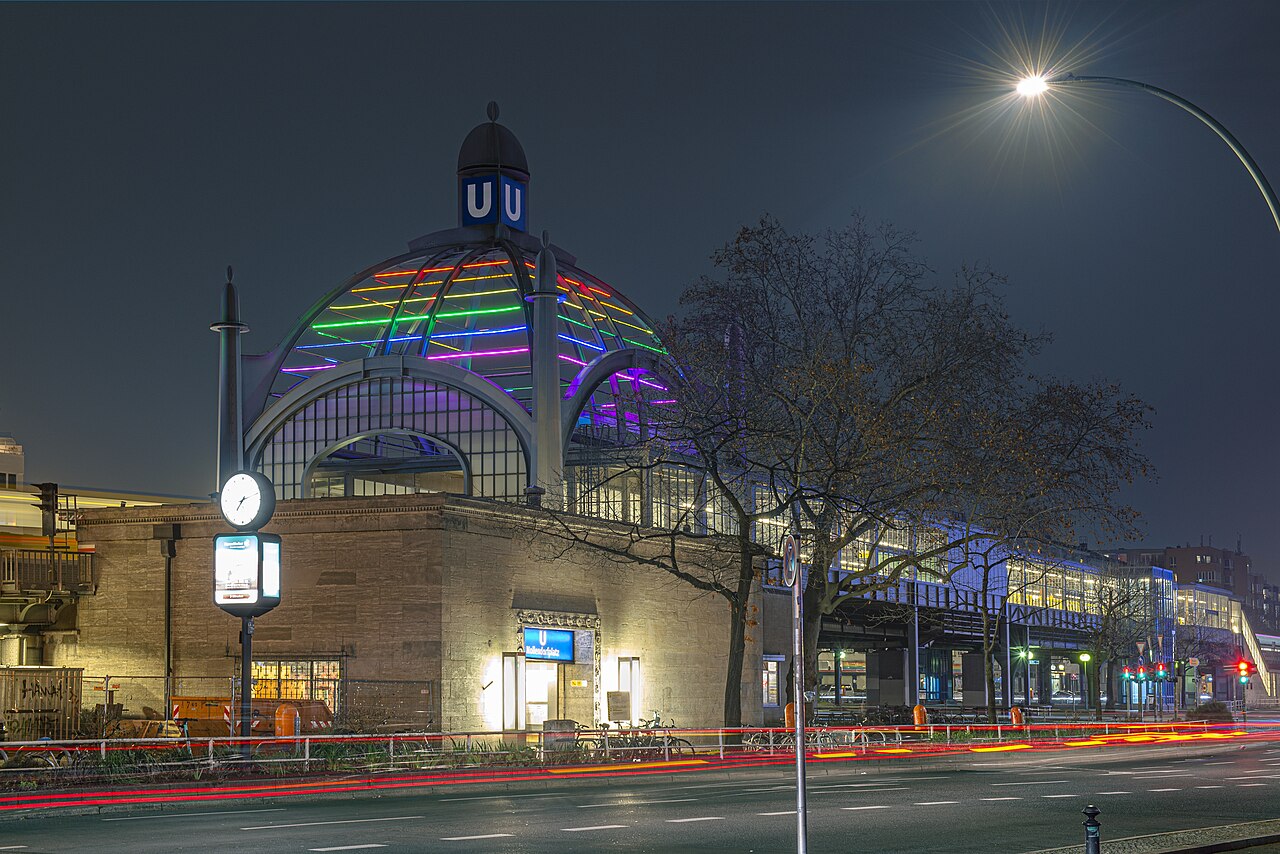
The elevated station opened in 1902 on Berlin's very first U-Bahn line, designed by Cremer & Wolffenstein with an ornate dome rebuilt as open ironwork after WWII damage. A plaque on the station's south façade, placed in 1989, was the first public memorial in any German city to the homosexual victims of Nazi persecution — a quiet marker on a square that was the historic centre of Berlin's gay nightlife well before Christopher Isherwood lived a few streets away.
- 15:52KaDeWe (Kaufhaus des Westens)
Continental Europe's largest department store, open Monday–Saturday 10:00–20:00 and closed Sundays like the rest of Berlin's ordinary retail. Six floors plus the famous top-floor food hall; as a major international retailer it's a safe bet for cards, though it's worth carrying some cash as backup like anywhere else in the city.
- 17:37Dinner La Côte
A small Schillerkiez wine bar and neighbourhood restaurant with a southern-European-leaning menu — raw fish, homemade pasta and a natural-wine list. Tables sit close together and the kitchen doesn't take children under 8 or strollers, so this is an evening-out spot rather than a family stop. Open Tuesday to Saturday from 18:00, kitchen closes at 22:30; closed Sunday and Monday.

Day 2Brandenburger Tor & the Government Quarter & nearby — a sights dayBerlin, 9 stops
Berlin's ceremonial front door — the Brandenburg Gate anchors Pariser Platz, and Unter den Linden runs east from it past Humboldt University and the opera house toward the Museum Island bridges. The Reichstag's glass dome is a five-minute walk north across the Spree, and the sombre concrete grid of the Holocaust Memorial sits just south of the Gate itself. This is the day for the postcard shots and the 20th-century weight behind them; the crowds thin fast once you turn off the main boulevard.
- 08:30
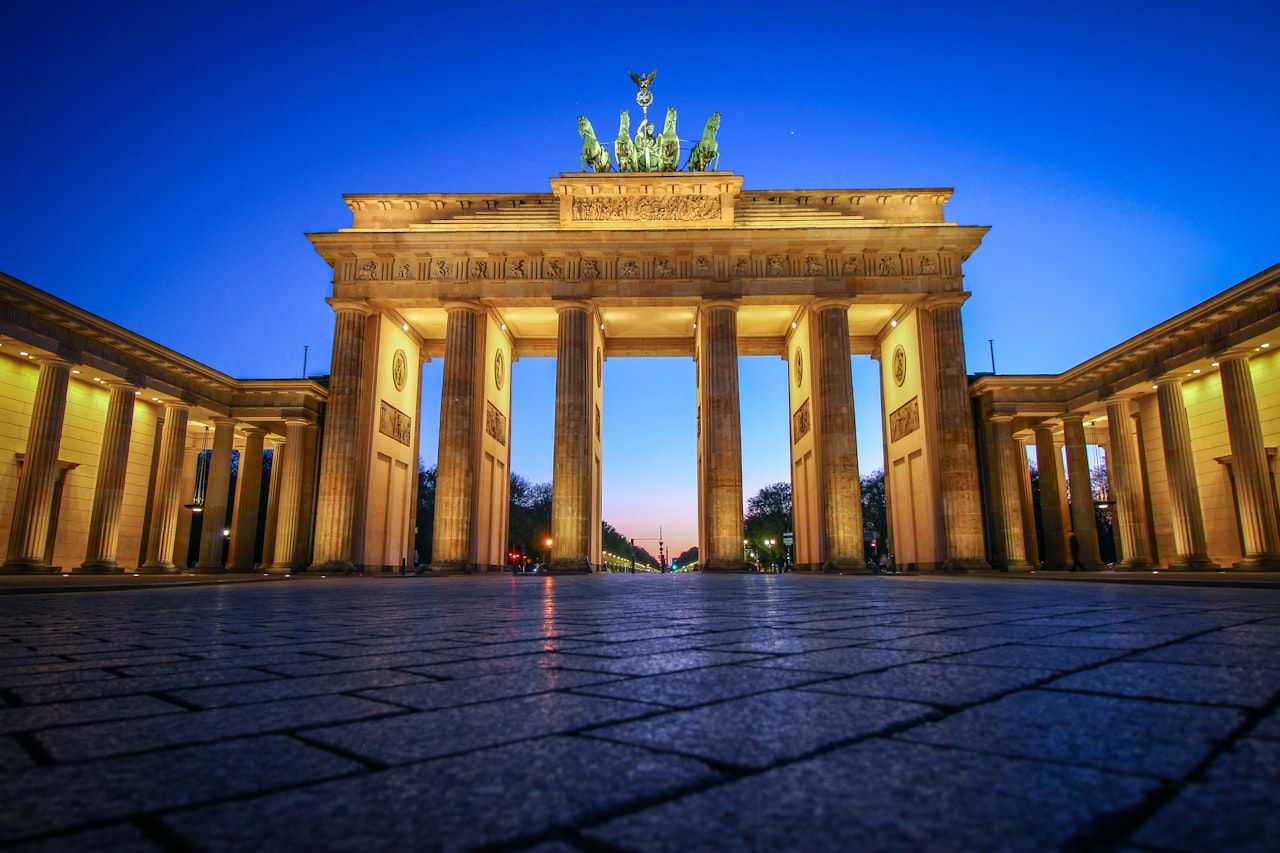
Berlin's neoclassical city gate, topped by the Quadriga chariot, anchors Pariser Platz where Unter den Linden begins — a free, unticketed, fully pedestrianised square with no vehicle traffic. Always accessible, so come at sunrise or after the tour buses leave in the evening for a clear shot of the gate without a crowd of selfie sticks in front of it. The Holocaust Memorial's stelae field is a five-minute walk south; the Reichstag is five minutes north across the Spree.
- 09:05
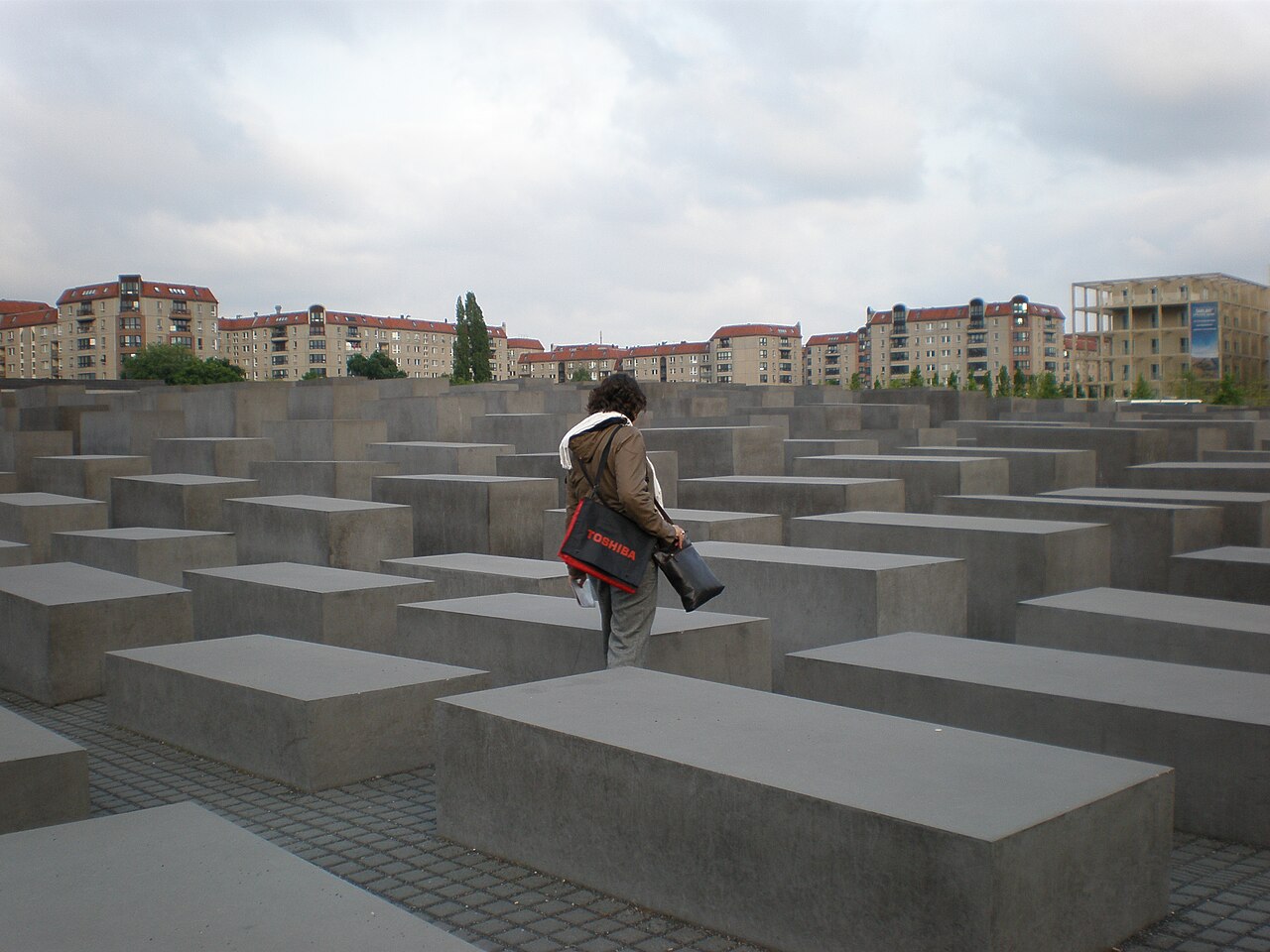
2,711 concrete stelae of varying height cover a full city block with no gates and no ticket — always open, always free, and it's the single memorial most first-time visitors walk into unplanned on the way between the Gate and the government quarter. The underground Ort der Information documentation centre, entered at the south-east corner, keeps its own hours: Tuesday to Sunday, roughly 10:00–19:00 in the summer months and 10:00–18:00 the rest of the year, closed Mondays, last admission 45 minutes before closing, with a bag check at the door but no entry fee. The stelae field's ground genuinely undulates, so wear flat shoes, and please don't climb or picnic on the blocks — it draws visible disapproval from other visitors even where it isn't formally policed.
- 10:20Reichstag Dome
Free to visit, but every visitor must register in advance online at the Bundestag's own visitor-service site — this is not optional and there is no ticket booth on site. Bring the exact original photo ID (passport or national ID card, no copies) used at registration: everyone 16+ needs one, and 14–15-year-olds need ID showing their name and photo. Entry runs in timed slots every 15 minutes, with last admission at 21:45. If online slots are gone, the visitor service centre will register walk-ins in person, but only with a minimum two hours' notice and if capacity remains, so it is not a reliable backup plan. The spiral ramp inside the glass dome climbs to a roof terrace with views straight down the government quarter and across the city.
- 11:55Bebelplatz & the Empty Library Memorial
The square where Nazi students and academics burned around 20,000 books on 10 May 1933. Artist Micha Ullman's underground memorial, the 'Empty Library', is a glass pane set flush into the cobbles — look down and you see a room lined with white, entirely empty bookshelves sized to hold exactly the books that were burned. A nearby plaque carries the 1821 Heinrich Heine line the memorial is built around: 'That was only a prelude; where they burn books, they will in the end also burn people.' Free, unticketed, always open. Humboldt University's old law faculty and St. Hedwig's Cathedral face the square, with the State Opera Unter den Linden on its northern edge — this is the same stretch of Unter den Linden that runs from the Brandenburg Gate toward Museum Island.
- 12:25Lunch Ständige Vertretung (StäV)
A Rhineland-themed 'political-cult pub' a few steps from Friedrichstraße station on the Spree, its name and West-German-embassy decor playing on the old Bonn Republic's Cold War-era mission in West Berlin — walls are covered floor to ceiling in Bonn Republic-era political photos and memorabilia. Open daily from 11:00 and running to around 1:00 the next morning — Berlin has no legal evening closing-hour cutoff, so this genuinely stays open that late. Kölsch beer and Flammkuchen (Alsatian tarte flambée) alongside currywurst are the mainstays, but the current menu also explicitly labels a vegan Flammkuchen (vegan mozzarella, olives, mushrooms), a vegan currywurst made from herb seedlings and pea protein, and a vegan spelt burger — a real option beyond the meat-heavy pub-food image. Riverside terrace seating on the Spree in warmer months.
- 13:25Gemäldegalerie (Old Masters Picture Gallery)
Part of the Kulturforum museum cluster, and Berlin's home for European Old Masters — Rembrandt, Vermeer, Dürer, Botticelli — room after room, with almost none of Museum Island's crowds. Closed Mondays; open Tuesday–Sunday 10:00–18:00. A one-day Kulturforum ticket covers this museum plus several others on the same site, including the Neue Nationalgalerie next door, so it's worth pairing the two rather than buying separate tickets.
- 15:10
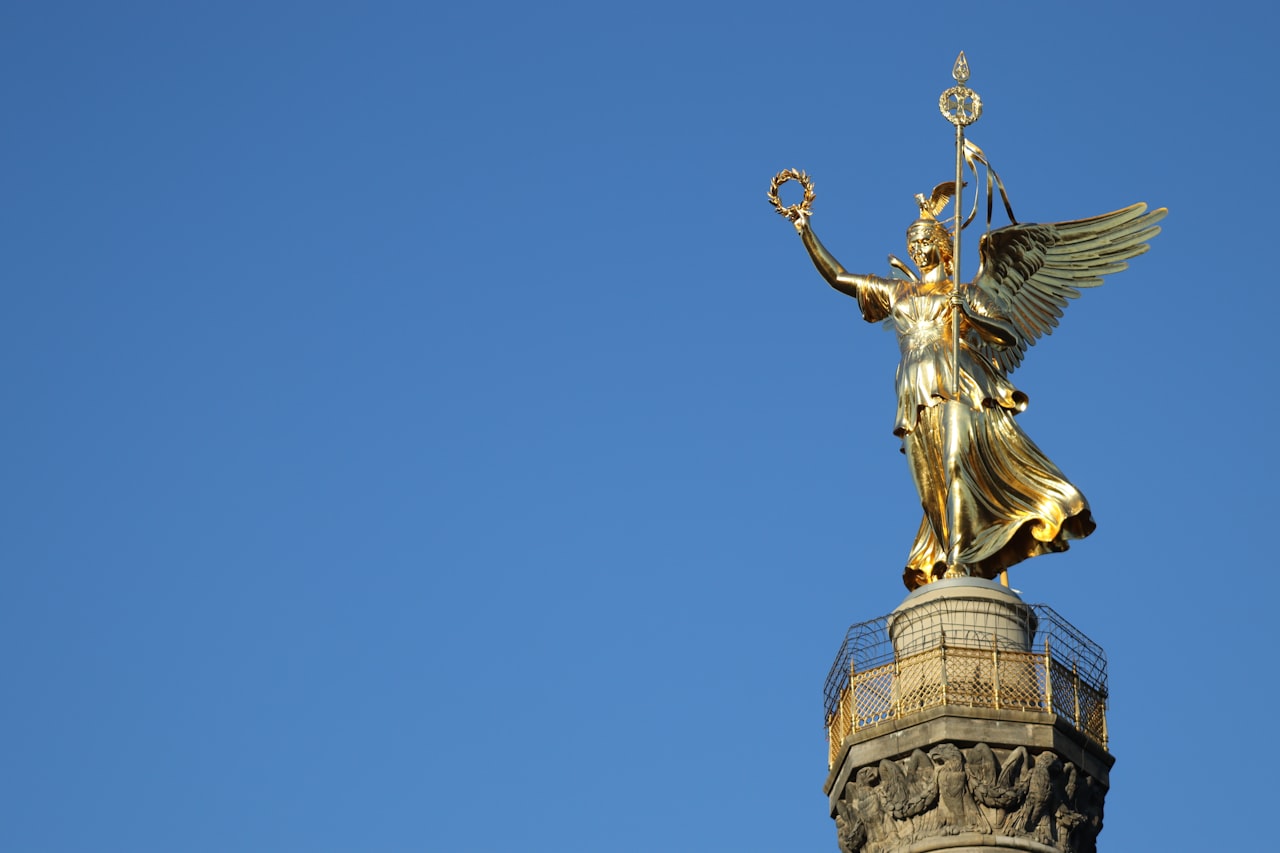
The gold-topped Victory Column marks the literal centre of Tiergarten at the Großer Stern roundabout — reachable on foot only through pedestrian tunnels under the surrounding traffic circle, never by crossing at street level. Climbing to the viewing platform is ticketed and stairs-only: 285 steps up a spiral staircase, no lift, so it's not wheelchair- or stroller-accessible. From the top, the view runs down Straße des 17. Juni to the Brandenburg Gate on one side and toward Potsdamer Platz on the other.
- 16:10Tiergarten Park
Berlin's largest inner-city park, criss-crossed by paths radiating out from the Großer Stern roundabout at its centre — free, unfenced and open around the clock, with no set closing time. It's mostly flat and easy walking, but after dark the park empties out fast and isn't the place for a solo evening stroll.
- 17:55Dinner Café Einstein Unter den Linden
A Viennese-style coffeehouse a few doors from Bebelplatz and the State Opera, running since 1996 and best known for its Wiener Schnitzel. Breakfast runs Monday-Friday until 11:30 and Saturday-Sunday/holidays until 13:00, with the full lunch and dinner menu from 11:30 onward. The current menu explicitly labels several vegetarian dishes (Austrian vinegar dumplings with pumpkin-seed oil, Käsespätzle cheese noodles, a burrata starter) and vegan ones (vegan pancakes, a vegan 'everything' bagel with grilled vegetables, a green vegan minestrone, tofu instead of the tuna steak) — so it isn't only a meat-and-schnitzel stop. Ask for a window table for Unter den Linden people-watching, or the quieter courtyard seating in summer.


Day 3Wannsee & Pfaueninsel — a sights dayBerlin, 4 stops
Berlin's inland beach day — Strandbad Wannsee is one of Europe's largest lake lidos, sand imported decades ago and still packed on any warm weekend. A short ferry from the jetty crosses to Pfaueninsel, a genuinely car-free island landscaped as an 18th-century royal folly, peacocks included. The Haus der Wannsee-Konferenz on the lake's eastern shore, where the 1942 meeting that planned the Holocaust's logistics took place, sits a deliberate, heavy contrast a short walk from all the swimming.
- 08:30Glienicke Bridge (the "Bridge of Spies")
A plain steel bridge over the Havel that spent the Cold War as the border crossing between West Berlin and Potsdam in East Germany — and became world-famous as the site of three East–West spy exchanges, including the 1962 swap of captured U-2 pilot Francis Gary Powers for Soviet agent Rudolf Abel, later dramatised in the film Bridge of Spies. A small plaque on the Berlin side marks the spot. It's a free, unticketed, 24-hour pedestrian and road crossing with nothing to buy a ticket for — just walk out toward the middle for the view back over the Havel toward Berlin, then continue into Potsdam if you want to keep going. Nothing here depends on a season or opening time, which makes it an easy add to a day otherwise built around ferry and lido schedules.
- 09:26Strandbad Wannsee (Wannsee Lido)
Strandbad Wannsee is one of Europe's largest inland lidos, but it only opens for the summer season — in 2026 that's 29 June through 30 August, daily 09:00–20:00 (ticket booths close an hour before closing, swimming stops half an hour before). Outside that window the beach itself is closed, so check berlinerbaeder.de for the current season's exact dates before planning a visit. A standard day ticket runs €6.50 (€3.80 reduced), or €12 for a family of three; anyone aged 14 or over needs a physical photo ID to get in. There are accessible toilets, showers and reserved parking, and a paved path leads to three reserved beach chairs at the water — but the route from the entrance down to the main stretch of sand is either steps or a steep unpaved slope, so full wheelchair access isn't straightforward.
- 13:42Pfaueninsel (Peacock Island)
A short ferry is the only way onto this car-free island — a landscaped 18th-century royal park with a small white castle folly and free-roaming peacocks. The island is open daily 10:00–18:00 from March through October, dropping to 10:00–16:00 in November and December; hours can shrink further in January and February, so check spsg.de before a winter visit. The ferry itself runs every 20 minutes (departing at :15, :35 and :55 past the hour) from the Nikolskoer Weg jetty, with the last crossing 45 minutes before closing — buy your ticket from the machine before boarding, since the ferry crew can't sell them on board. A ferry ticket costs €6 (€5 reduced); the machine takes Visa, Mastercard and Girocard, but if you're paying cash it only accepts coins, not banknotes. Going inside the small castle costs an extra €8 (€6 reduced), sold same-day only at the ferry house ticket counter. The paths accommodate a wheelchair with someone to help push, but the castle interior itself isn't step-free.
- 15:57House of the Wannsee Conference
The villa where senior Nazi officials met on 20 January 1942 to coordinate the logistics of the Holocaust is now a memorial and permanent exhibition on that meeting and its perpetrators. Entry is free, open daily 10:00–18:00 (last admission 15 minutes before closing); it closes on 1–4 January, 8 March, Good Friday, 1 May, Ascension Day, 3 October and 24–31 December. The ground floor holding the exhibition is wheelchair accessible, with a ramp at the entrance, a barrier-reduced toilet, a loaner wheelchair and widened doorways; there's also a lift up to the first-floor library, though it's a listed historic lift not built for larger wheelchairs, so ask reception staff to operate it. Most of the memorial garden is wheelchair accessible too, but the path down to the lake itself isn't yet. This is a heavy, sobering visit — worth planning as a deliberate contrast to the swimming and the island, not stacked back-to-back with either.
Day 4Kreuzberg & the Landwehrkanal & nearby — a sights dayBerlin, 8 stops
Kottbusser Tor sits at the messy, loud heart of it, but walk five minutes any direction and the neighbourhood softens — south to Bergmannkiez's flower-lined Bergmannstraße and Viktoriapark's small Alpine-style waterfall, or along the Landwehrkanal to Maybachufer's Tuesday and Friday Turkish market. Oranienstraße's bars and Görlitzer Park pick up after dark, when this becomes one of the city's real nightlife centres rather than a daytime sightseeing stop. Expect graffiti, döner stands doing genuine trade rather than tourist theatre, and a Turkish-German community that shaped the neighbourhood long before it got trendy.
- 08:30Markthalle Neun
The hall's regular stalls run Monday-Saturday during the day and it's closed Sundays. The big draw is 'Street Food Thursday', a weekly evening food market every Thursday from 17:00-22:00 with dozens of vendors — arrive early or expect queues at the popular stands.
- 10:15
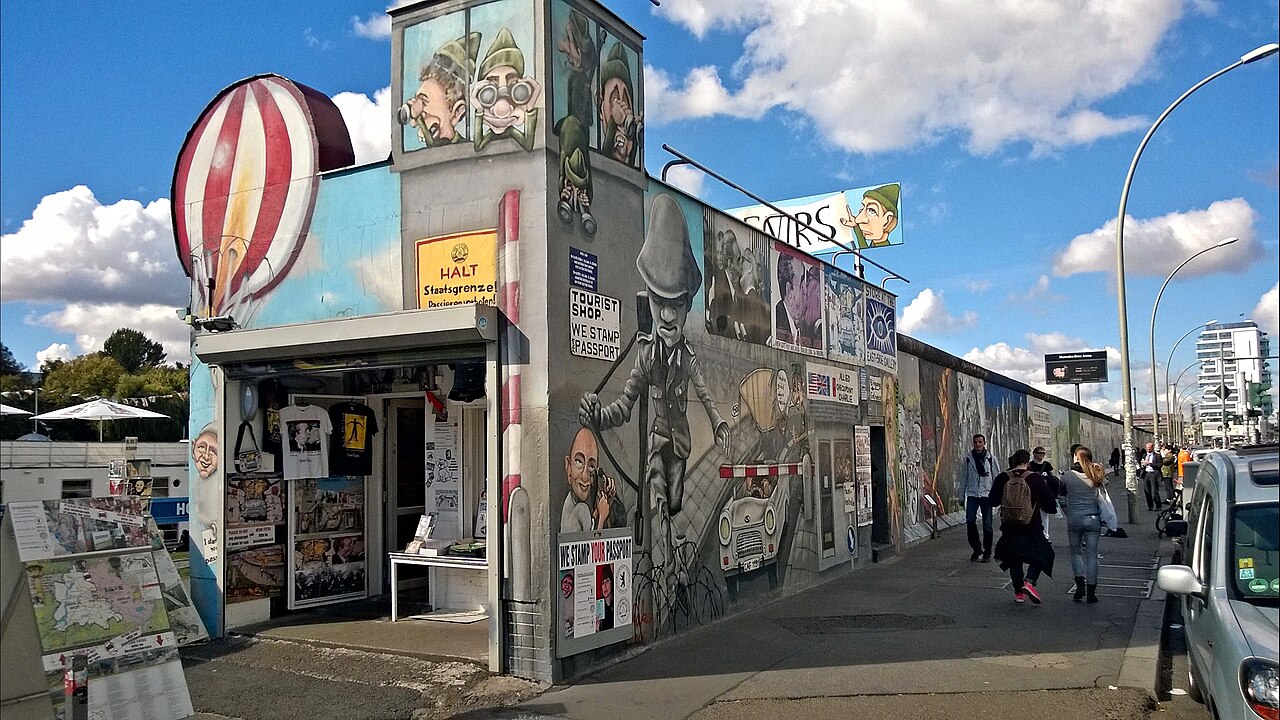
Free, always-open outdoor gallery along a 1.3km stretch of the former Berlin Wall — no ticket needed, walk it any time of day. It gets crowded with photographers near the famous 'Fraternal Kiss' mural; early morning is quieter.
- 12:00Lunch Vöner
Berlin's original fully-vegan döner/kebab shop, serving a signature wheat-and-legume 'meat' since the 1990s — everything on the menu is plant-based. Cash only, cards aren't accepted. Open daily noon to 10pm; expect a short queue around lunch.
- 13:00Volkspark Friedrichshain
Berlin's oldest public park (opened 1840), free and open 24 hours with no ticket needed. The main draw is the Märchenbrunnen (Fairy Tale Fountain) in the park's northern section — 106 stone sculptures of German fairy-tale characters, most impressive in the warmer months when the fountains are running. Paths are mostly flat gravel or paved, but there's no official accessibility statement for the park.
- 14:30Jewish Museum Berlin
The core exhibition is free to visit; a ticket (around €10) is only needed for temporary exhibitions in the Old Building. Booking a free time-slot ticket online in advance is recommended to skip the line, though walk-in tickets are sold at the desk too. Closed Mondays.
- 17:15Maybachufer Market (Türkenmarkt)
Runs only two afternoons a week — Tuesdays and Fridays, 11:00-18:30 — along the Landwehrkanal. Cash is standard here; card payment is uncommon at most stalls, so bring enough cash. Gets crowded, especially Friday afternoon.
- 18:45Dinner Defne Restaurant
Long-running Turkish-Anatolian restaurant right on the Landwehrkanal, popular for its canal-side outdoor tables in summer. The warm kitchen serves from 16:00 to around 23:00 even though the doors stay open later.
- 20:00RAW-Gelände (Alternative Arts & Nightlife Yard)
A former railway repair yard turned alternative culture hub: clubs, bars, a skate hall, a climbing wall, and open-air cinema in summer. The Sunday flea market (about 08:00–17:00, free entry) is the best time for a daytime visit; the bars and clubs mostly open only in the evening and each keeps its own hours, so check individual venues if you're going at night. Bring cash for the flea-market stalls.

Day 5Altstadt & Marienplatz — a sights dayMunich, 4 stops
Munich's pedestrian core radiates out from Marienplatz, where the Rathaus-Glockenspiel draws a crowd at 11 and noon and the twin onion domes of the Frauenkirche anchor every skyline photo. Duck into the Viktualienmarkt for a Weißwurst breakfast among stallholders who've worked the same corner for decades, wander the Residenz's state rooms for a dose of Wittelsbach excess, then let the evening land at a long communal table in the Hofbräuhaus — touristy, loud, and still somehow the room everyone ends up in at least once. Shopping runs Kaufingerstraße and Neuhauser Straße, but step one street back from the marquee route and prices — and crowds — drop fast.
- 09:40Check out of your stay
- 10:00Train
- 15:51Check in to your stay
- 16:21
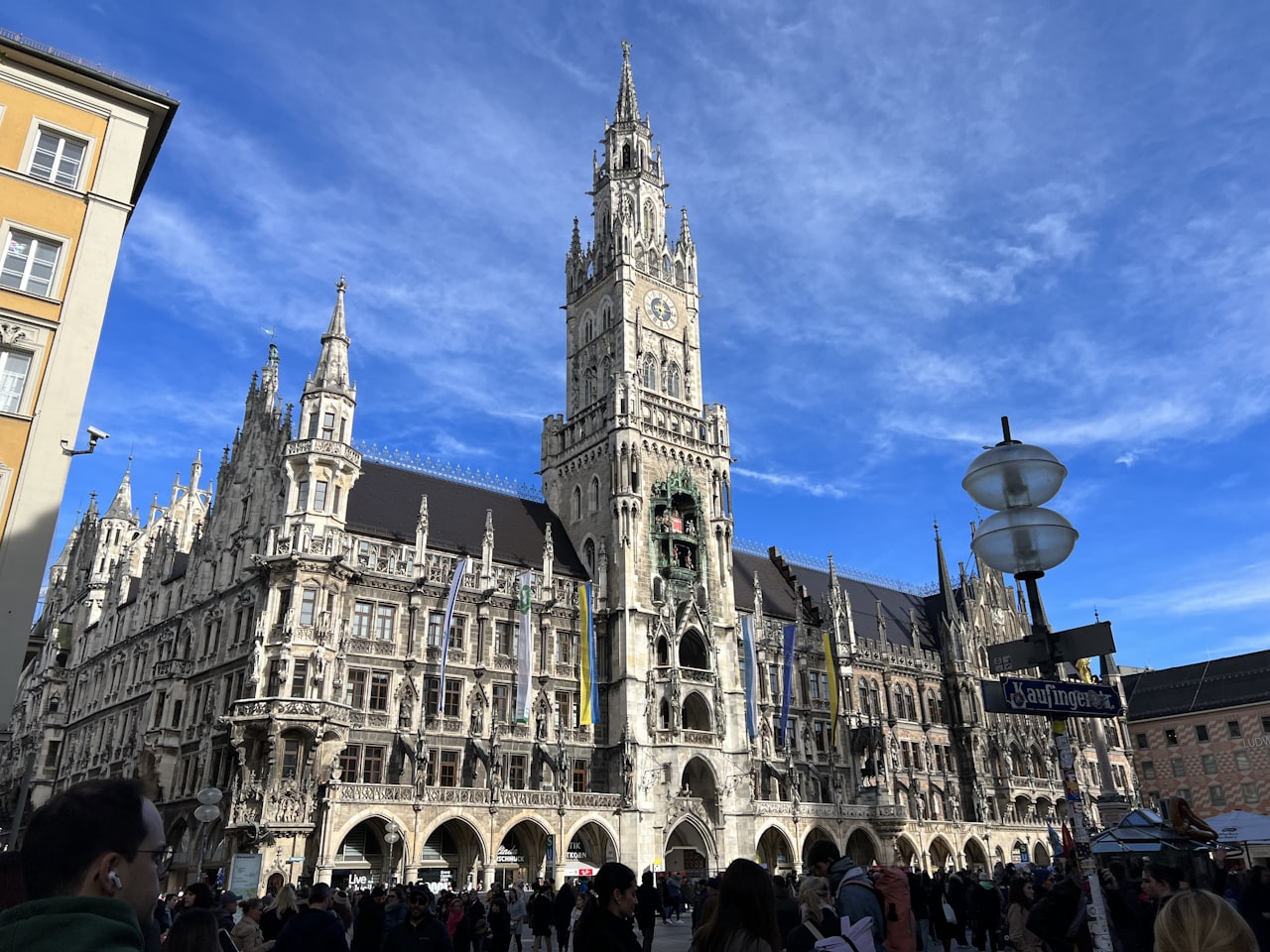
The Rathaus-Glockenspiel on the New Town Hall's tower chimes at 11:00 and 12:00 daily, plus 17:00 from March to October — each performance runs about 12 minutes and re-enacts a 16th-century royal wedding joust above a coopers' dance said to have coaxed Munich back onto the streets after the plague. A shorter, quieter sequence plays at 21:00: a night watchman and the Münchner Kindl appear in the side windows, no crowd required. The square itself is fully pedestrianised and never closes.
- 16:56Viktualienmarkt
Munich's produce market has run on this square since the early 1800s. Individual stalls generally trade Monday-Saturday, roughly 08:00-20:00, and close on Sundays — a handful of flower, bakery and caterer stands are the legal exception and may still open under Bavaria's Sunday-trading rules. The square itself is open, flat and freely walkable at any hour.
- 17:56Dallmayr
Munich's grand delicatessen since the 1700s — a flagship food hall for coffee, chocolate, caviar and prepared delicacies just off Marienplatz. Open Monday-Thursday and Saturday 09:30-19:00, Friday 09:30-19:30, closed Sundays and Bavarian public holidays under the state's strict Sunday-trading law. Cards are accepted and the building is wheelchair accessible.
- 18:41Dinner Nürnberger Bratwurst Glöckl am Dom
A real Bavarian grill house, not a tourist-menu copy — Rostbratwürstl grilled over an open beechwood fire, right behind the Frauenkirche. Open daily 10:00 to 01:00 (Sundays and holidays until 23:00). The card explicitly lists cheese-based options like Obatzda and a mixed salad alongside the sausage platters, so it isn't meat-only. EC, Visa and Mastercard are all accepted, but there's no lift and no wheelchair-accessible toilet, so wheelchair access is limited.

Day 6Englischer Garten & Schwabing & nearby — a sights dayMunich, 11 stops
One of the largest urban parks in the world starts a few minutes' walk from the museum quarter and just keeps going — past the Chinesischer Turm's biergarten, where a full litre of Augustiner arrives whether you asked for it or not, up along the Eisbach, where a permanent standing wave draws a rotating cast of river surfers year-round, cold weather included. Push north and the park lets out into Schwabing, a onetime bohemian quarter now given over to Leopoldstraße's bars and Münchener Freiheit's café tables — a natural place to land once the park closes out the afternoon.
- 08:00Breakfast Café Puck
A relaxed neighbourhood café on Türkenstraße, open daily 09:00 to 01:00. The kitchen confirms vegetarian options, and cards are accepted, but the café is not wheelchair accessible.
- 08:30Monopteros
Leo von Klenze's small domed temple (1832-36) sits on an artificial hill a short climb from the main paths, its ring of Ionic columns framing one of the park's best free views — the Frauenkirche's domes and the Residenz are both visible on a clear day. Popular at sunset; there's no shade and no facilities, so treat it as a stop rather than a destination.
- 09:05
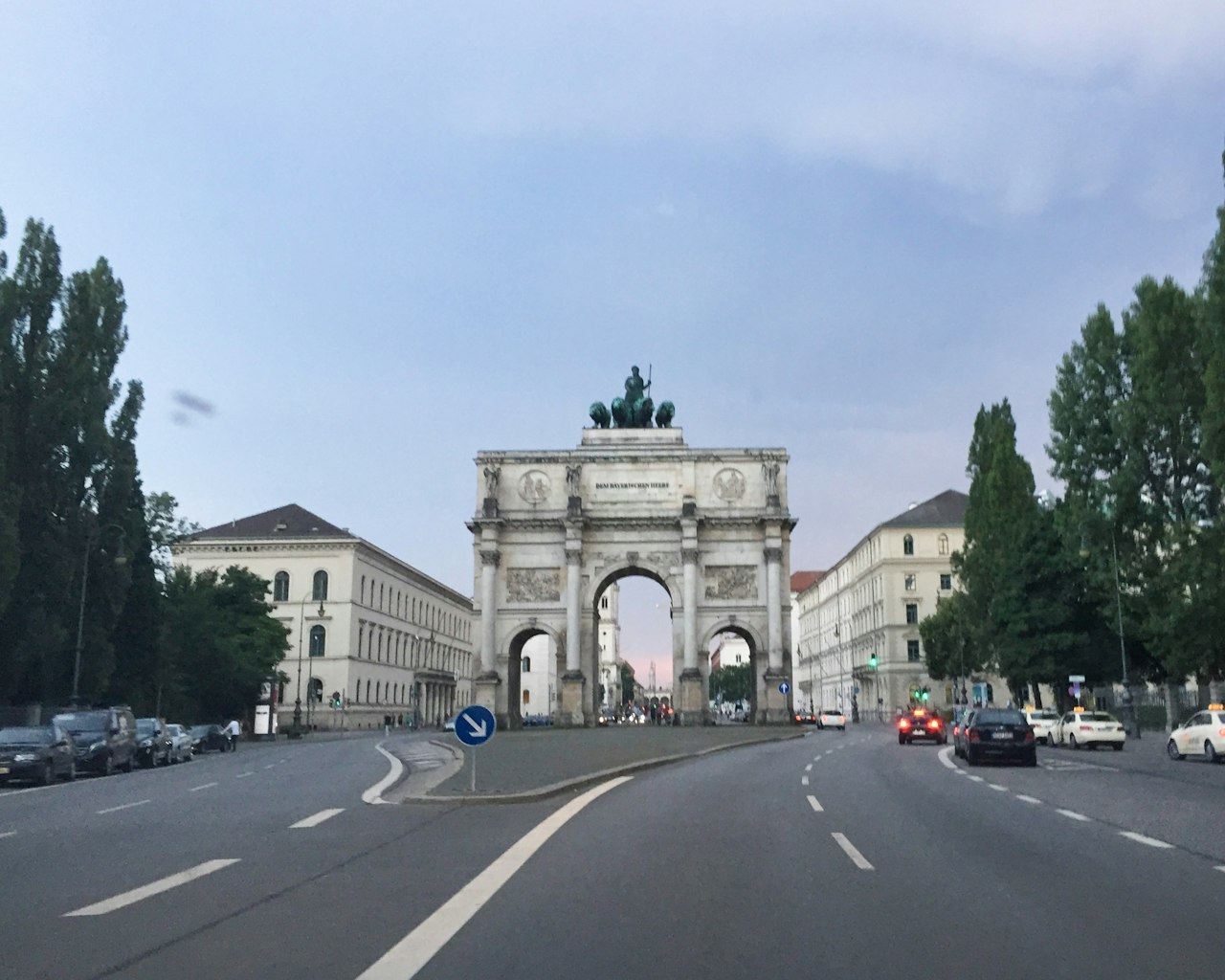
King Ludwig I's 1852 triumphal arch, badly damaged in WWII and deliberately left only partially restored: the rear inscription reads 'Dedicated to victory, destroyed by war, urging peace.' It's a free, view-only landmark marking the boundary between Maxvorstadt and Schwabing, where Ludwigstraße becomes Leopoldstraße.
- 09:35Geschwister-Scholl-Platz (LMU)
Hans and Sophie Scholl were arrested here on 18 February 1943 for distributing White Rose resistance leaflets inside the university's main hall, and executed four days later. A memorial fountain in front of the building marks the spot; the square and the university's façade are always viewable and free. Note for wheelchair users: the paths to the building's accessible entrances are cobblestone, and the accessible toilet needs a special key held by the university.
- 10:10Pinakothek der Moderne
Design, graphics, architecture and modern-contemporary art under one roof, closed Mondays. Thursdays it's open until 20:00, other days 10:00-18:00, with €1 admission every Sunday. Barrier-free access is available from both the Barer Straße and Gabelsbergerstraße entrances, with lifts to every department and wheelchairs available on reservation.
- 12:00Lunch Alter Simpl
A literary Kneipe on Türkenstraße since 1903, named after the satirical magazine Simplicissimus and once a haunt of Schwabing's bohemian crowd. Open Monday-Wednesday until midnight, Thursday-Saturday until 01:00, Sunday and holidays until 23:00. They take credit or EC debit cards.
- 13:00Alte Pinakothek
One of the world's great Old Masters collections — Dürer, Rubens, Rembrandt — closed Mondays. Tuesday and Wednesday it stays open until 20:00, other days 10:00-18:00. A standard ticket is €9 (€6 reduced), but every Sunday admission drops to €1. The main entrance is barrier-free with four lifts serving all galleries, wheelchairs available on request at the info desk.
- 14:45Lenbachhaus
Home to the world's largest collection of Der Blaue Reiter (Blue Rider) paintings — Kandinsky, Marc, Klee. Closed Mondays, open until 20:00 on Thursdays and 18:00 the rest of the week. The museum describes itself as fully wheelchair-accessible: level entrance, elevators to every floor, two disabled parking spaces on Luisenstraße, and wheelchairs available on loan. Note that the underground Kunstbau gallery is closed through 2026 for renovation work.
- 16:15
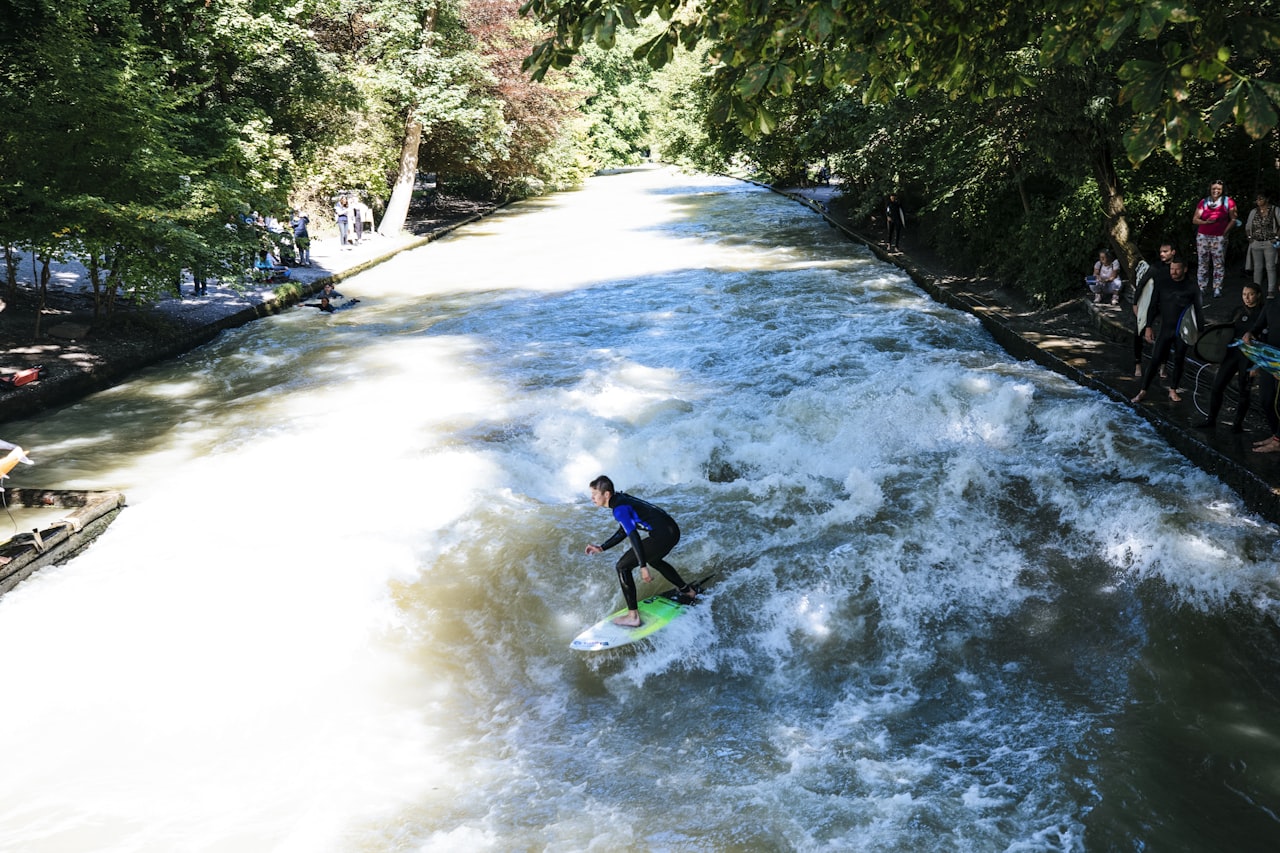
A permanent standing wave in the Eisbach river draws river surfers year-round, even through winter — watch from the Prinzregentenstraße bridge or the bank just below Haus der Kunst. This is a spot for watching, not trying: the water never warms much above 15°C, and the current, submerged rocks and downstream weirs have caused serious injuries to inexperienced surfers. Free and always accessible, and an easy add-on to a walk into the park proper.
- 16:50Kleinhesseloher See
An 8.6-hectare artificial lake dug in 1803, ringed by paths and lawns that thin out the crowds within a few minutes of the park's busier southern half. A seasonal pedal-boat and rowboat rental runs from the eastern bank in the warmer months, and the Seehaus restaurant sits right on the water if you want a sit-down break. Good for a slow lap or a picnic; no ticket needed.
- 17:45Dinner Max-Emanuel-Brauerei
A brewery and beer garden running since 1880, named after the Bavarian Prince-Elector nicknamed 'the Blue Elector,' and a genuine university-quarter fixture rather than a tourist stop. Weekday hours don't start until noon, so it's an evening or weekend plan rather than a lunch drop-in: Monday-Thursday 12:00-23:00, Friday 12:00-24:00, Saturday 10:00-24:00, Sunday and holidays 10:00-22:00. Vegetarian dishes are confirmed on the menu; the beer garden is weather-dependent and not wheelchair accessible.


Day 7Schloss Nymphenburg & its Park & nearby — a sights dayMunich, 6 stops
The Wittelsbachs' summer palace sits at the end of a long formal canal, and a day here is really two: the palace's state rooms and the Marstallmuseum's royal carriages first, then the park itself, which is big enough to lose the crowds within ten minutes of the main facade — English-style groves, four smaller pavilions (the Amalienburg's rococo hall of mirrors is worth the walk alone), and the Botanical Garden tucked against the park's northern edge. Bring a picnic; there's little reason to rush back for lunch.
- 07:40Check out of your stay
- 09:00
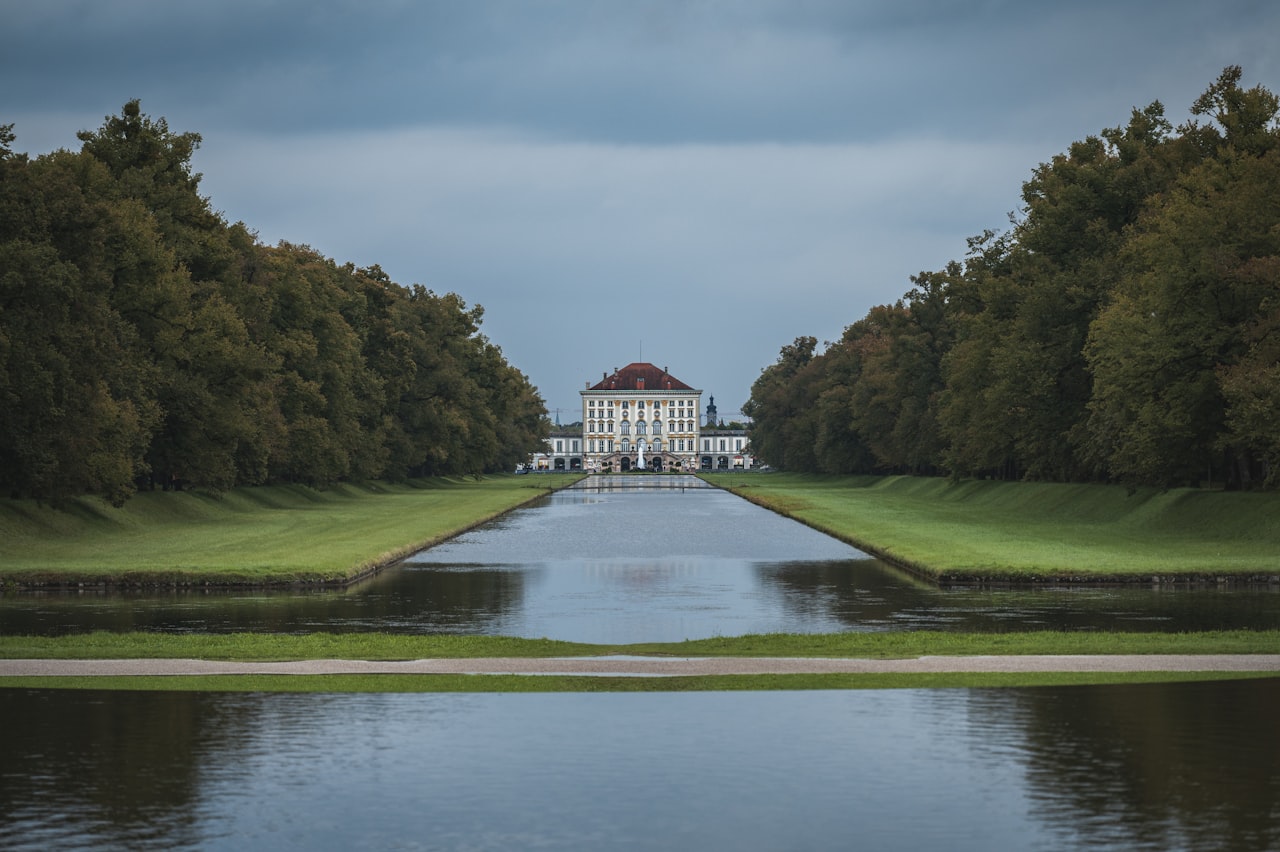
The Wittelsbachs' summer palace opens its state rooms daily 09:00-18:00 from April to mid-October, dropping to 10:00-16:00 the rest of the year — the comprehensive ticket also covers the Marstallmuseum and the park pavilions, which close entirely for winter (see the Amalienburg entry). Everything is shut on 1 January, Shrove Tuesday, and 24/25/31 December, and the Lackkabinett lacquer room is closed for restoration into around autumn 2026. There's step-free access to the left of the main entrance and a lift to the upper floor; the long formal canal out front is free to walk and open far longer hours than the museum itself.
- 11:15Marstallmuseum (Royal Stables Museum)
The Wittelsbachs' state carriages and sledges fill the palace's south wing on the ground floor, step-free from the entrance, with the Nymphenburg porcelain collection upstairs via lift — look out for the elaborately gilded coronation coach. Runs on the same hours and the same comprehensive ticket as the palace itself, dropping to 10:00-16:00 outside the April-mid-October season.
- 12:15Lunch Schlosscafé im Palmenhaus
A café inside a historic palm-house greenhouse at the edge of the palace park, serving breakfast and brunch through early afternoon with both vegan and vegetarian dishes alongside the traditional menu. Open Tuesday-Friday 11:00-18:00, Saturday 10:00-18:00 and Sunday 10:00-15:00 (Sunday breakfast until 14:00); closed Mondays.
- 13:15
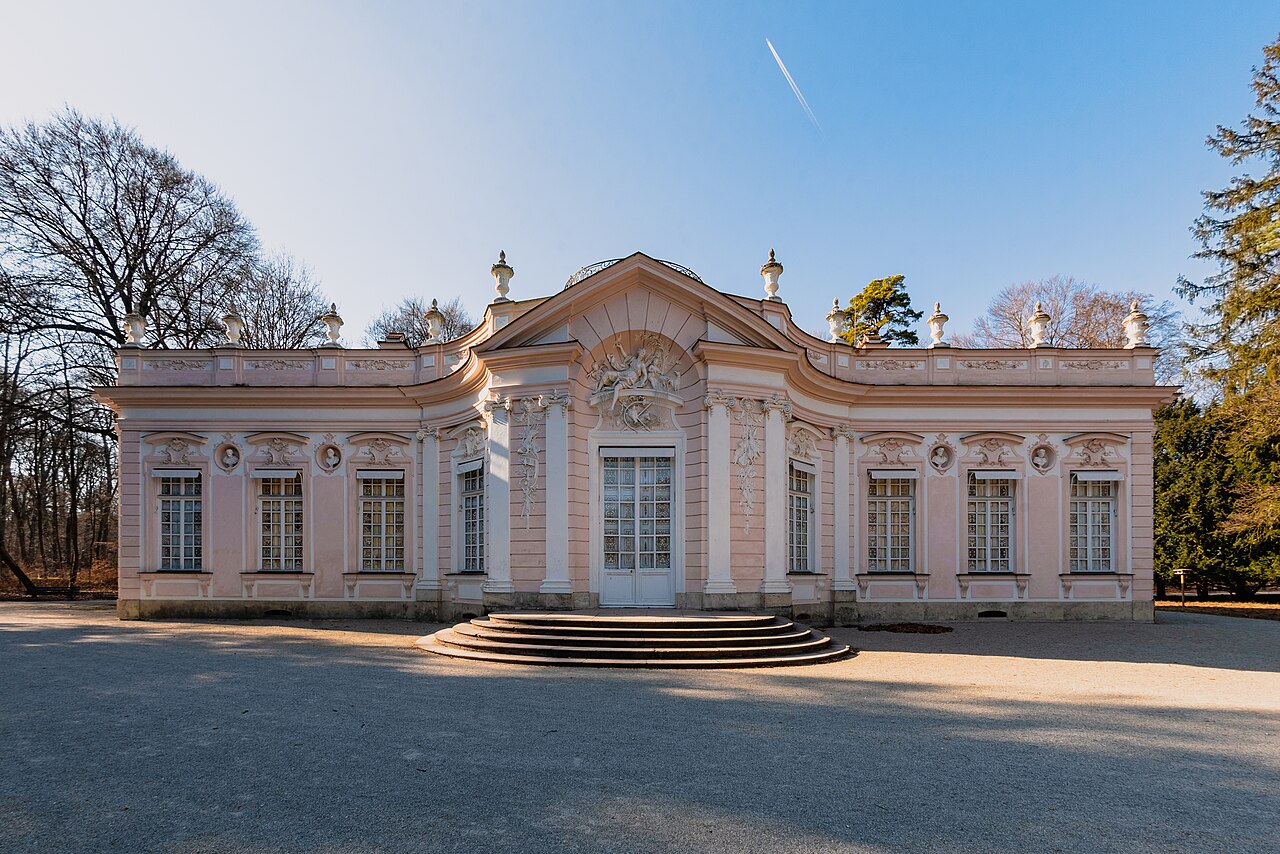
The smallest and finest of the park's four pavilions, built 1734-39 by François de Cuvilliés — its circular Spiegelsaal (Hall of Mirrors), all silver stucco and pale blue, is genuinely one of the best rococo interiors in Bavaria and worth the walk on its own. Covered by the palace's comprehensive ticket, but closed completely from mid-October to the end of March — this is a summer-only stop, so don't plan a winter Nymphenburg day around it.
- 14:00Munich Botanical Garden
Tucked against the park's northern edge, this is a real botanical garden rather than a palace add-on — greenhouses, an alpine garden and a rock garden, with paths that stay genuinely uncrowded even when the palace grounds are full. Outdoor gardens run roughly 09:00-18:00 from late March to late October and shorter winter hours the rest of the year; closed 24 and 31 December. Wheelchair users can reach the main paths, though the fern ravine's narrow stream-side trail and the alpine garden's inner loop aren't passable, and e-wheelchairs don't fit inside the greenhouses.
- 15:46Olympic Swimming Hall
The actual 1972 Olympic competition pool, still open to the public for lengths and lane swimming rather than preserved as a museum piece — this is the pool Mark Spitz swam his seven gold medals in, and you can buy a day ticket and swim it yourself. Regular pool entry is €6.90; a 4-hour sauna-plus-pool ticket is €23. The facility has disability-friendly, wheelchair-accessible fittings, including accessible changing rooms and pool-entry assistance. Open daily 7:00–23:00 (the sauna and fitness areas keep slightly different hours). Note: the whole hall closes for its annual deep-clean/maintenance for about three weeks every late summer — it was scheduled 24 August–14 September 2026 — so check swm.de before planning a visit in that window.

