
Vegetarian Tokyo — 4 days, every meal verified
- 4 days
- Balanced pace
- About 50 min walking a day
Four Tokyo days where every single food stop has been verified vegetarian by a human — shojin temple cuisine, plant-based ramen, and cafés checked against their actual menus. Generic AI planners guess at dietary facts; tabi treats them as hard constraints. This template is the proof.
Day by day
Day 1Asakusa — a sights dayTokyo, 7 stops
Old downtown Tokyo: the Senso-ji temple and its Nakamise souvenir street, rickshaws, traditional sweets, and Tokyo Skytree rising across the river. The city's most atmospheric, lower-cost quarter — best early before the crowds.
- 08:00Breakfast Kagetsudo (melon pan)
Famous for its giant, crisp-then-fluffy jumbo melon pan, baked fresh through the day — a cheap, fun Asakusa walking snack.
- 08:30
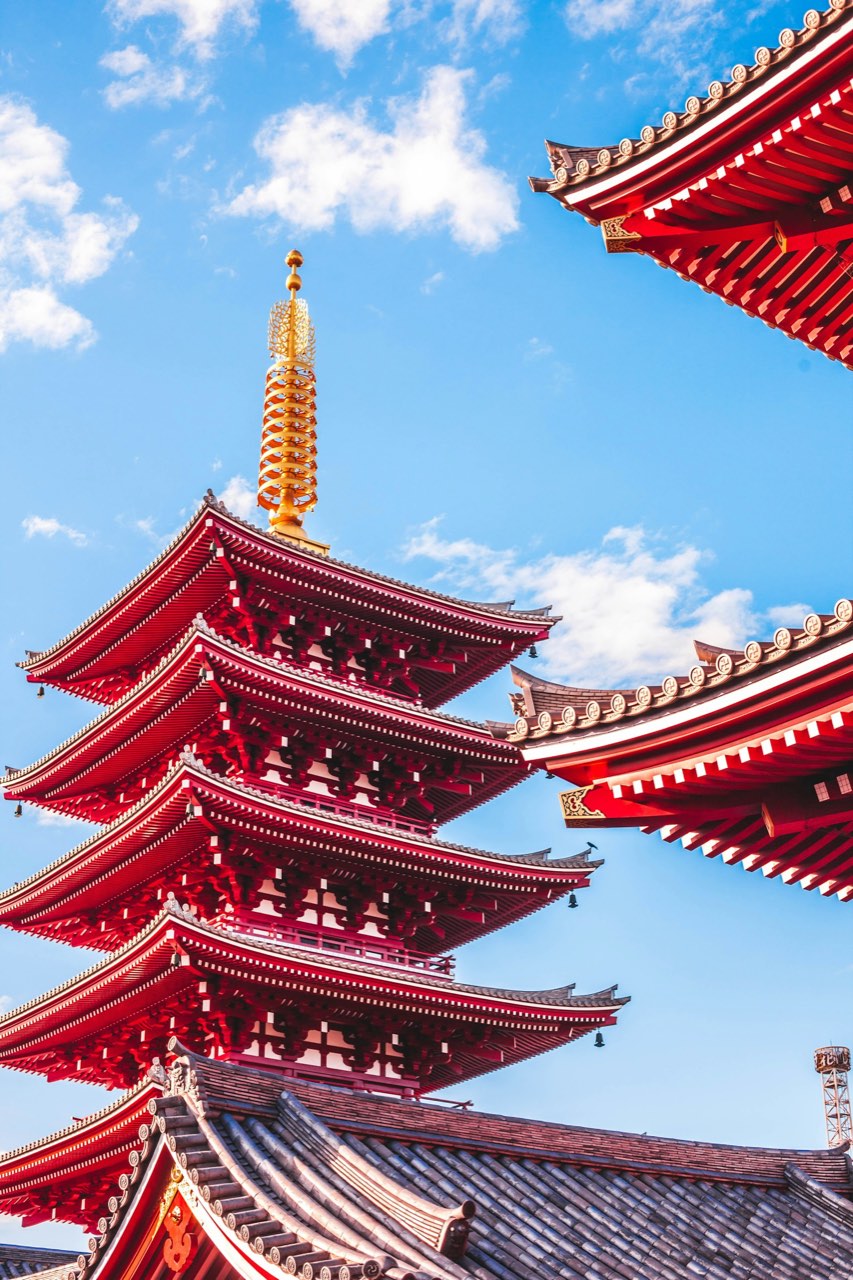
Tokyo's oldest temple, approached through the Kaminarimon gate and Nakamise shopping street. The grounds are always open and free (main hall ~06:00-17:00); beautifully lit at night and best explored early.
- 09:45Nakamise Shopping Street
The 250 m approach to Senso-ji, lined with stalls of folding fans, kimono trinkets, ningyo-yaki cakes and fresh senbei. Per-shop hours vary; busiest midday.
- 10:40
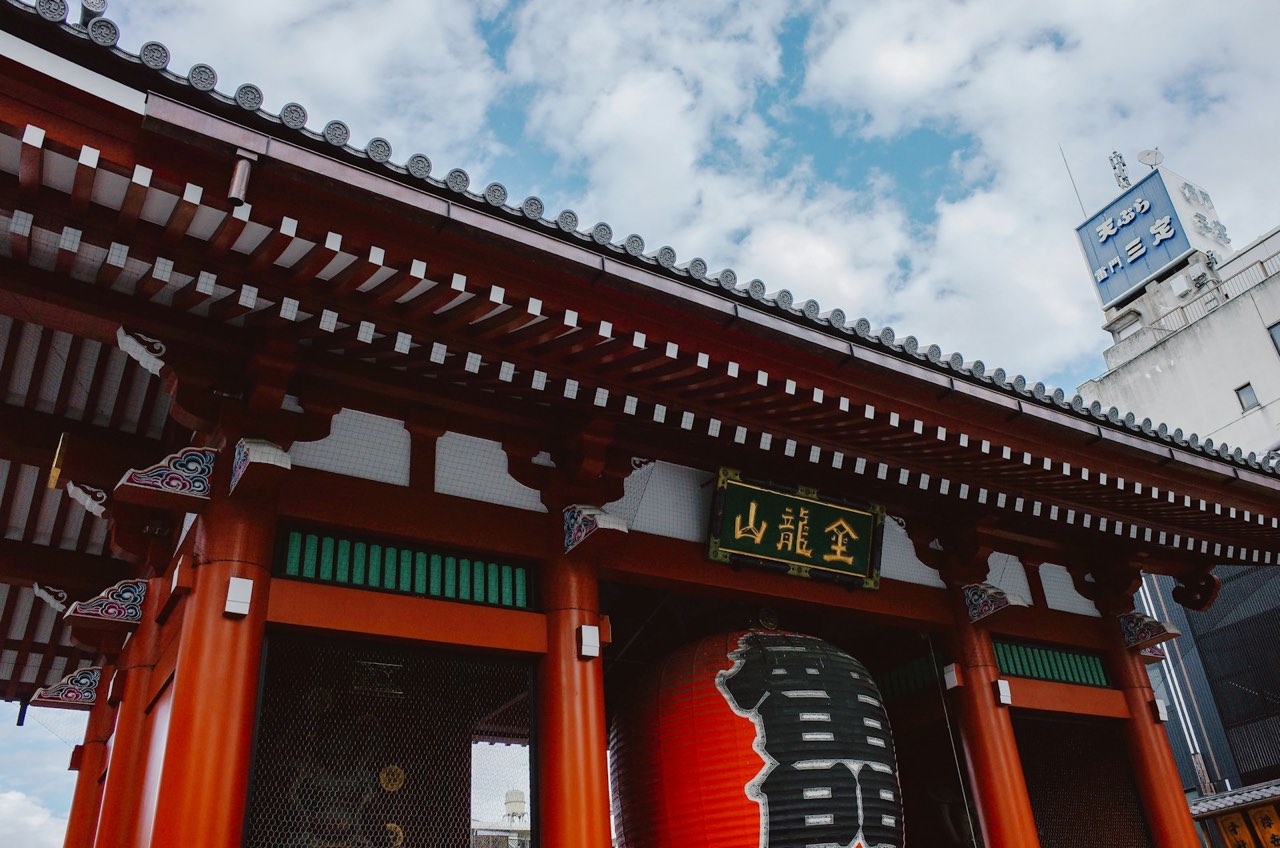
The giant red 'Thunder Gate' lantern marking the entrance to Senso-ji — Asakusa's signature photo. Always accessible.
- 11:10Samurai Ninja Museum Tokyo
A hands-on Asakusa museum where a guided tour walks you past real Edo-period armour, katana and ninja tools, then lets you throw shuriken yourself; armour try-on and sword lessons are optional add-ons. Entry is timed — book online ahead, and check current hours before you go.
- 13:25
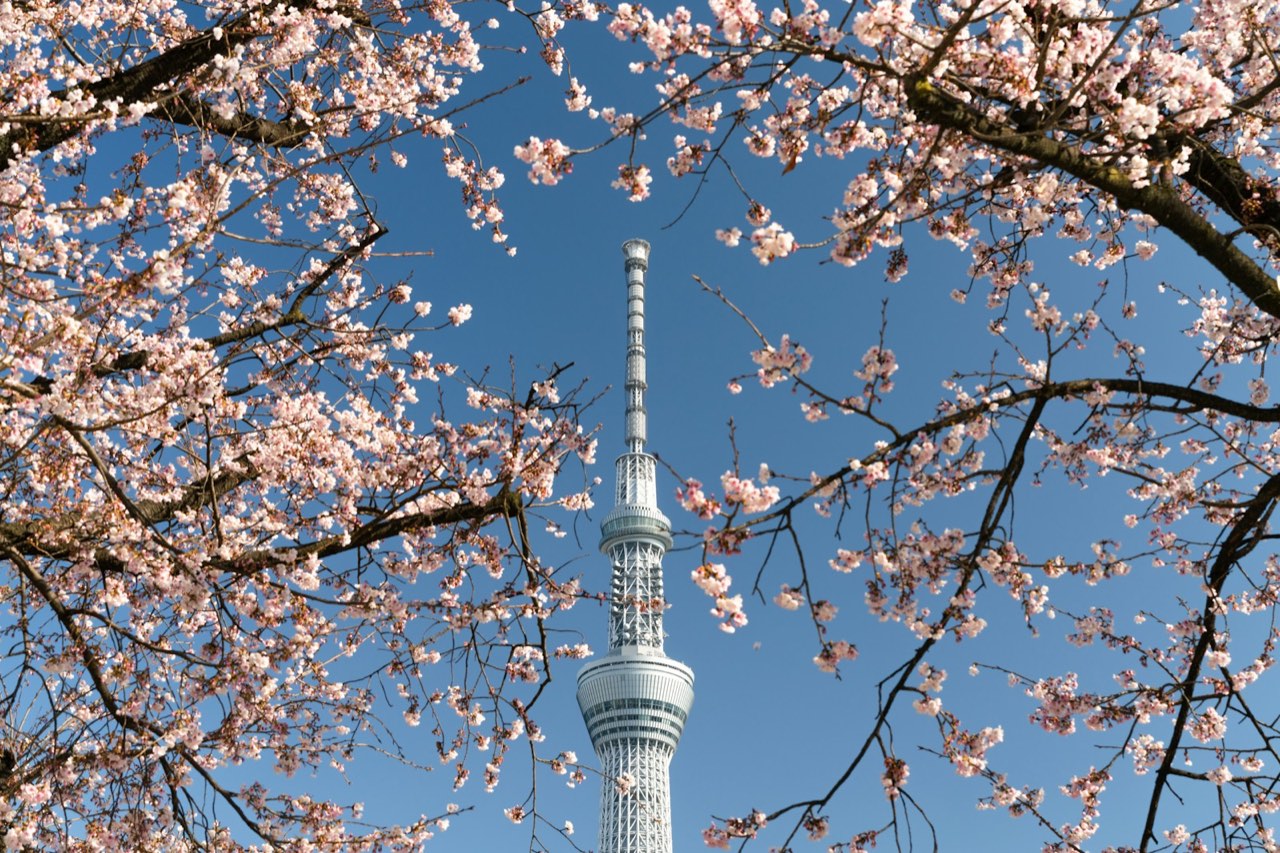
At 634 m, the world's tallest tower — two observation decks with vast city views, plus the Solamachi mall and aquarium at its base. Across the river from Asakusa (~15-min walk or one stop); buy timed tickets to skip the line.
- 15:10Asakusa Sumo Club
A purpose-built sumo hall minutes from Senso-ji where retired professional wrestlers stage demonstration bouts with English commentary — a show, not a real tournament — usually paired with all-you-can-eat chanko-nabe hot pot. Four two-hour sessions run daily; book ahead, evening slots can sell out a week or more in advance.


Day 2Yanaka & nearby — a sights dayTokyo, 7 stops
Old 'shitamachi' Tokyo that survived the war and the bubble: temple-lined lanes, a cherry-blossom cemetery, the wisteria-famous Nezu Shrine, and the nostalgic Yanaka Ginza shopping street with its cats, croquettes and traditional sweets. The city at walking pace.
- 08:00Breakfast Kayaba Coffee
A 1930s wooden corner café revived as a 'kissaten', famous for its fluffy tamago (egg) sandwich and morning sets in a tatami-and-timber room. A perfect Yanaka rest stop; can fill up, so come off-peak.
- 08:30
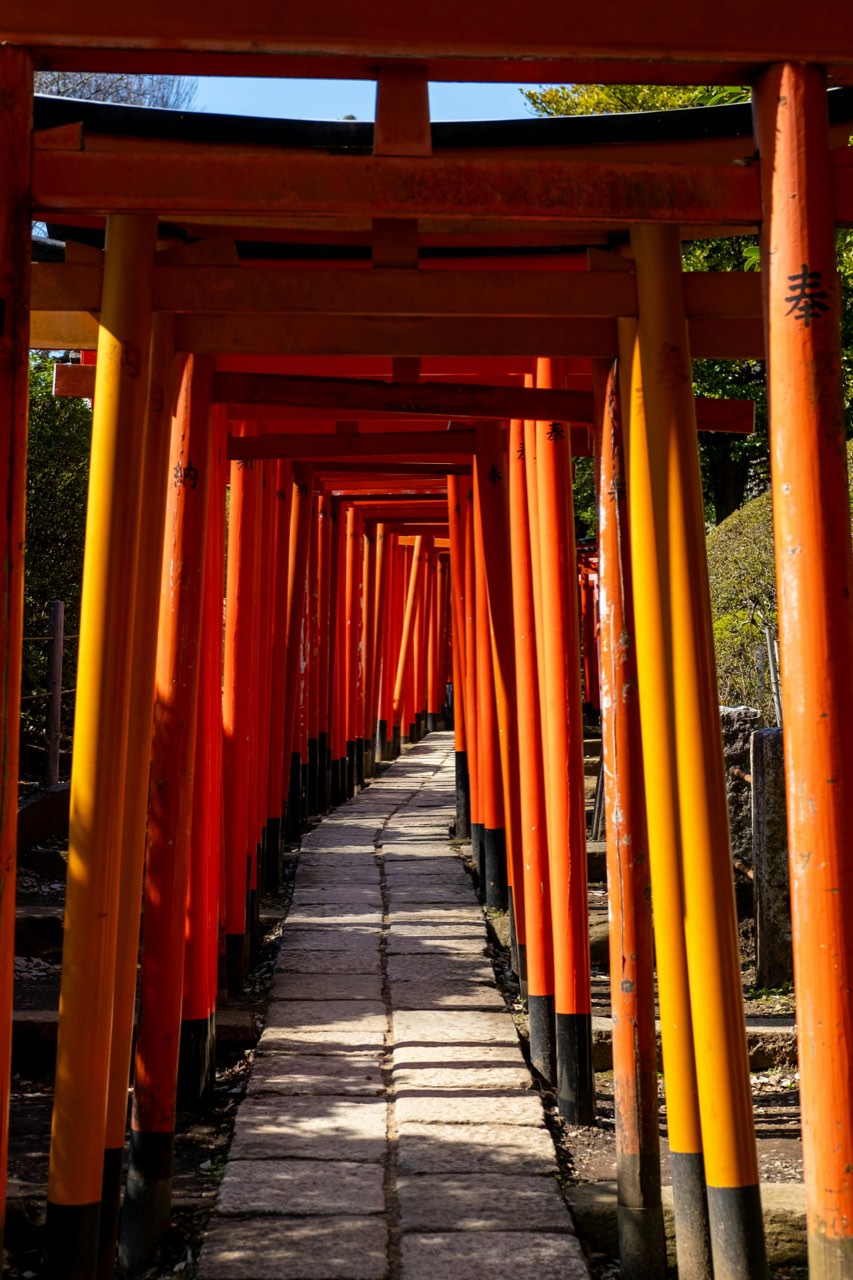
One of Tokyo's oldest shrines, with vermilion halls, a tunnel of small torii gates climbing the hillside, and a famous azalea garden that blazes in late April. Grounds are free; the azalea garden charges a small fee during the festival. Hours shorten in winter.
- 09:30

Japan's oldest zoo, in Ueno Park — best known for its giant pandas. Great with kids; closed Mondays. Cheap entry.
- 13:00
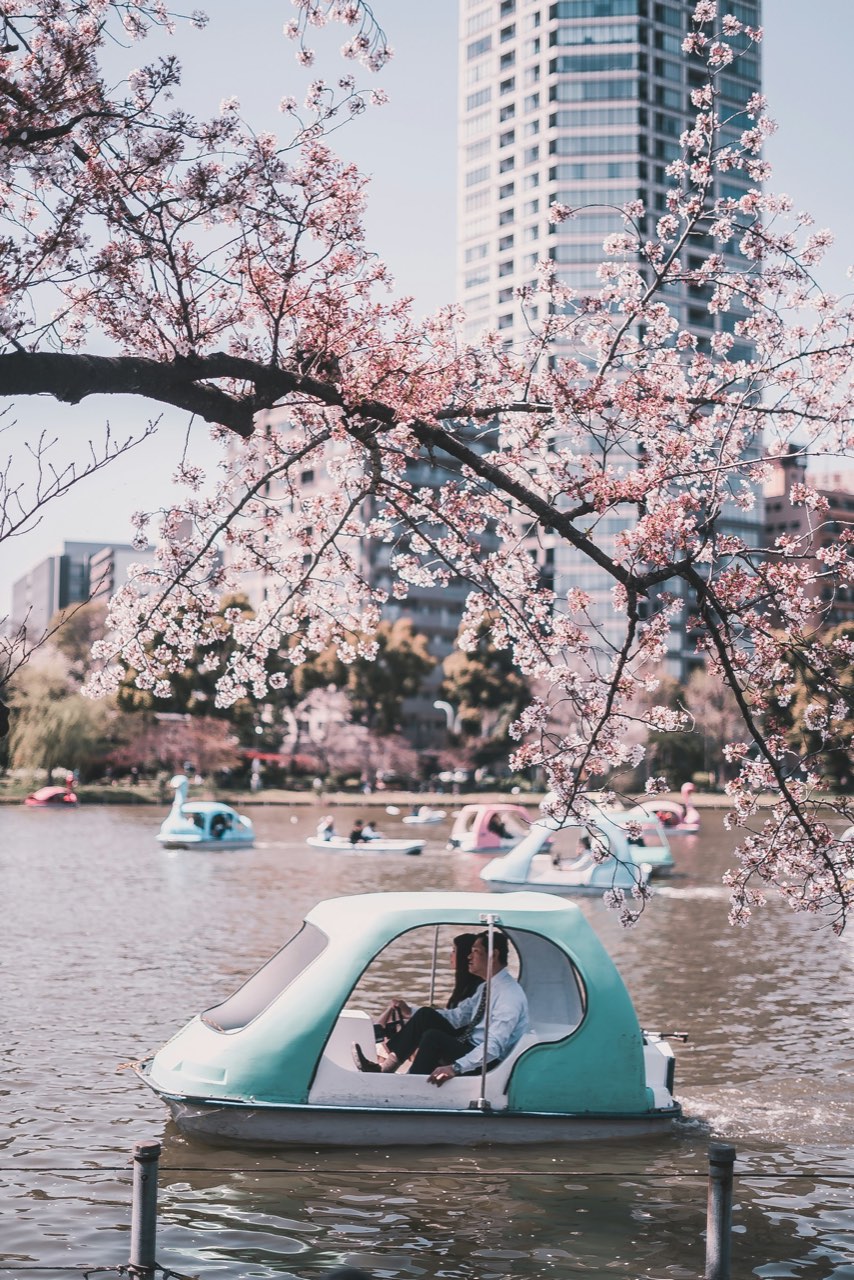
A wide public park that's Tokyo's museum district and one of its most famous cherry-blossom spots, with the lotus-filled Shinobazu Pond and a zoo. Always open; ties the area's sights together.
- 14:15
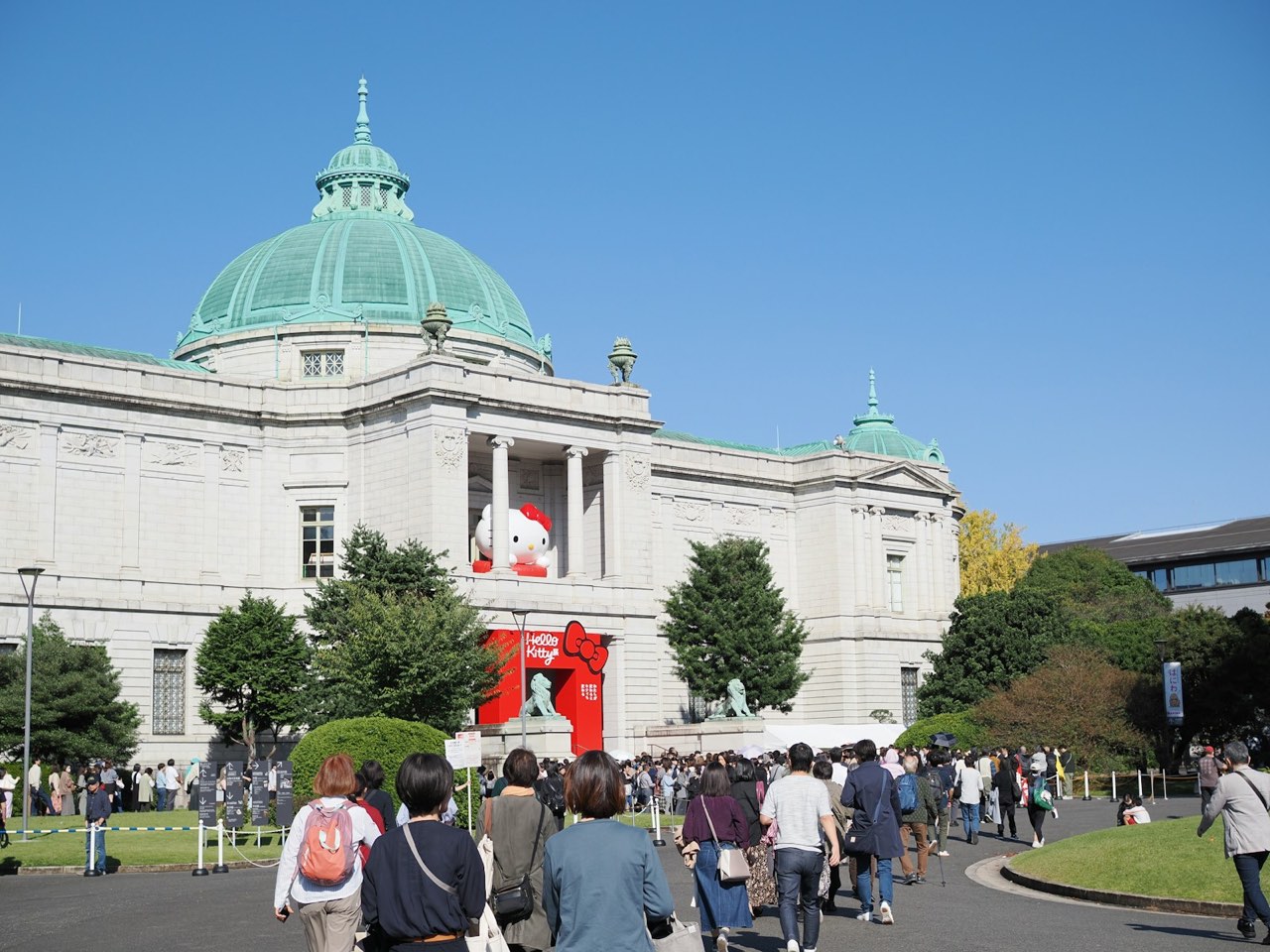
Japan's oldest and largest museum — the definitive collection of samurai swords, armour, Buddhist art and ceramics. Closed Mondays; an excellent rainy-day half-day.
- 16:30
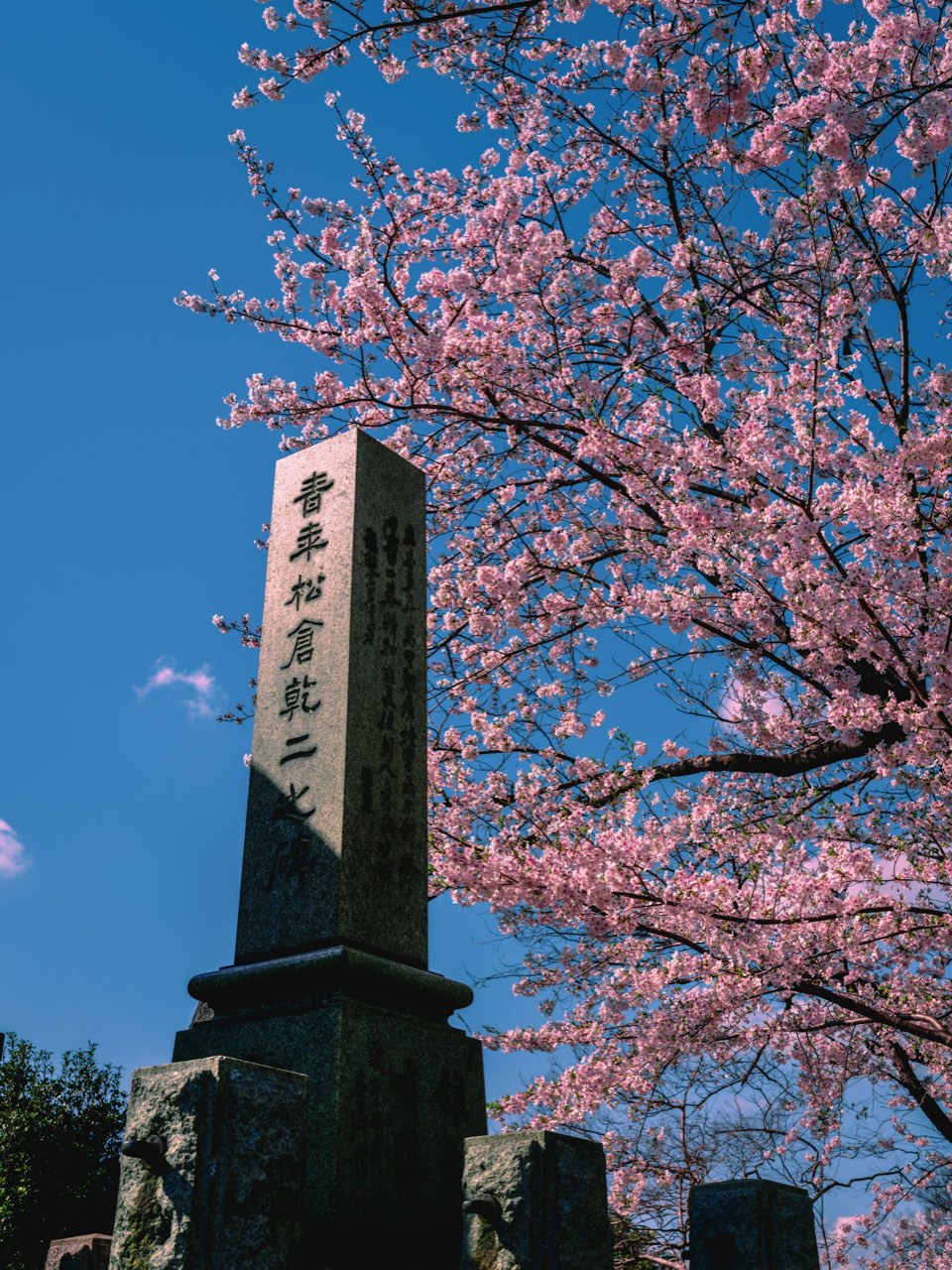
A leafy historic cemetery whose central avenue — 'Sakura-dori' — becomes a cherry-blossom tunnel in spring, and where the last shogun and many Meiji notables rest. A peaceful, atmospheric walk; the paths are public and always open.
- 17:25Yanaka Ginza
A nostalgic shitamachi shopping street reached by the 'Yuyake Dandan' sunset steps, lined with old-fashioned grocers, croquette and senbei stalls, and cat-themed shops. Eat as you wander; per-shop hours vary and some close midweek.


Day 3Nakameguro & Daikanyama & nearby — sights morning, shopping afternoonTokyo, 8 stops
Tokyo's most stylish low-rise quarter: the willow-and-cherry-lined Meguro River with its canal-side cafés (peak magic in late-March blossom season), the book-lover's Daikanyama T-Site, and a slow drift of design shops, roasteries and bistros. A grown-up, unhurried day.
- 08:00Breakfast Starbucks Reserve Roastery Tokyo
A four-storey Kengo Kuma-designed coffee 'theatre' on the Meguro River, with a copper roasting cask, a Teavana tea bar and a Princi bakery. Spectacular when the cherry trees bloom outside the upper terraces; expect a wait at peak times.
- 08:30

A small hillside park above the river with a grassy slope, a little waterfall and a west-facing terrace that catches the sunset over the city — a quiet pause a few minutes from the Nakameguro bustle.
- 09:15
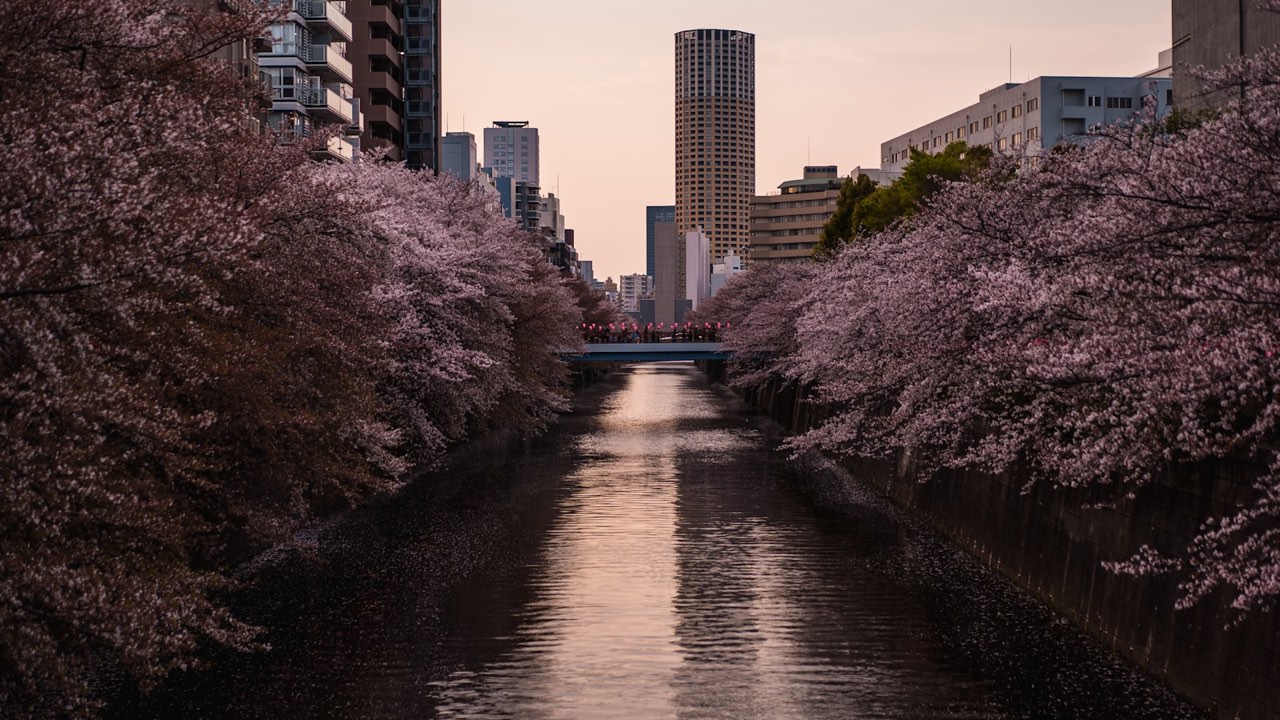
A canal lined with hundreds of cherry trees that arch over the water — Tokyo's prettiest blossom walk in late March, lit pink at night, and a pleasant café-hopping stroll the rest of the year. Always open and free.
- 10:30Daikanyama T-Site (Tsutaya Books)
A celebrated bookstore-as-destination: three glass pavilions of books, magazines, music and stationery, with the Anjin lounge upstairs for coffee among vintage art journals. A design pilgrimage and a lovely slow browse.
- 13:00Log Road Daikanyama
A low-rise strip of shops and cafés built along a former rail siding — home to a Spring Valley craft brewery taproom and breezy terraces. A relaxed link between Daikanyama and the Nakameguro riverside.
- 14:00Atre Ebisu
The big station-side mall directly over Ebisu Station — fashion, cosmetics, a supermarket and a strong restaurant floor, all weatherproof and handy on arrival or departure. A practical everyday stop rather than a destination.
- 15:15Yebisu Garden Place
A refined open-air complex built on the old Yebisu brewery site — a glass-roofed plaza, a department store, restaurants from casual to the Joël Robuchon château, and a vast Baccarat chandelier that anchors a famous winter illumination. Pleasant to stroll any time; the plaza is always open.
- 16:30
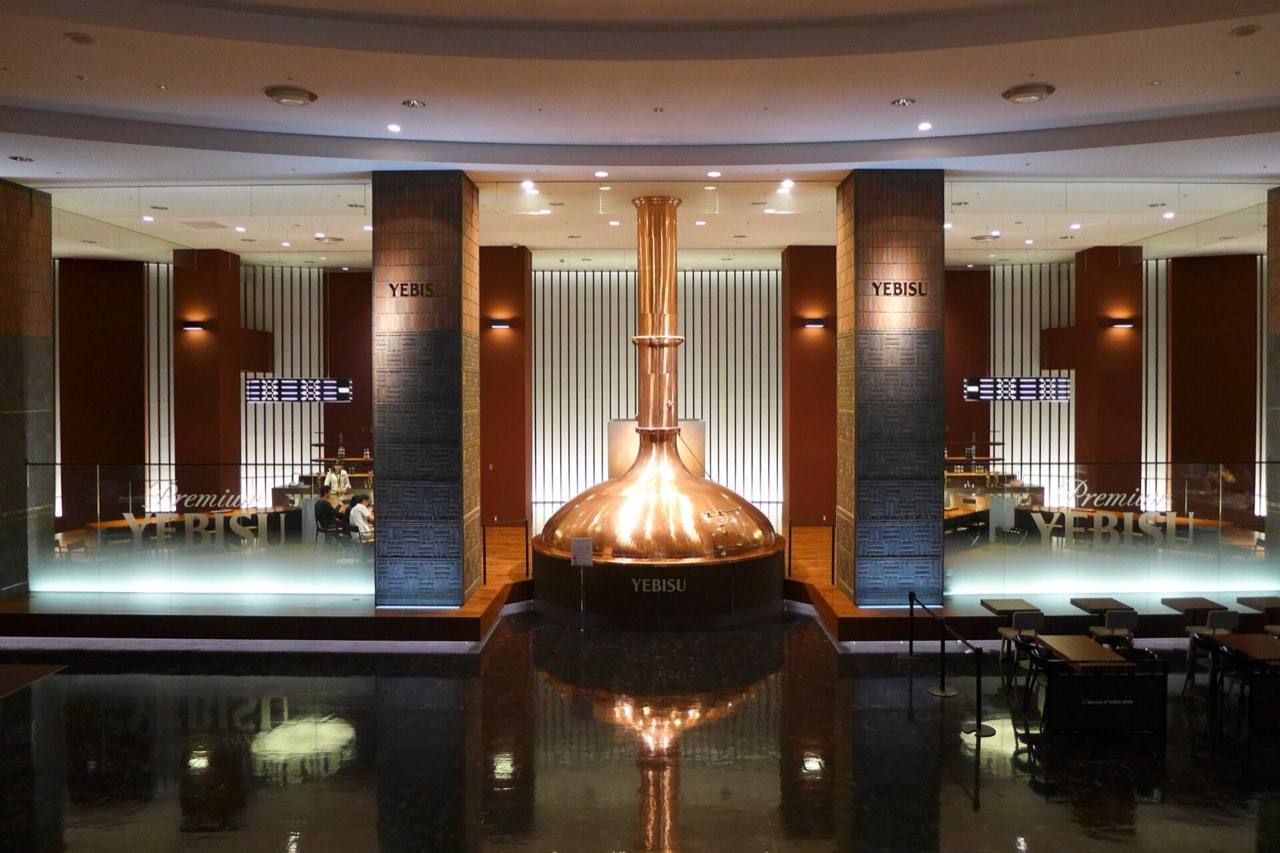
A small museum tracing the Meiji-era Yebisu brand that gave the district its name, with free galleries and a paid guided 'brand experience' tour that ends in a tasting salon. A relaxed, grown-up half-hour; usually closed Mondays, with shorter weekday afternoon hours.


Day 4Harajuku & Meiji Jingu & nearby — sights morning, shopping afternoonTokyo, 9 stops
A study in contrasts: the vast forested Meiji Shrine and Yoyogi Park on one side, and the teen-fashion frenzy of Takeshita Street with the upscale boutiques of Omotesando on the other. Shrine in the morning, shopping and crepes after.
- 07:40Check out of your stay
- 08:30
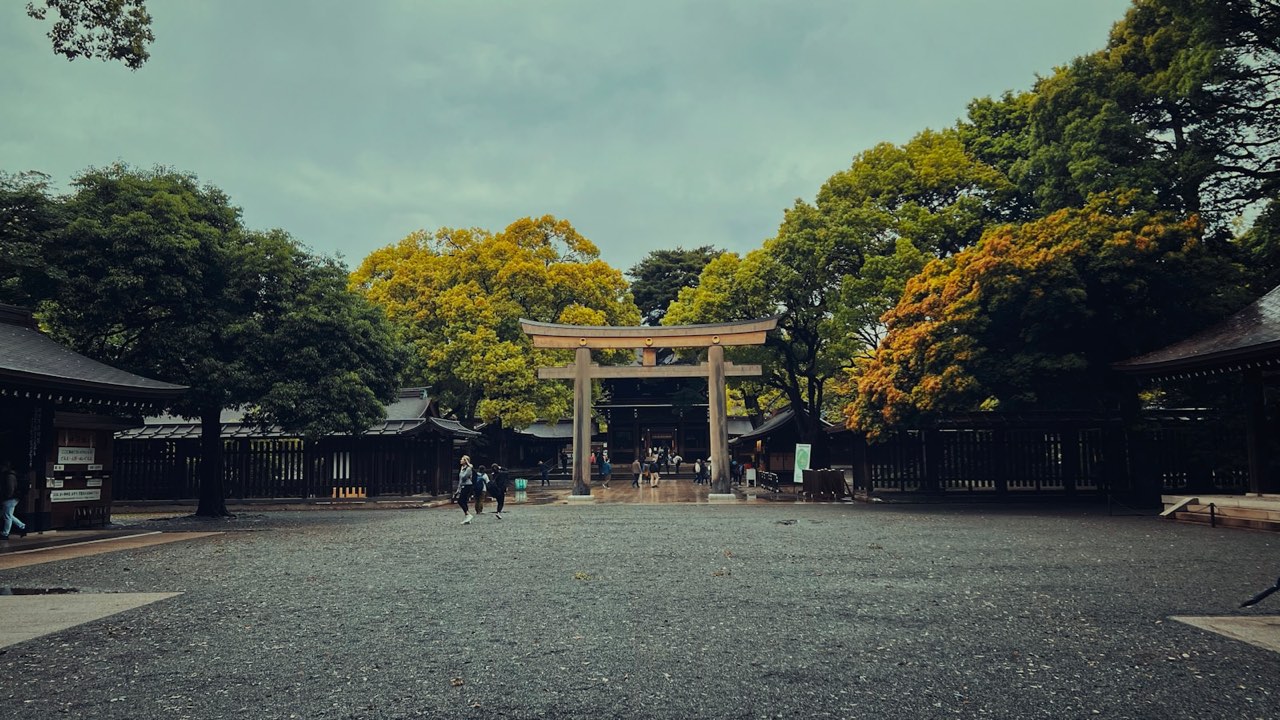
Tokyo's grandest shrine, set in a vast man-made forest beside Harajuku — huge wooden torii, a long gravel approach and a sense of calm minutes from the crowds. Free; opens at sunrise, closes at sunset (hours shift seasonally).
- 10:00
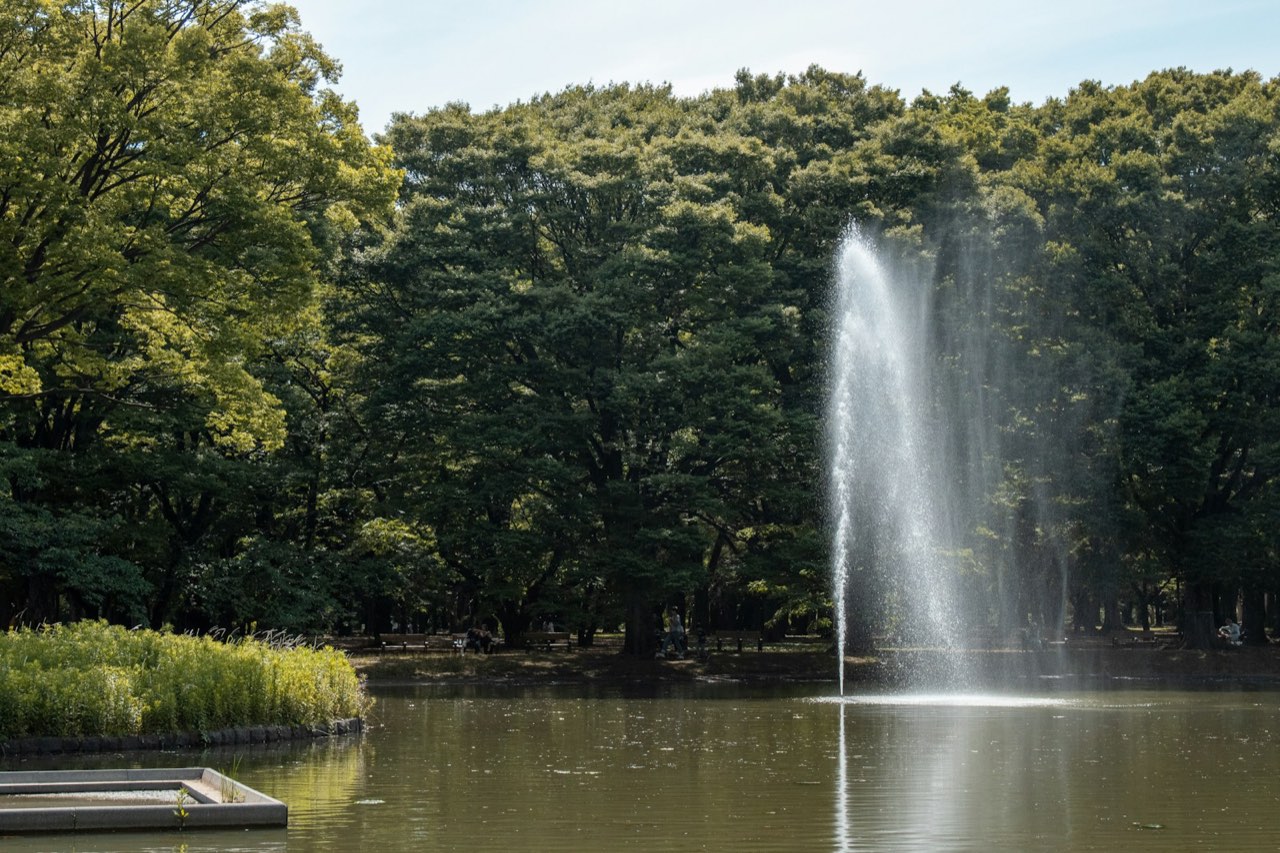
Big open lawns next to Meiji Jingu — picnics, buskers, dog-walkers and weekend events (rockabilly dancers, festivals). A relaxed counterpoint to Takeshita Street's crush.
- 11:00Takeshita Street
The pedestrian heart of teen Harajuku — kawaii fashion, character shops, photo booths and rainbow crepes. Shoulder-to-shoulder on weekends; per-shop hours vary.
- 12:00Lunch Marion Crepes
A Takeshita Street original credited with starting Harajuku's crepe craze — dozens of fillings, eaten on the move. Quick, cheap, photogenic.
- 13:00Omotesando
Tokyo's 'Champs-Elysees' — a zelkova-lined avenue of flagship boutiques and striking architect-designed stores (plus Omotesando Hills). Window-shopping and people-watching even on a budget.
- 14:15
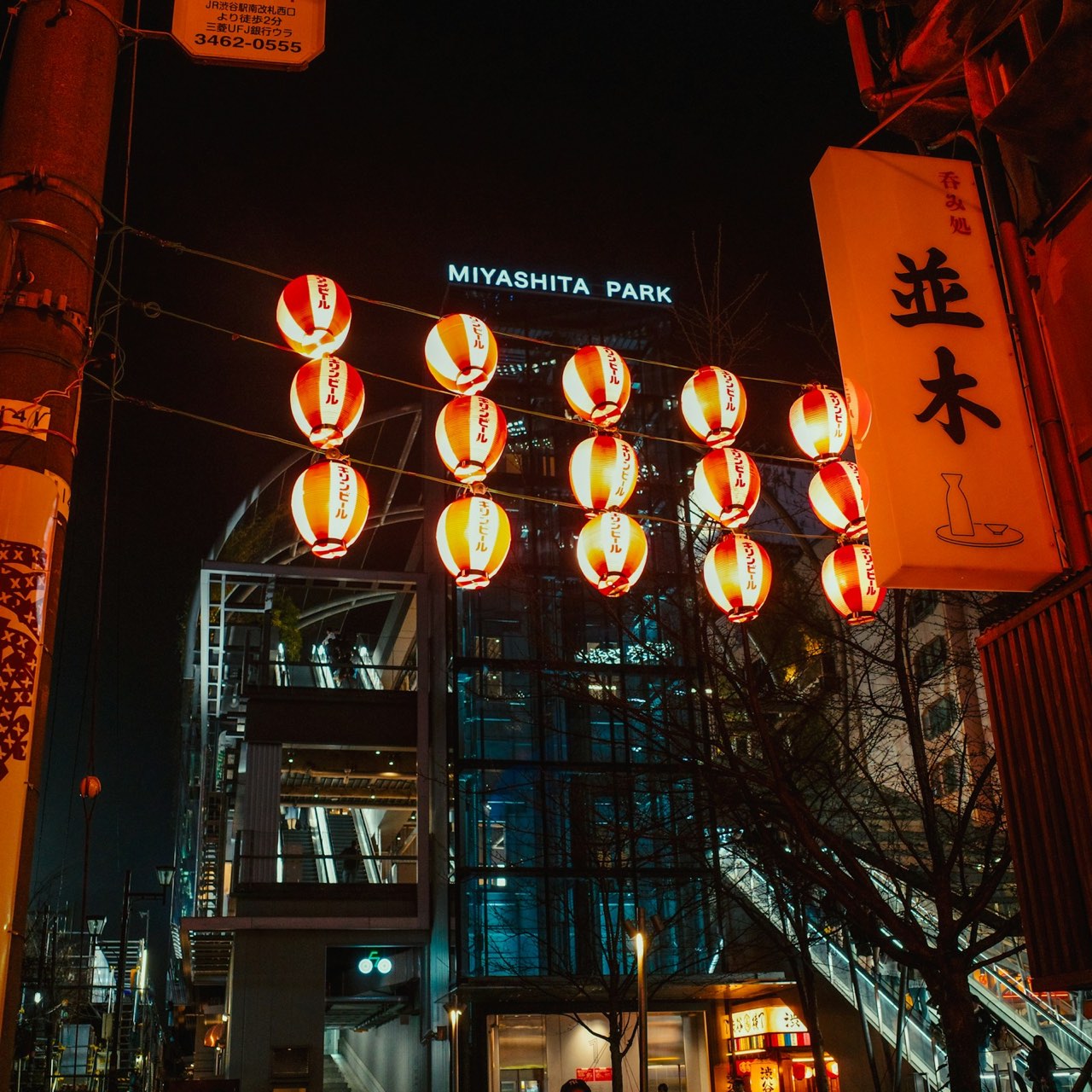
A reinvented multi-level complex: a rooftop park with lawn, climbing wall and skate area sitting above two floors of shops and the buzzing Shibuya Yokocho food alley. A relaxed green pause and night-eats spot between Shibuya and Harajuku; the rooftop closes overnight.
- 15:30Shibuya Parco
A design-forward fashion-and-culture mall whose sixth floor is a games-and-anime floor — Nintendo Tokyo, the Pokémon Center, the Jump Shop and Capcom Store all together. A magnet for fans; the rooftop has city views and seasonal events.
- 17:15Shibuya Sky
Open-air rooftop observation deck atop Shibuya Scramble Square (~230 m) with a 360° view over the crossing and out to Mt Fuji on clear days. Book a timed sunset slot ahead.
- 18:30Dinner Afuri (yuzu ramen)
Modern ramen known for its light, citrusy yuzu-shio broth — a refreshing change from heavy tonkotsu, handy after Meiji Jingu. Ticket machine; quick.


