
Kyoto, Himeji & Hiroshima — castles, the floating torii and Peace Park in 6 days
- 6 days, 3 cities
- Balanced pace
- About 40 min walking a day
Three days among Kyoto's temple districts, then about fifty minutes west on the Sanyō shinkansen to Himeji, where Japan's greatest surviving castle stands a short walk from the platform. An hour further brings Hiroshima — the Peace Memorial Park and Museum, and the ferry across to Miyajima for the torii that stands in the tide. Every stop below is human-verified: opening hours, closing days and the timed tickets that catch travellers out. Once saved, the whole plan works offline.
Day by day
Day 1Higashiyama & Gion — a temple dayKyoto, 7 stops
The eastern hills: Kiyomizu-dera, sloping stone lanes (Sannenzaka), Yasaka Shrine and the geisha quarter of Gion. The quintessential old-Kyoto day, walked on foot — go early to beat crowds.
- 09:00
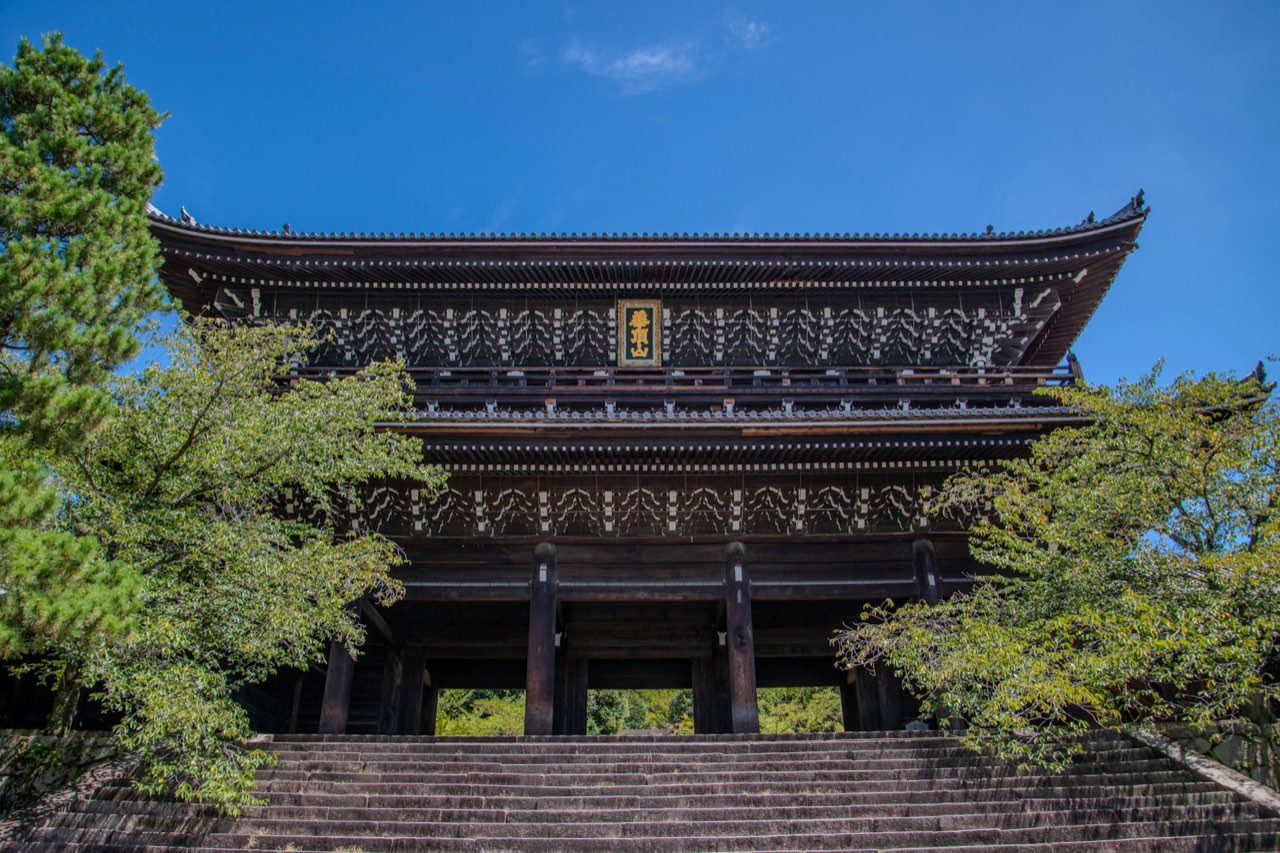
Head temple of Pure Land Buddhism, entered through Japan's largest wooden gate (the Sanmon) and home to a giant bell. Just north of Yasaka and Maruyama Park; grounds free.
- 10:05
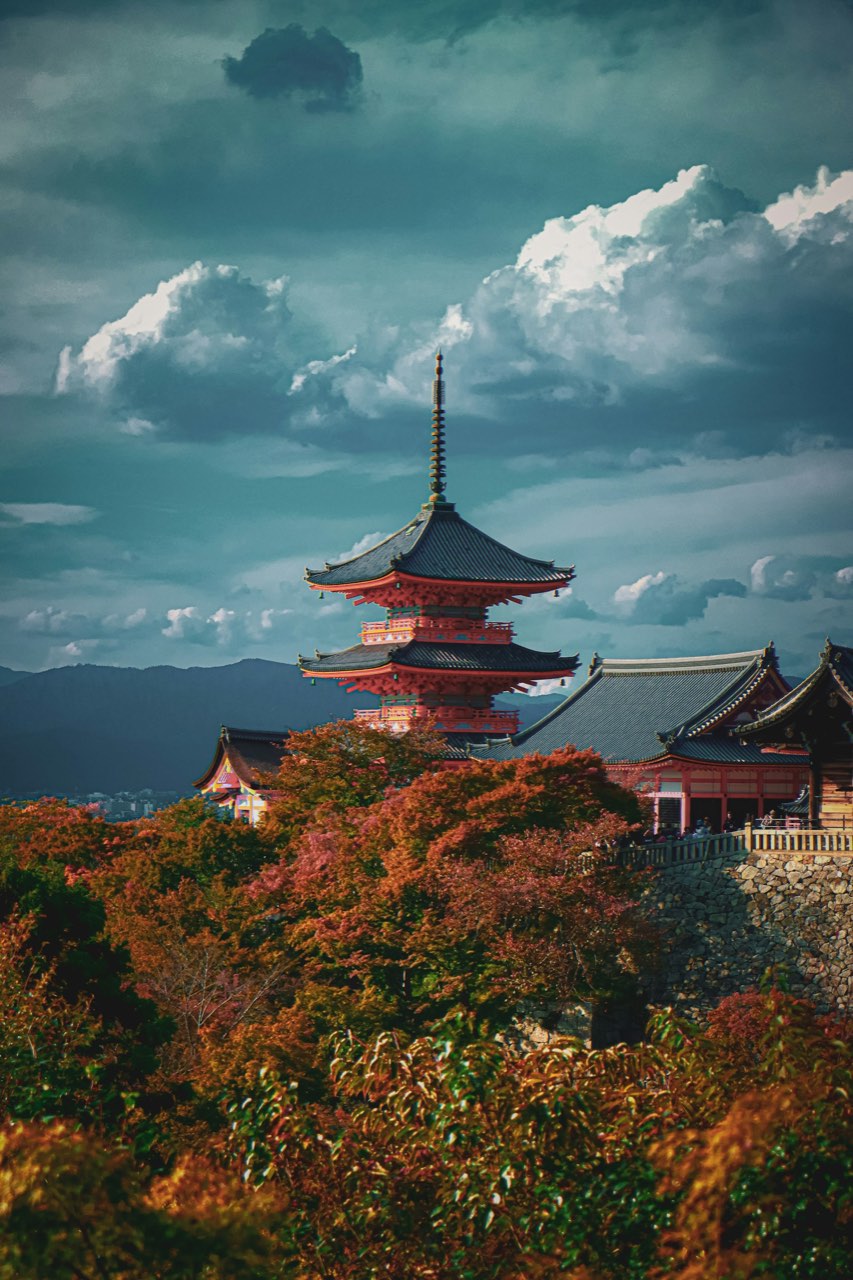
Hillside temple famous for its huge wooden stage and city views; the approach lanes (Sannenzaka) are part of the experience. Opens at 06:00 — go early. Small entry fee.
- 12:00Lunch Okutan (Kiyomizu)
Centuries-old yudofu (hot tofu) house on the Kiyomizu approach, with garden seating. Closed Thursdays. Good veg-friendly option.
- 13:00Ninenzaka & Sannenzaka
The preserved sloping stone lanes climbing toward Kiyomizu-dera, lined with machiya shops selling Kiyomizu pottery, yatsuhashi sweets, fans and crafts. As much a sight as a shopping street; busiest late morning to afternoon.
- 14:15
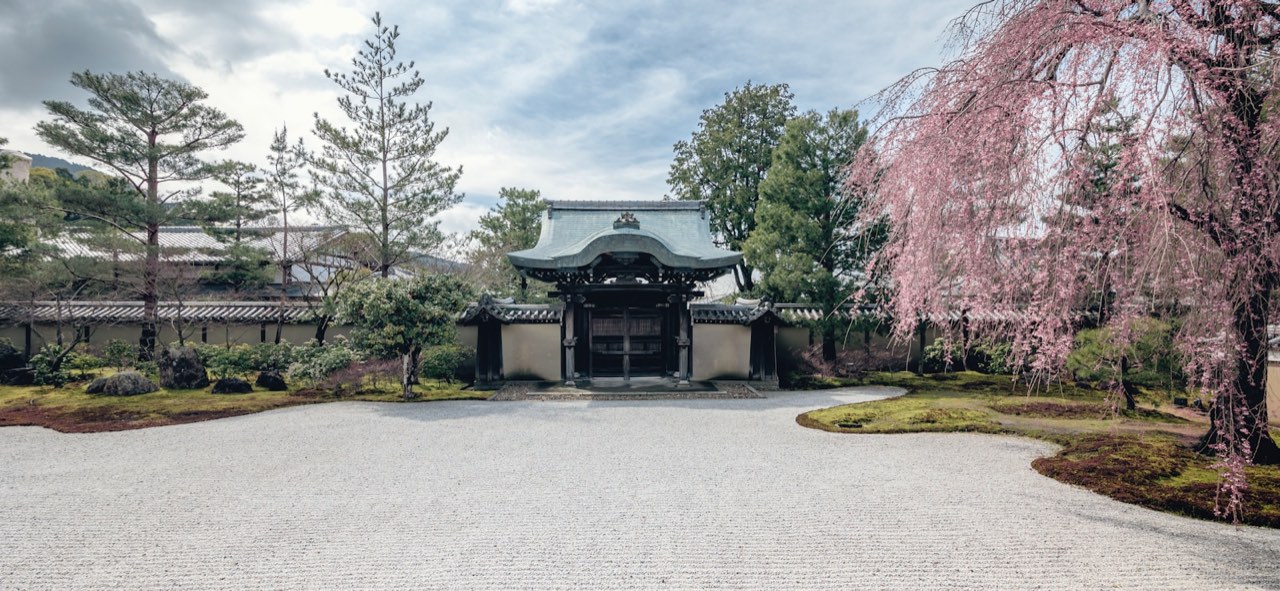
Hillside Zen temple between Yasaka and Kiyomizu with raked gardens and a small bamboo grove; famous for seasonal night illuminations (spring/autumn).
- 15:15
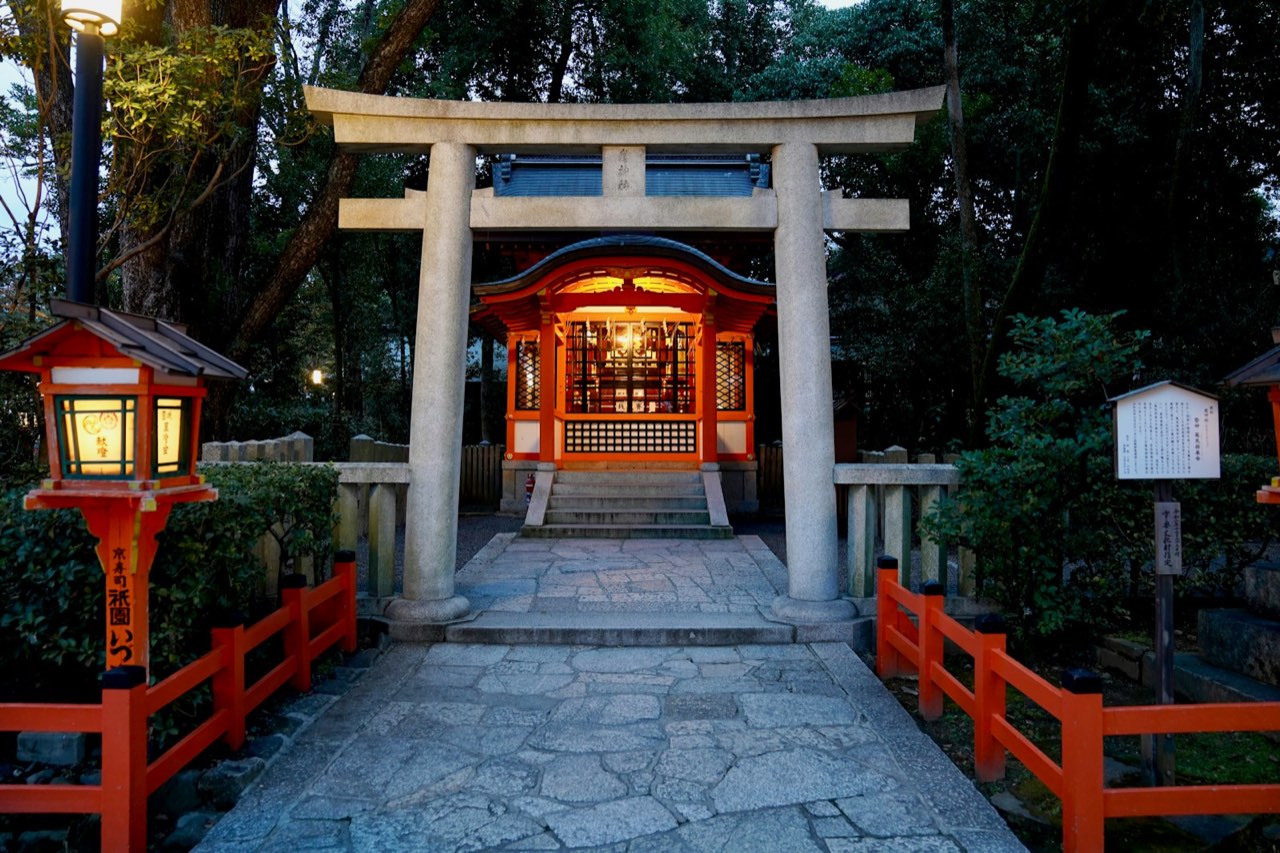
The lantern-lit shrine at the foot of Gion, gateway to Maruyama Park. Grounds are free and always open; lovely floodlit at night.
- 17:30Dinner Kikunoi (Honten)
Three-Michelin-star kaiseki — a landmark special-occasion meal. Reserve well ahead; lunch is the gentler entry point.


Day 2Kinkaku-ji (Northwest) — a temple dayKyoto, 7 stops
The northwest temple cluster: the golden pavilion Kinkaku-ji and the Zen rock garden of Ryoan-ji. Bus-reliant and a little spread out — pair the two, then head back to Downtown.
- 09:00

A walled complex of Zen sub-temples and rock gardens — quiet and atmospheric. Only some sub-temples open to the public (each ticketed); wander the free lanes between them.
- 10:15Kamishichiken
Kyoto's oldest geisha district — a lantern-hung lane of wooden teahouses beside Kitano Tenmangu, quieter and more local than Gion. Best at dusk when the lanterns come on and geiko slip between engagements; free to stroll any time.
- 11:10
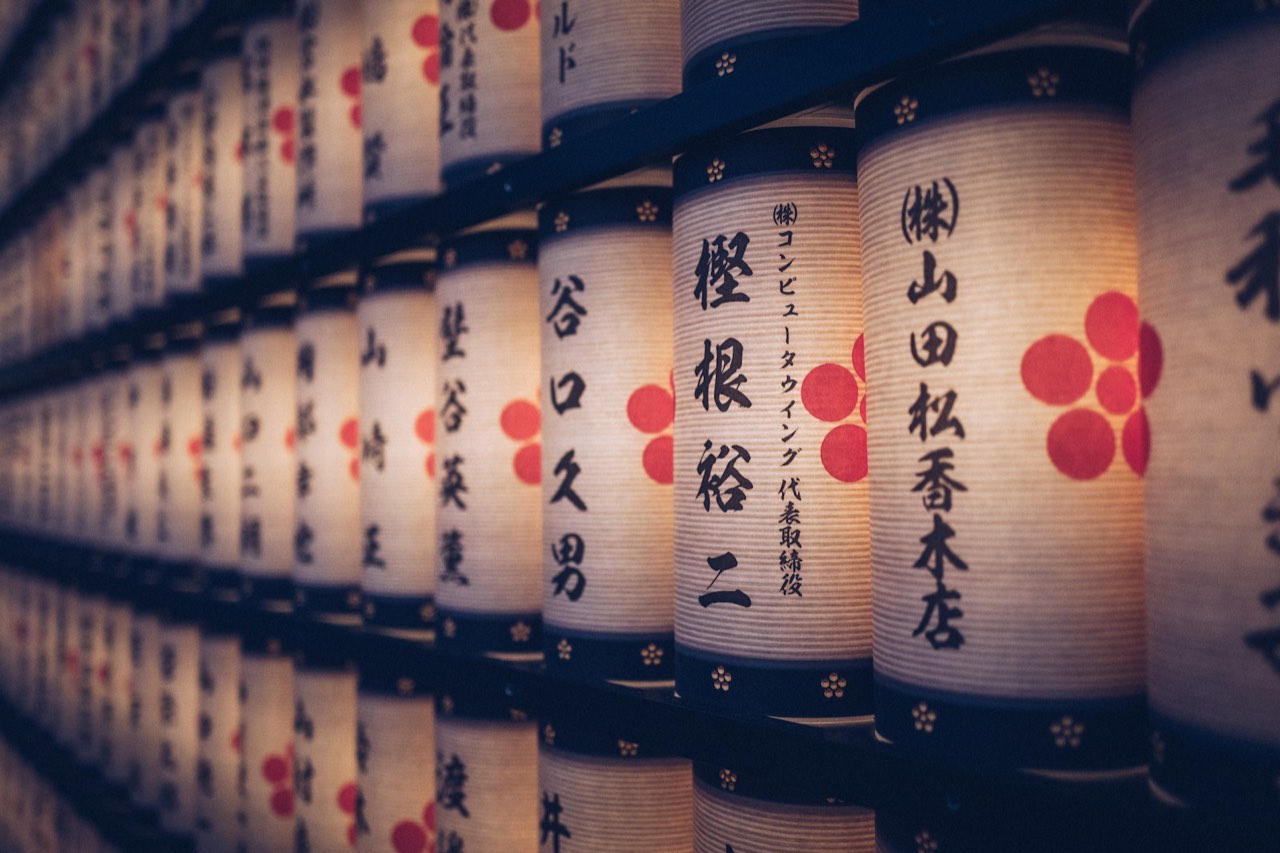
Shrine to the god of learning, famed for its February plum blossoms; the big 'Tenjin-san' flea market fills the grounds on the 25th of each month. Grounds free.
- 12:05Lunch Sarasa Nishijin
A café inside a 1930s bathhouse, its walls still covered in the original hand-painted majolica tiles — casual meals, cakes and coffee into the evening. Closed Wednesdays; a natural dinner stop after Funaoka Onsen across the lane.
- 13:05
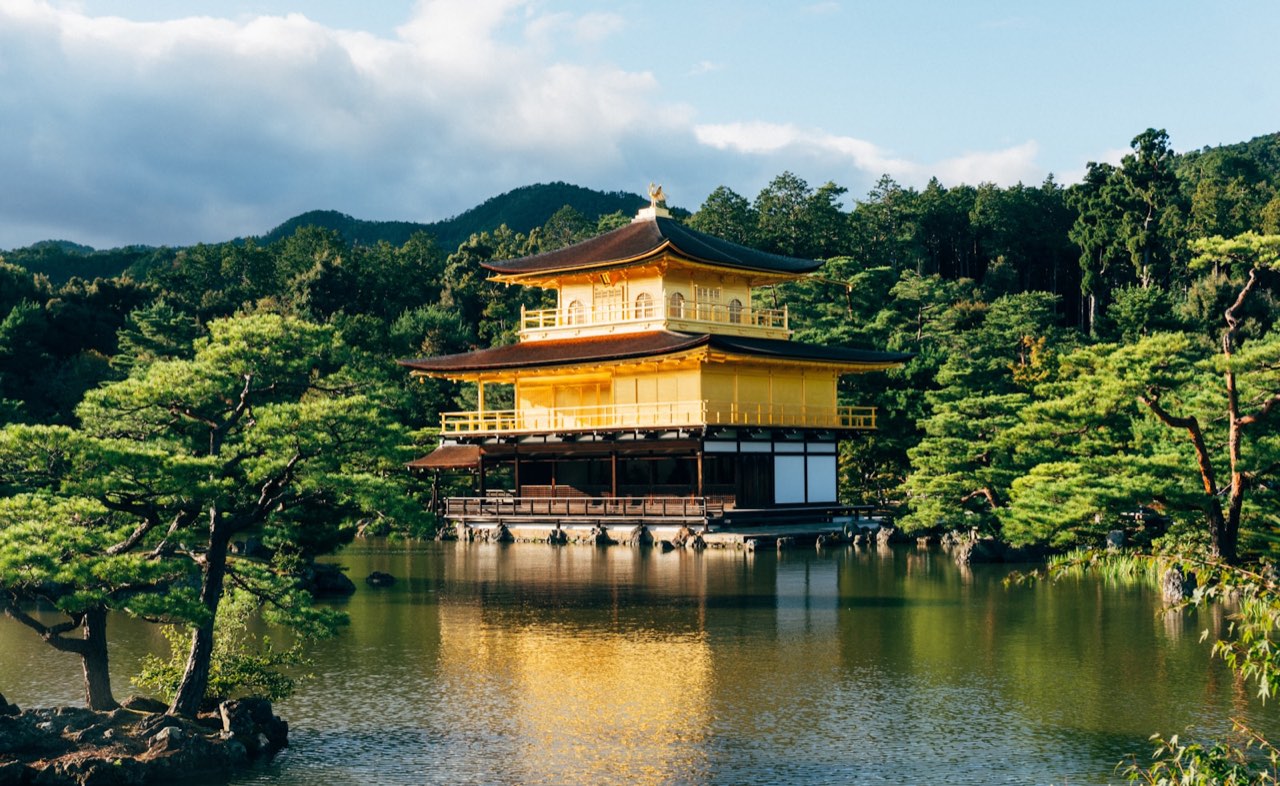
The gold-leaf pavilion mirrored in its pond — Kyoto's signature image. A short one-way garden circuit; can be busy midday.
- 14:25
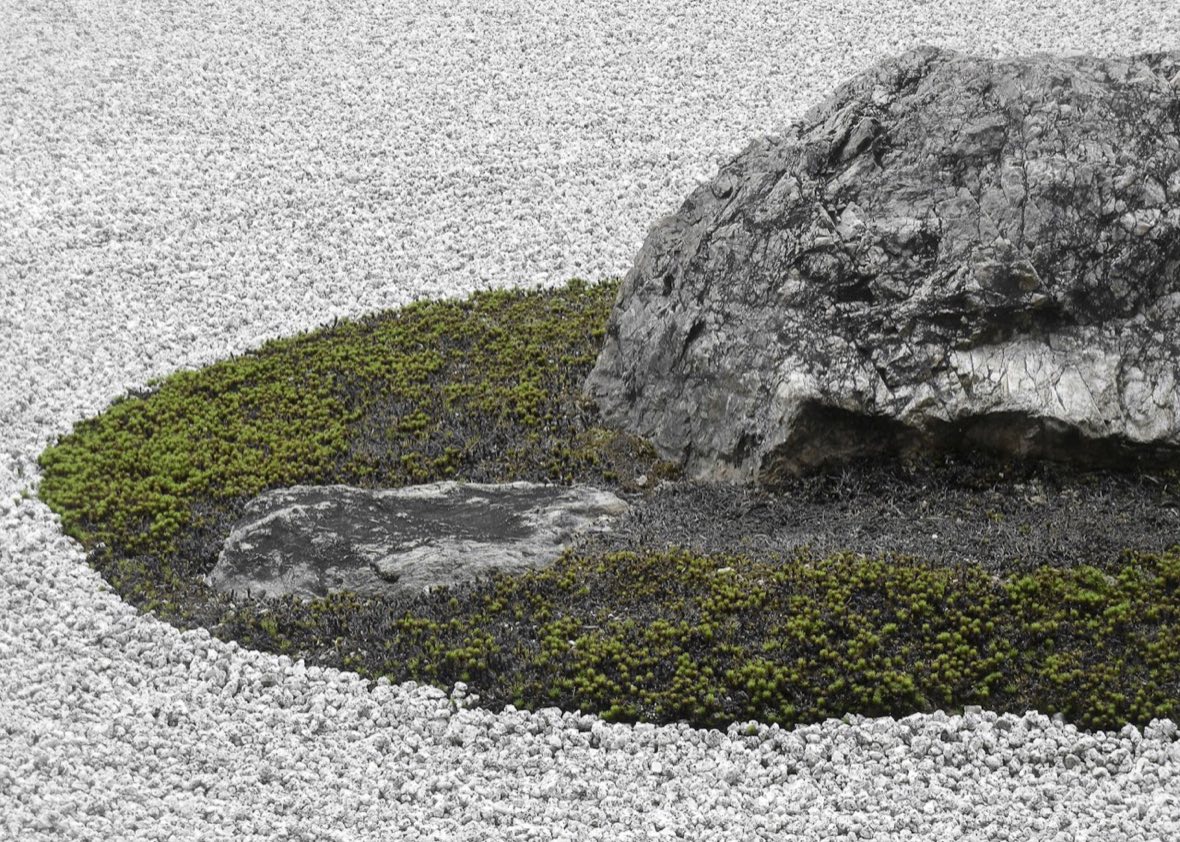
Home of Japan's most famous Zen rock garden — fifteen stones in raked gravel. Contemplative; pairs naturally with Kinkaku-ji.
- 15:25Funaoka Onsen
A working 1923 public bathhouse and registered Tangible Cultural Property — soak beneath carved wooden panels and original majolica tiles after temple-hopping. Walk-in (pay at entry, towels rentable); open every day from mid-afternoon until well past midnight, from morning on Sundays.


Day 3Okazaki & Northern Higashiyama & nearby — sights morning, shopping afternoonKyoto, 10 stops
The serene northern hills: Ginkaku-ji (the Silver Pavilion), the canal-side Philosopher's Path, Nanzen-ji's aqueduct and gardens, and the grand Heian Shrine in Okazaki's museum quarter. A slow, leafy temple-and-garden day.
- 08:00Breakfast Inoda Coffee (Honten)
Kyoto's classic old-school coffee house (since 1940) — courtyard seating, a famous breakfast set and house blend. Opens early.
- 09:00
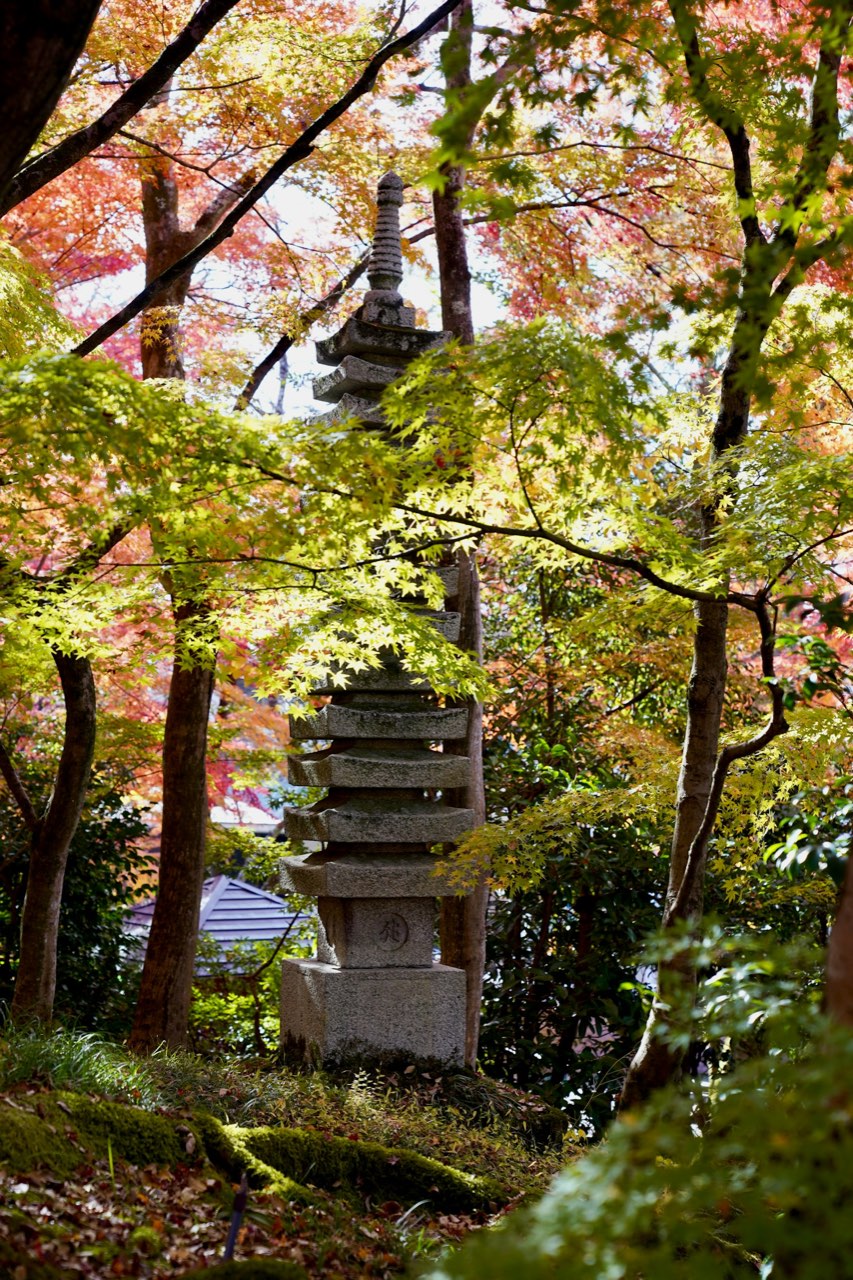
One of Kyoto's top maple-viewing temples, with a hillside pagoda and ponds — sensational in November (and crowded then). On the Philosopher's Path near Nanzen-ji.
- 10:05
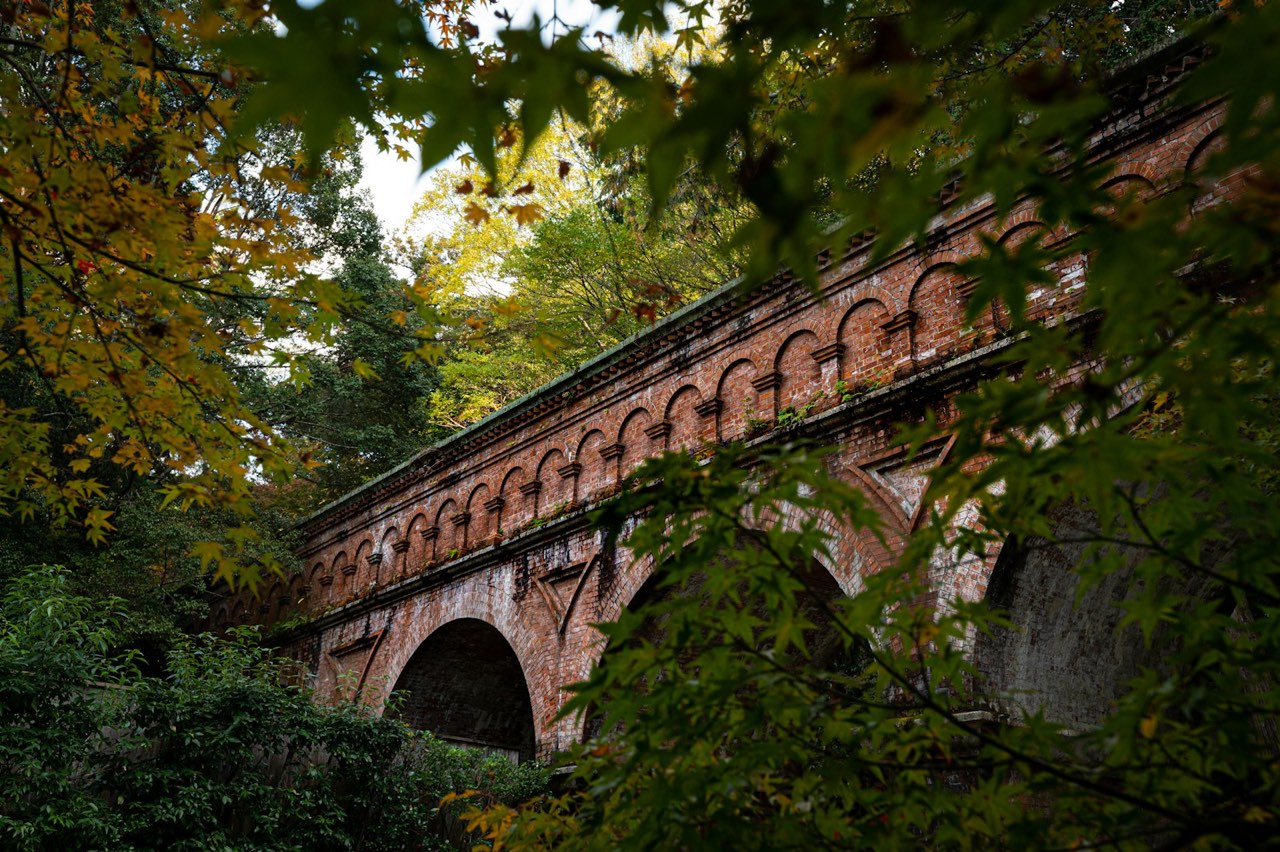
Grand head temple of its Zen school — a huge Sanmon gate you can climb, sub-temple gardens, and a photogenic brick aqueduct. Grounds free; halls/gardens ticketed.
- 11:20
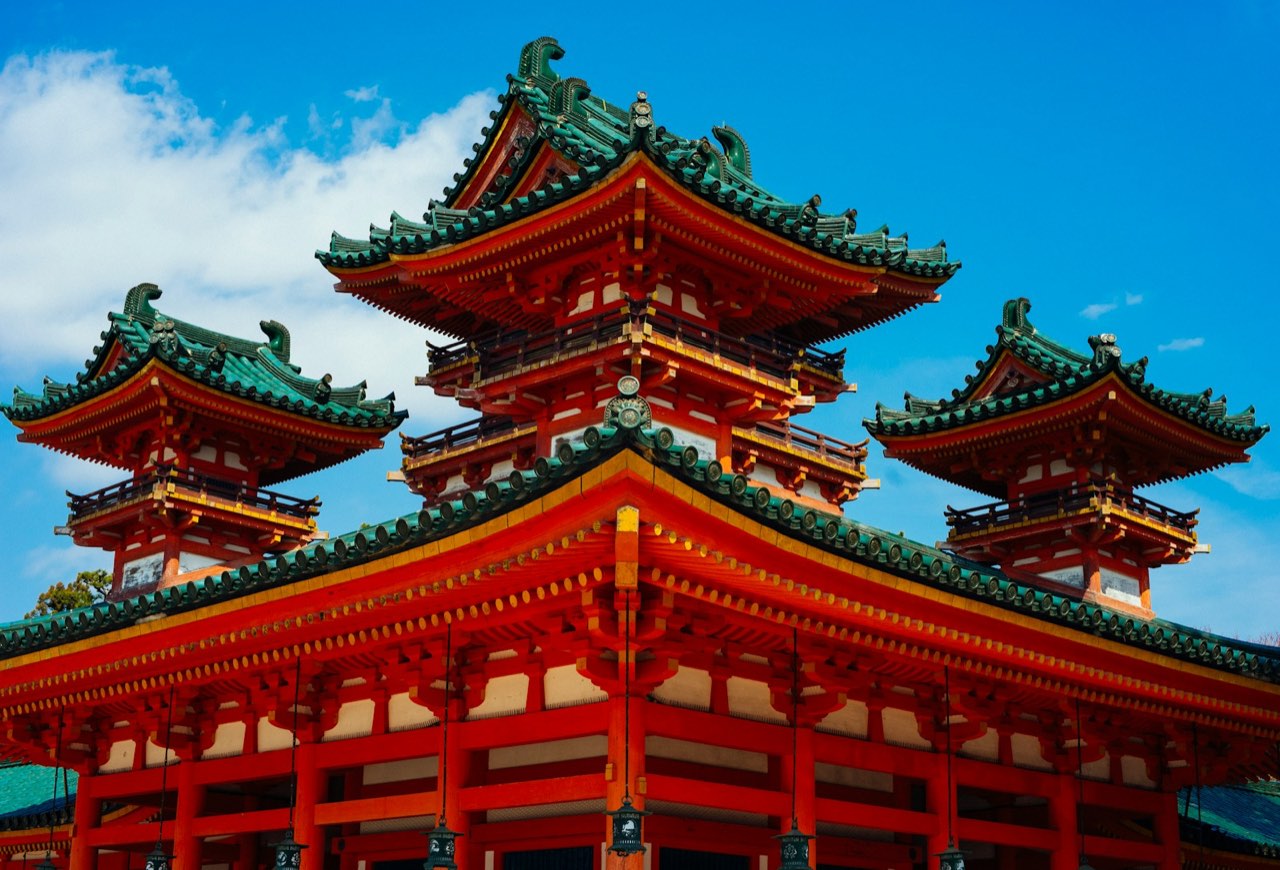
Bright vermilion shrine fronted by a giant torii in the Okazaki museum district; its strolling garden (ticketed) is lovely in cherry-blossom season. Grounds free.
- 12:20Lunch Kyogoku Kaneyo (unagi)
Long-standing eel restaurant off Shinkyogoku, famous for its fluffy omelette-topped 'kindon'. Closed Wednesdays.
- 13:20Yojiya (souvenir cosmetics)
Iconic Kyoto cosmetics brand — the aburatorigami (oil-blotting paper) is the classic, very giftable souvenir.
- 14:05Teramachi & Shinkyogoku Arcades
Twin covered shopping streets in the centre — souvenirs, fashion, drugstores, crepes and arcades. Per-shop hours vary.
- 15:20
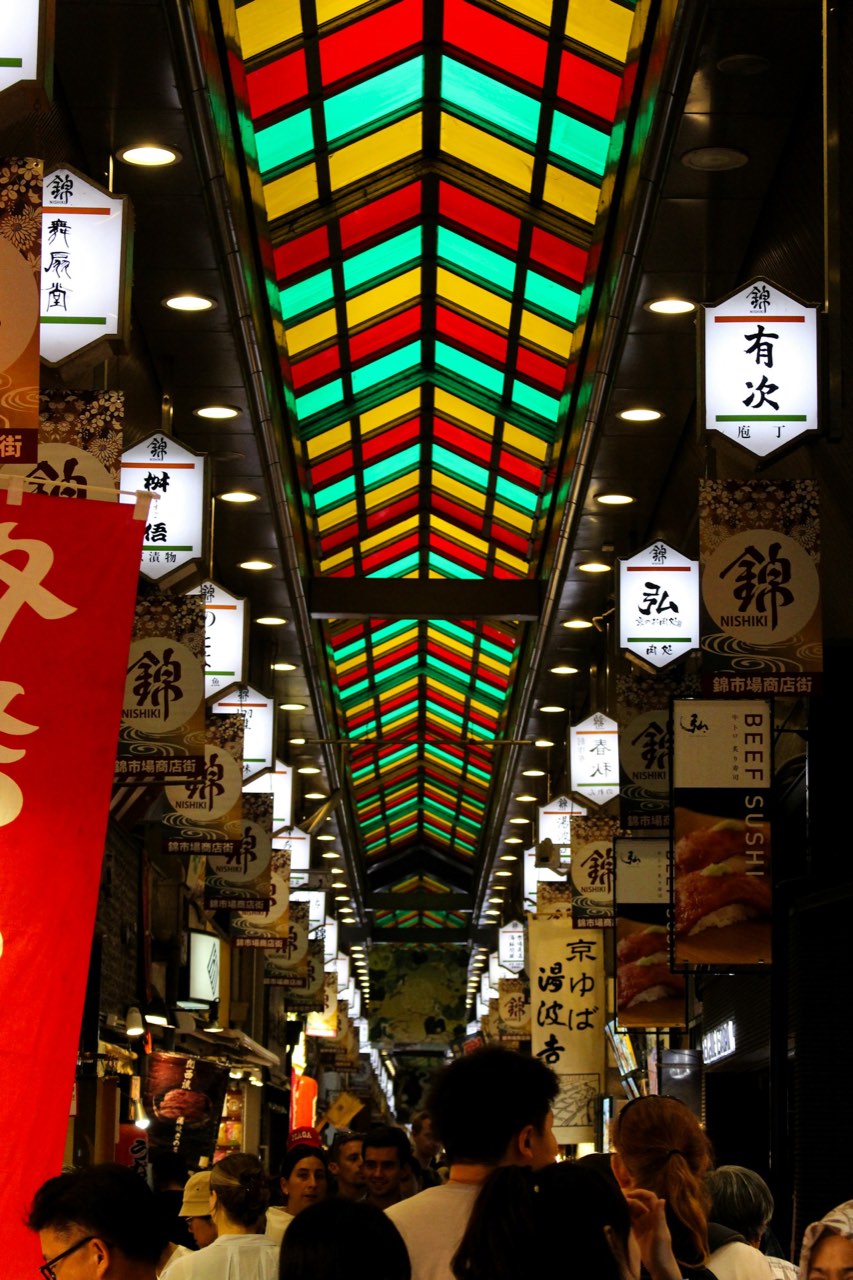
'Kyoto's Kitchen' — a narrow covered arcade of pickles, tofu, sweets, skewers and tea. Best mid-morning to mid-afternoon; some stalls discourage walk-and-eat.
- 16:35Don Quijote (Kawaramachi)
Multi-floor discount store on the Kawaramachi corner — souvenirs, snacks, cosmetics and tax-free shopping, open late.
- 17:35Dinner Junsei (yudofu)
Classic Nanzen-ji yudofu (hot tofu) course in a historic garden villa — the area's signature meal. Veg-friendly; reserve for the garden rooms.


Day 4Mt Shosha & Engyō-ji & nearby — a temple dayHimeji, 6 stops
A forested mountain north-west of town, climbed by ropeway to the sprawling 1,000-year-old Engyō-ji temple complex — cliff-built halls, ancient timber sanctuaries used as a film set for 'The Last Samurai', and cedar-shaded pilgrim paths. A serene half-day above the castle bustle.
- 08:40Check out of your stay
- 10:00
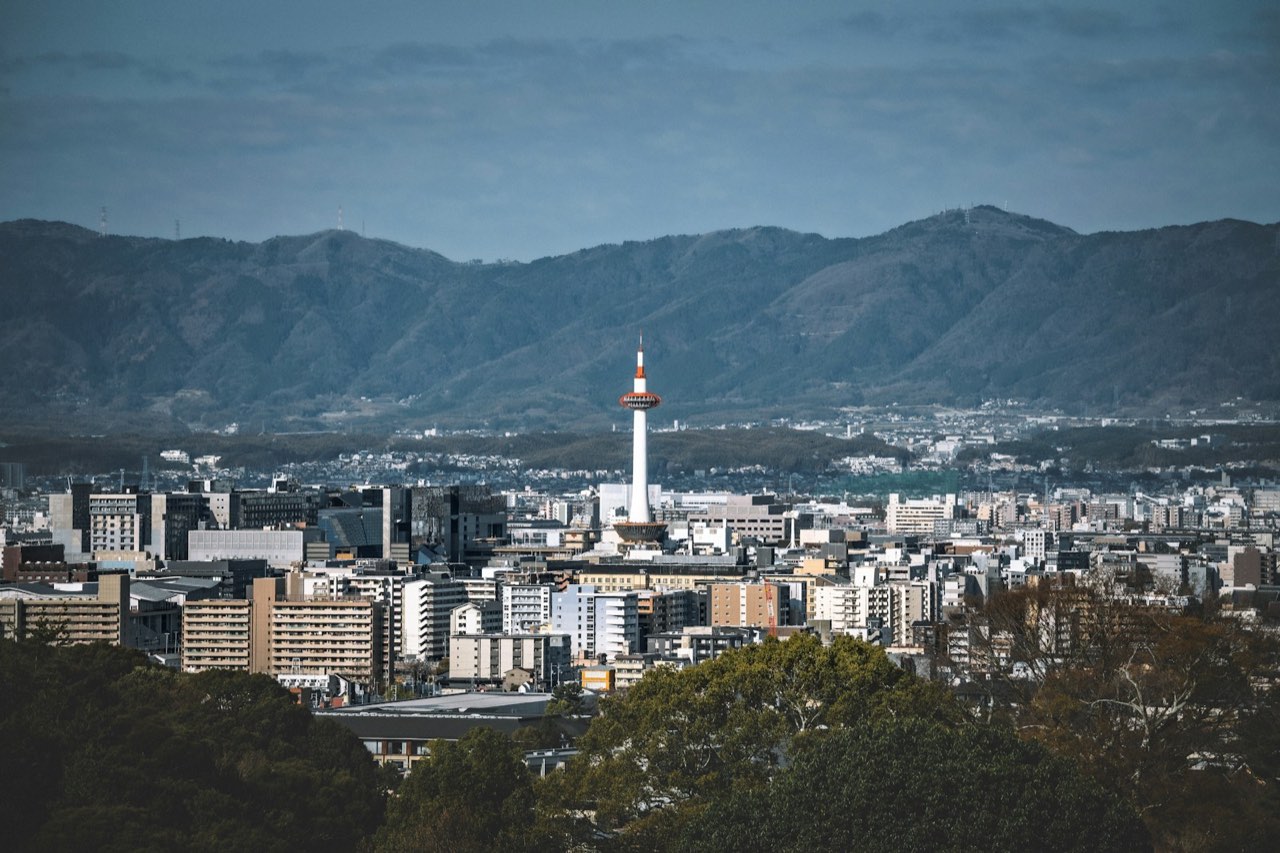
The retro tower opposite Kyoto Station; its observation deck gives a 360° city panorama, best at dusk. Convenient first or last stop.
- 10:55
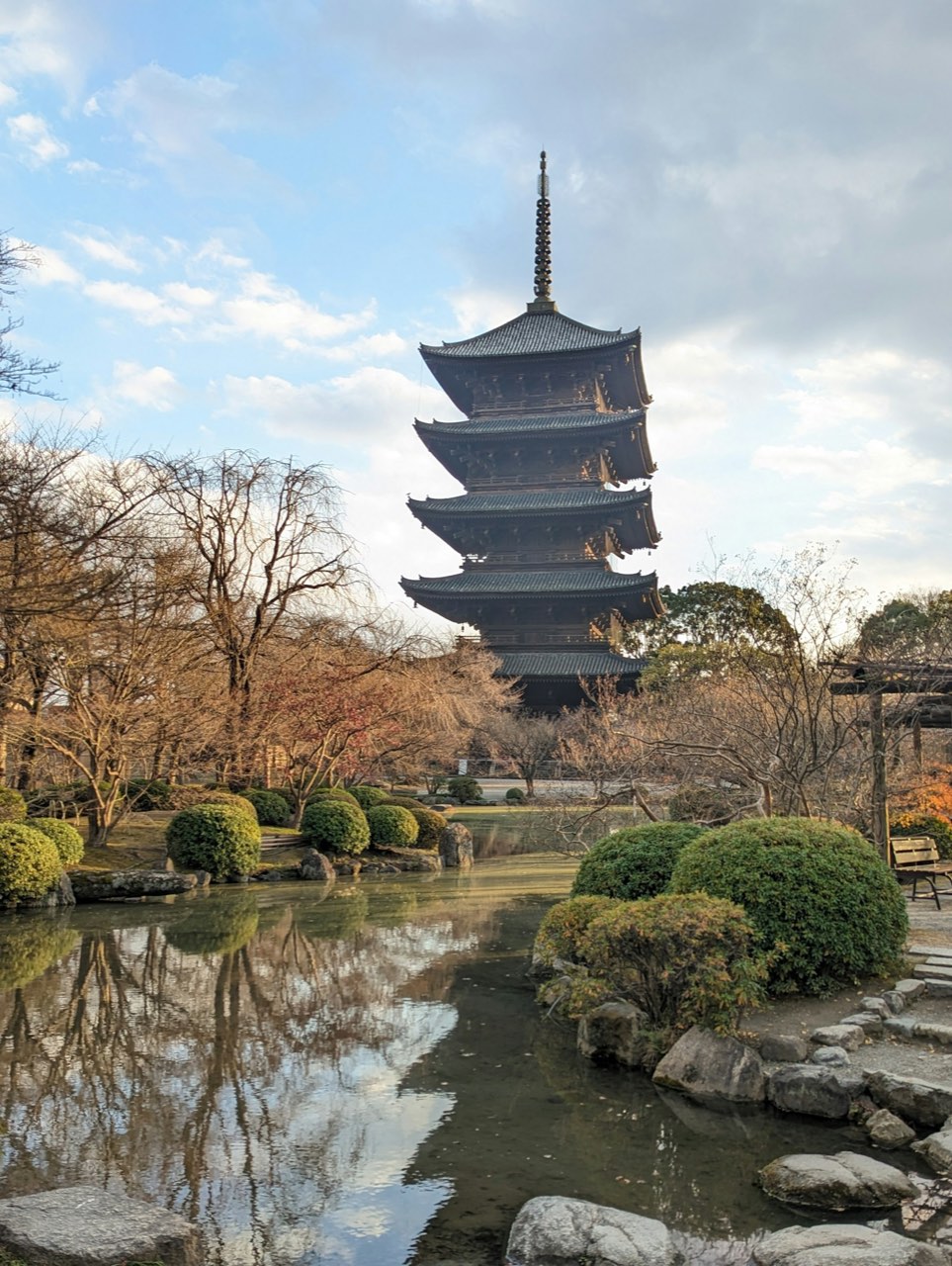
Home of Japan's tallest wooden pagoda, a short walk from Kyoto Station. The grounds open very early; a big antiques-and-food flea market fills the temple on the 21st of each month.
- 11:55Shinkansen
- 12:49Drop your bags at your stay
- 13:19Lunch Jukei-an (shōjin temple cuisine)
The temple's hall for shojin-ryori, the refined Buddhist vegetarian cuisine, served April-November only. Honzen course only, minimum five people, and reserve by phone at least three days ahead via the temple office - plan this one, don't wing it. Cash only.
- 14:19
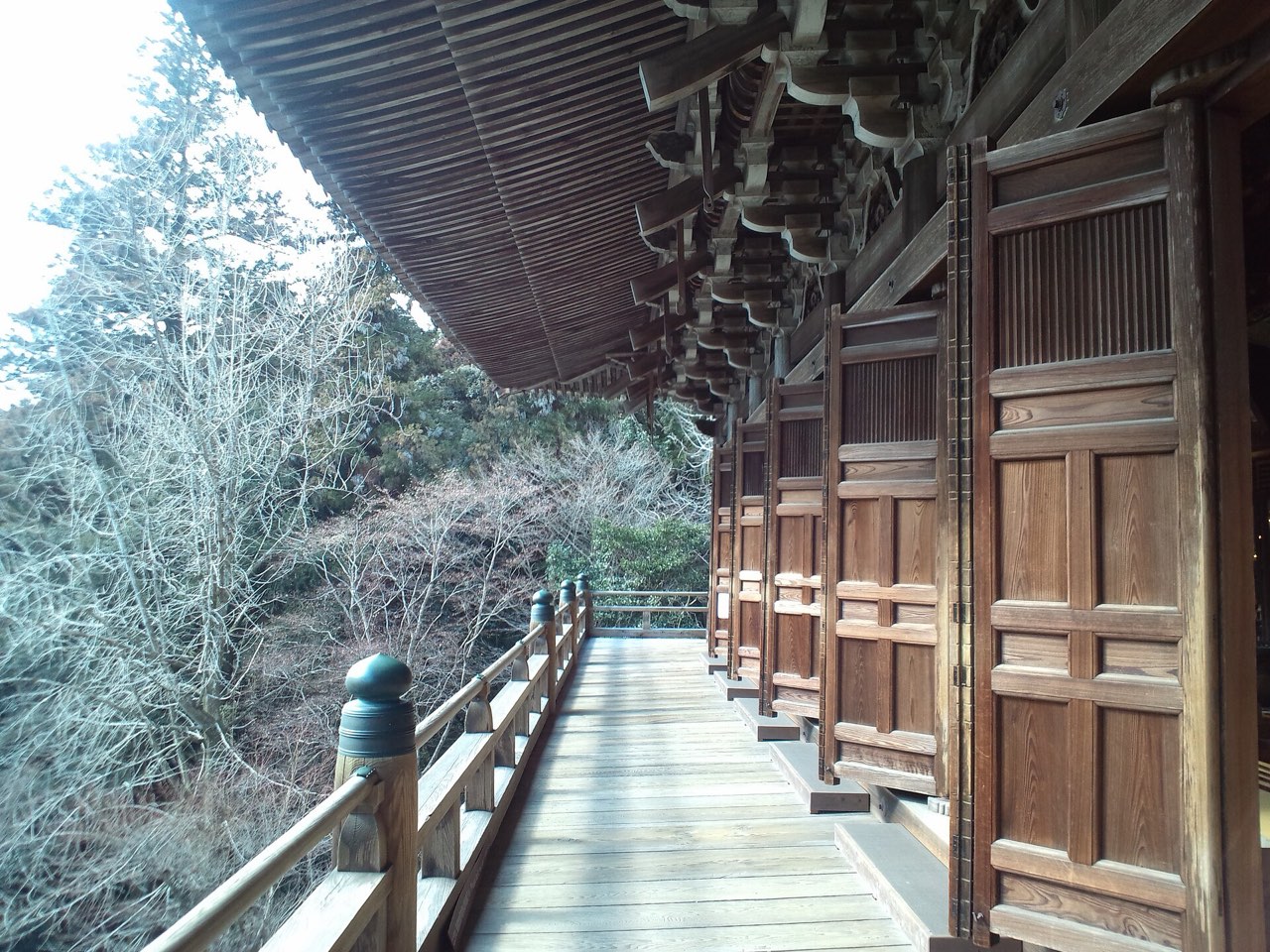
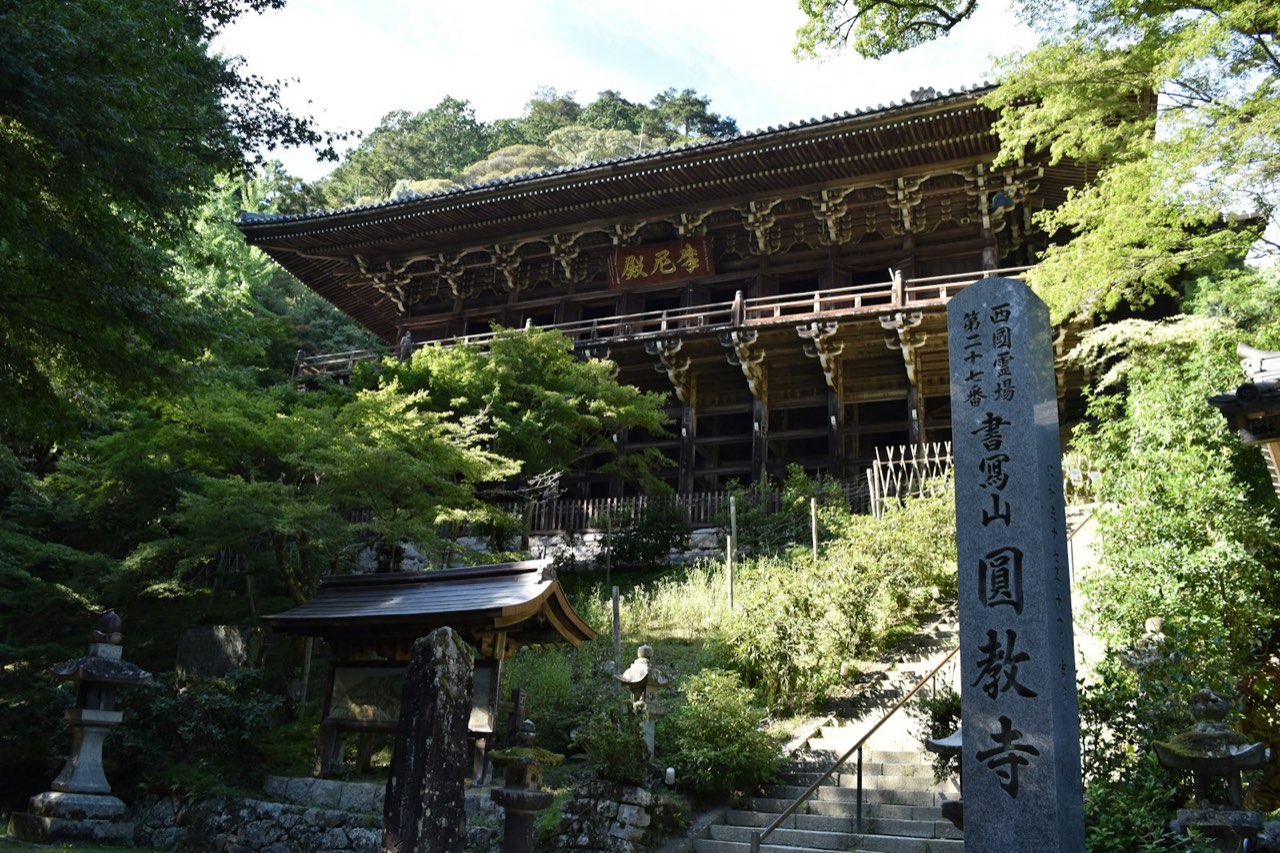
The dramatic main hall of Engyō-ji, built out on stilts against the mountainside like a smaller Kiyomizu-dera, reached up a forest path of stone lanterns. The spiritual heart of Mt Shosha; a temple admission applies and the approach involves steps and slopes.
- 15:19
A solemn quadrangle of three great timber halls — the Daikōdō lecture hall, dining hall and common hall — deep in the cedars, famous as a filming location for 'The Last Samurai'. Atmospheric and serene; reached on foot through the woods, with steps.
- 16:19
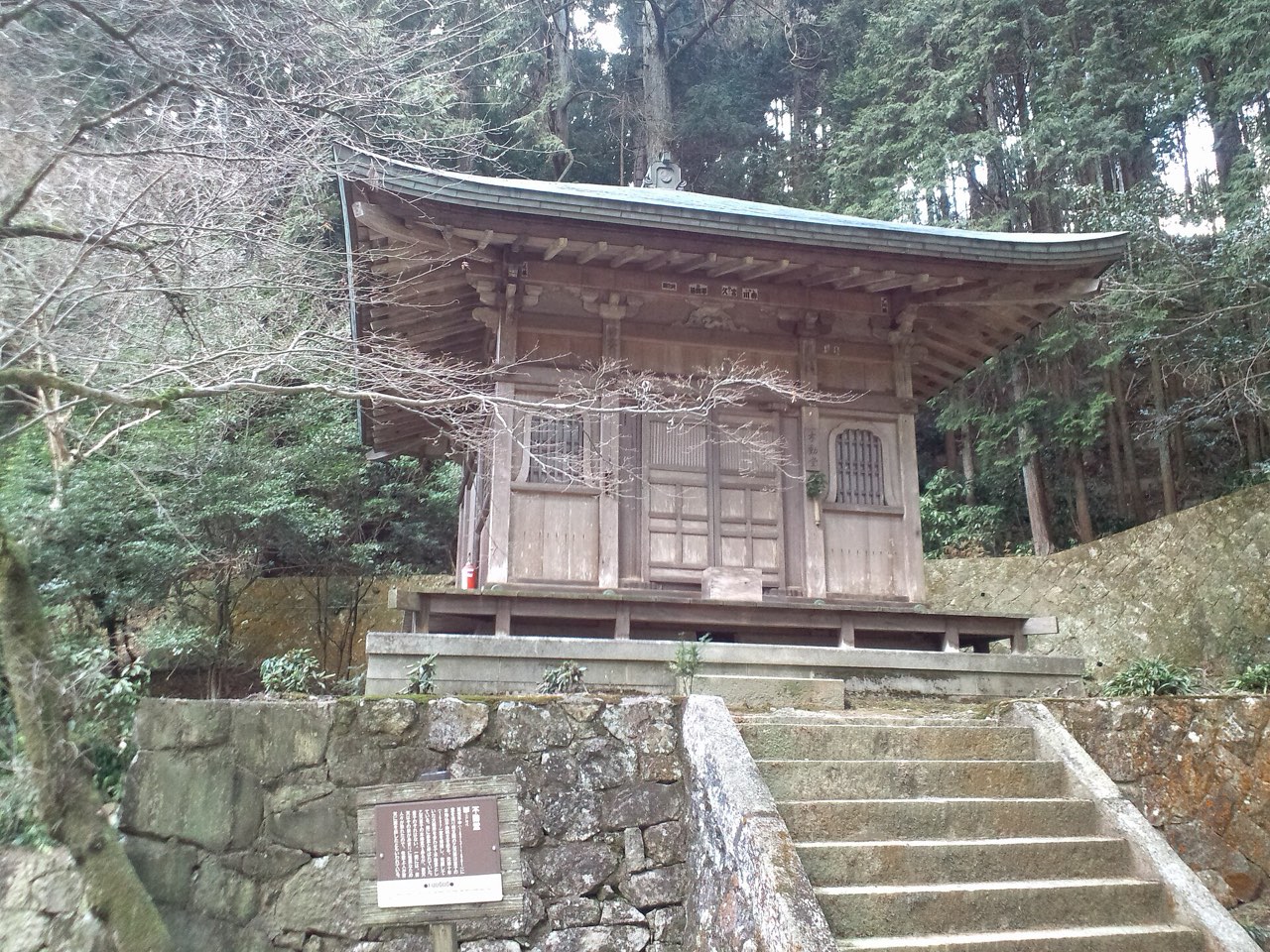
The quiet inner sanctuary of Engyō-ji, with the founder's hall and ancient cedars beyond the main complex — the deepest, stillest part of the mountain. Included in the temple grounds; a peaceful forest walk over uneven paths.


Day 5Miyajima Island & nearby — a sights dayHiroshima, 6 stops
The sacred island of Itsukushima in Hiroshima Bay, where a vermilion shrine and its great torii appear to float at high tide, tame deer roam the lanes, and a ropeway climbs holy Mt Misen for bay views. A full, magical day-trip — reached by a short ferry from Miyajimaguchi.
- 08:40Check out of your stay
- 09:00
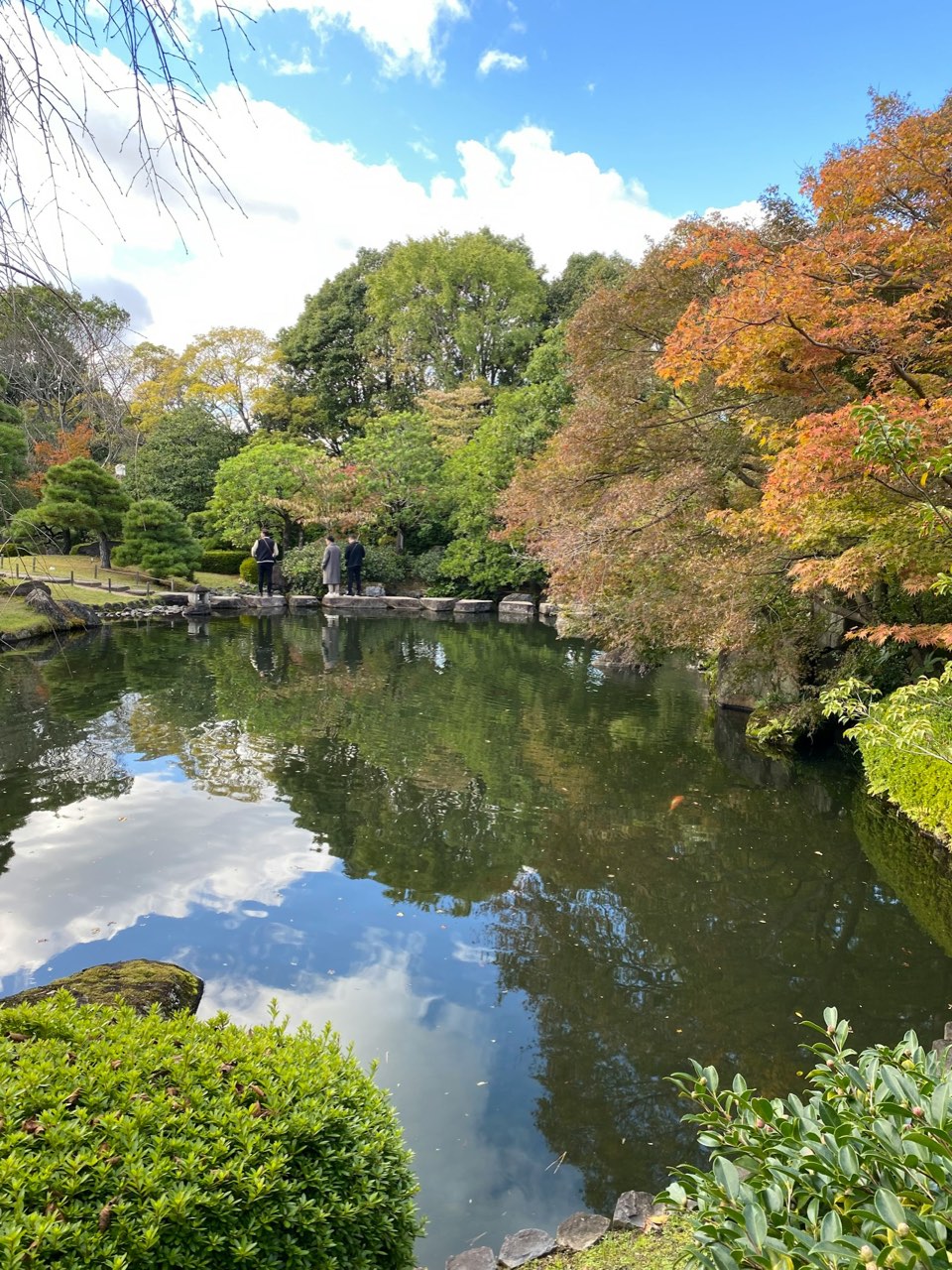
A beautiful Edo-style garden complex of nine walled gardens beside the castle, built on former samurai residences, with ponds, a tea house and castle-wall views. Mostly flat, gravel paths; a combined castle-and-garden ticket is good value, and it's a calm contrast to the keep.
- 10:00
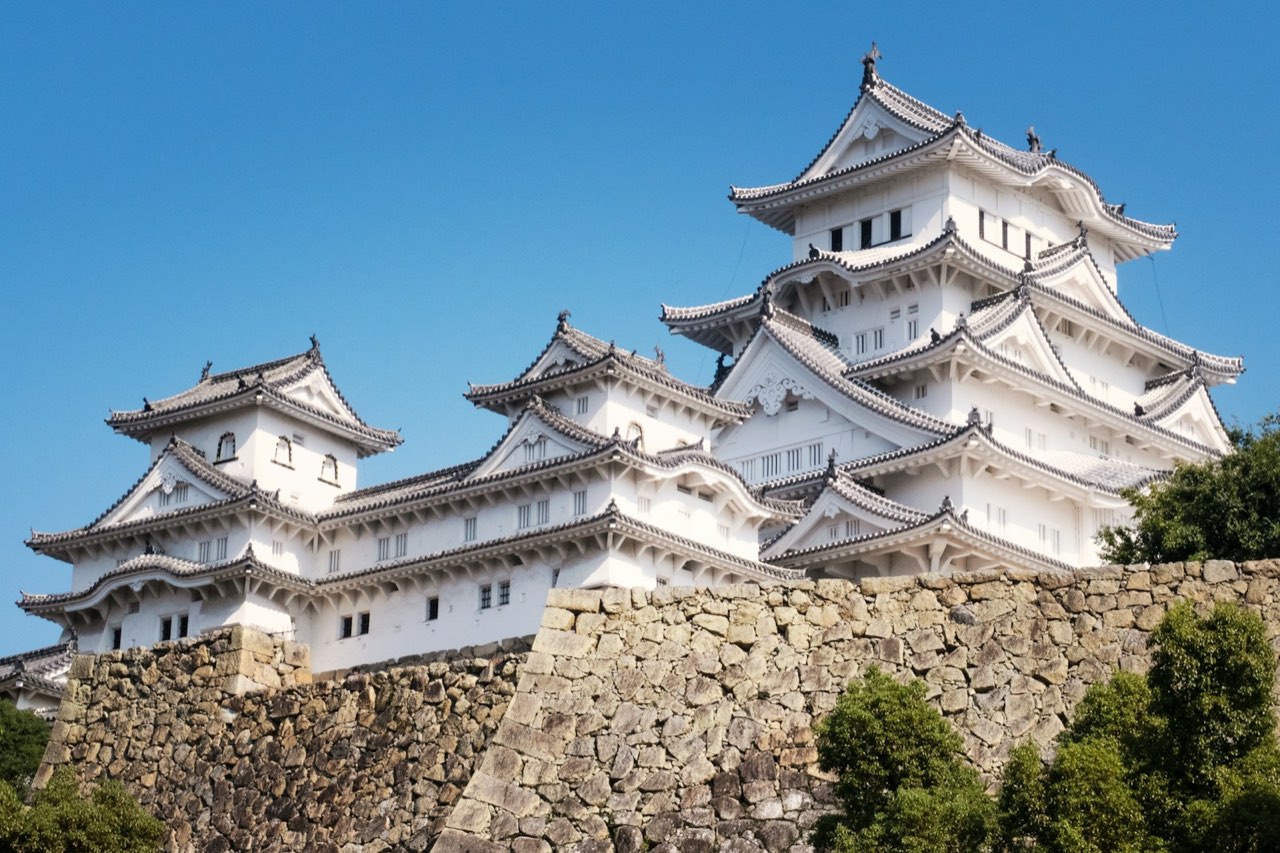
Japan's most magnificent original castle, a brilliant-white hilltop maze of 1609 keeps, gates and walls — a UNESCO World Heritage site nicknamed the 'White Heron'. The grounds and lower bailey are flat and accessible, but the main keep is climbed by very steep, narrow original wooden stairs (shoes off, no lift) — not wheelchair- or stroller-accessible inside. Arrive early; entry can be capped on peak days.
- 12:00Shinkansen
- 13:30Drop your bags at your stay
- 14:00Lunch Momijido (momiji-manju & fried momiji)
A celebrated maker of momiji-manju — the maple-leaf-shaped cakes that are Miyajima's signature sweet — and the original of the deep-fried 'age-momiji' on a stick. A perfect warm walking snack on the Omotesando; eat the fried one fresh.
- 15:00
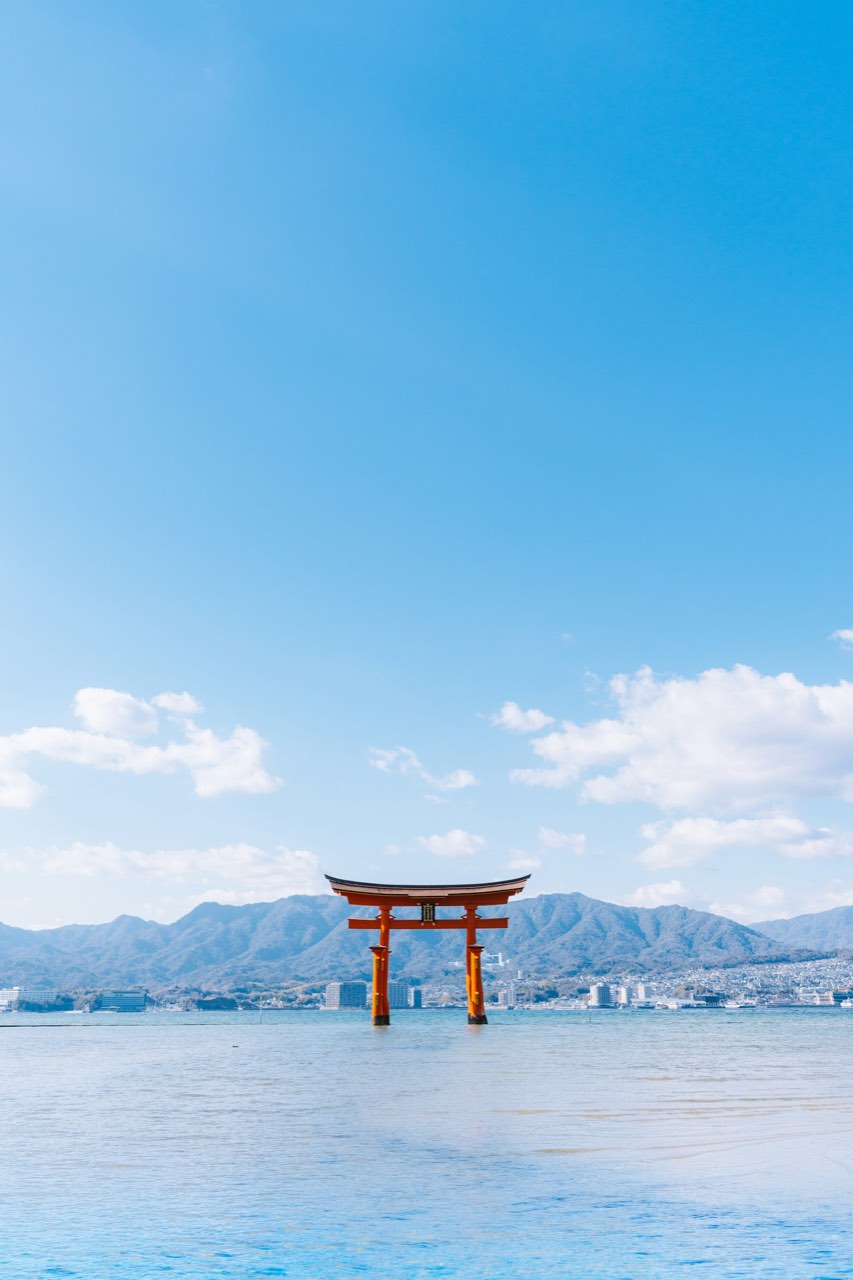
The 16-metre vermilion gate standing in the sea before the shrine — Japan's most photographed torii, 'floating' at high water and reachable on foot across the sand at low tide. Free to view any time; magical at sunset and when lit after dark.
- 15:45
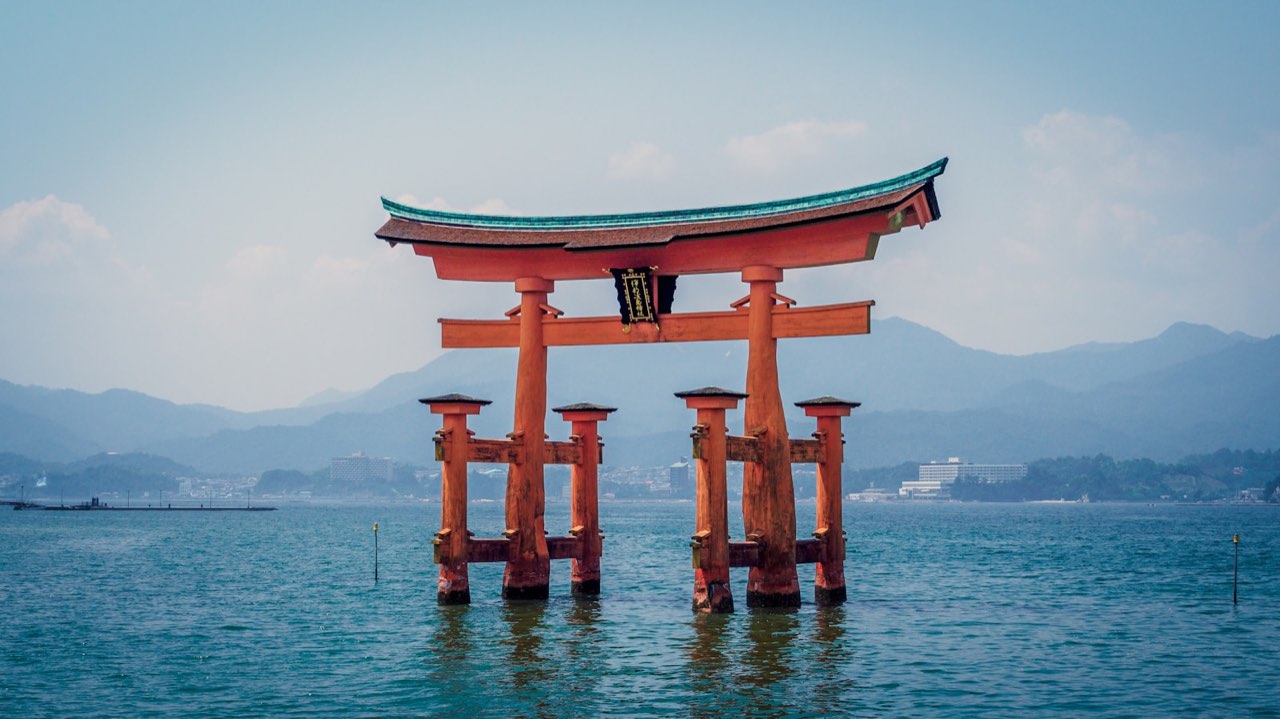
The UNESCO-listed shrine built on stilts over the sea, its corridors and great red torii appearing to float at high tide and standing on the sand at low tide (when you can walk out to the gate). A small admission; check the tide table to plan your visit, and arrive early to beat the day-trip crowds.
- 17:00Miyajima Omotesando Shopping Street
The lively lane from the pier to the shrine, lined with shops for momiji-manju cakes, hand-carved rice scoops (a Miyajima craft) and grilled-oyster and street-food stands. Tame deer mingle with the crowds; per-shop hours follow the ferry timetable.


Day 6Peace Memorial Park & nearby — a sights dayHiroshima, 11 stops
The green riverside heart of modern Hiroshima, laid out where the bomb fell in 1945 — the skeletal A-Bomb Dome, the moving Peace Memorial Museum, the cenotaph and eternal flame, and the Children's Peace Monument. Flat, paved and fully stroller- and wheelchair-accessible; a sobering, essential half-day.
- 07:40Check out of your stay
- 08:00Breakfast Caffe Ponte
An Italian café-bar on the river terrace by the A-Bomb Dome, open from breakfast for coffee, pasta and aperitivo with a waterside view. A pleasant, accessible refuel right by the Peace Park; the terrace is lovely in good weather.
- 08:30
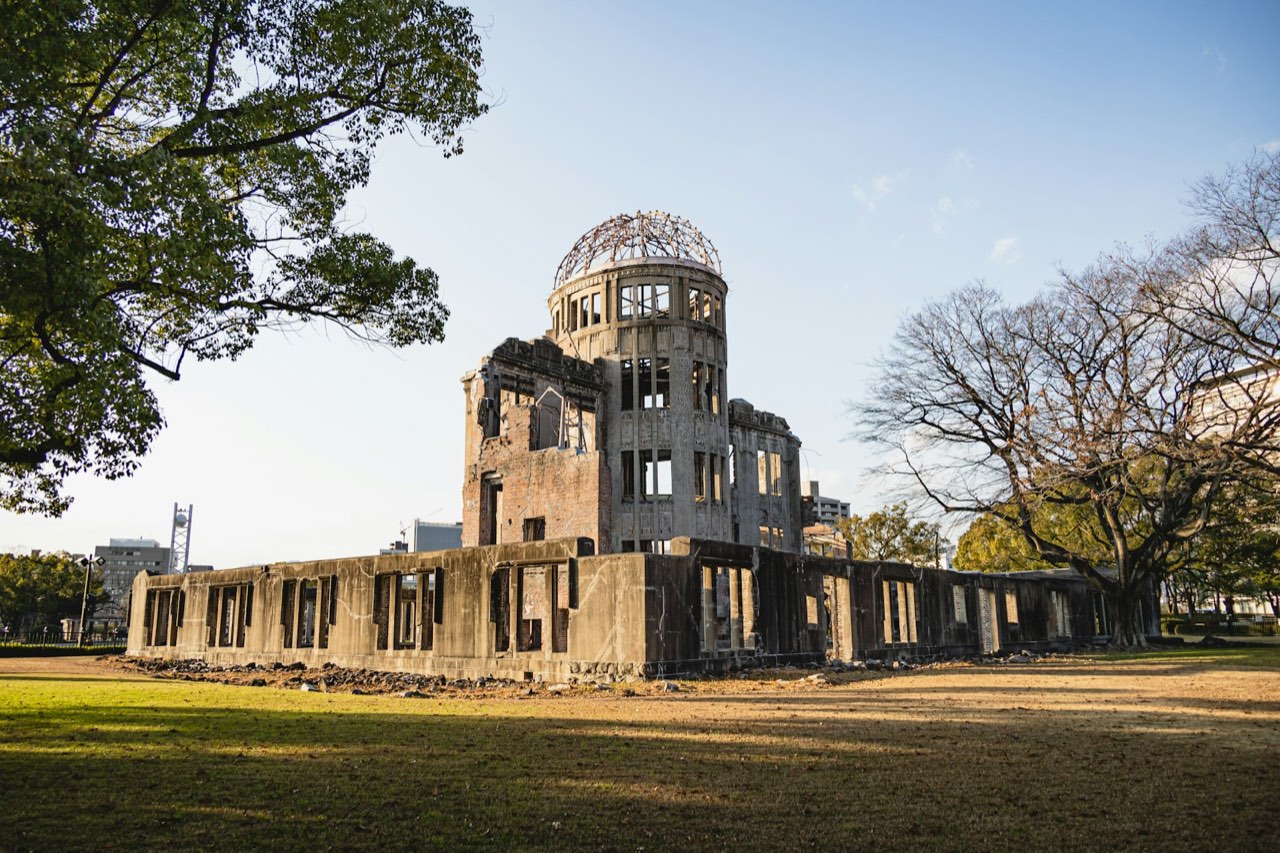
The gutted, dome-topped ruin left almost directly below the 1945 blast and preserved as a UNESCO World Heritage peace memorial. Viewed from the riverside walk around it (no interior access); always open, free, flat and stroller-friendly — most powerful at dusk when lit.
- 09:15
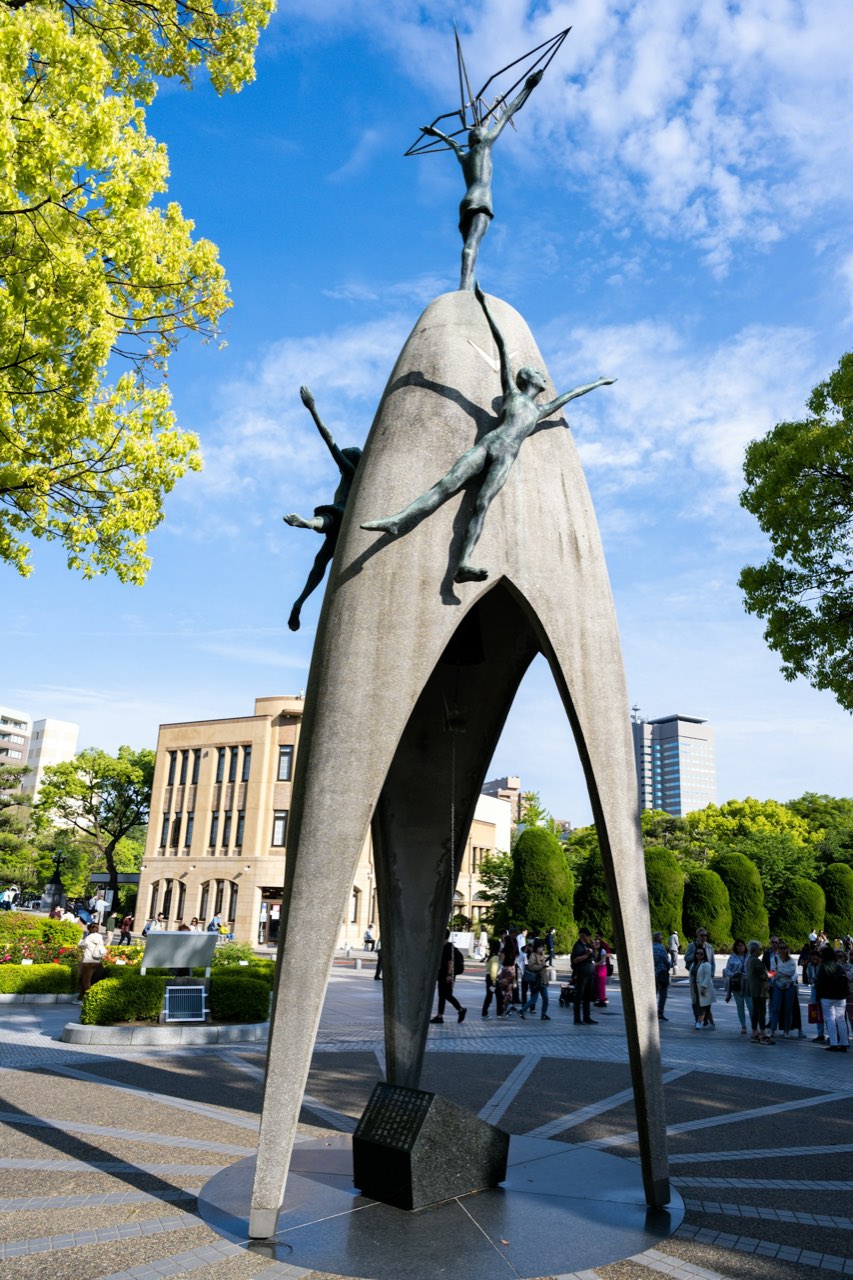
The monument to Sadako and the child victims, ringed by glass cases of thousands of folded paper cranes sent from around the world. A short, moving stop on the park walk; always accessible.
- 09:45
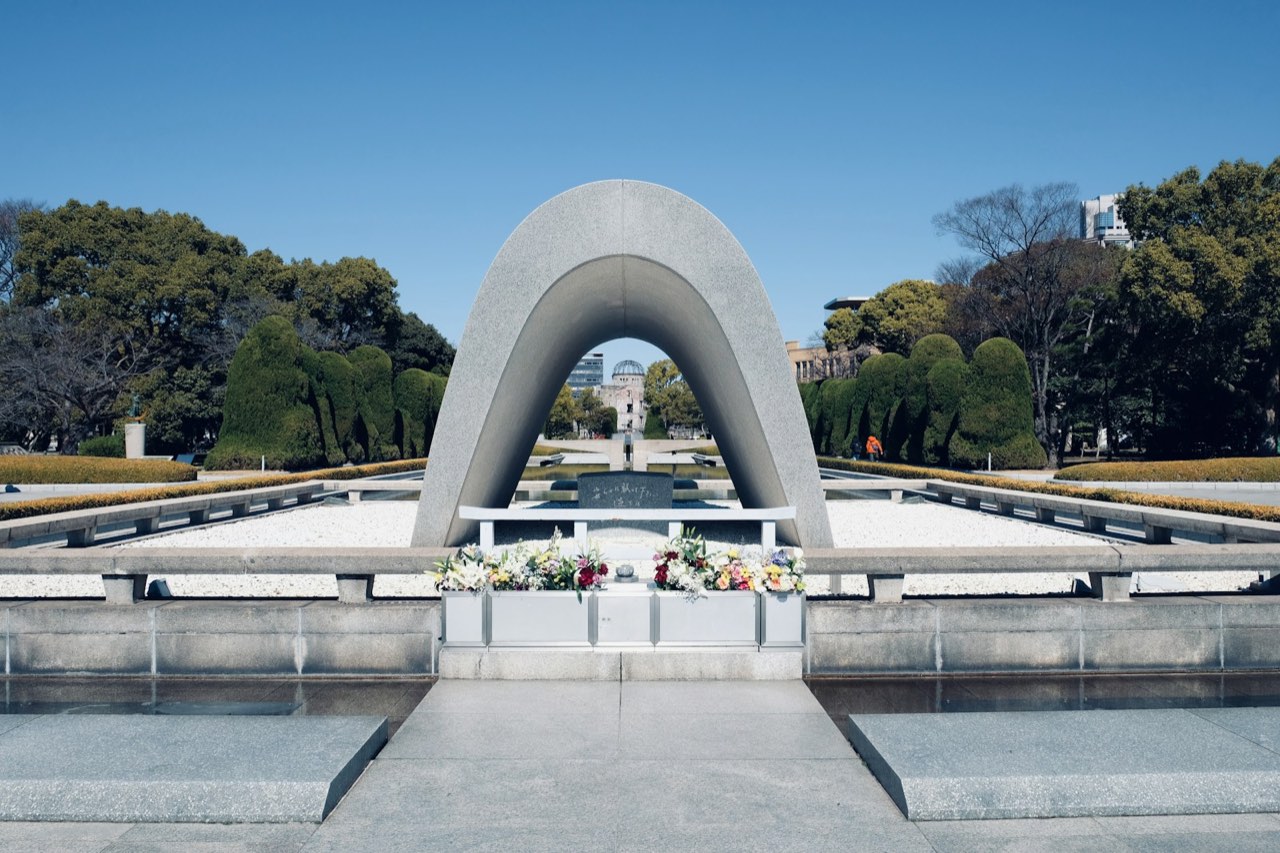
The wide riverside park linking the museum and the Dome, with the arched cenotaph framing the eternal flame and the Dome beyond. Flat, open and free to wander; a calm space for reflection between the museum and the monuments.
- 10:45
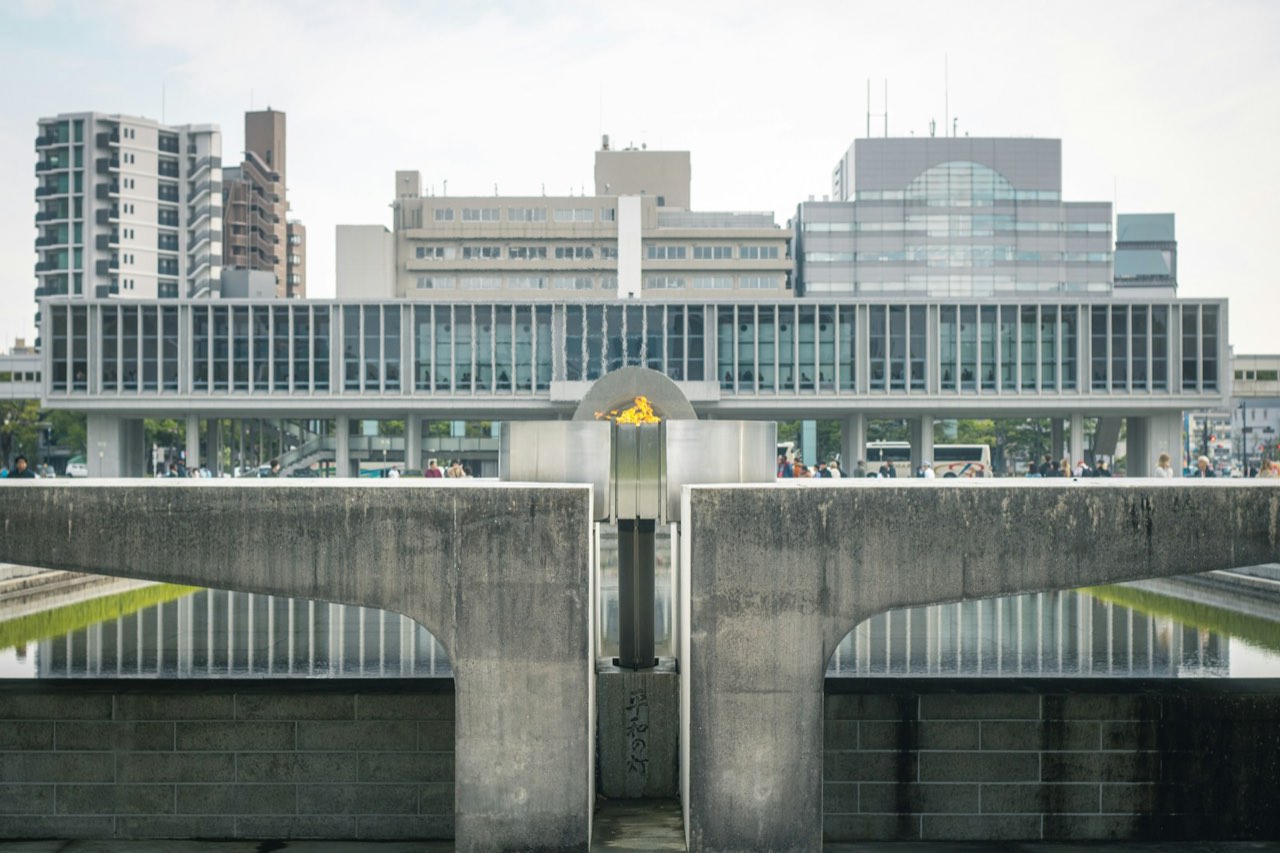
The deeply affecting museum documenting the atomic bombing and its human toll, rebuilt with a strong, modern exhibition. Sobering and not for very young children, but step-free and pram-accessible; allow time and expect emotion. Hours shorten in winter.
- 12:30Lunch Okonomimura
A building of stacked stalls each griddling Hiroshima-style okonomiyaki — layered with noodles, cabbage and egg rather than mixed. The classic place to try the city's signature dish; pick any counter and watch it cooked on the teppan. Stall hours vary.
- 13:30Hondori Shopping Arcade
The long covered shopping arcade at the city's heart — fashion, drugstores, sweets and cafés, all weatherproof and flat. The natural strolling spine of downtown, a few minutes from the Peace Park; per-shop hours vary.
- 14:30
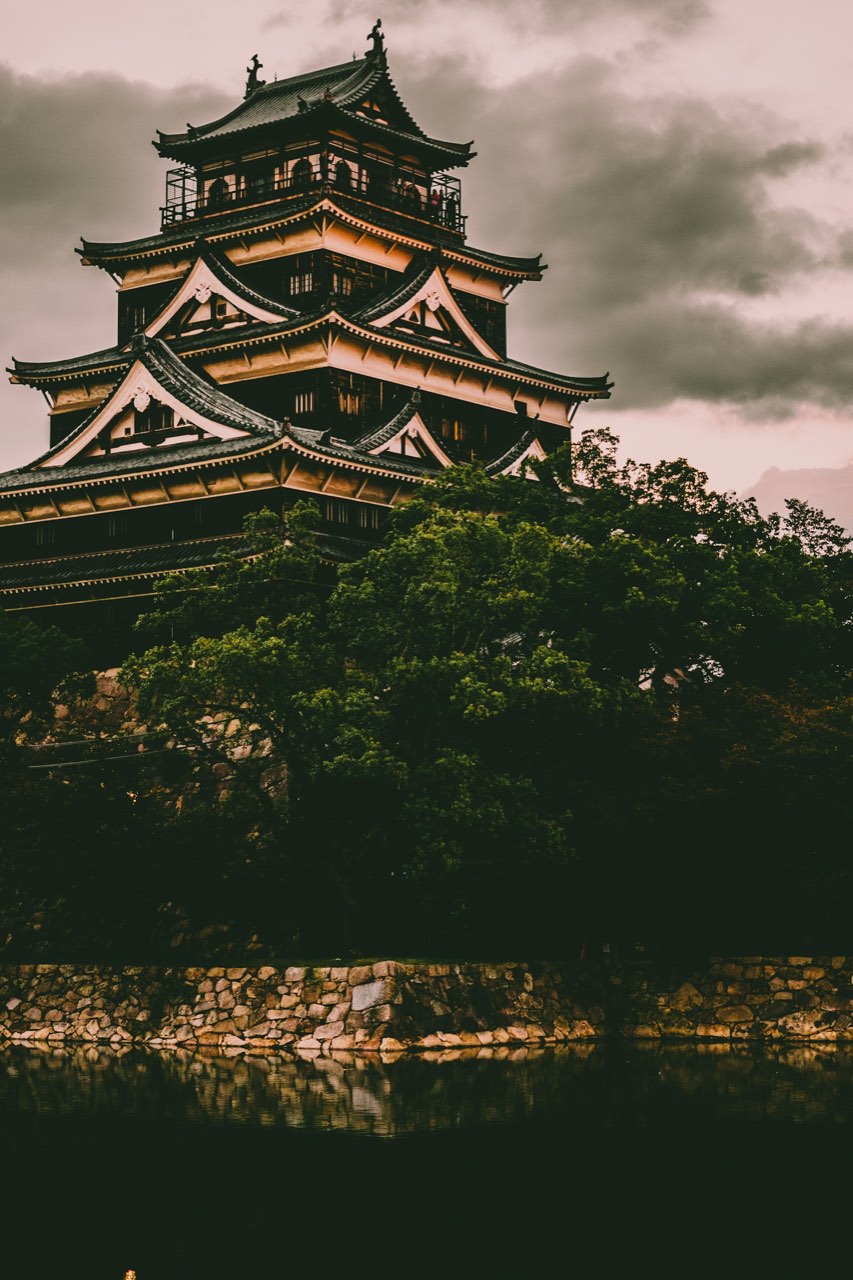
A faithful 1958 reconstruction of the 1590s 'Carp Castle' destroyed in 1945, set in a moated park with a history museum inside the keep and shrine grounds around it. The park is flat and free; the keep has stairs and lovely top-floor views.
- 15:45
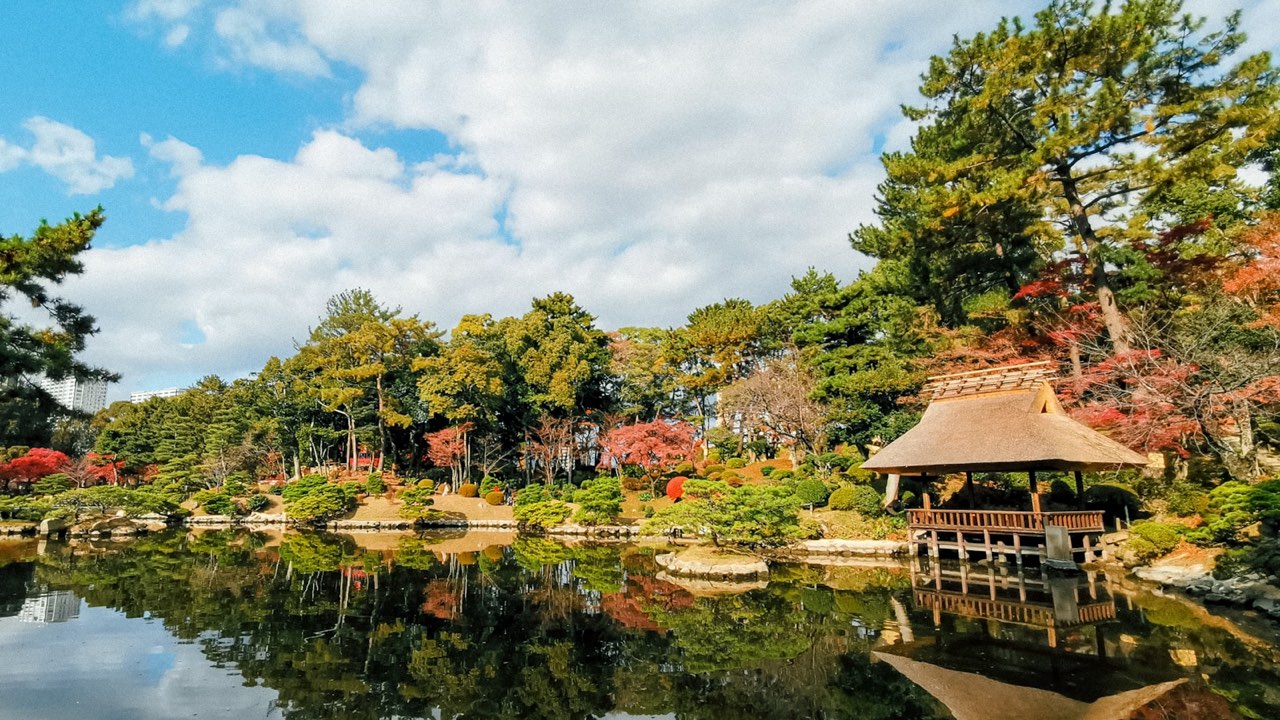
A compact, exquisite Edo-period strolling garden of miniature landscapes around a central pond, with a tea house and seasonal colour. A serene break from the city; mostly level paths with a few stepped bridges.
- 16:50
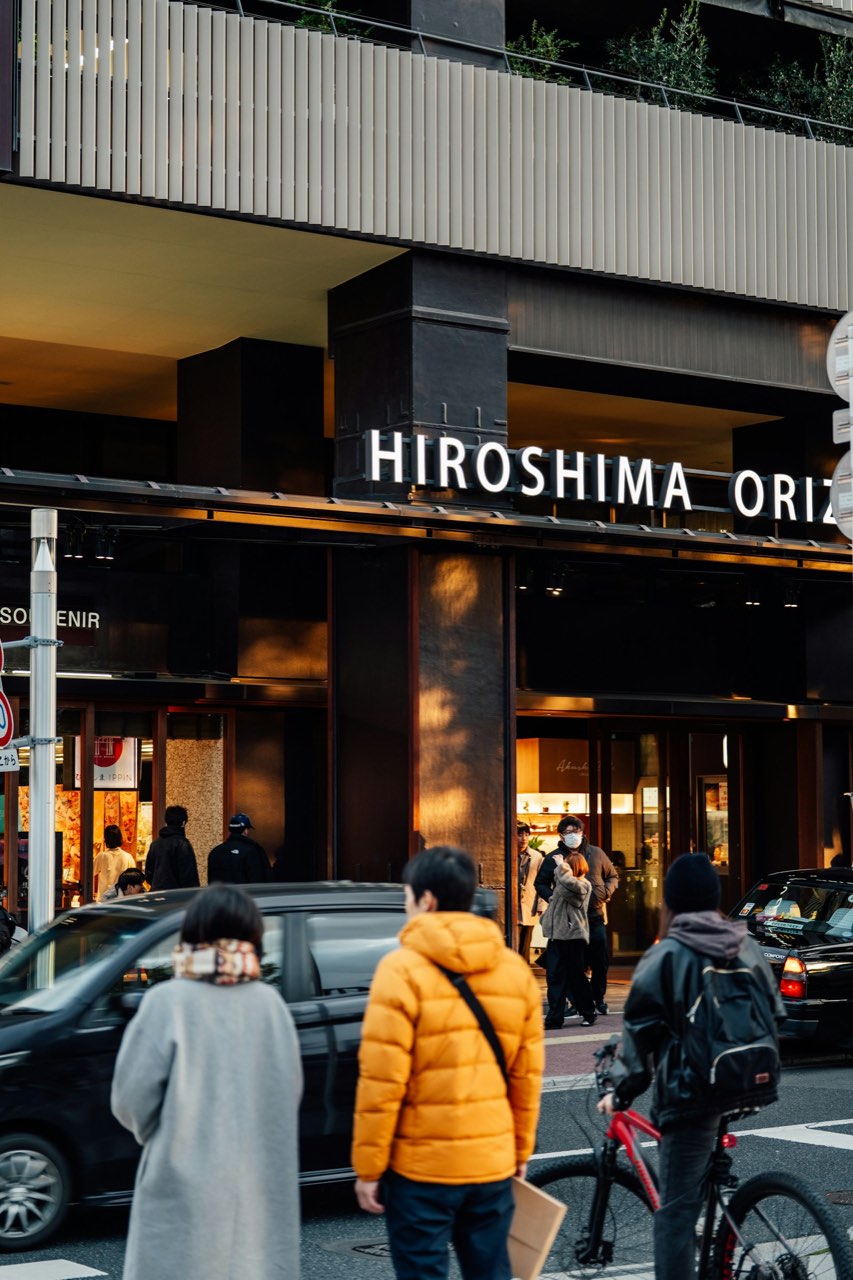
A modern tower beside the A-Bomb Dome with an open-air rooftop look-out over the Dome and city, a paper-crane drop wall and a ground-floor café and shop. A gentler, hands-on complement to the memorials and good with kids; lift access throughout.
- 17:50Dinner Kaki-fune Kanawa (oyster boat)
A celebrated 'kaki-fune' — a traditional oyster boat moored on the Motoyasu River near Peace Bridge — serving refined oyster courses (raw, grilled, in hotpot) in tatami rooms over the water. An atmospheric, special-occasion meal a short walk from the Peace Park; reserve ahead, winter is peak oyster season.


