
The Golden Route — Tokyo, Kyoto & Osaka in 10 days
- 10 days, 3 cities
- Balanced pace
- About 45 min walking a day
The Golden Route is the trip most people picture when they think of Japan, and it is easy to overstuff. This version gives each day one neighbourhood and lets the order do the work: temples at opening time, markets while they are busy, neon after dark. The two travel days are short hops by shinkansen with a full afternoon at the other end. When you pick your dates, every stop is checked against them — Ueno's big museum and zoo close on Mondays, for example, so that day is kept off a Monday — and the whole plan works offline once saved.
Who it's for
For a first trip to Japan that wants the classic line — Tokyo, Kyoto and Osaka by shinkansen — in ten days without rushing. Four days in Tokyo, three each in Kyoto and Osaka, one neighbourhood a day at a balanced pace. Expect a lot of walking; good for couples, friends and solo travellers.
Day by day
Day 1Asakusa — a sights dayTokyo, 8 stops
Start where old Tokyo still shows: Senso-ji's grounds are always open and best early, before Nakamise's 250-metre approach fills up around midday. The Samurai Ninja Museum and Tokyo Skytree both run on timed entry, so book those slots before you fly. The afternoon ends at the Asakusa Sumo Club — retired wrestlers, English commentary, a show rather than a tournament — and dinner is tempura in Asakusa.
- 08:00Breakfast Kagetsudo (melon pan)
Famous for its giant, crisp-then-fluffy jumbo melon pan, baked fresh through the day — a cheap, fun Asakusa walking snack.
- 08:30
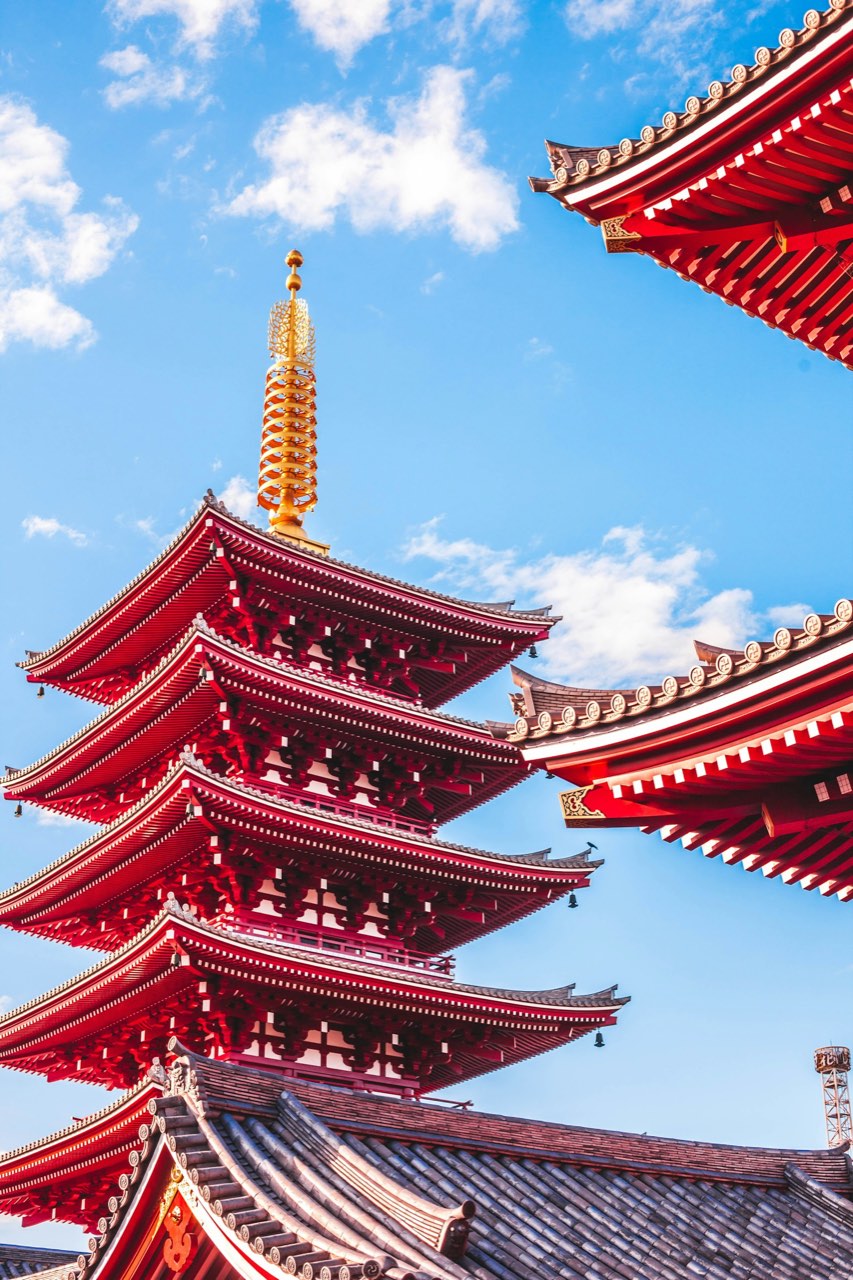
Tokyo's oldest temple, approached through the Kaminarimon gate and Nakamise shopping street. The grounds are always open and free (main hall ~06:00-17:00); beautifully lit at night and best explored early.
- 09:45Nakamise Shopping Street
The 250 m approach to Senso-ji, lined with stalls of folding fans, kimono trinkets, ningyo-yaki cakes and fresh senbei. Per-shop hours vary; busiest midday.
- 10:40
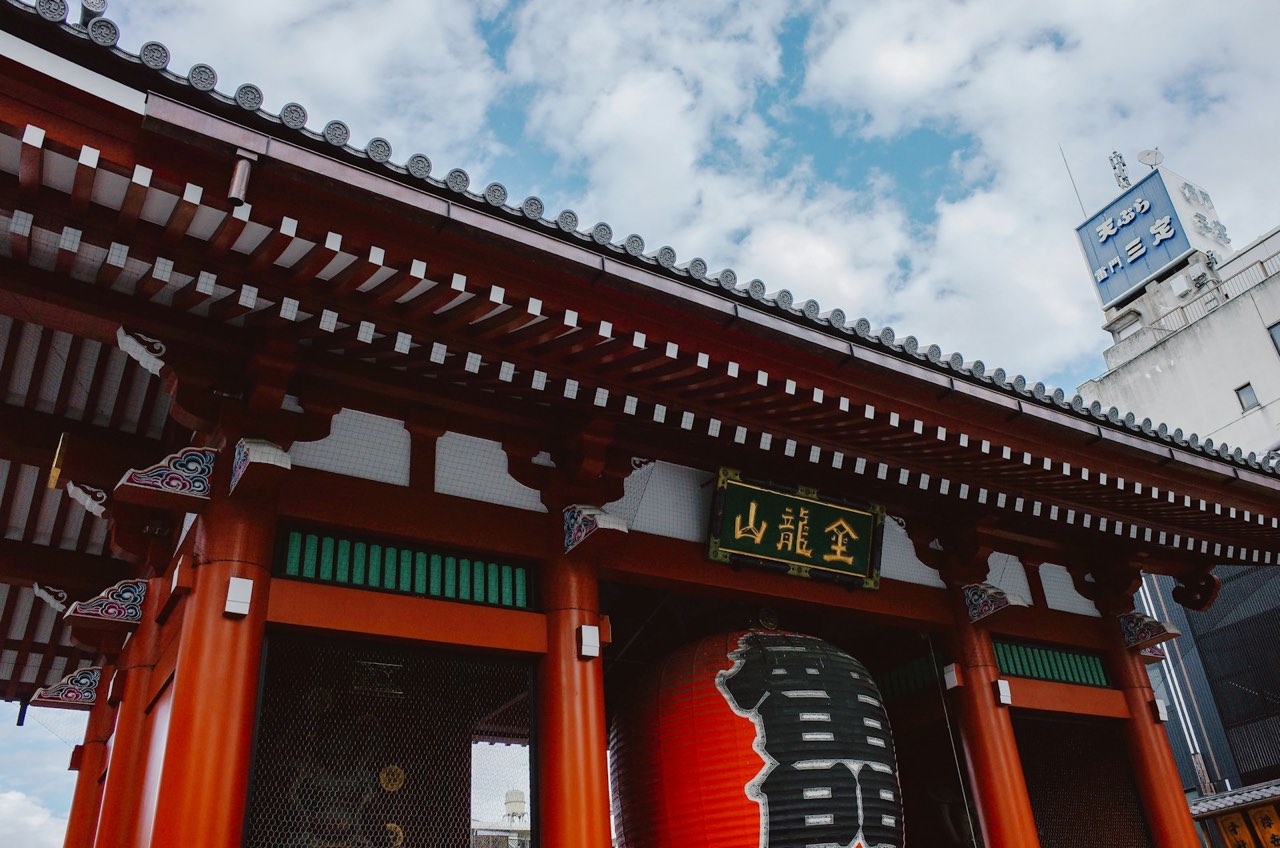
The giant red 'Thunder Gate' lantern marking the entrance to Senso-ji — Asakusa's signature photo. Always accessible.
- 11:10Samurai Ninja Museum Tokyo
A hands-on Asakusa museum where a guided tour walks you past real Edo-period armour, katana and ninja tools, then lets you throw shuriken yourself; armour try-on and sword lessons are optional add-ons. Entry is timed — book online ahead, and check current hours before you go.
- 13:25
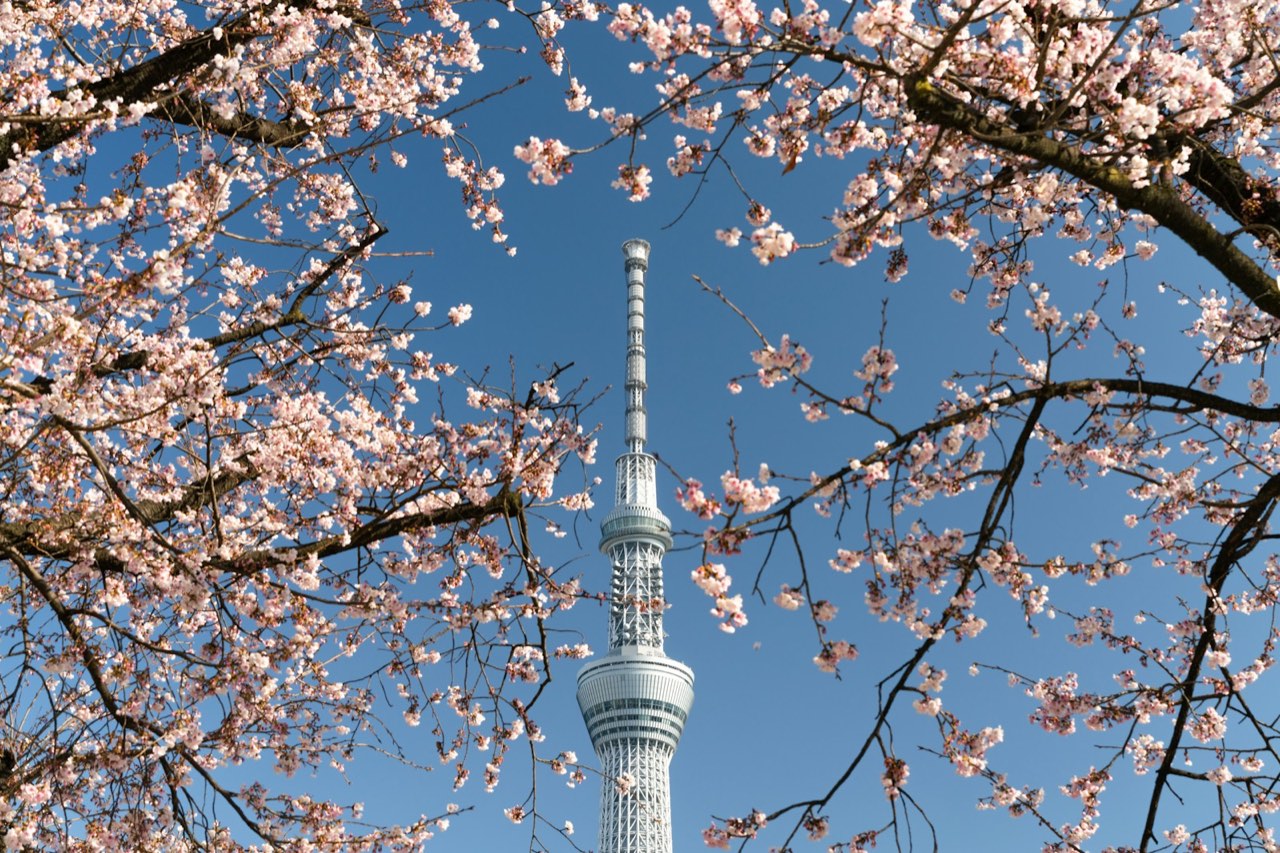
At 634 m, the world's tallest tower — two observation decks with vast city views, plus the Solamachi mall and aquarium at its base. Across the river from Asakusa (~15-min walk or one stop); buy timed tickets to skip the line.
- 15:10Asakusa Sumo Club
A purpose-built sumo hall minutes from Senso-ji where retired professional wrestlers stage demonstration bouts with English commentary — a show, not a real tournament — usually paired with all-you-can-eat chanko-nabe hot pot. Four two-hour sessions run daily; book ahead, evening slots can sell out a week or more in advance.
- 17:30Dinner Daikokuya Tempura
Century-old Asakusa institution for tendon — tempura over rice in a dark sesame-oil sauce. Expect a queue; cash is safest.


Day 2Yanaka & nearby — a sights dayTokyo, 8 stops
A day of museums and old streets in Tokyo's north-east. Nezu Shrine's tunnel of small torii comes first, then Ueno: the zoo, the park and the Tokyo National Museum, Japan's oldest and largest, with the definitive collection of samurai swords and armour. Both the zoo and the museum close on Mondays, which is why this day never lands on one. Wind down in Yanaka — the cemetery where the last shogun rests, then the Yuyake Dandan steps down to Yanaka Ginza's snack stalls.
- 08:00Breakfast Kayaba Coffee
A 1930s wooden corner café revived as a 'kissaten', famous for its fluffy tamago (egg) sandwich and morning sets in a tatami-and-timber room. A perfect Yanaka rest stop; can fill up, so come off-peak.
- 08:30
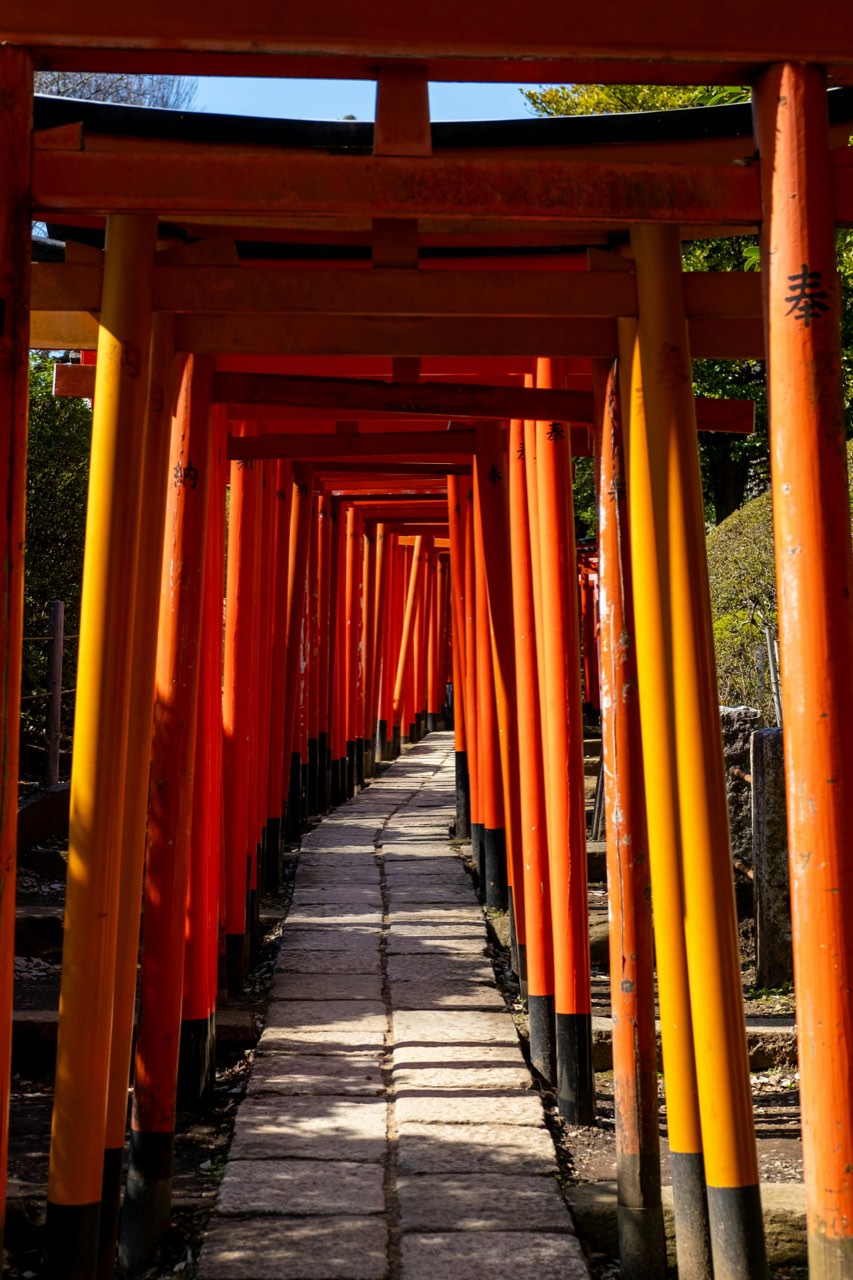
One of Tokyo's oldest shrines, with vermilion halls, a tunnel of small torii gates climbing the hillside, and a famous azalea garden that blazes in late April. Grounds are free; the azalea garden charges a small fee during the festival. Hours shorten in winter.
- 09:30
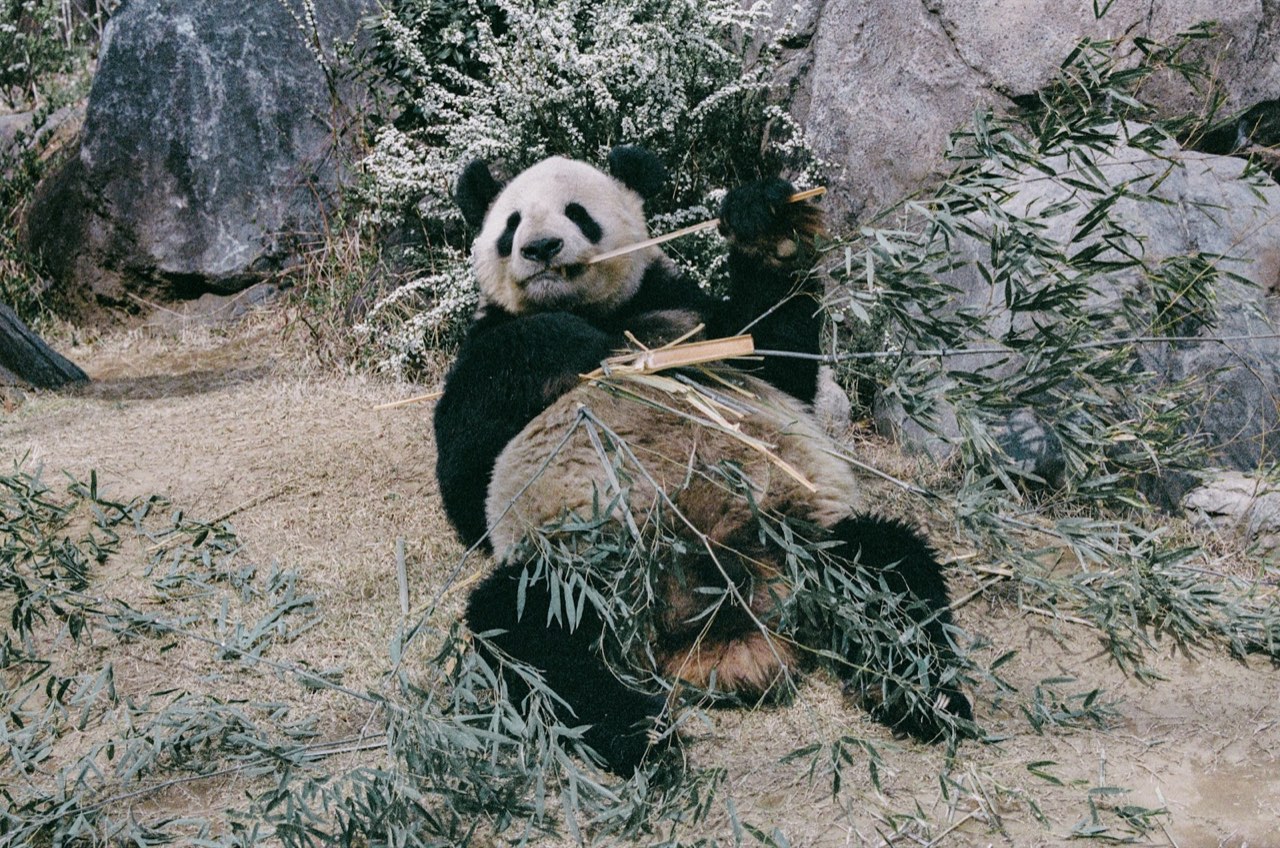
Japan's oldest zoo, in Ueno Park — best known for its giant pandas. Great with kids; closed Mondays. Cheap entry.
- 13:00
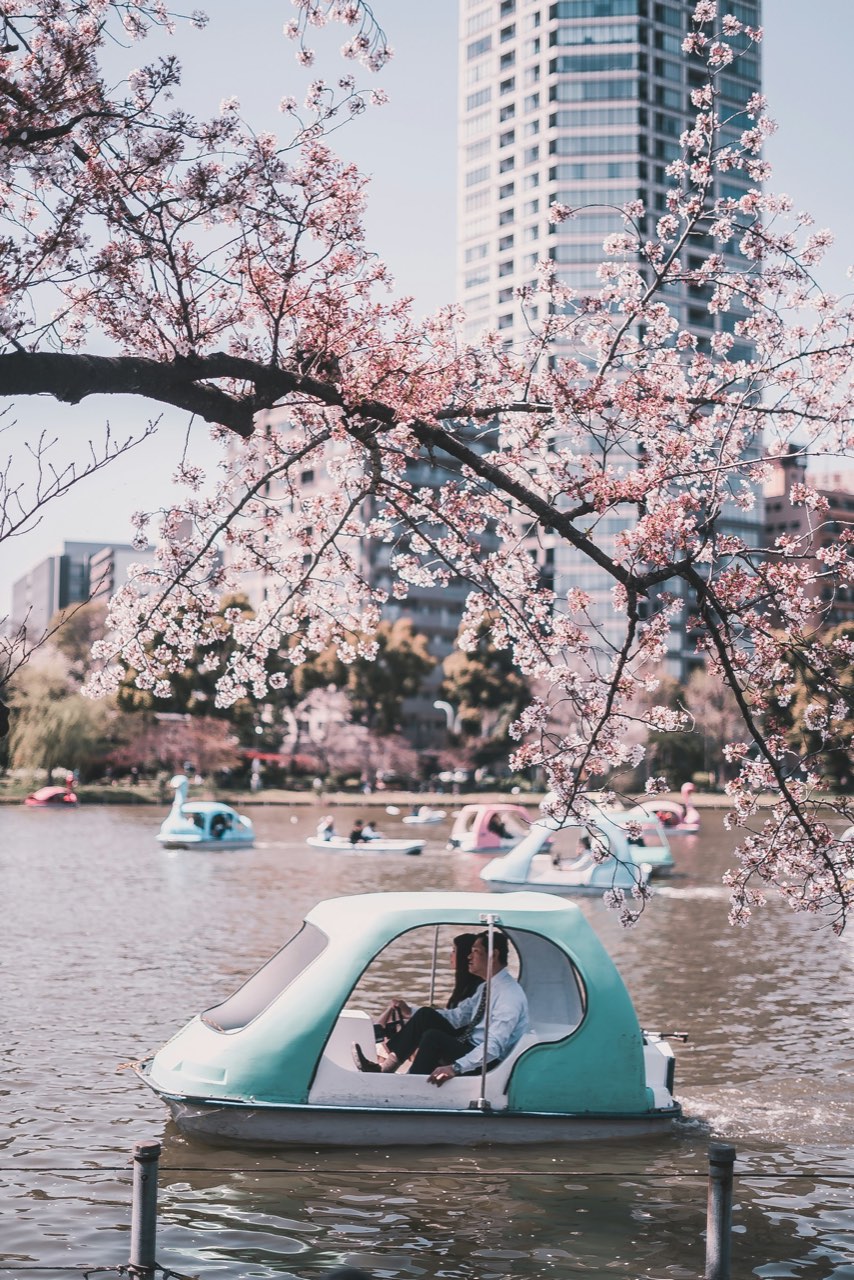
A wide public park that's Tokyo's museum district and one of its most famous cherry-blossom spots, with the lotus-filled Shinobazu Pond and a zoo. Always open; ties the area's sights together.
- 14:15
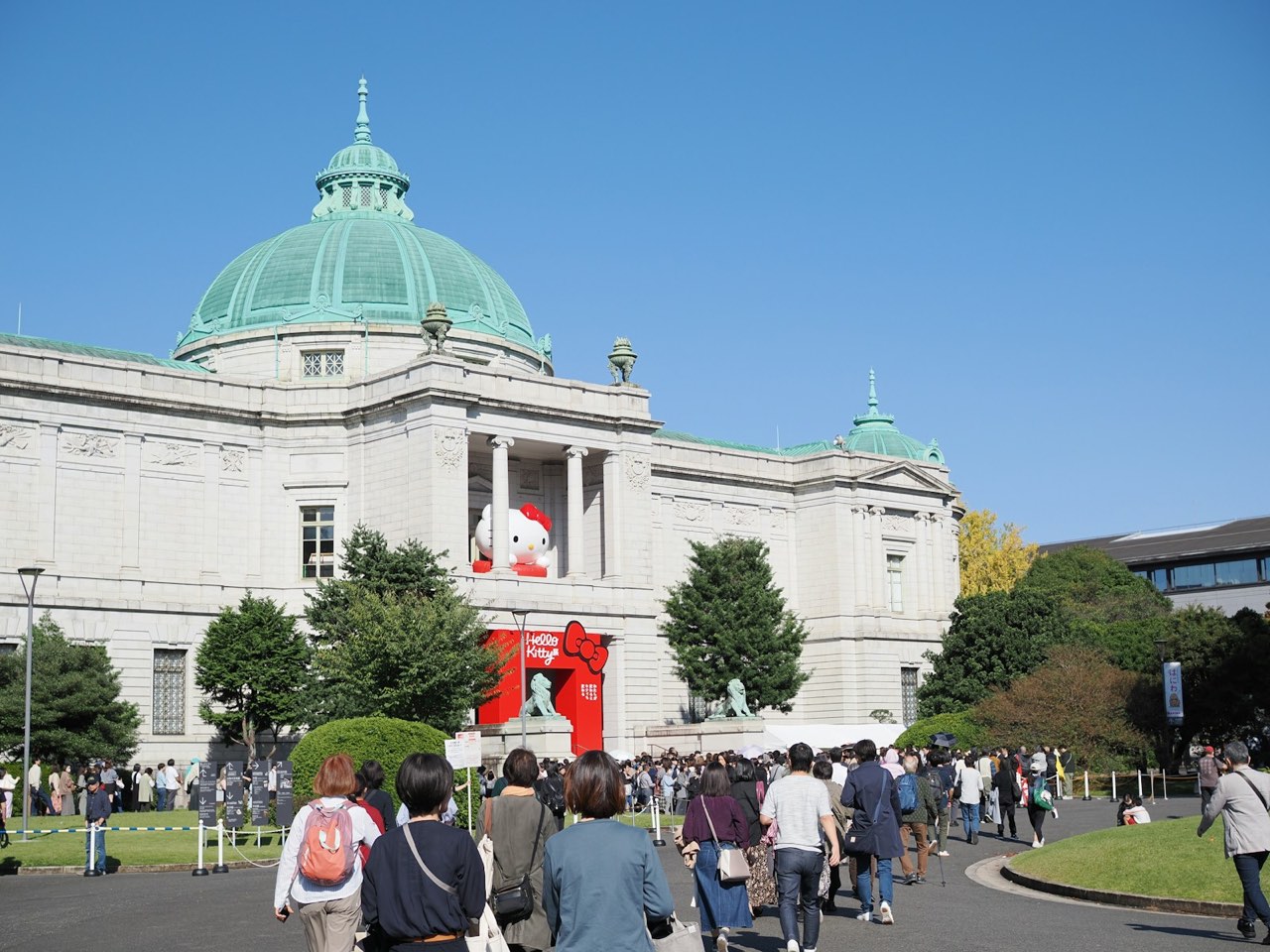
Japan's oldest and largest museum — the definitive collection of samurai swords, armour, Buddhist art and ceramics. Closed Mondays; an excellent rainy-day half-day.
- 16:30
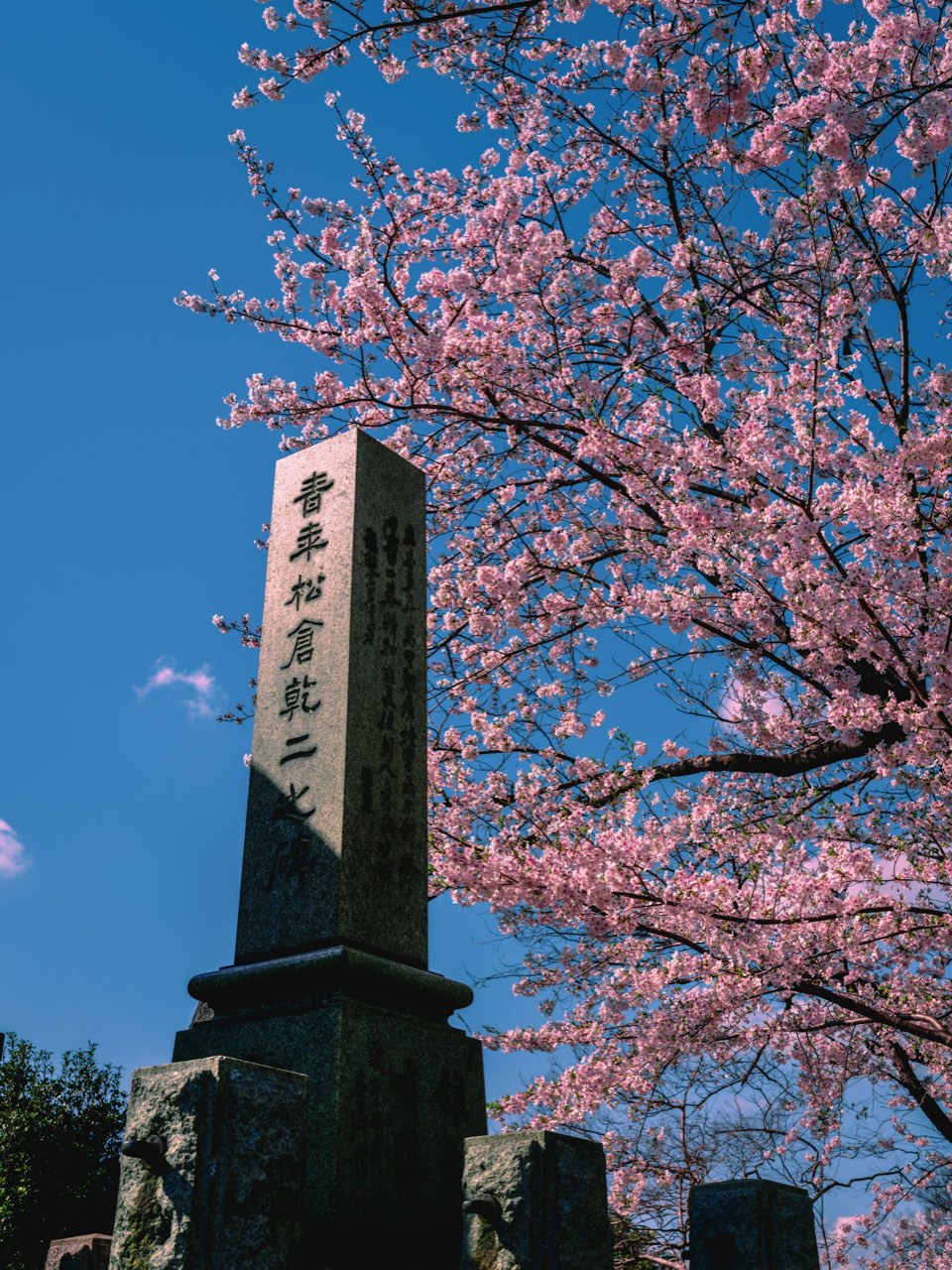
A leafy historic cemetery whose central avenue — 'Sakura-dori' — becomes a cherry-blossom tunnel in spring, and where the last shogun and many Meiji notables rest. A peaceful, atmospheric walk; the paths are public and always open.
- 17:25Yanaka Ginza
A nostalgic shitamachi shopping street reached by the 'Yuyake Dandan' sunset steps, lined with old-fashioned grocers, croquette and senbei stalls, and cat-themed shops. Eat as you wander; per-shop hours vary and some close midweek.
- 18:25Dinner Tonkatsu Yamabe
Generous, well-priced tonkatsu (breaded pork cutlet) near Ameyoko — a local favourite for a filling, good-value Ueno meal.


Day 3Nakameguro & Daikanyama & nearby — sights morning, shopping afternoonTokyo, 9 stops
The slow Tokyo day. It opens on Saigoyama Park's hillside and the Meguro River promenade; in late March the river's cherry trees arch over the water. Daikanyama T-Site is a bookstore worth an hour in itself, and Log Road links it back to the riverside. The afternoon moves to Ebisu: Yebisu Garden Place on the old brewery site and the small Museum of Yebisu Beer, usually closed on Mondays. Atre is a practical station mall — skip it if you are not shopping.
- 08:00Breakfast Starbucks Reserve Roastery Tokyo
A four-storey Kengo Kuma-designed coffee 'theatre' on the Meguro River, with a copper roasting cask, a Teavana tea bar and a Princi bakery. Spectacular when the cherry trees bloom outside the upper terraces; expect a wait at peak times.
- 08:30

A small hillside park above the river with a grassy slope, a little waterfall and a west-facing terrace that catches the sunset over the city — a quiet pause a few minutes from the Nakameguro bustle.
- 09:15
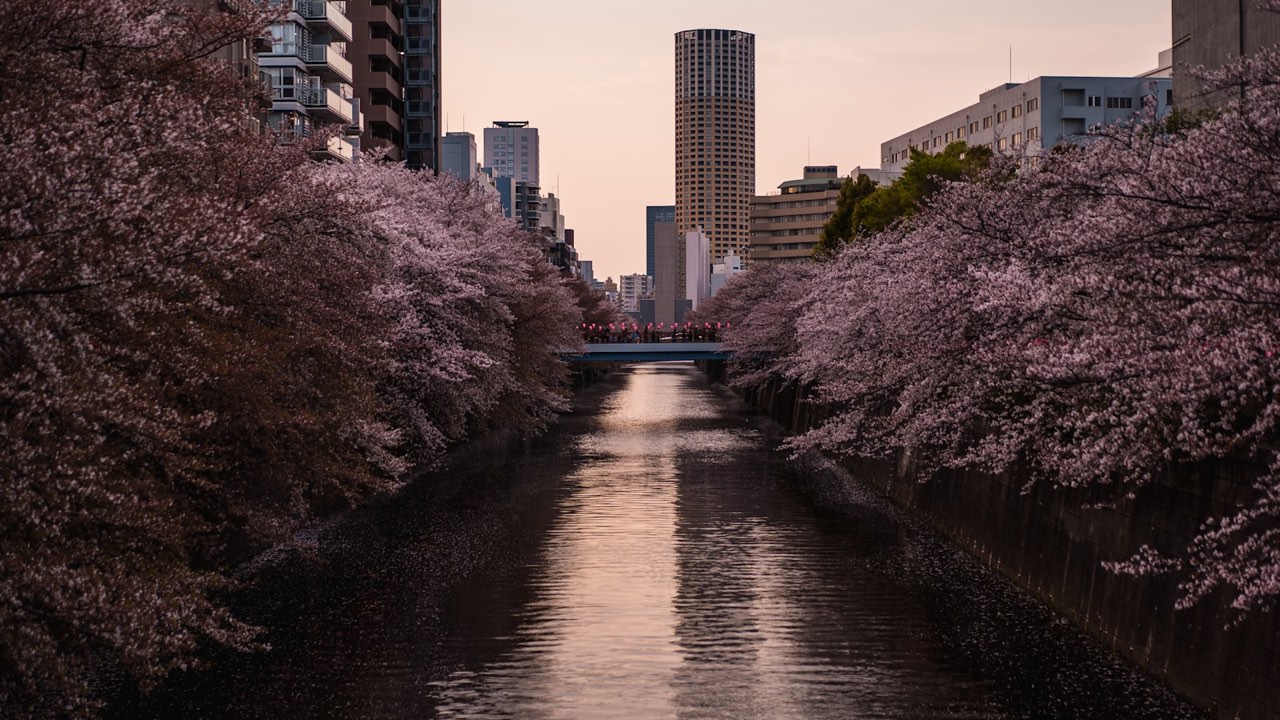
A canal lined with hundreds of cherry trees that arch over the water — Tokyo's prettiest blossom walk in late March, lit pink at night, and a pleasant café-hopping stroll the rest of the year. Always open and free.
- 10:30Daikanyama T-Site (Tsutaya Books)
A celebrated bookstore-as-destination: three glass pavilions of books, magazines, music and stationery, with the Anjin lounge upstairs for coffee among vintage art journals. A design pilgrimage and a lovely slow browse.
- 13:00Log Road Daikanyama
A low-rise strip of shops and cafés built along a former rail siding — home to a Spring Valley craft brewery taproom and breezy terraces. A relaxed link between Daikanyama and the Nakameguro riverside.
- 14:00Atre Ebisu
The big station-side mall directly over Ebisu Station — fashion, cosmetics, a supermarket and a strong restaurant floor, all weatherproof and handy on arrival or departure. A practical everyday stop rather than a destination.
- 15:15Yebisu Garden Place
A refined open-air complex built on the old Yebisu brewery site — a glass-roofed plaza, a department store, restaurants from casual to the Joël Robuchon château, and a vast Baccarat chandelier that anchors a famous winter illumination. Pleasant to stroll any time; the plaza is always open.
- 16:30
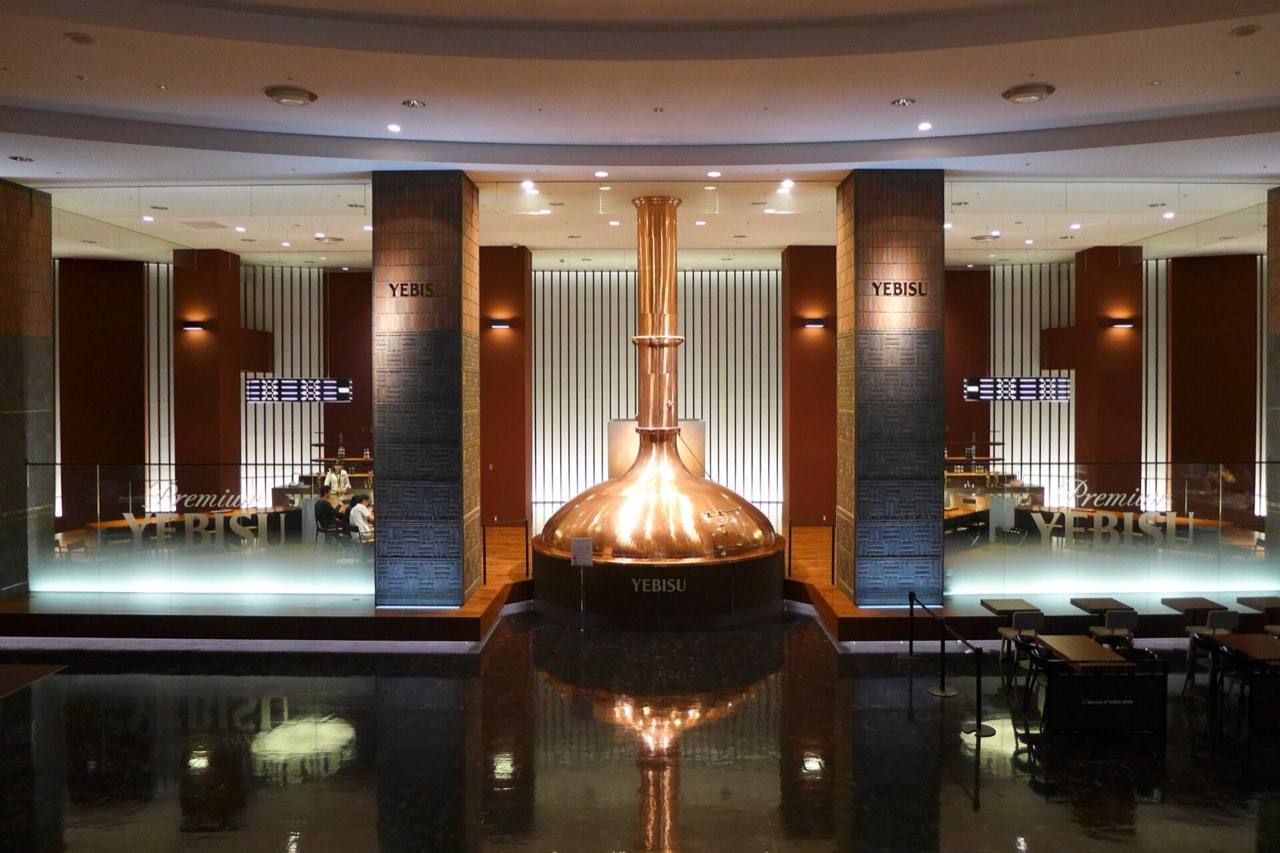
A small museum tracing the Meiji-era Yebisu brand that gave the district its name, with free galleries and a paid guided 'brand experience' tour that ends in a tasting salon. A relaxed, grown-up half-hour; usually closed Mondays, with shorter weekday afternoon hours.
- 17:45Dinner Yakiniku Champion (Ebisu)
A respected yakiniku house run by a meat wholesaler, so the wagyu cuts are top-grade and well priced for the quality — grill your own over charcoal at the table. A satisfying splurge; reserve for evenings as it fills quickly.


Day 4Harajuku & Meiji Jingu & nearby — sights morning, shopping afternoonTokyo, 10 stops
Meiji Jingu opens at sunrise, and its forest is calmest first thing — go before Harajuku wakes up. Yoyogi Park is the breather next door; Takeshita Street is a shoulder-to-shoulder crush, especially at weekends, so pass through rather than linger. After ramen, walk Omotesando's flagship architecture down into Shibuya: Miyashita Park's rooftop, Parco's game-and-anime floor, Shibuya 109. Shibuya Sky is placed after dinner for the night view over the crossing; book a timed slot ahead.
- 08:30
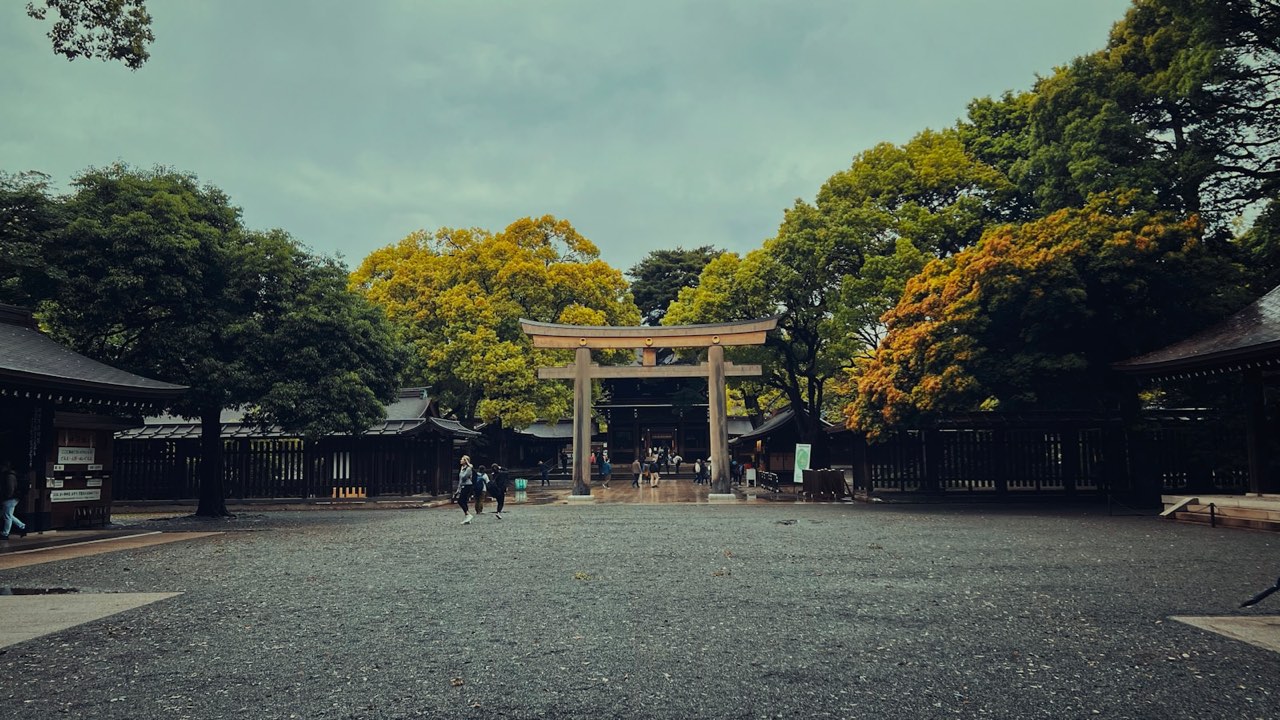
Tokyo's grandest shrine, set in a vast man-made forest beside Harajuku — huge wooden torii, a long gravel approach and a sense of calm minutes from the crowds. Free; opens at sunrise, closes at sunset (hours shift seasonally).
- 10:00
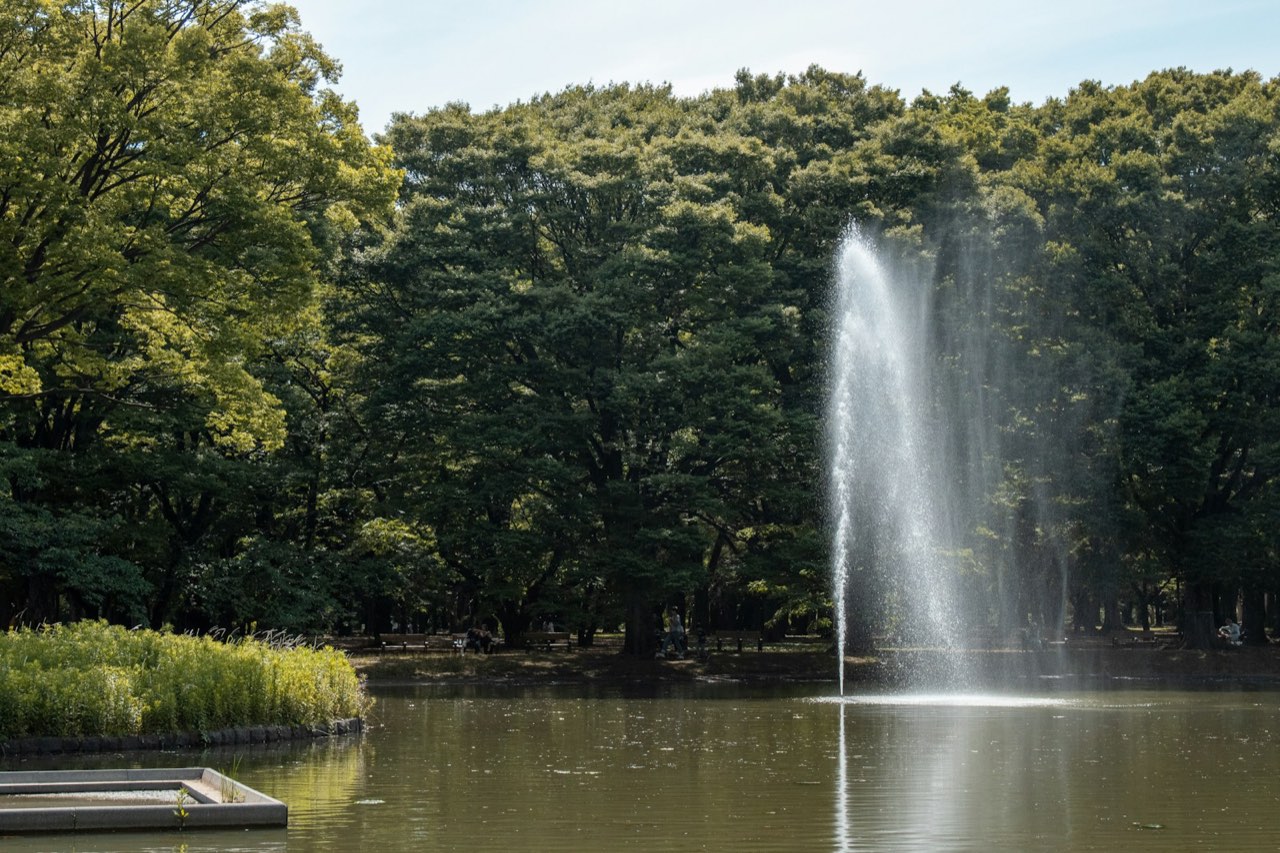
Big open lawns next to Meiji Jingu — picnics, buskers, dog-walkers and weekend events (rockabilly dancers, festivals). A relaxed counterpoint to Takeshita Street's crush.
- 11:00Takeshita Street
The pedestrian heart of teen Harajuku — kawaii fashion, character shops, photo booths and rainbow crepes. Shoulder-to-shoulder on weekends; per-shop hours vary.
- 12:00Lunch Afuri (yuzu ramen)
Modern ramen known for its light, citrusy yuzu-shio broth — a refreshing change from heavy tonkotsu, handy after Meiji Jingu. Ticket machine; quick.
- 13:00Omotesando
Tokyo's 'Champs-Elysees' — a zelkova-lined avenue of flagship boutiques and striking architect-designed stores (plus Omotesando Hills). Window-shopping and people-watching even on a budget.
- 14:15
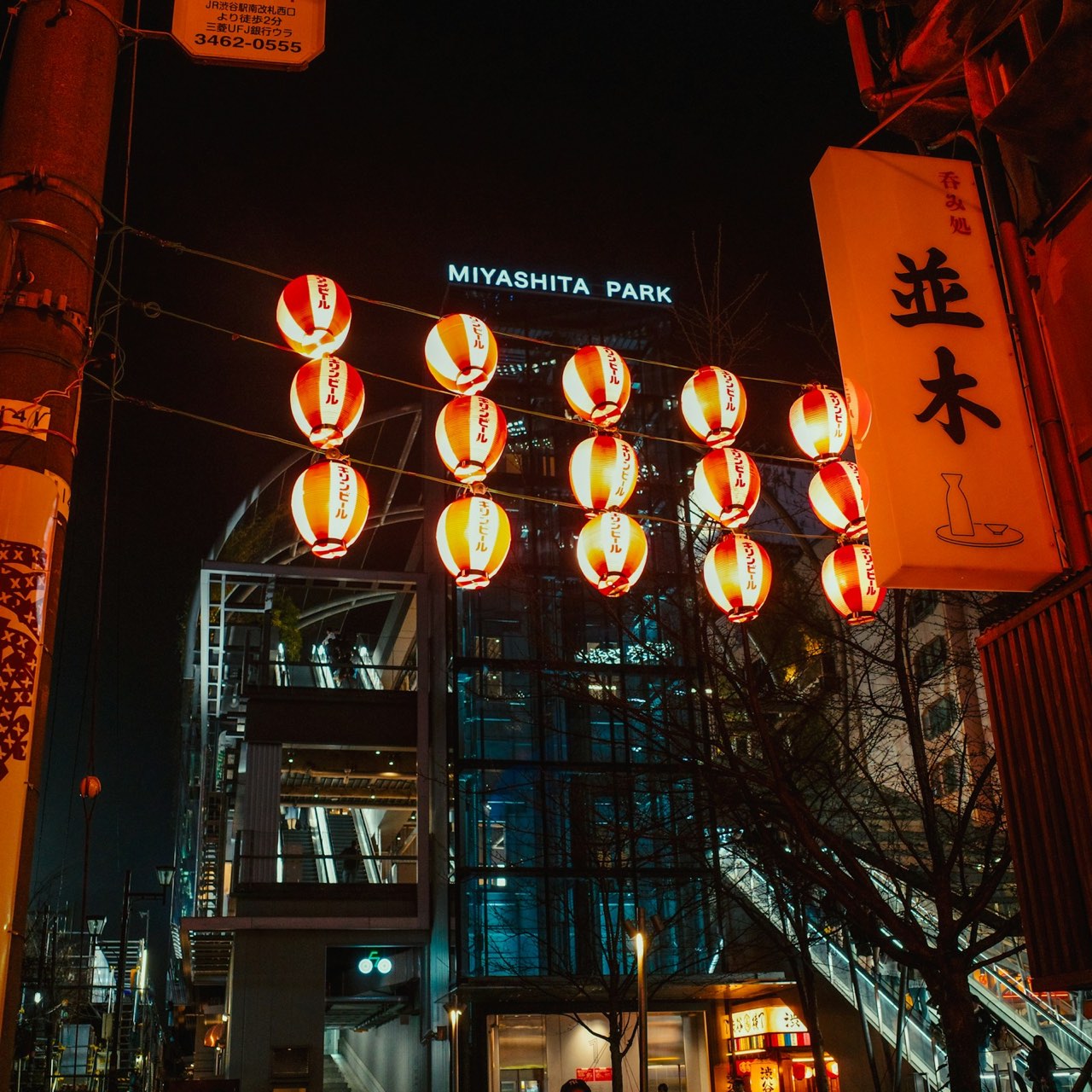
A reinvented multi-level complex: a rooftop park with lawn, climbing wall and skate area sitting above two floors of shops and the buzzing Shibuya Yokocho food alley. A relaxed green pause and night-eats spot between Shibuya and Harajuku; the rooftop closes overnight.
- 15:30Shibuya Parco
A design-forward fashion-and-culture mall whose sixth floor is a games-and-anime floor — Nintendo Tokyo, the Pokémon Center, the Jump Shop and Capcom Store all together. A magnet for fans; the rooftop has city views and seasonal events.
- 17:15Shibuya 109
The cylindrical fashion landmark by the crossing — floors of trend-driven young women's brands. A Shibuya icon as much as a mall.
- 18:30Dinner Nonbei Yokocho
A cluster of tiny post-war drinking dens by the tracks — yakitori, sake and standing bars seating a handful each. Evenings only; cash and a little courage. Per-bar hours vary.
- 19:45Shibuya Sky
Open-air rooftop observation deck atop Shibuya Scramble Square (~230 m) with a 360° view over the crossing and out to Mt Fuji on clear days. Book a timed sunset slot ahead.


Day 5Higashiyama & Gion — a temple dayKyoto, 5 stops
A travel day that still counts. The shinkansen gets you to Kyoto around midday and lunch is near Kiyomizu-dera, so the afternoon starts on foot in Higashiyama: Chion-in's giant Sanmon gate first, because it closes at 16:00, then Kiyomizu-dera's wooden stage. The stone lanes of Ninenzaka and Sannenzaka come last, on the way back down. If you are up early on another day, Kiyomizu-dera opens at 06:00.
- 09:40Check out of your stay
- 10:00Shinkansen
- 12:24Drop your bags at your stay
- 12:54Lunch Okutan (Kiyomizu)
Centuries-old yudofu (hot tofu) house on the Kiyomizu approach, with garden seating. Closed Thursdays. Good veg-friendly option.
- 13:54
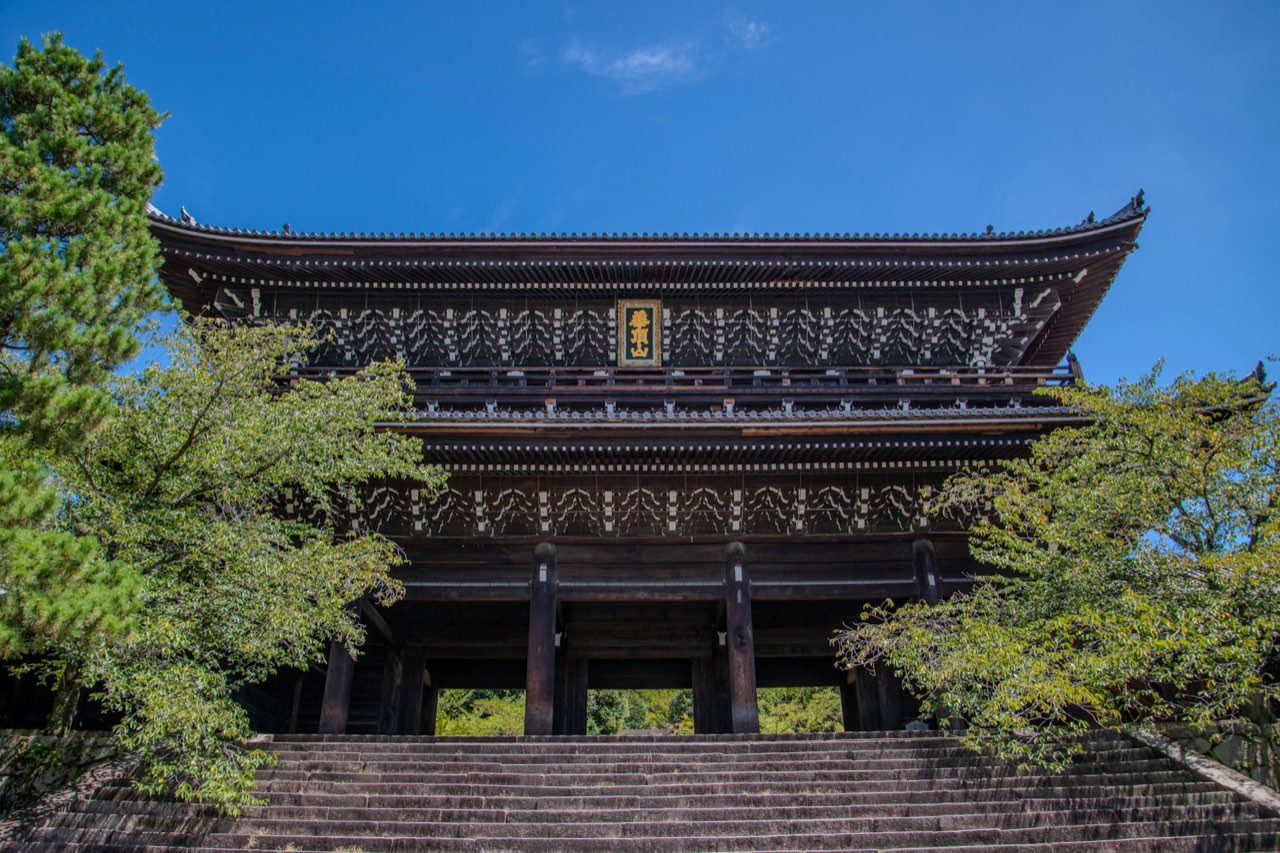
Head temple of Pure Land Buddhism, entered through Japan's largest wooden gate (the Sanmon) and home to a giant bell. Just north of Yasaka and Maruyama Park; grounds free.
- 14:59
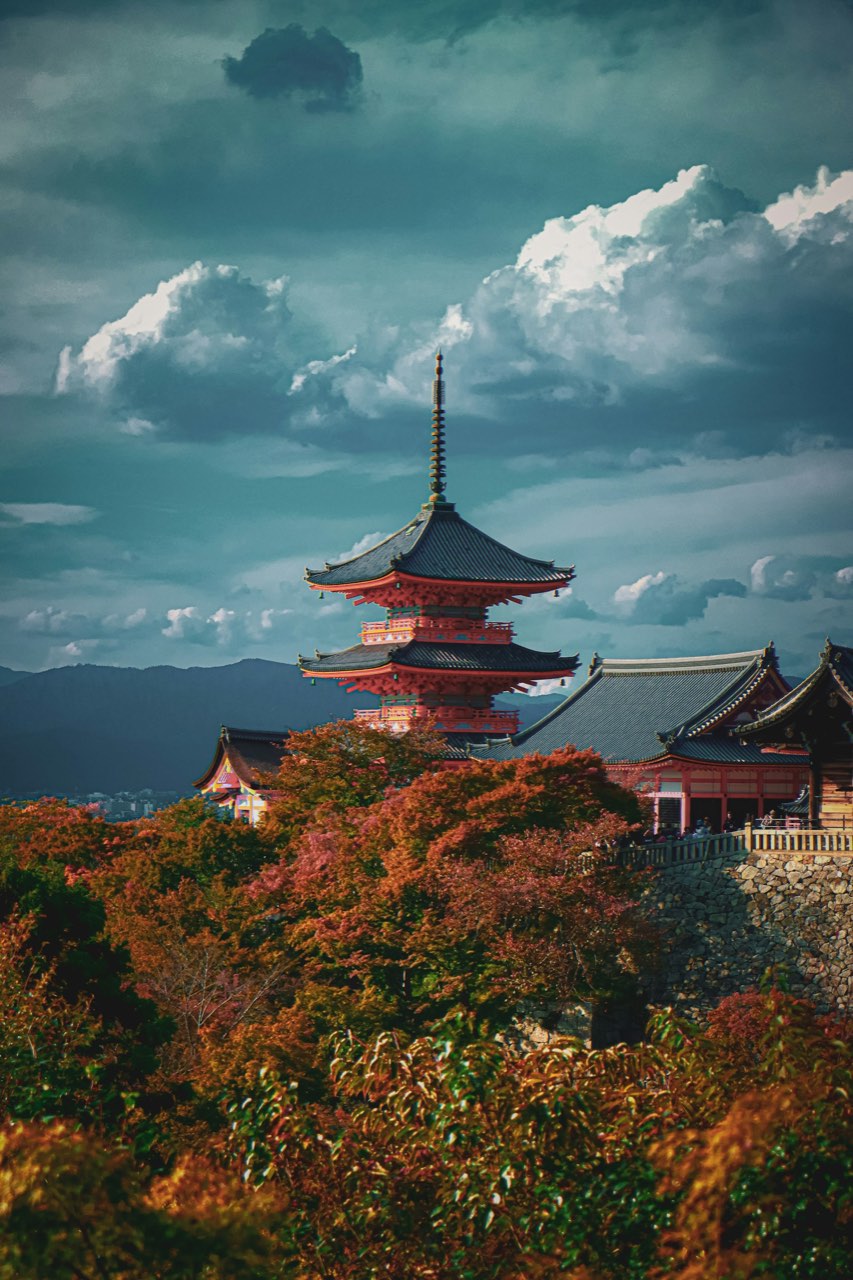
Hillside temple famous for its huge wooden stage and city views; the approach lanes (Sannenzaka) are part of the experience. Opens at 06:00 — go early. Small entry fee.
- 16:44Ninenzaka & Sannenzaka
The preserved sloping stone lanes climbing toward Kiyomizu-dera, lined with machiya shops selling Kiyomizu pottery, yatsuhashi sweets, fans and crafts. As much a sight as a shopping street; busiest late morning to afternoon.
- 17:59Dinner Kikunoi (Honten)
Three-Michelin-star kaiseki — a landmark special-occasion meal. Reserve well ahead; lunch is the gentler entry point.


Day 6Okazaki & Northern Higashiyama & nearby — sights morning, shopping afternoonKyoto, 10 stops
The northern hills in the morning: Eikan-do at its 09:00 opening — one of Kyoto's great maple temples — then Nanzen-ji, whose Sanmon gate you can climb, and Heian Shrine's giant torii. Lunch is unagi, and the afternoon heads downtown: Yojiya's oil-blotting paper, the covered arcades, Nishiki Market. If you would rather stay in the quiet, skip downtown and walk the Philosopher's Path north to Ginkaku-ji, open until 17:00. Dinner is yudofu, Kyoto's simmered tofu.
- 08:00Breakfast Inoda Coffee (Honten)
Kyoto's classic old-school coffee house (since 1940) — courtyard seating, a famous breakfast set and house blend. Opens early.
- 09:00
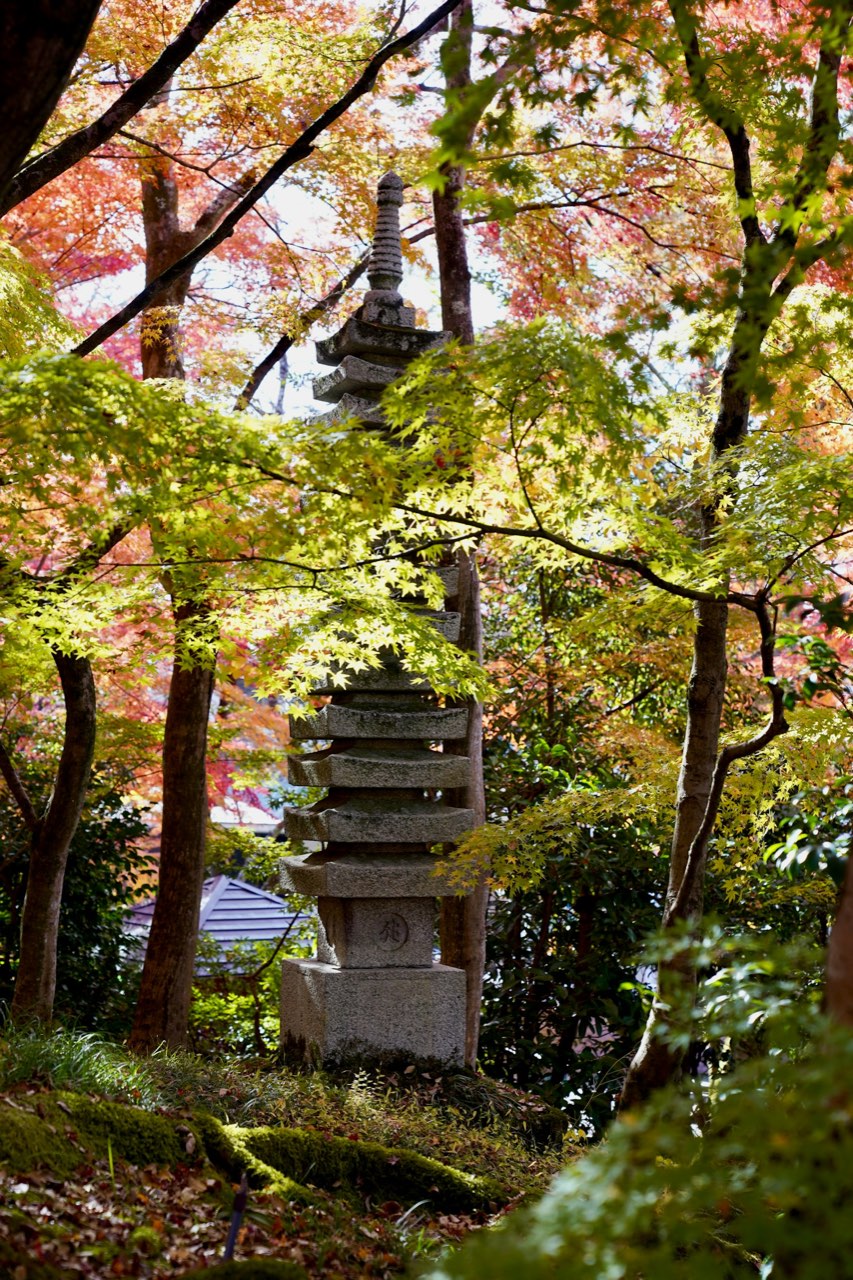
One of Kyoto's top maple-viewing temples, with a hillside pagoda and ponds — sensational in November (and crowded then). On the Philosopher's Path near Nanzen-ji.
- 10:05
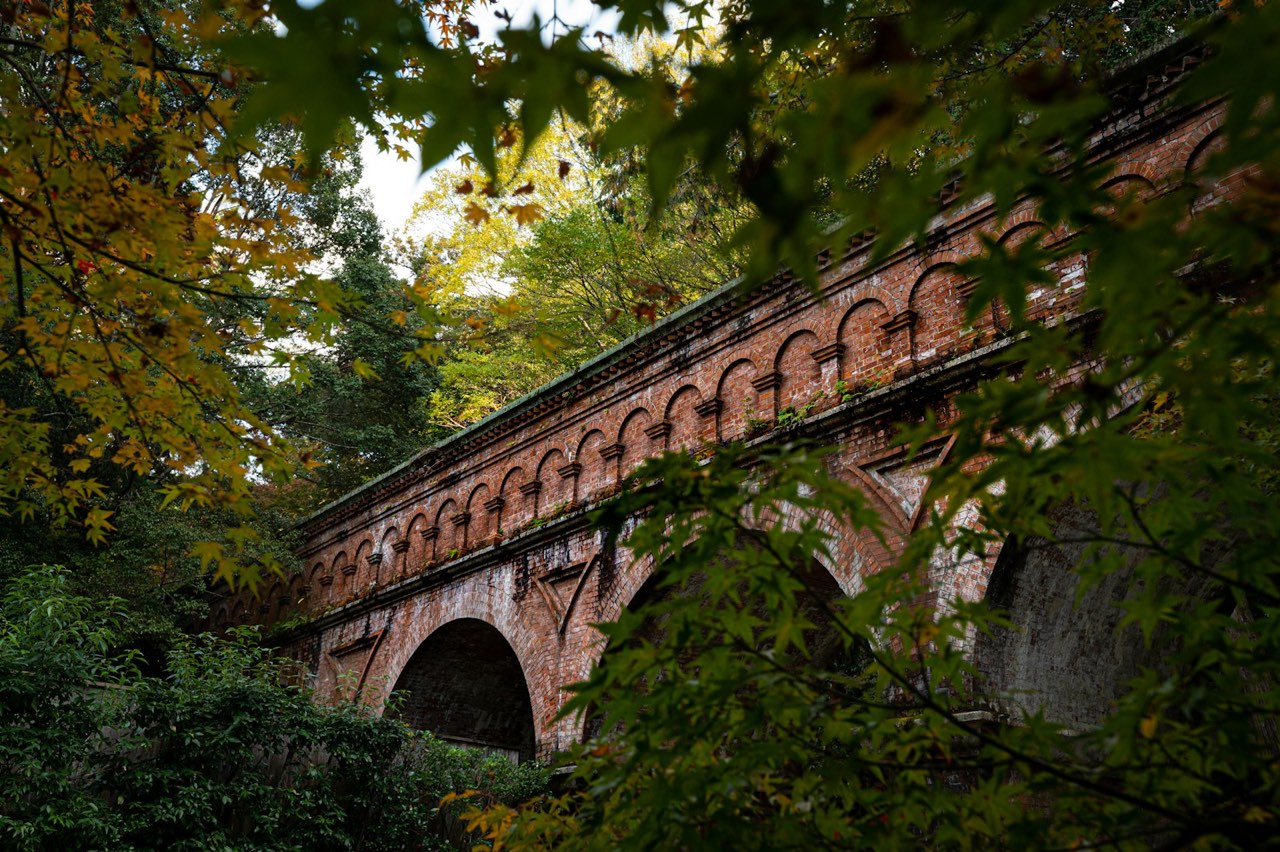
Grand head temple of its Zen school — a huge Sanmon gate you can climb, sub-temple gardens, and a photogenic brick aqueduct. Grounds free; halls/gardens ticketed.
- 11:20
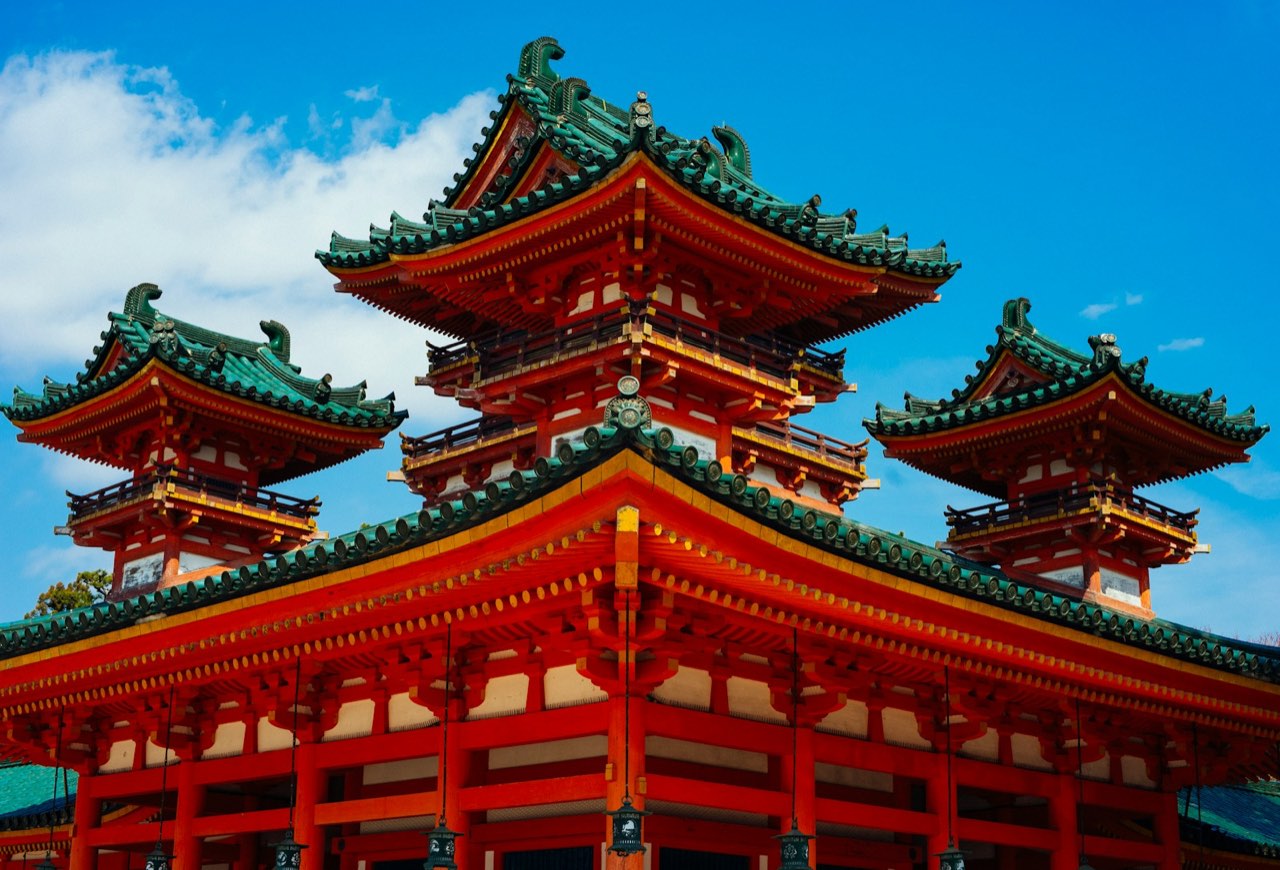
Bright vermilion shrine fronted by a giant torii in the Okazaki museum district; its strolling garden (ticketed) is lovely in cherry-blossom season. Grounds free.
- 12:20Lunch Kyogoku Kaneyo (unagi)
Long-standing eel restaurant off Shinkyogoku, famous for its fluffy omelette-topped 'kindon'. Closed Wednesdays.
- 13:20Yojiya (souvenir cosmetics)
Iconic Kyoto cosmetics brand — the aburatorigami (oil-blotting paper) is the classic, very giftable souvenir.
- 14:05Teramachi & Shinkyogoku Arcades
Twin covered shopping streets in the centre — souvenirs, fashion, drugstores, crepes and arcades. Per-shop hours vary.
- 15:20
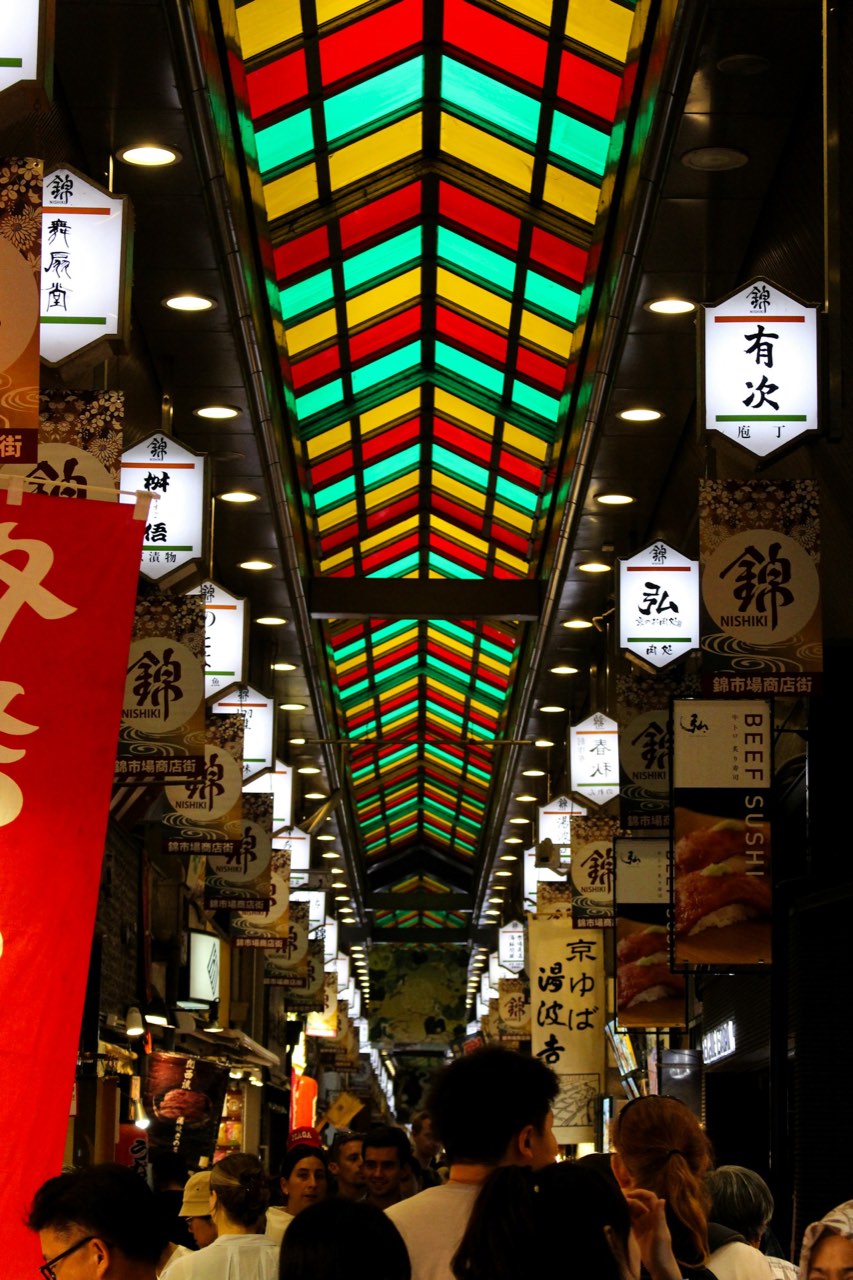
'Kyoto's Kitchen' — a narrow covered arcade of pickles, tofu, sweets, skewers and tea. Best mid-morning to mid-afternoon; some stalls discourage walk-and-eat.
- 16:35Don Quijote (Kawaramachi)
Multi-floor discount store on the Kawaramachi corner — souvenirs, snacks, cosmetics and tax-free shopping, open late.
- 17:35Dinner Junsei (yudofu)
Classic Nanzen-ji yudofu (hot tofu) course in a historic garden villa — the area's signature meal. Veg-friendly; reserve for the garden rooms.


Day 7Kinkaku-ji (Northwest) — a temple dayKyoto, 7 stops
North-west Kyoto, from quiet to famous. Daitoku-ji's walled Zen sub-temples and quiet lanes come first; then Kamishichiken, the city's oldest geisha district, and Kitano Tenmangu. Kinkaku-ji's golden pavilion is after lunch — it can be busy midday, but the circuit is short — and Ryoan-ji's rock garden pairs with it. The day ends in hot water at Funaoka Onsen, a working 1923 bathhouse; Kamishichiken is at its best at dusk if you want to walk back that way.
- 09:00

A walled complex of Zen sub-temples and rock gardens — quiet and atmospheric. Only some sub-temples open to the public (each ticketed); wander the free lanes between them.
- 10:15Kamishichiken
Kyoto's oldest geisha district — a lantern-hung lane of wooden teahouses beside Kitano Tenmangu, quieter and more local than Gion. Best at dusk when the lanterns come on and geiko slip between engagements; free to stroll any time.
- 11:10
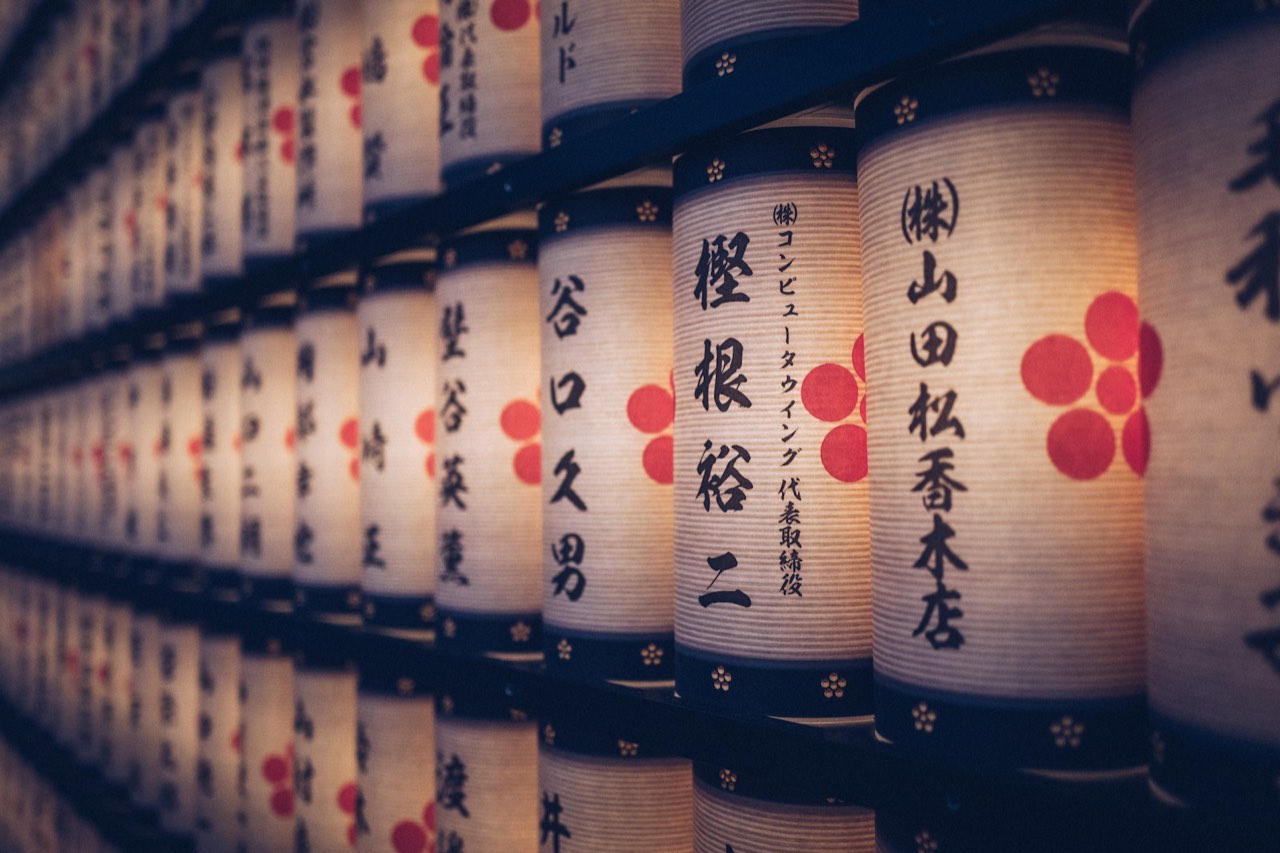
Shrine to the god of learning, famed for its February plum blossoms; the big 'Tenjin-san' flea market fills the grounds on the 25th of each month. Grounds free.
- 12:05Lunch Sarasa Nishijin
A café inside a 1930s bathhouse, its walls still covered in the original hand-painted majolica tiles — casual meals, cakes and coffee into the evening. Closed Wednesdays; a natural dinner stop after Funaoka Onsen across the lane.
- 13:05
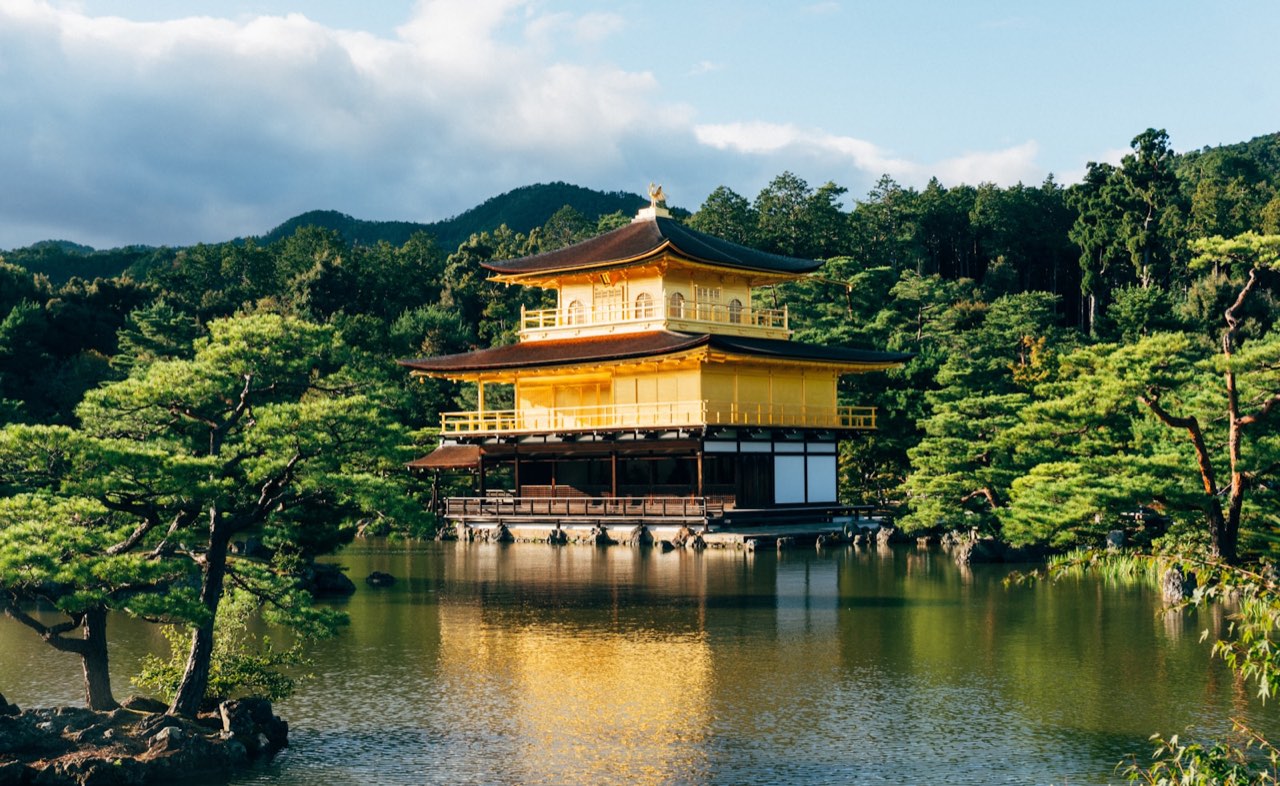
The gold-leaf pavilion mirrored in its pond — Kyoto's signature image. A short one-way garden circuit; can be busy midday.
- 14:25
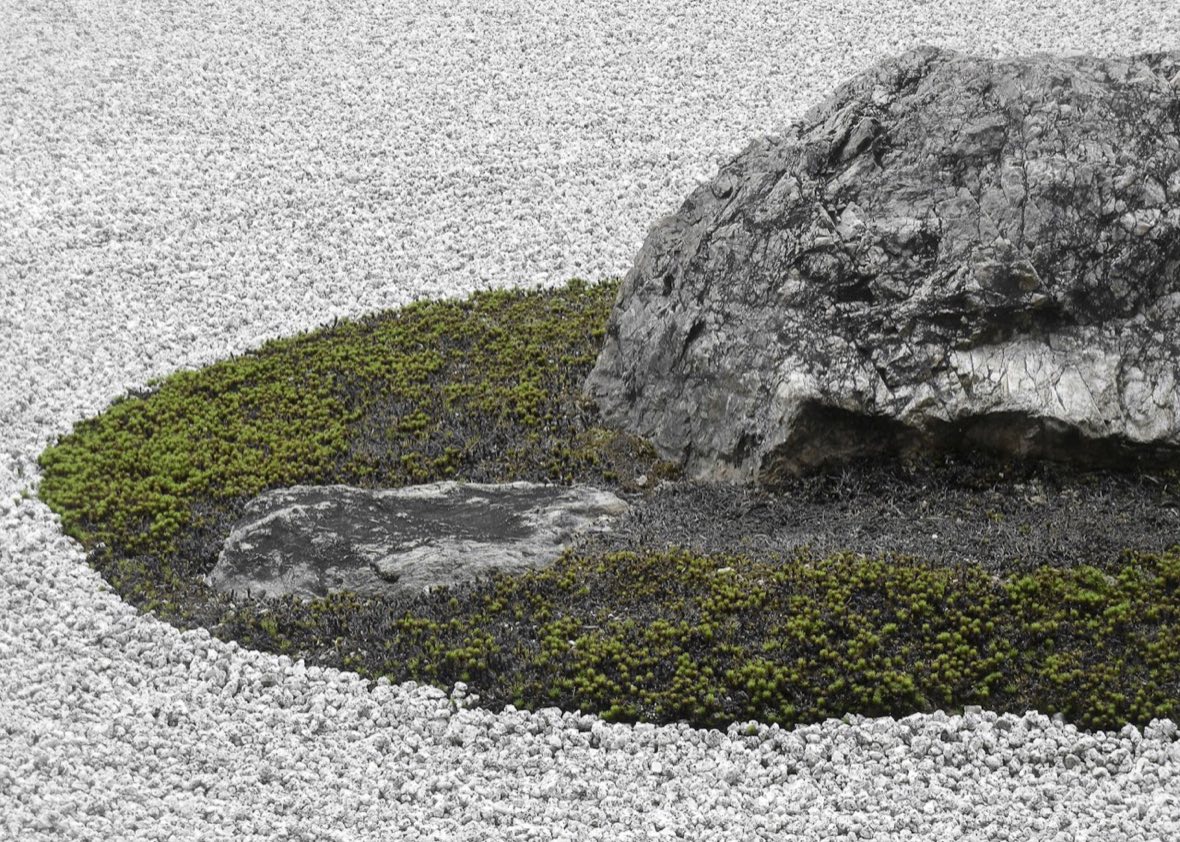
Home of Japan's most famous Zen rock garden — fifteen stones in raked gravel. Contemplative; pairs naturally with Kinkaku-ji.
- 15:25Funaoka Onsen
A working 1923 public bathhouse and registered Tangible Cultural Property — soak beneath carved wooden panels and original majolica tiles after temple-hopping. Walk-in (pay at entry, towels rentable); open every day from mid-afternoon until well past midnight, from morning on Sundays.


Day 8Nakanoshima & nearby — a sights dayOsaka, 11 stops
Kyoto in the morning, Osaka by lunch. To-ji's five-storey pagoda — Japan's tallest wooden one, a short walk from Kyoto Station — and Tofuku-ji's maple valley both fit before the train, so you leave with a full morning behind you. In Osaka, lunch is at a Kitahama tea house, then Nakanoshima's 1918 red-brick public hall and riverside park. Umeda fills the evening: the Pokémon Center, a huge electronics store, and the Umeda Sky Building's open-air rooftop ring for the skyline at night.
- 08:40Check out of your stay
- 09:00
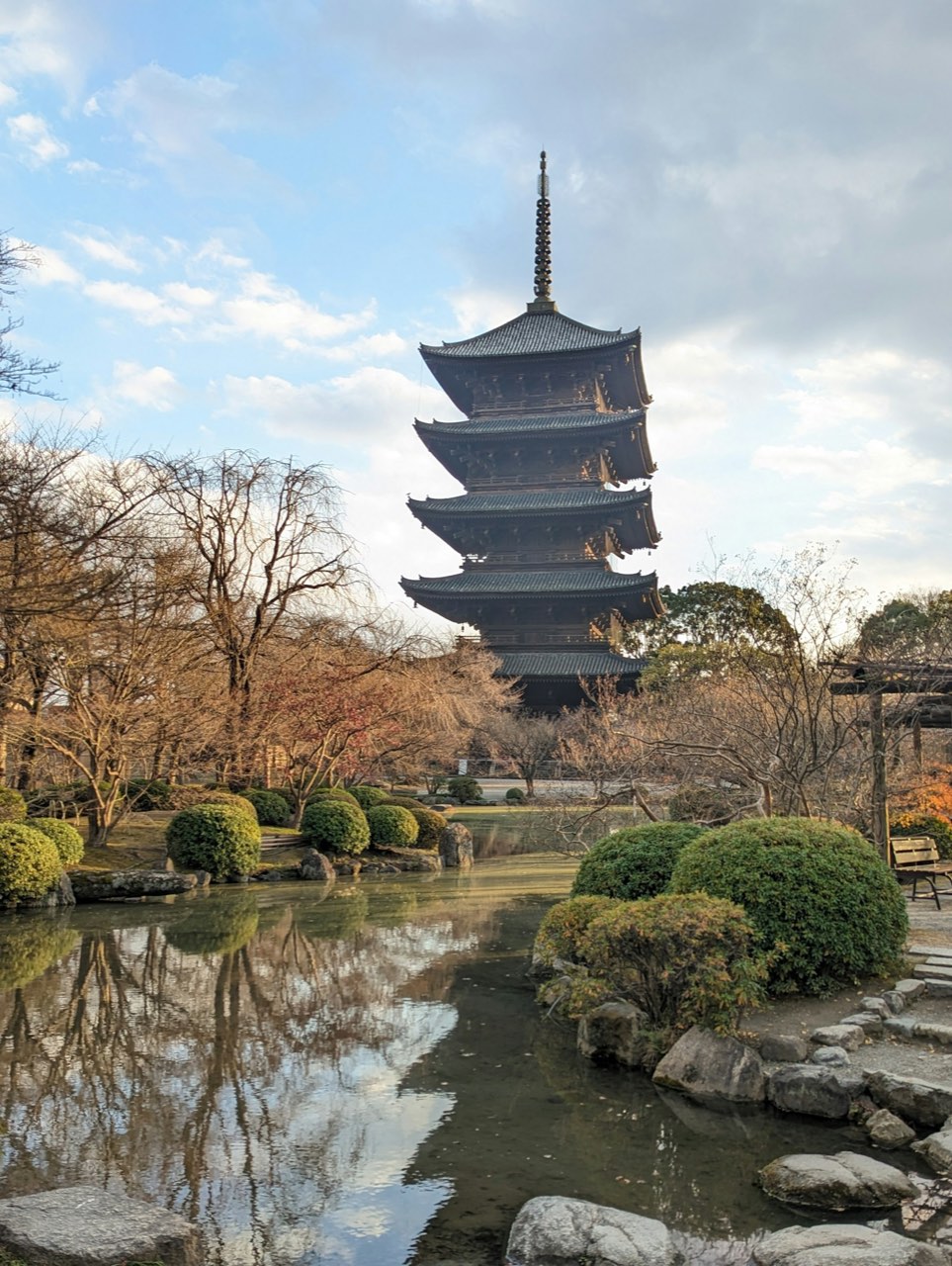
Home of Japan's tallest wooden pagoda, a short walk from Kyoto Station. The grounds open very early; a big antiques-and-food flea market fills the temple on the 21st of each month.
- 10:15
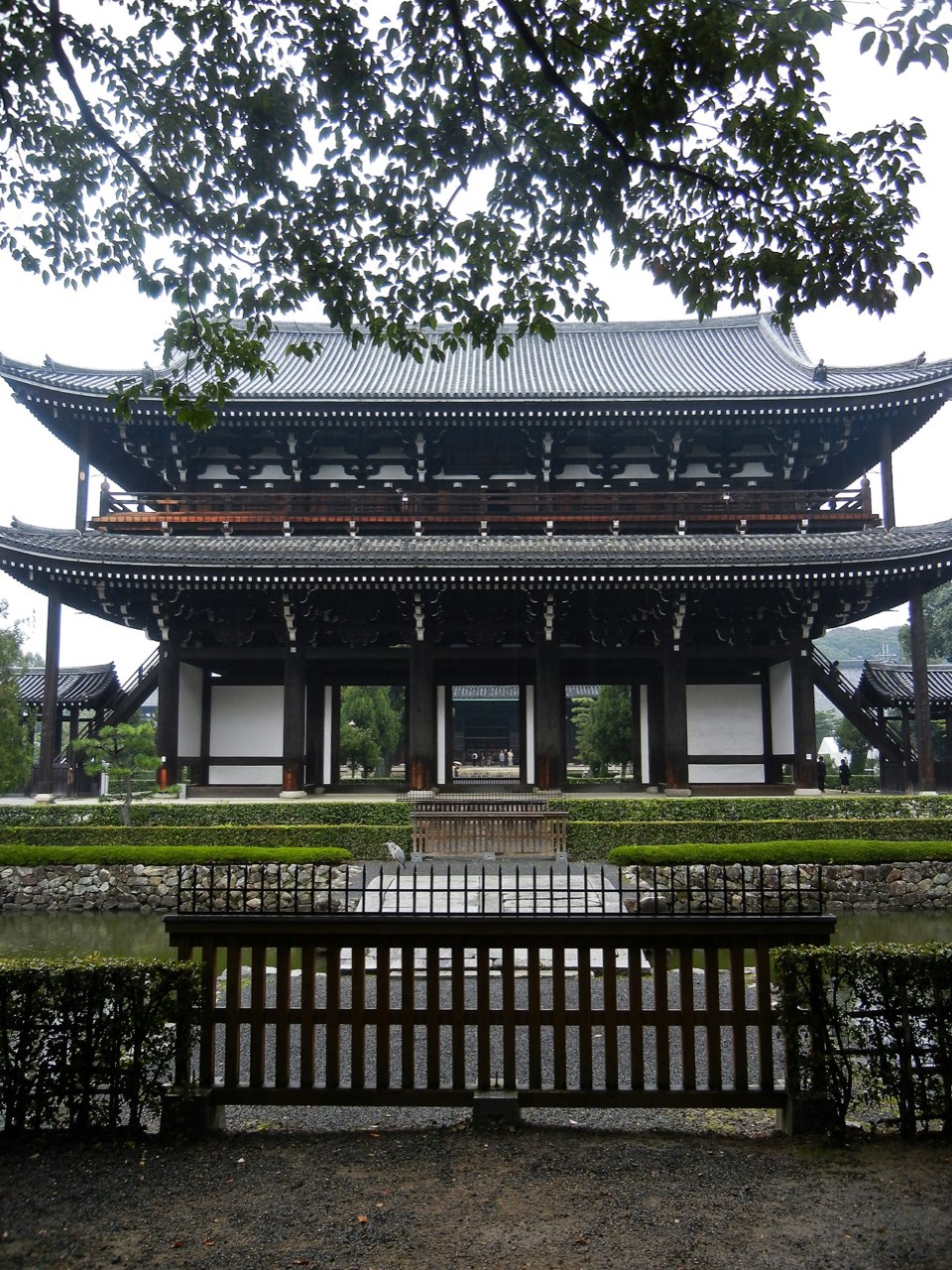
Major Zen temple between Inari and the city, famous for the Tsutenkyo bridge over a maple valley — spectacular in autumn (and very busy then). Pairs with a Fushimi morning.
- 11:15Shinkansen
- 11:50Drop your bags at your stay
- 12:20Lunch Kitahama Retro (tea house)
An English-style tea house in a registered heritage building on the Kitahama riverfront, serving tiered afternoon tea with views across the water to Nakanoshima. Charming and popular; expect a short wait at weekends.
- 13:20
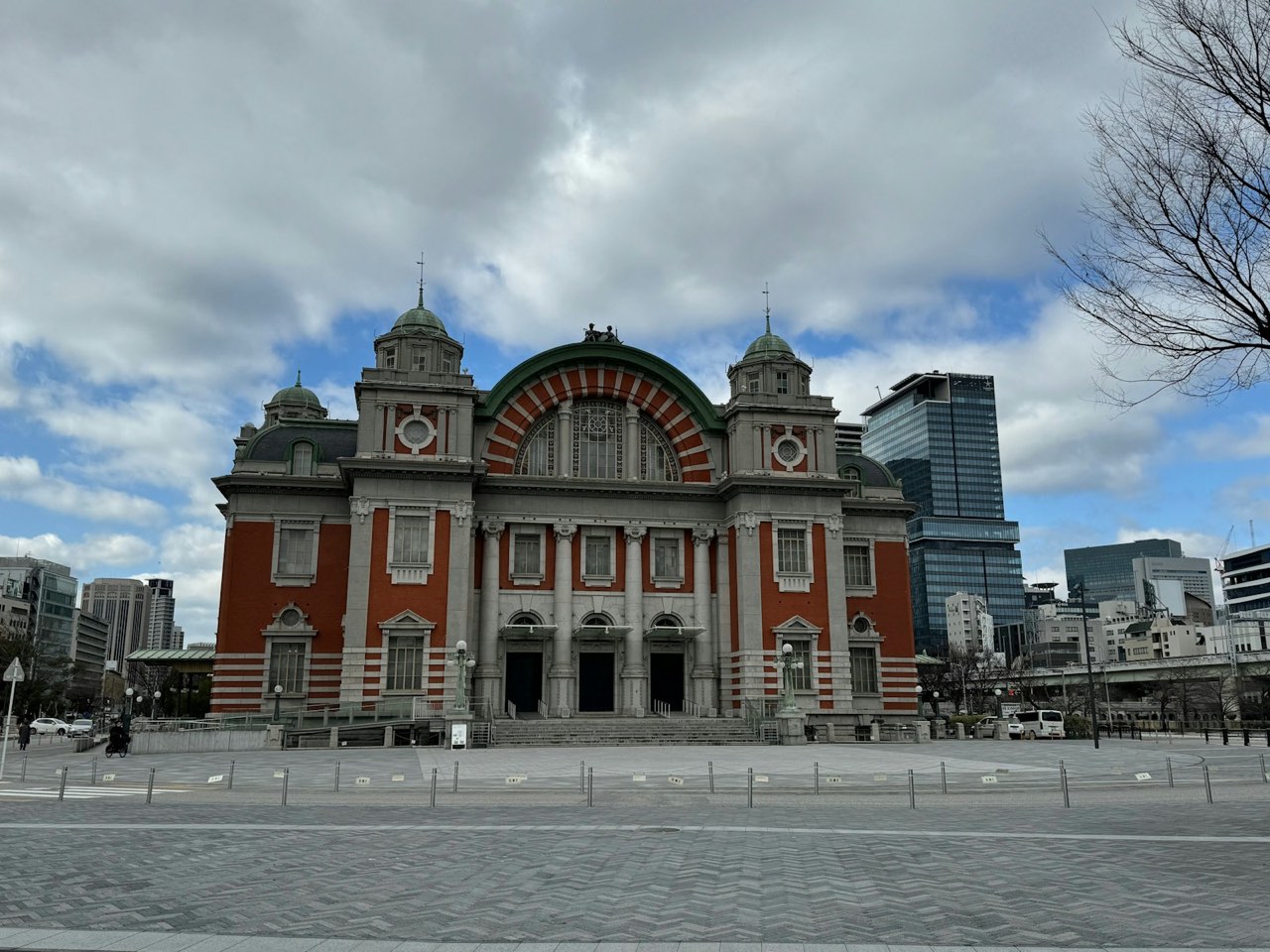
Striking red-brick neo-Renaissance hall (1918) on the river — admire the exterior freely; a basement exhibit room is open.
- 14:05
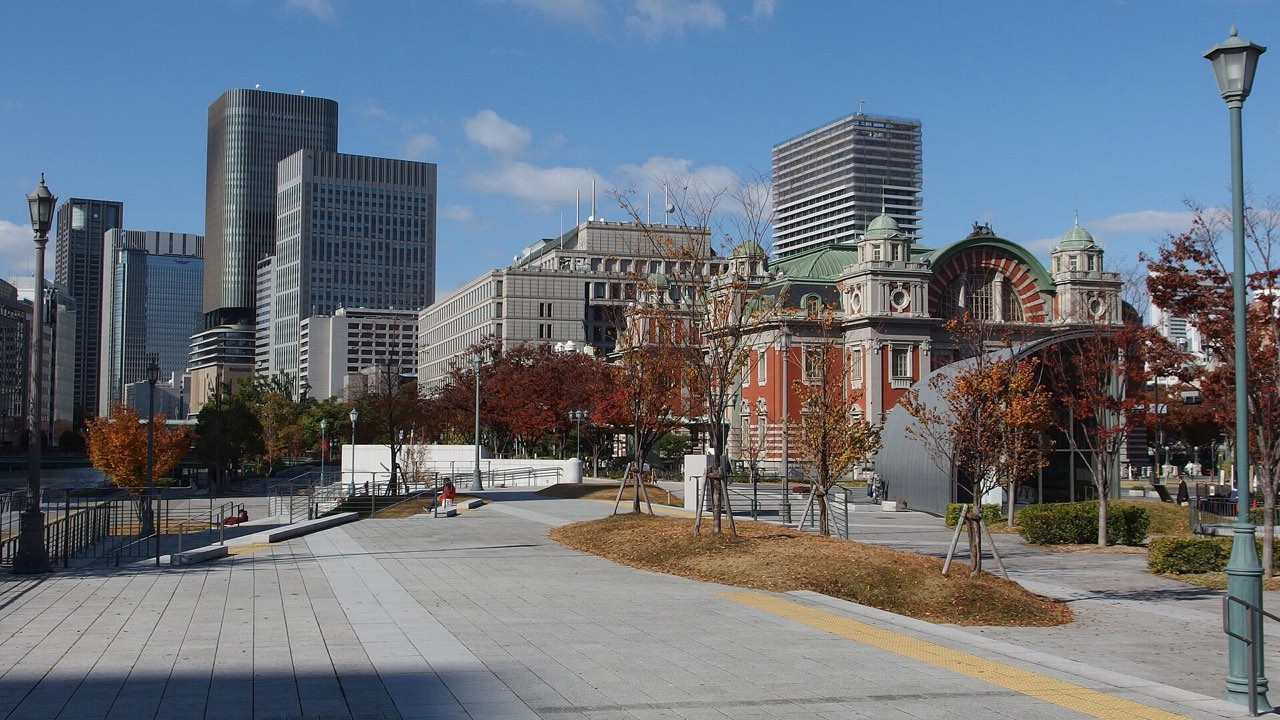
Riverside park at the island's tip with a large rose garden (best late May / autumn).
- 15:05
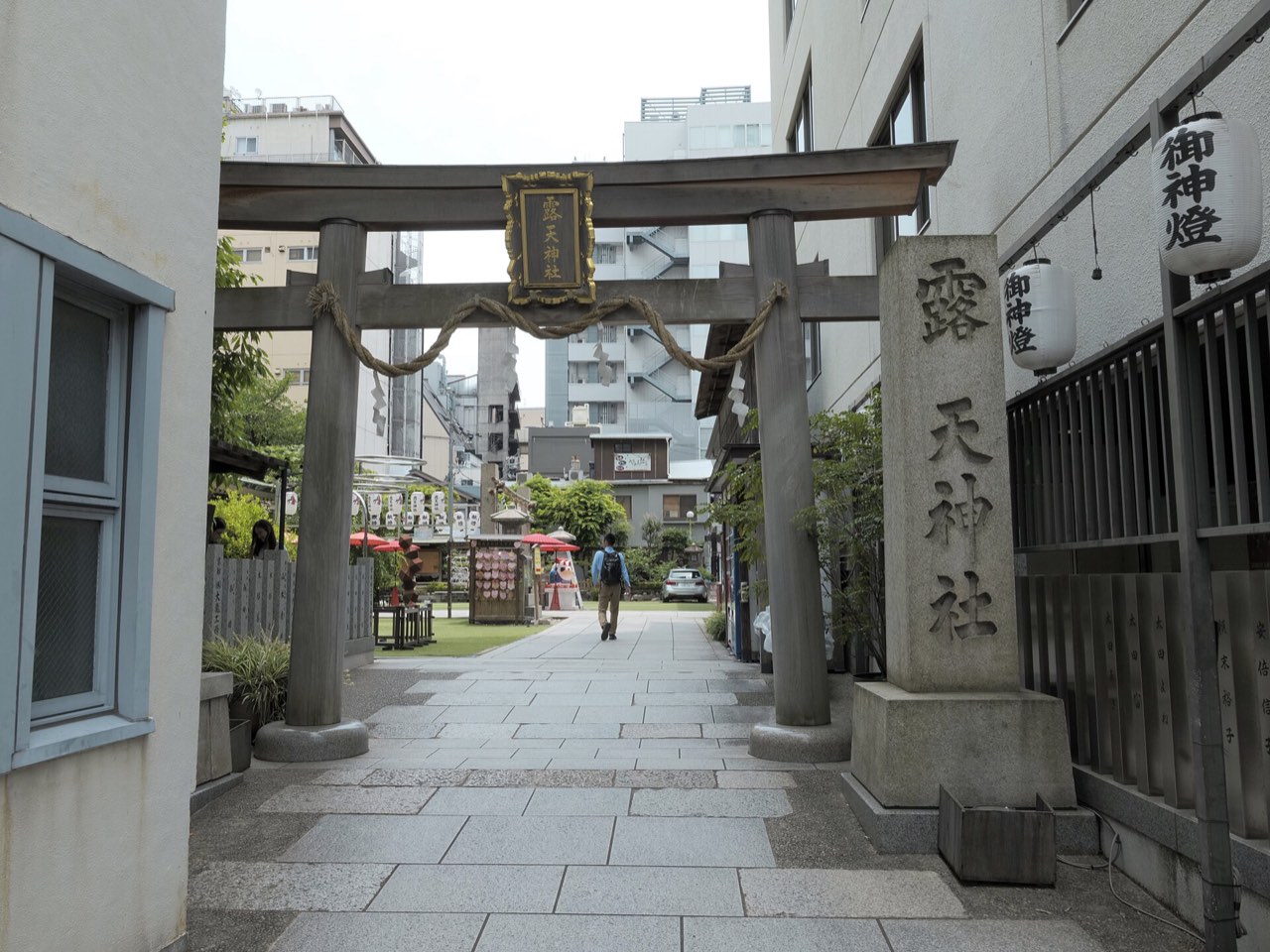
Atmospheric shrine tucked behind Umeda backstreets, tied to a famous love-suicide tale.
- 15:40Pokémon Center Osaka
Official Pokémon store inside Daimaru Umeda (13F); a hit with kids. Hours follow the department store.
- 16:35Yodobashi Camera (Umeda)
Enormous electronics complex by Osaka Station, with apparel/restaurants too. Tax-free counter for tourists.
- 18:05Dinner Kiji (Umeda)
Renowned okonomiyaki in the retro Takimi-koji food alley under Umeda Sky Building.
- 19:20
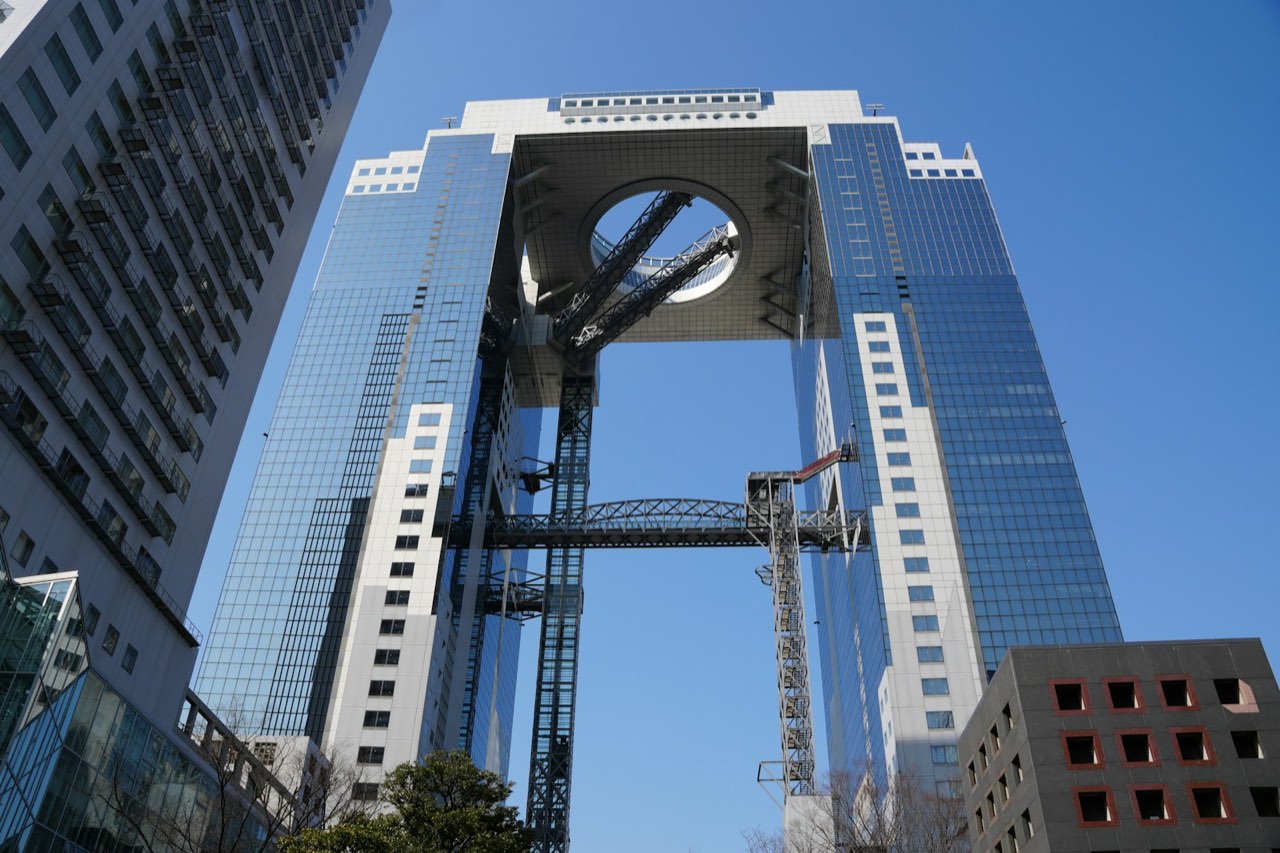
Open-air 'Floating Garden' rooftop ring (~173m) with skyline + sunset views. Hours approximate. External rating not yet sourced.
- 21:05
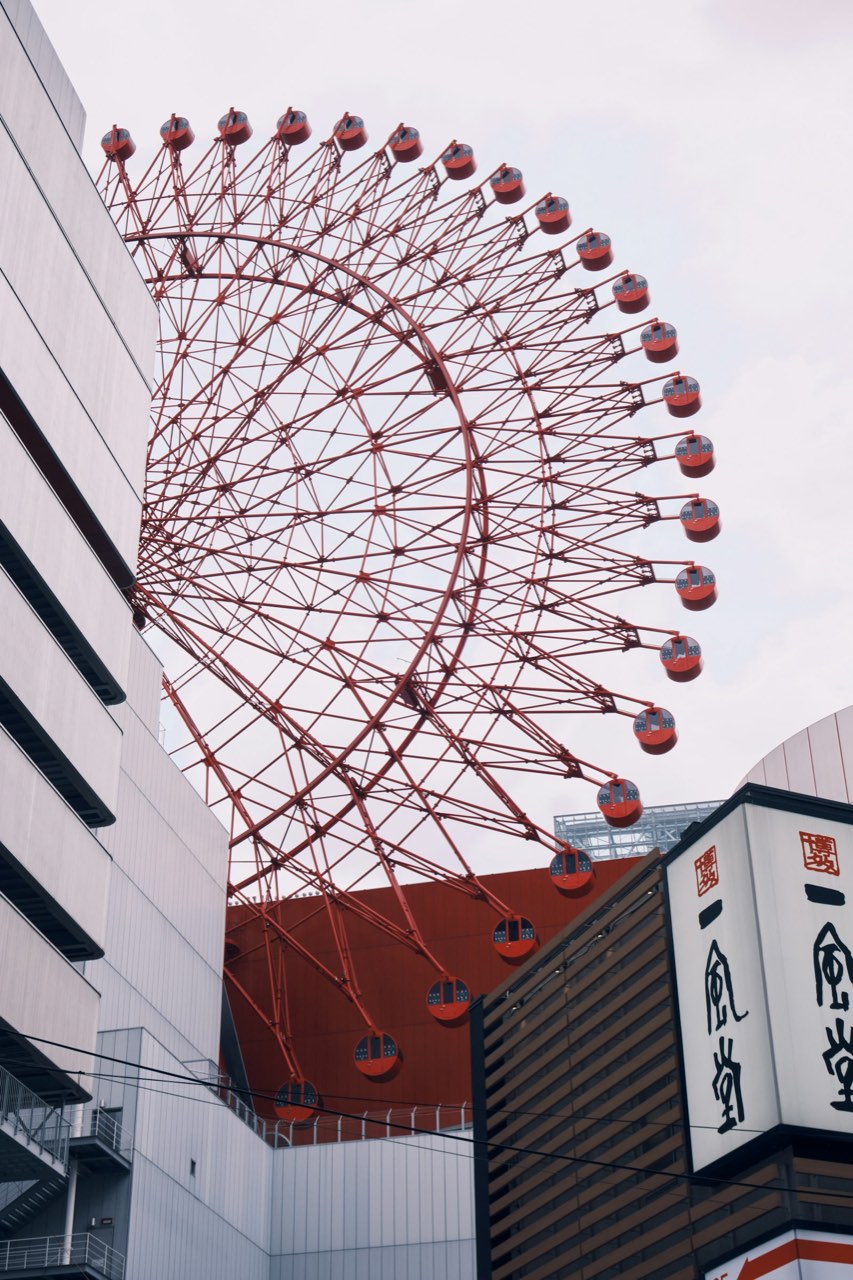
Bright-red rooftop ferris wheel atop the HEP Five mall; ~15-min ride with city views.


Day 9Namba & nearby — sights morning, shopping afternoonOsaka, 10 stops
Namba by day, to learn the streets you will come back to at night: Dotonbori's neon canal and the moss-covered statue in Hozenji Yokocho are both at their best after dark. The day is shopping-heavy by design — Don Quijote, Bic Camera, the kitchenware shops of Doguyasuji, anime goods in Nipponbashi. Kuromon Market is the food stop; many of its stalls close around 18:00, so do not leave it late.
- 08:30
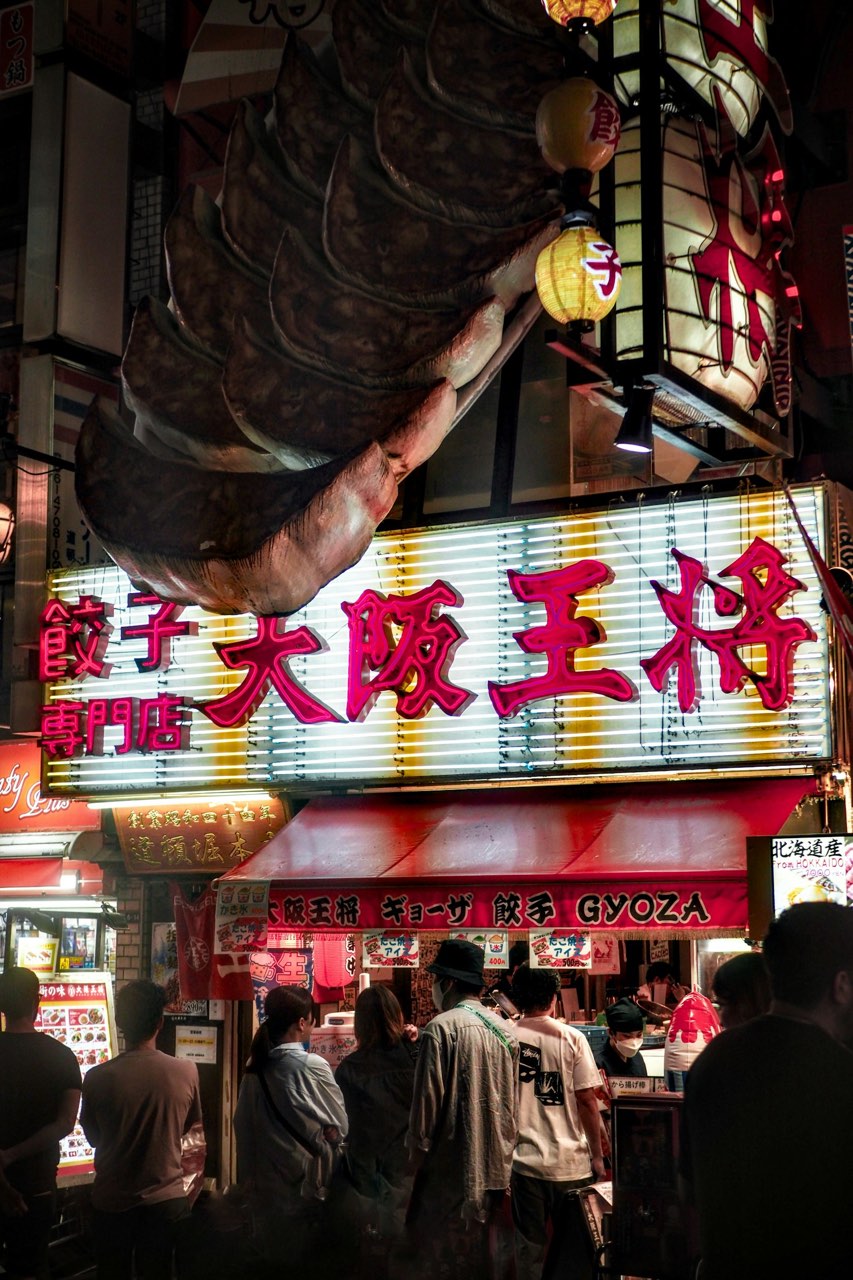
Iconic neon canal strip with the Glico running-man sign. Always accessible outdoors; busiest and best-lit at night.
- 09:45Don Quijote Dotonbori
Sprawling discount store on the canal (the one with the Ebisu Tower ferris wheel); souvenirs, snacks, cosmetics, tax-free. Often 24h.
- 10:45
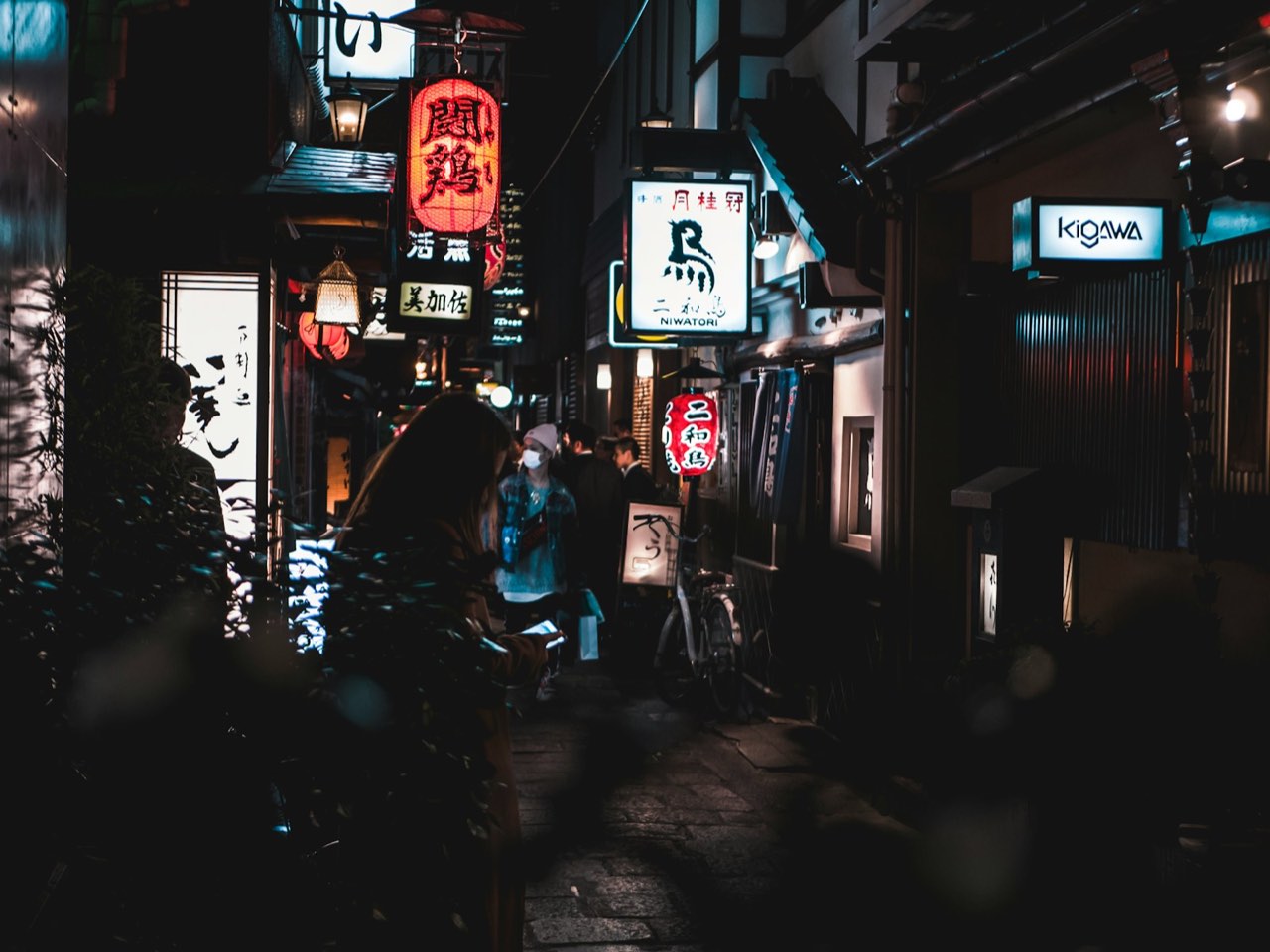
Narrow stone-paved alley with the moss-covered Mizukake-Fudo statue; most atmospheric at night. Narrow — limited stroller/wheelchair access.
- 11:30Bic Camera Namba
Big-box electronics. Stack tax-free (~10%) with the LIVE JAPAN coupon (~7%) — but NOT valid on Apple products or game consoles.
- 12:45Lunch King Emon
Osaka Black shoyu ramen (Tabelog 3.39). Cash only — no credit cards. Open 11:00 to 08:00 next-day Mon-Thu; 24h Fri-Sun.
- 13:45Doguyasuji Kitchenware Street
Covered arcade of professional kitchenware shops — knives, moulds, plastic food samples. Per-shop hours/payment vary.
- 14:40
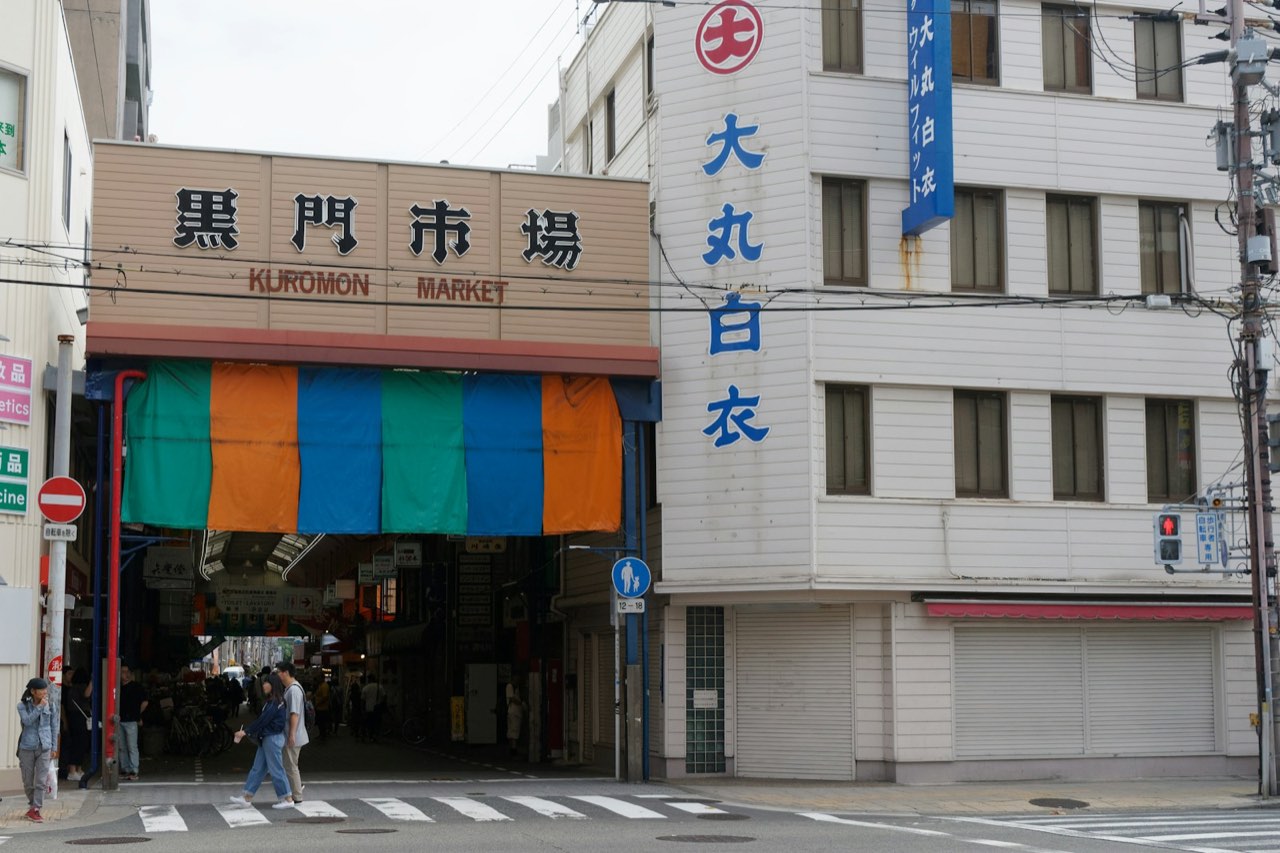
Covered food market ('Osaka's kitchen'): fresh seafood, wagyu skewers, street snacks. Open daily incl. Sundays; many stalls close ~18:00.
- 15:55Animate Nipponbashi
The big anime-goods flagship anchoring Osaka's Den Den Town otaku quarter — floors of manga, figures and character merchandise. The Osaka counterpart to Tokyo's Akihabara/Ikebukuro stores.
- 17:15KOMEHYO (Shinsaibashi)
Reliable secondhand luxury — watches, bags, jewellery — at below-retail prices; authentication assured. Good for a considered big-ticket buy.
- 18:15Dinner Imai Honten
Famous kitsune udon (Tabelog 3.60). 11:30-21:30; closed Wednesdays and the 4th Tuesday of each month. Tel 06-6211-0319.


Day 10Tsuruhashi (Koreatown) & nearby — a sights dayOsaka, 7 stops
The last day mixes Osaka's Koreatown with its castle. Tsuruhashi Market's covered alleys of kimchi and Korean groceries come first, then the castle park and the reconstructed main tower, with a history museum inside and an observation deck on top. Lunch is Tsuruhashi yakiniku. The Osaka Museum of History closes on Tuesdays, and the plan keeps this day off one. Dinner is Korean home cooking — an easy last night.
- 07:40Check out of your stay
- 09:00
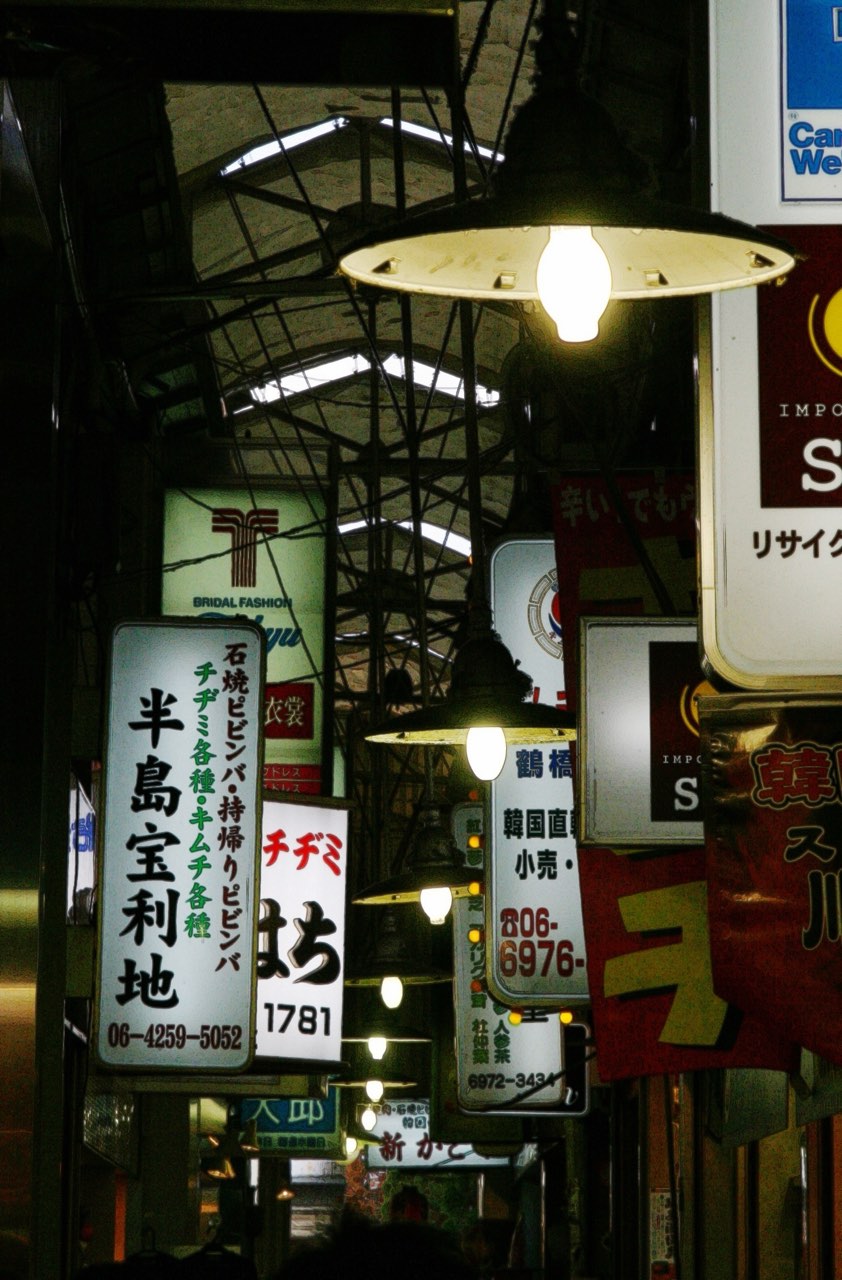
Dense, atmospheric maze of covered market alleys by the station — kimchi, Korean groceries, grilled-meat smells. Per-shop hours vary.
- 10:15Jo-Terrace Osaka
A low-rise dining-and-shopping terrace by the JR Osakajokoen park entrance — cafés, casual restaurants and a convenience store, handy before or after the castle. Individual shop hours vary.
- 11:15
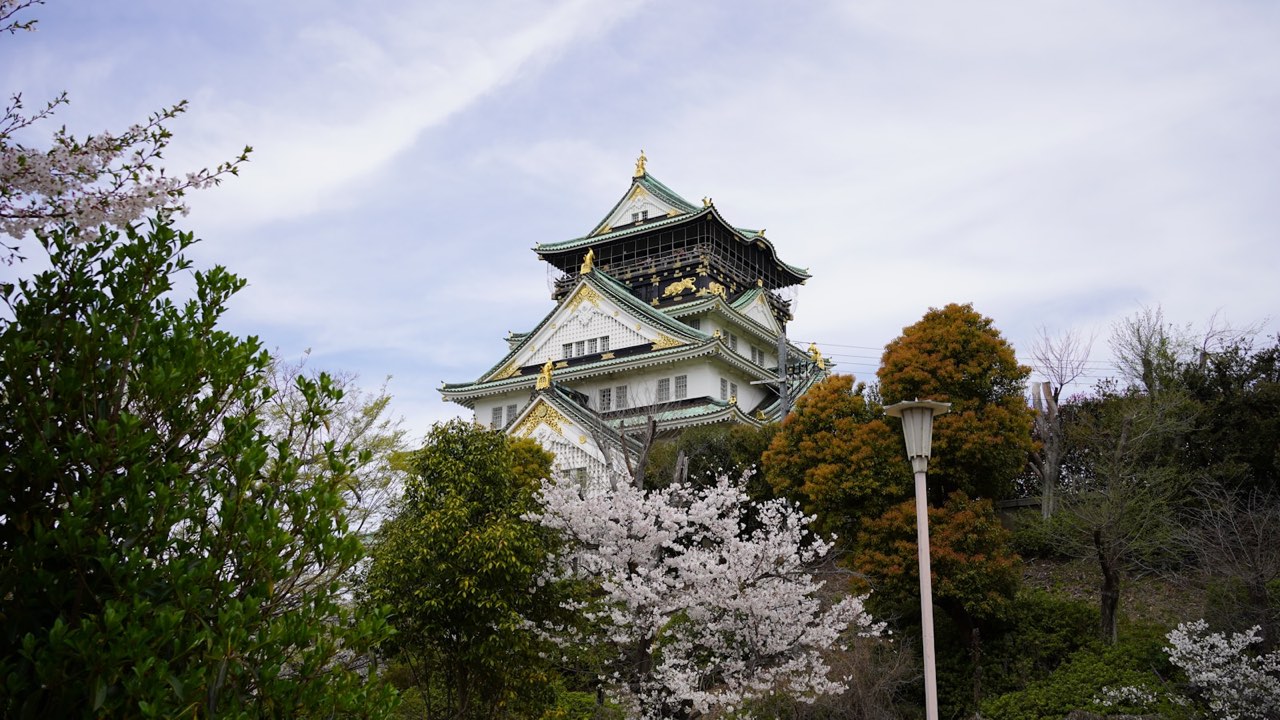
Large green park around the moats — cherry blossoms in spring, plum grove, jogging loops, and the JO-TERRACE dining deck. Grounds always open.
- 12:30Lunch Ajiyoshi (Tsuruhashi yakiniku)
Long-running Tsuruhashi yakiniku house — grill-your-own at the table.
- 13:30
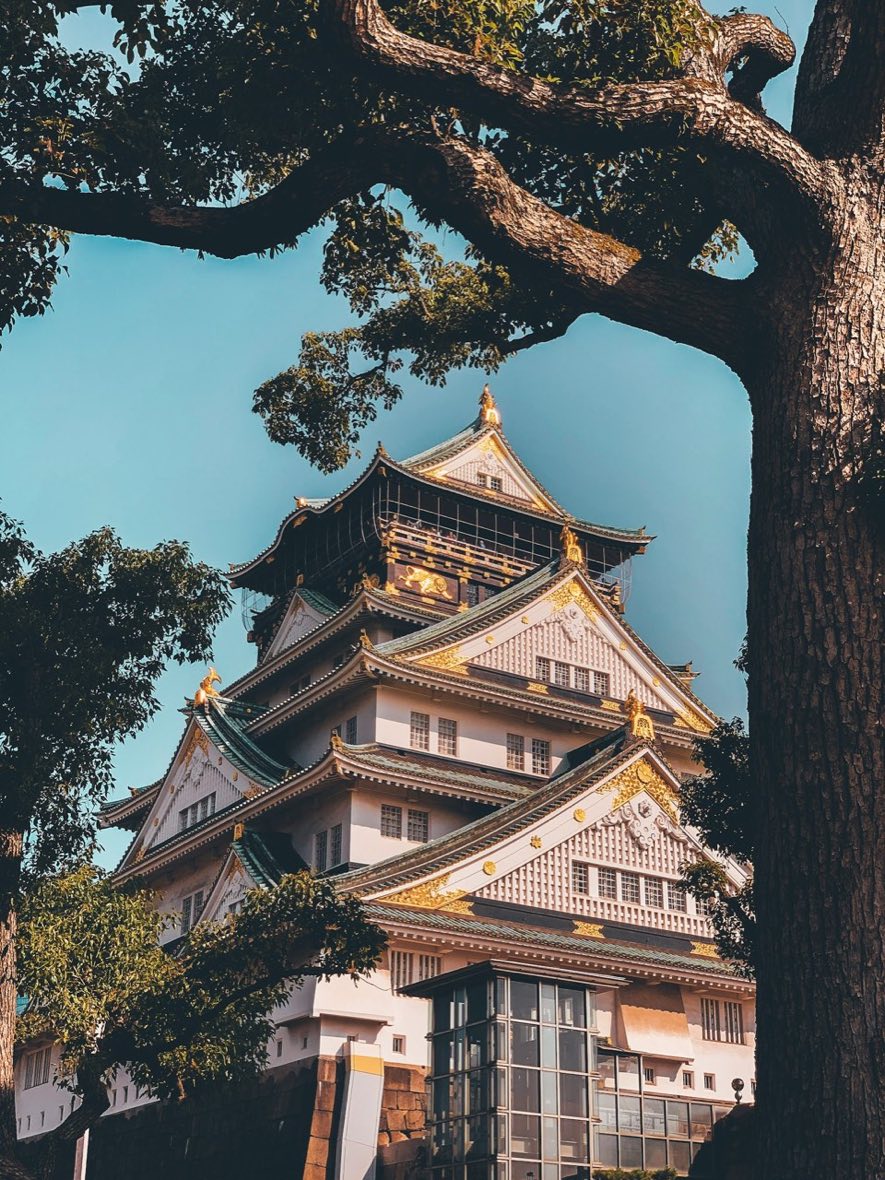
Reconstructed keep with a history museum inside and a top-floor observation deck. Hours approximate (last entry ~30 min before close).
- 15:15
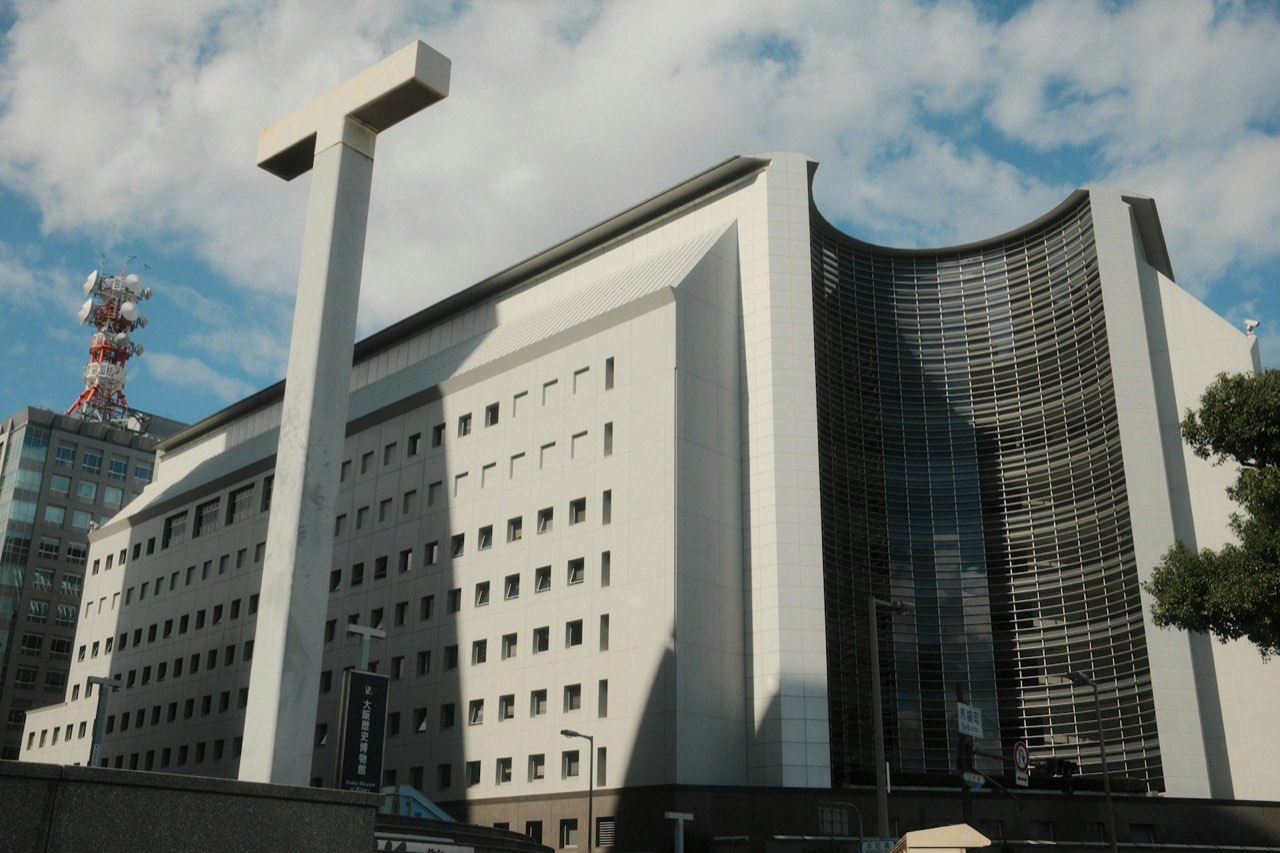
Walk Osaka's history down through reconstructed eras, with castle views from the upper floors. Closed Tuesdays.
- 17:30Dinner Omoni (Korean home cooking)
Beloved hole-in-the-wall okonomiyaki house with Korean roots in the Tsuruhashi lanes — the kimchi okonomiyaki is the signature. Closed Mon-Tue; last entry ~21:00.


Good to know
- Book timed slots before you fly: Tokyo Skytree, Shibuya Sky and the Samurai Ninja Museum all sell timed entry, and the good times go first.
- Closing days decide the order. Ueno's zoo and national museum close on Mondays and the Osaka Museum of History on Tuesdays — when you pick your dates, the plan moves those days to open days wherever it can.
- Electronics stores offer tax-free shopping for visitors; at Bic Camera the extra discount coupon does not apply to Apple products or game consoles.
- The two travel days are short shinkansen hops with time to drop bags at the hotel — travel light on those mornings and the afternoon is yours.