
Tokyo, Kanazawa & Kyoto — gardens, gold leaf and geisha districts in 8 days
- 8 days, 3 cities
- Balanced pace
- About 35 min walking a day
Three days in Tokyo, then the Hokuriku shinkansen north-west to Kanazawa in about two and a half hours: Kenrokuen, one of Japan's three great gardens, the preserved Higashi Chaya teahouse quarter, and a covered market that still feeds the city. The run on to Kyoto now changes at Tsuruga — roughly two and a quarter hours in total — for three closing days among the temples and machiya streets. Every stop is human-verified, hours and closing days included, and the plan works offline once saved.
Day by day
Day 1Asakusa — a sights dayTokyo, 8 stops
Old downtown Tokyo: the Senso-ji temple and its Nakamise souvenir street, rickshaws, traditional sweets, and Tokyo Skytree rising across the river. The city's most atmospheric, lower-cost quarter — best early before the crowds.
- 08:00Breakfast Kagetsudo (melon pan)
Famous for its giant, crisp-then-fluffy jumbo melon pan, baked fresh through the day — a cheap, fun Asakusa walking snack.
- 08:30
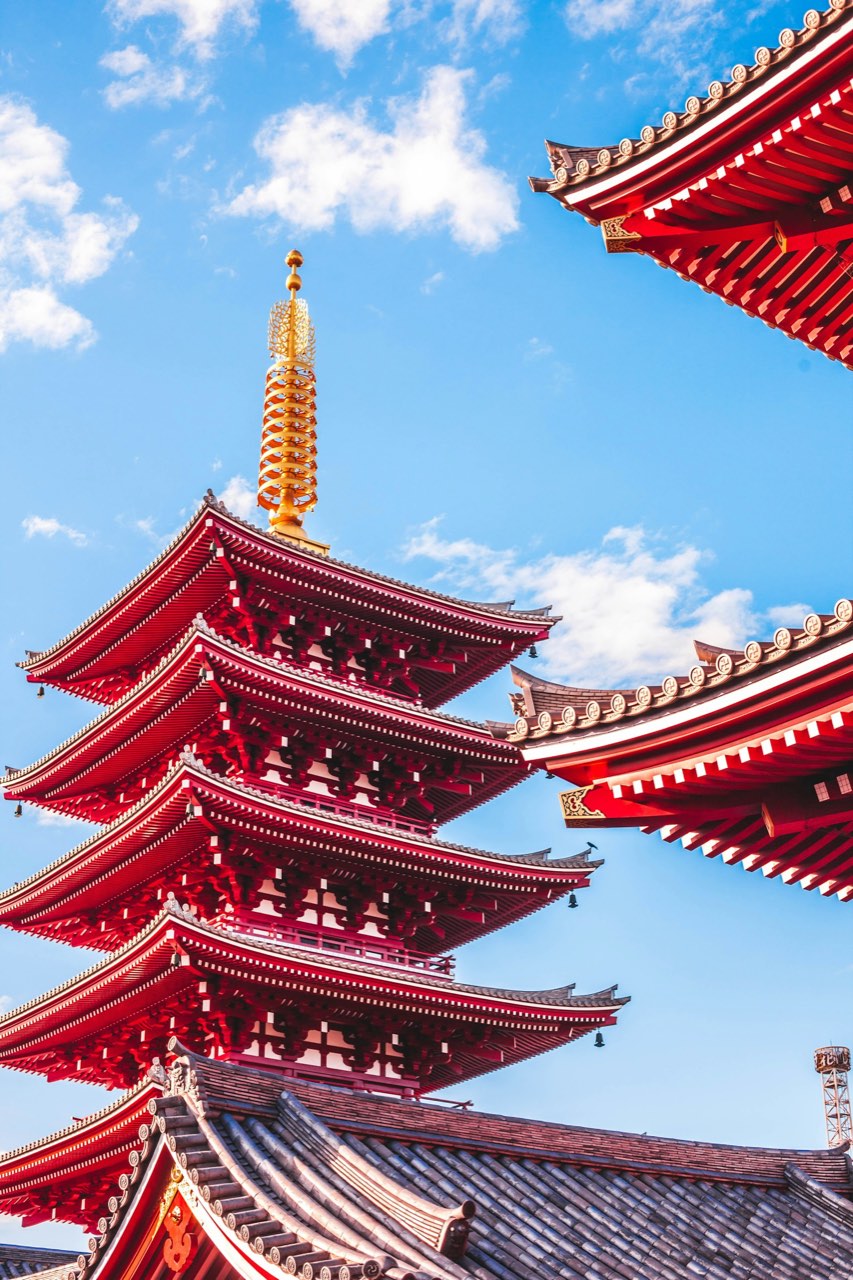
Tokyo's oldest temple, approached through the Kaminarimon gate and Nakamise shopping street. The grounds are always open and free (main hall ~06:00-17:00); beautifully lit at night and best explored early.
- 09:45Nakamise Shopping Street
The 250 m approach to Senso-ji, lined with stalls of folding fans, kimono trinkets, ningyo-yaki cakes and fresh senbei. Per-shop hours vary; busiest midday.
- 10:40
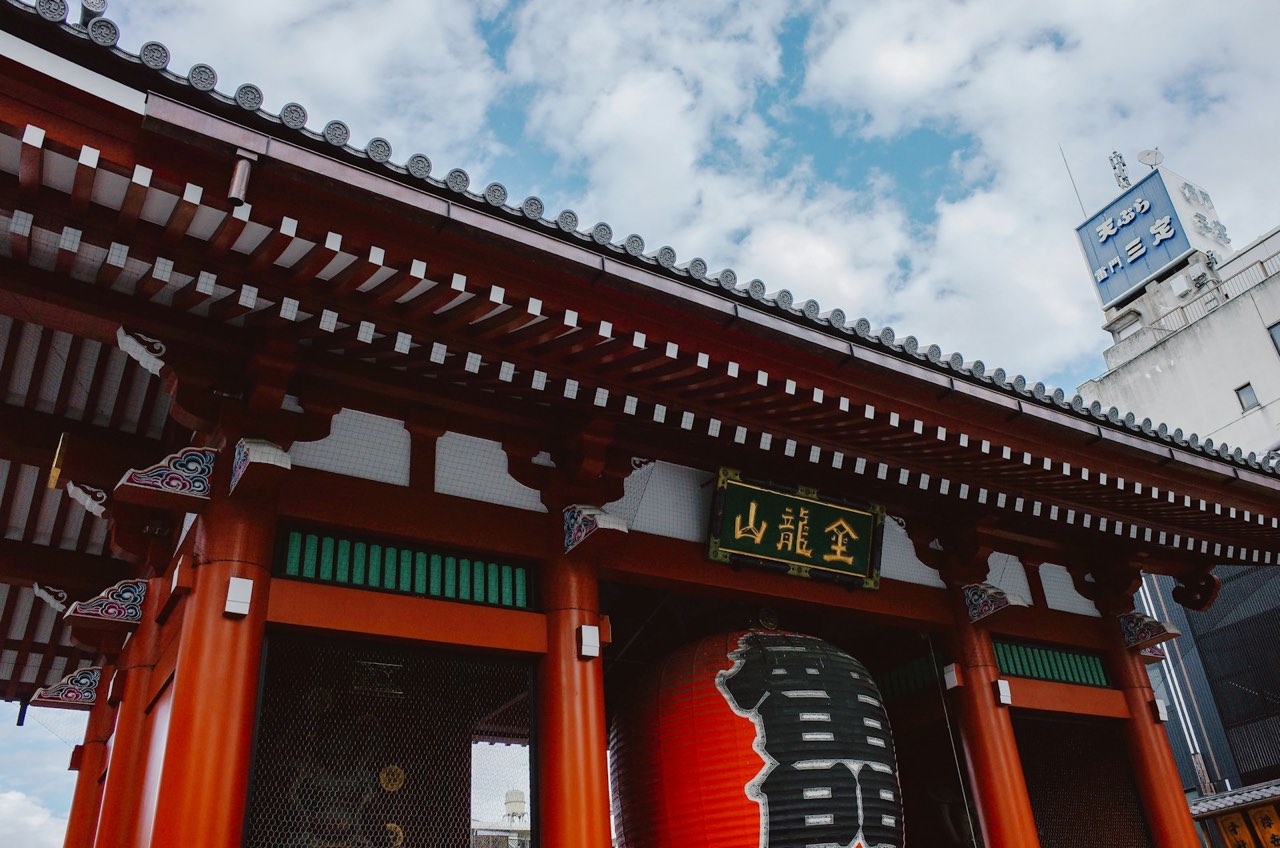
The giant red 'Thunder Gate' lantern marking the entrance to Senso-ji — Asakusa's signature photo. Always accessible.
- 11:10Samurai Ninja Museum Tokyo
A hands-on Asakusa museum where a guided tour walks you past real Edo-period armour, katana and ninja tools, then lets you throw shuriken yourself; armour try-on and sword lessons are optional add-ons. Entry is timed — book online ahead, and check current hours before you go.
- 13:25
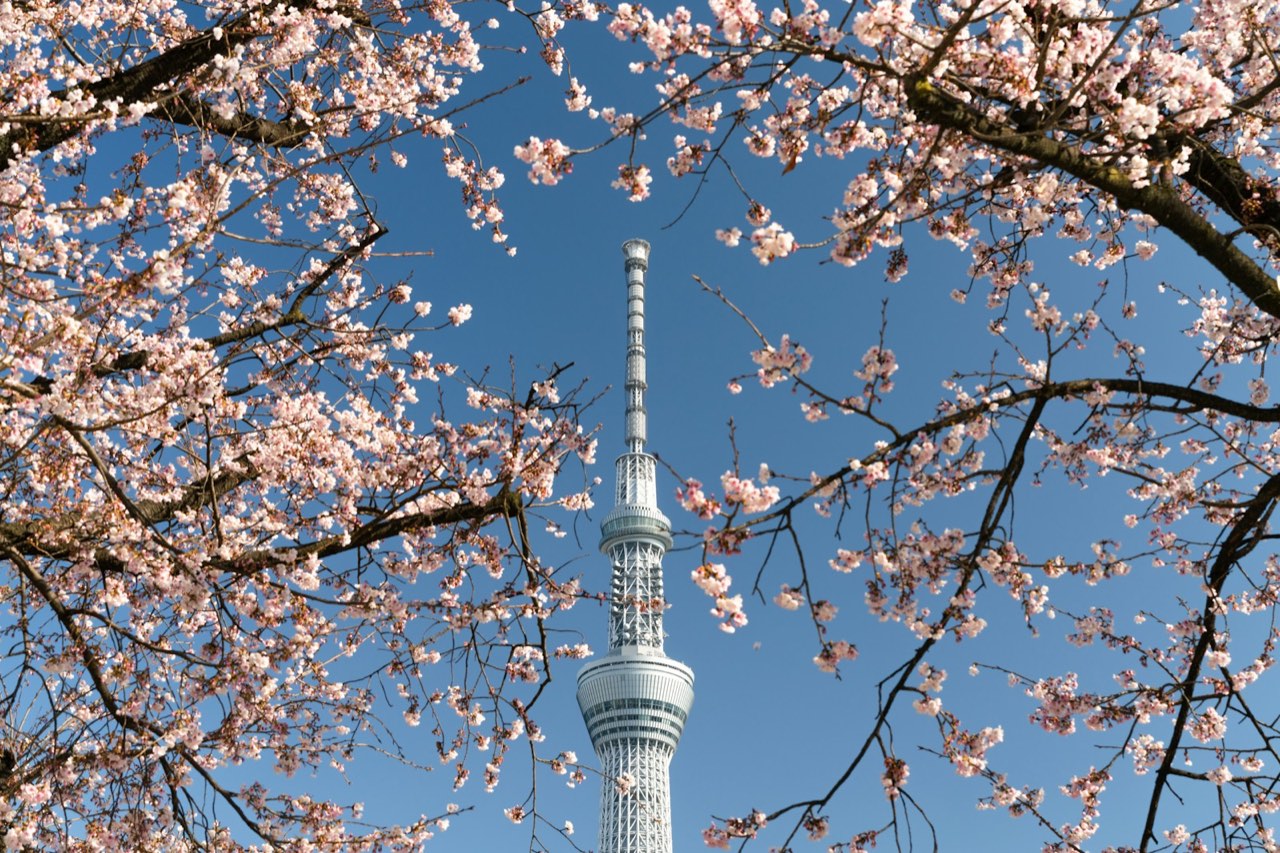
At 634 m, the world's tallest tower — two observation decks with vast city views, plus the Solamachi mall and aquarium at its base. Across the river from Asakusa (~15-min walk or one stop); buy timed tickets to skip the line.
- 15:10Asakusa Sumo Club
A purpose-built sumo hall minutes from Senso-ji where retired professional wrestlers stage demonstration bouts with English commentary — a show, not a real tournament — usually paired with all-you-can-eat chanko-nabe hot pot. Four two-hour sessions run daily; book ahead, evening slots can sell out a week or more in advance.
- 17:30Dinner Daikokuya Tempura
Century-old Asakusa institution for tendon — tempura over rice in a dark sesame-oil sauce. Expect a queue; cash is safest.


Day 2Nakameguro & Daikanyama & nearby — sights morning, shopping afternoonTokyo, 9 stops
Tokyo's most stylish low-rise quarter: the willow-and-cherry-lined Meguro River with its canal-side cafés (peak magic in late-March blossom season), the book-lover's Daikanyama T-Site, and a slow drift of design shops, roasteries and bistros. A grown-up, unhurried day.
- 08:00Breakfast Starbucks Reserve Roastery Tokyo
A four-storey Kengo Kuma-designed coffee 'theatre' on the Meguro River, with a copper roasting cask, a Teavana tea bar and a Princi bakery. Spectacular when the cherry trees bloom outside the upper terraces; expect a wait at peak times.
- 08:30

A small hillside park above the river with a grassy slope, a little waterfall and a west-facing terrace that catches the sunset over the city — a quiet pause a few minutes from the Nakameguro bustle.
- 09:15
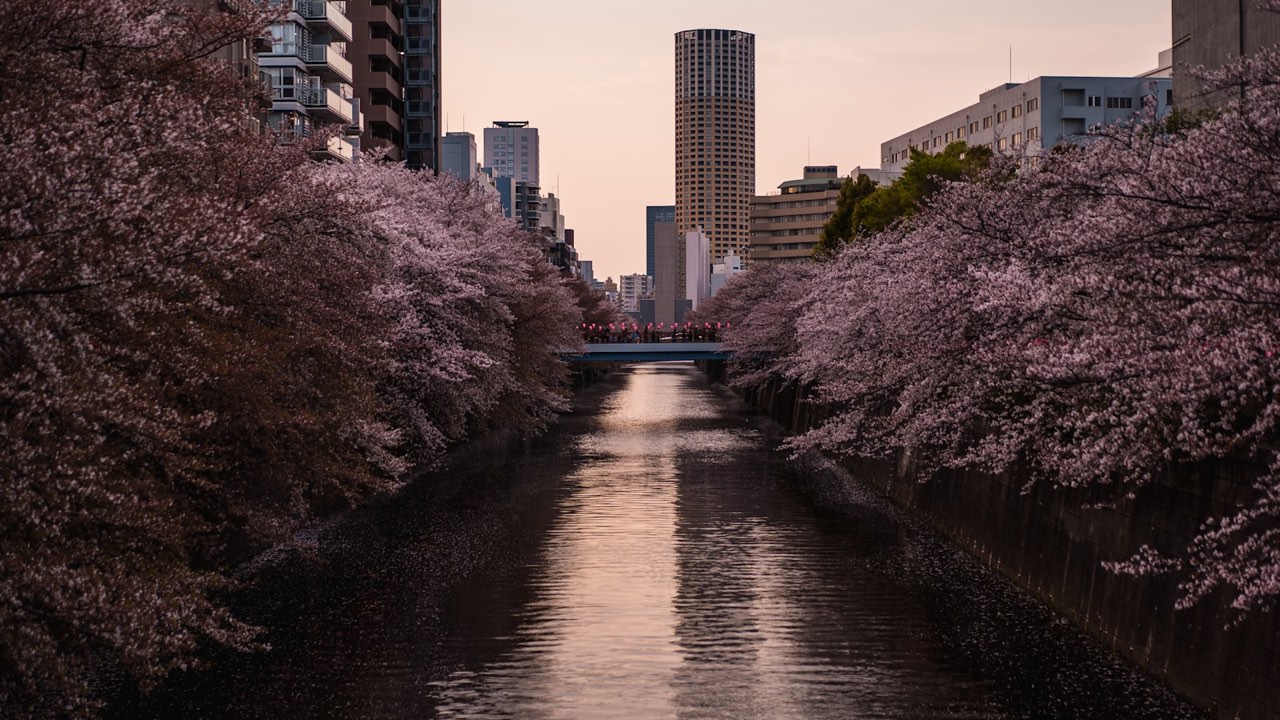
A canal lined with hundreds of cherry trees that arch over the water — Tokyo's prettiest blossom walk in late March, lit pink at night, and a pleasant café-hopping stroll the rest of the year. Always open and free.
- 10:30Daikanyama T-Site (Tsutaya Books)
A celebrated bookstore-as-destination: three glass pavilions of books, magazines, music and stationery, with the Anjin lounge upstairs for coffee among vintage art journals. A design pilgrimage and a lovely slow browse.
- 13:00Log Road Daikanyama
A low-rise strip of shops and cafés built along a former rail siding — home to a Spring Valley craft brewery taproom and breezy terraces. A relaxed link between Daikanyama and the Nakameguro riverside.
- 14:00Atre Ebisu
The big station-side mall directly over Ebisu Station — fashion, cosmetics, a supermarket and a strong restaurant floor, all weatherproof and handy on arrival or departure. A practical everyday stop rather than a destination.
- 15:15Yebisu Garden Place
A refined open-air complex built on the old Yebisu brewery site — a glass-roofed plaza, a department store, restaurants from casual to the Joël Robuchon château, and a vast Baccarat chandelier that anchors a famous winter illumination. Pleasant to stroll any time; the plaza is always open.
- 16:30
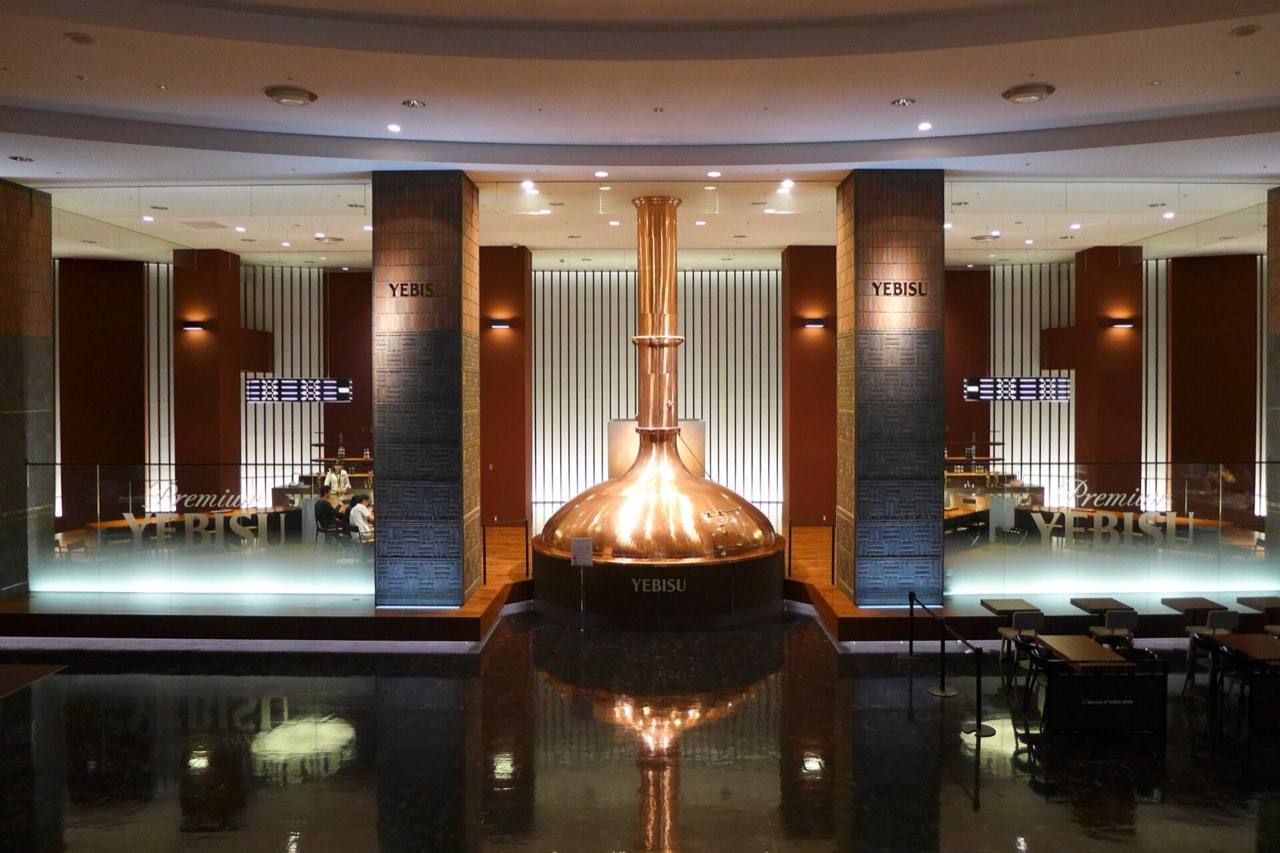
A small museum tracing the Meiji-era Yebisu brand that gave the district its name, with free galleries and a paid guided 'brand experience' tour that ends in a tasting salon. A relaxed, grown-up half-hour; usually closed Mondays, with shorter weekday afternoon hours.
- 17:45Dinner Yakiniku Champion (Ebisu)
A respected yakiniku house run by a meat wholesaler, so the wagyu cuts are top-grade and well priced for the quality — grill your own over charcoal at the table. A satisfying splurge; reserve for evenings as it fills quickly.


Day 3Roppongi — sights morning, shopping afternoonTokyo, 6 stops
Tokyo's art-and-nightlife district: the Mori Art Museum and Tokyo City View atop Roppongi Hills, the design-led Tokyo Midtown and Suntory Museum, teamLab Borderless at Azabudai Hills, and after dark a dense run of bars and clubs. A culture-by-day, lights-by-night neighborhood.
- 10:00Mori Art Museum & Tokyo City View
Contemporary-art museum on the 53rd floor of Roppongi Hills, paired with the Tokyo City View indoor observation deck — one of the city's best skyline panoramas, open late. Exhibitions rotate; the museum closes earlier on Tuesdays.
- 12:00Lunch Gonpachi Nishi-Azabu
The towering wooden izakaya whose interior inspired the 'Kill Bill' showdown set, serving soba, kushiyaki and sake under lantern light. Atmospheric and tourist-friendly; book a table for evenings.
- 13:00Roppongi Hills
The landmark Mori Tower complex of shops, restaurants and cinemas, marked by Louise Bourgeois's giant 'Maman' spider out front. The base of the Mori Art Museum and a natural Roppongi starting point.
- 14:45Tokyo Midtown
Design-led complex of boutiques, the Suntory Museum of Art and the 21_21 Design Sight gallery, wrapped around a green lawn that becomes an illumination in winter. Restaurants stay open later than the shops.
- 16:30

The borderless digital-art museum reborn at Azabudai Hills — rooms of light, water and projected flowers you walk straight into. Entry is by timed ticket and sells out; book online ahead. Closed on scattered days each month, so check before you go.
- 20:00Tokyo Tower
The 333-metre red lattice tower that has been Tokyo's symbol since 1958 — the 150m Main Deck is walk-up friendly, while the 250m Top Deck runs as a separate timed, reservation-only tour. Come at sunset for the day-to-night switch; it stays open late, and a barrier-free route serves the Main Deck.

Day 4Higashi Chaya District & nearby — a sights dayKanazawa, 7 stops
Kanazawa's largest geisha teahouse quarter — lattice-fronted wooden 'chaya' along stone-paved lanes, now holding gold-leaf craft shops, cafés and a preserved teahouse you can tour, with the riverside Kazue-machi quarter close by. Beautiful and atmospheric, especially in the evening.
- 09:40Check out of your stay
- 10:00Shinkansen
- 11:59Drop your bags at your stay
- 12:29Lunch Hakuichi (gold-leaf ice cream)
The shop famous for its soft-serve ice cream crowned with a whole sheet of edible gold leaf — Kanazawa's most photogenic snack, the city making most of Japan's gold leaf. A fun, quick treat while exploring the teahouse lanes.
- 13:29
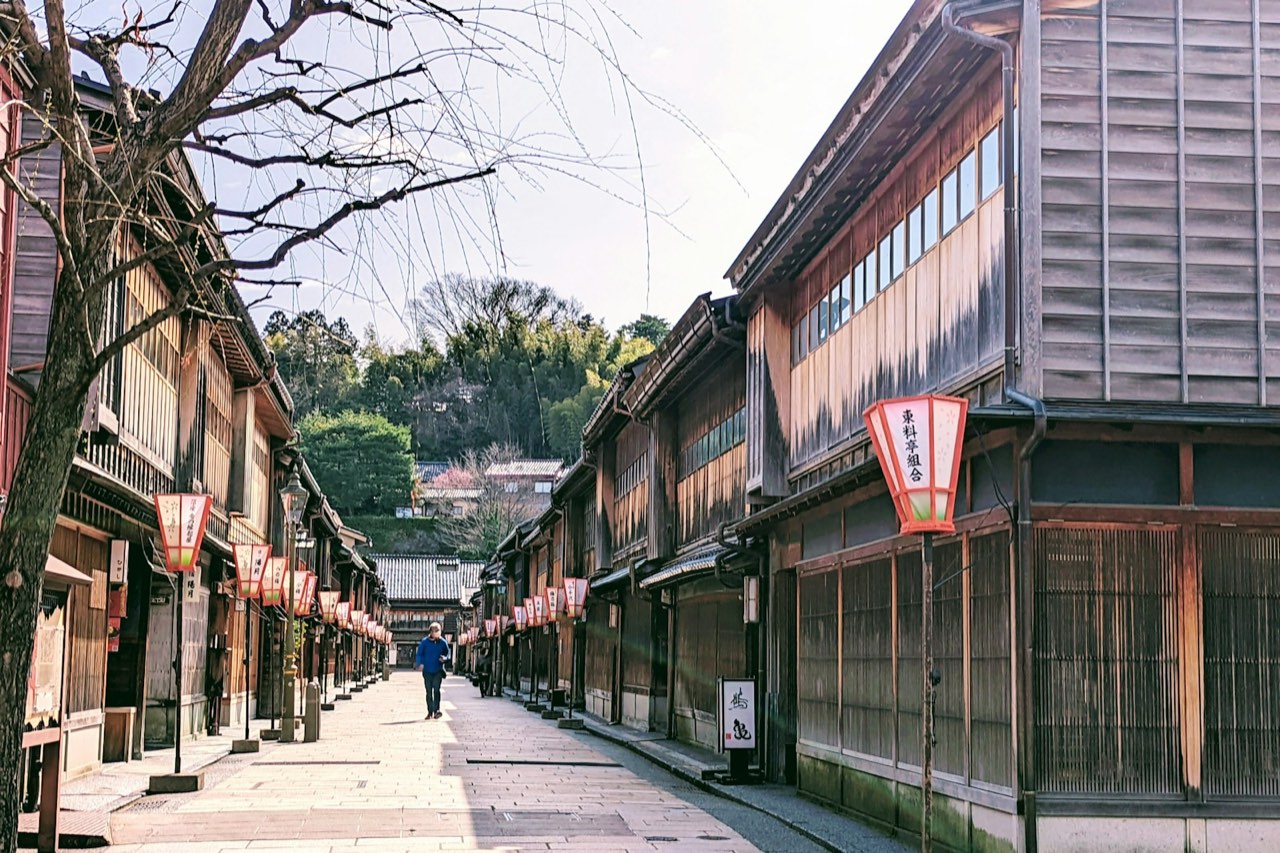
The largest and prettiest of Kanazawa's old teahouse districts — two-storey wooden 'chaya' with fine wooden lattices along stone-paved lanes, now full of craft shops and cafés. Free to wander any time; quietest and most photogenic early morning, atmospheric at dusk.
- 14:44Hakuza (gold-leaf crafts)
A gold-leaf specialist whose shop hides a dazzling storehouse lined entirely in gold and platinum leaf, selling lacquerware, cosmetics and gilded crafts. The signature Kanazawa souvenir stop; the golden kura out back is worth a look.
- 15:29
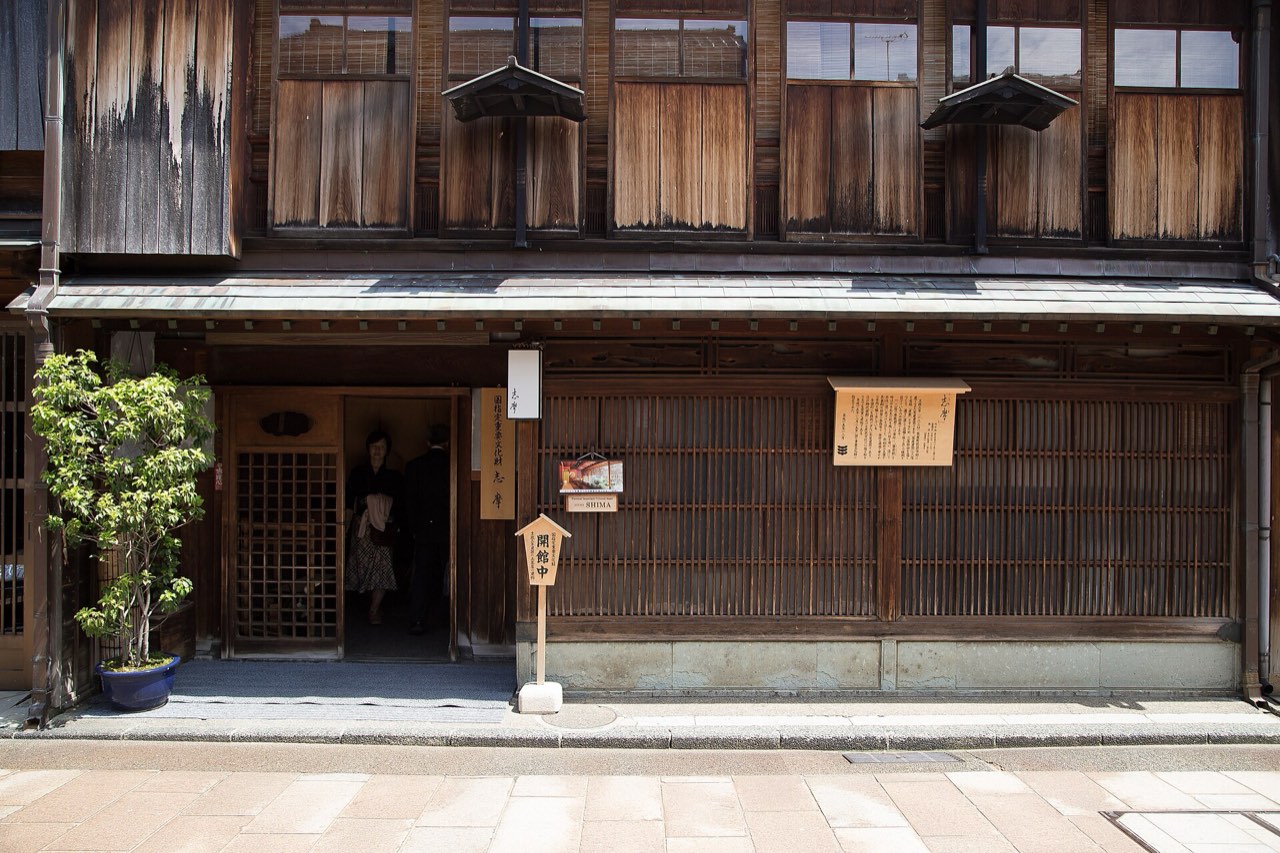
A preserved 1820 ochaya open as a museum, its delicate rooms, instruments and lacquerware showing how guests were once entertained by geisha. A small admission; an intimate look behind the lattices, up a steep old staircase.
- 16:14
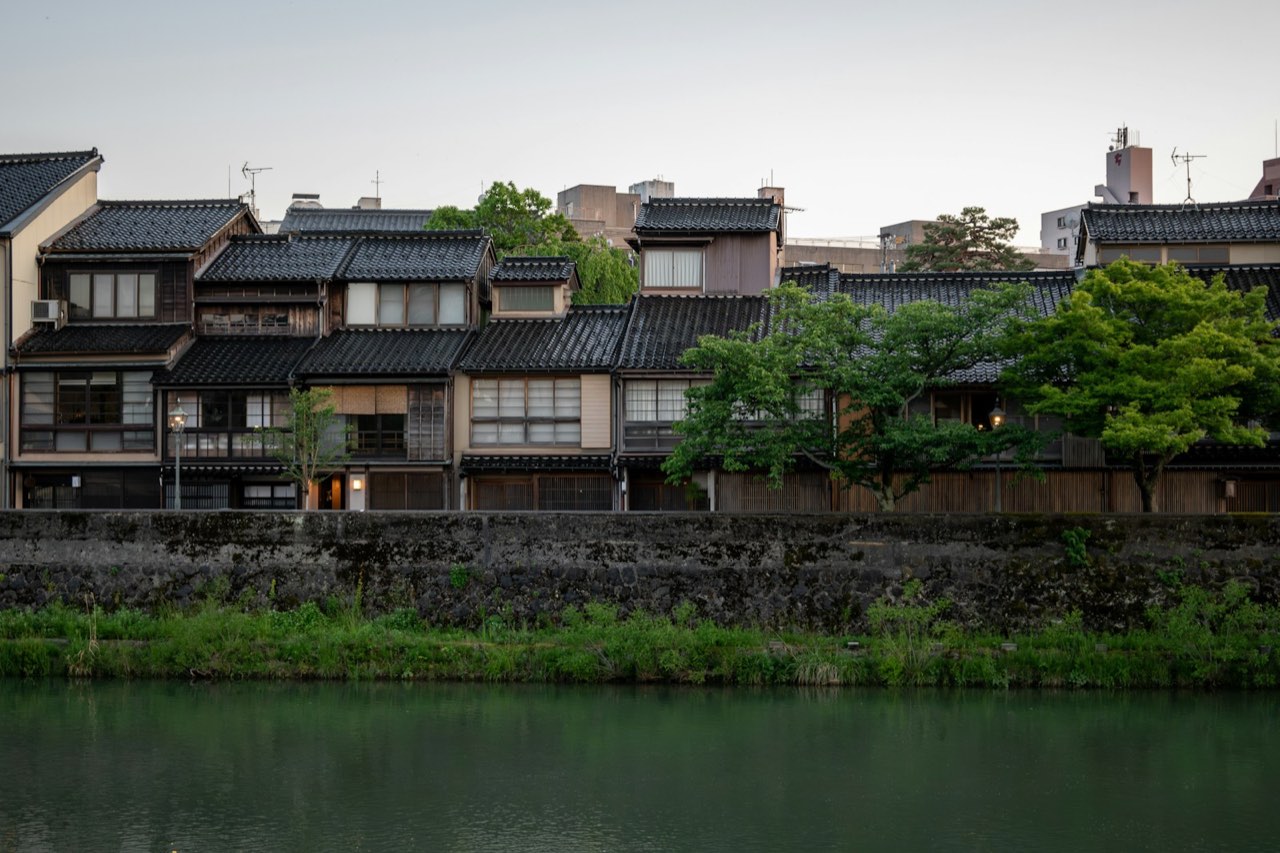
A smaller, hushed teahouse quarter along the Asano River between Higashi Chaya and the centre, its wooden facades reflecting in the water and a 'dark lane' of old steps. Free and lovely at dusk when lanterns glow; a short riverside walk.
- 16:59Korinbo & Tatemachi Shopping
Kanazawa's main shopping zone — the Korinbo department stores and the covered Tatemachi fashion street, flowing into the Katamachi nightlife district. The place for everyday shopping and dinner; per-shop hours vary.
- 18:14Dinner Akadama Honten (Kanazawa oden)
Kanazawa's classic oden izakaya (since 1927) - local specialities like kani-men (crab-stuffed shell) simmer in a generations-old broth. Closed Mondays; evenings get lively.


Day 5Kenrokuen, Castle & 21st-C Museum — sights morning, shopping afternoonKanazawa, 6 stops
Kanazawa's cultural core on the central hill — the celebrated Kenrokuen strolling garden, the moated castle park across the road, the playful 21st Century Museum of Contemporary Art and the unusual Oyama Shrine. A walkable day of gardens, history and art.
- 08:00Breakfast Shigure-tei (garden tea house)
A reconstructed teahouse within Kenrokuen serving matcha and a seasonal sweet on tatami overlooking the garden. A serene pause mid-stroll; cash only and best mid-morning.
- 08:30
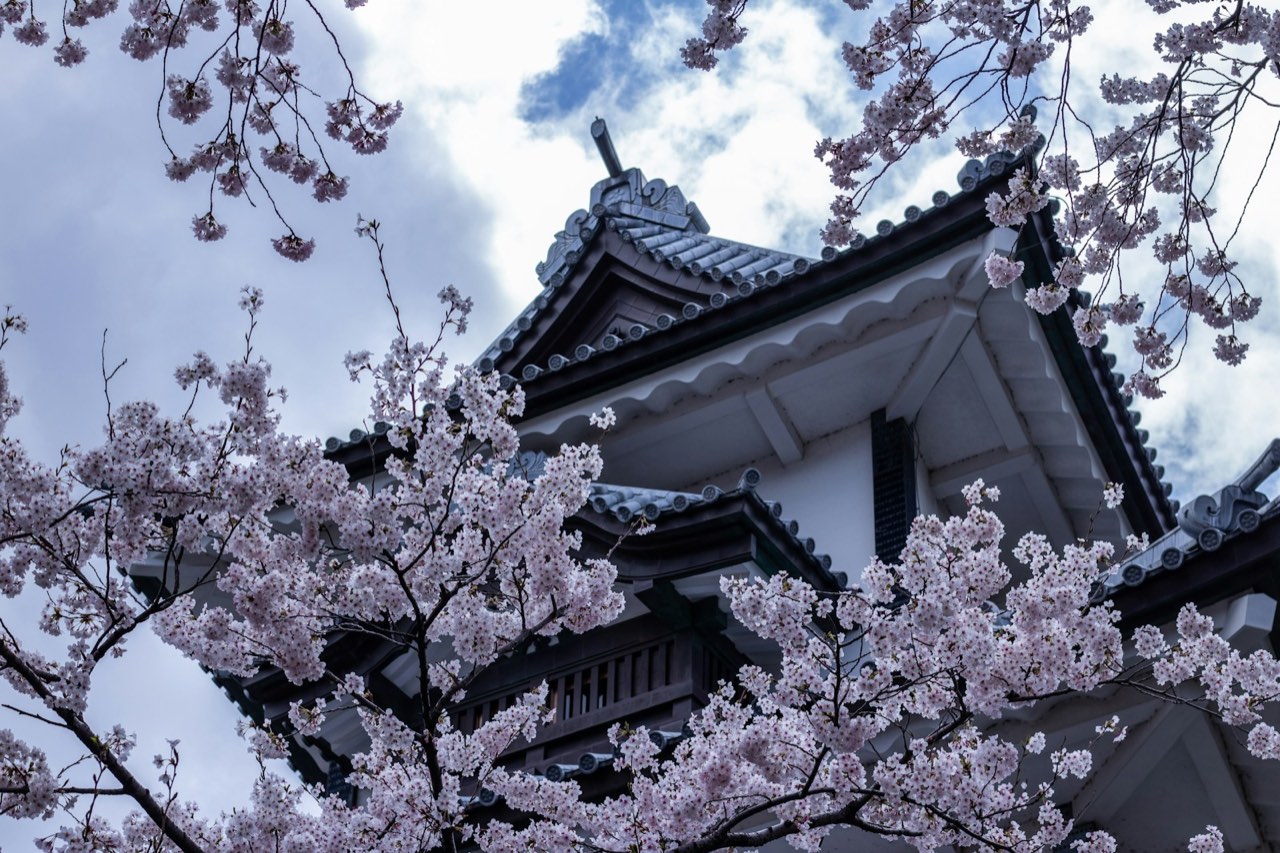
The vast moated park of the Maeda lords' castle, across a bridge from Kenrokuen, with beautifully rebuilt white-lead-tiled turrets and gates you can walk through and enter. The grounds are free and largely flat; some castle buildings charge a small fee.
- 09:45
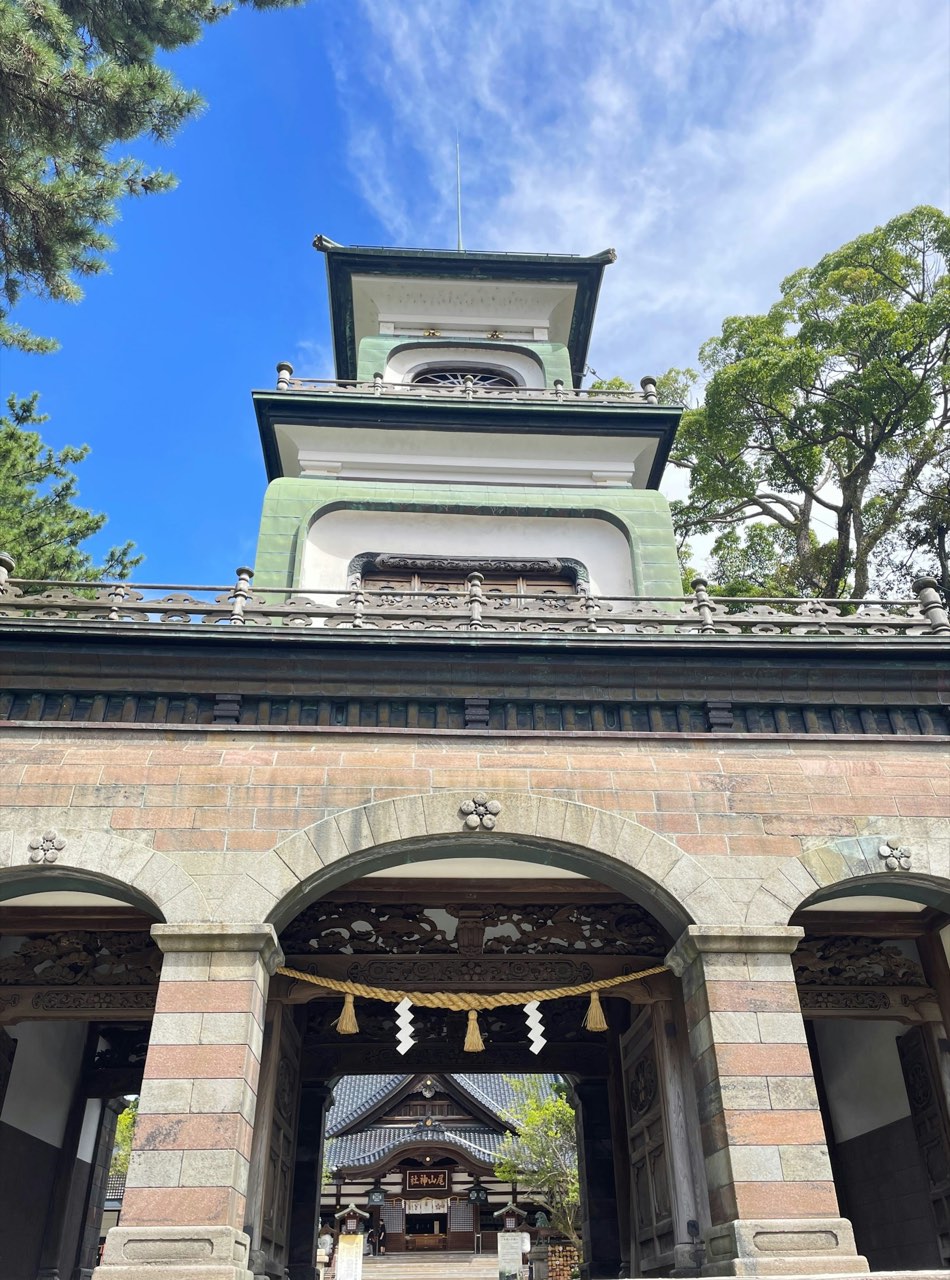
A shrine honouring the Maeda founder, distinguished by a quirky three-storey gate blending Japanese, Chinese and Western styles with Dutch stained glass, lit up at night. Free, central and quick; a short walk from the castle.
- 10:30
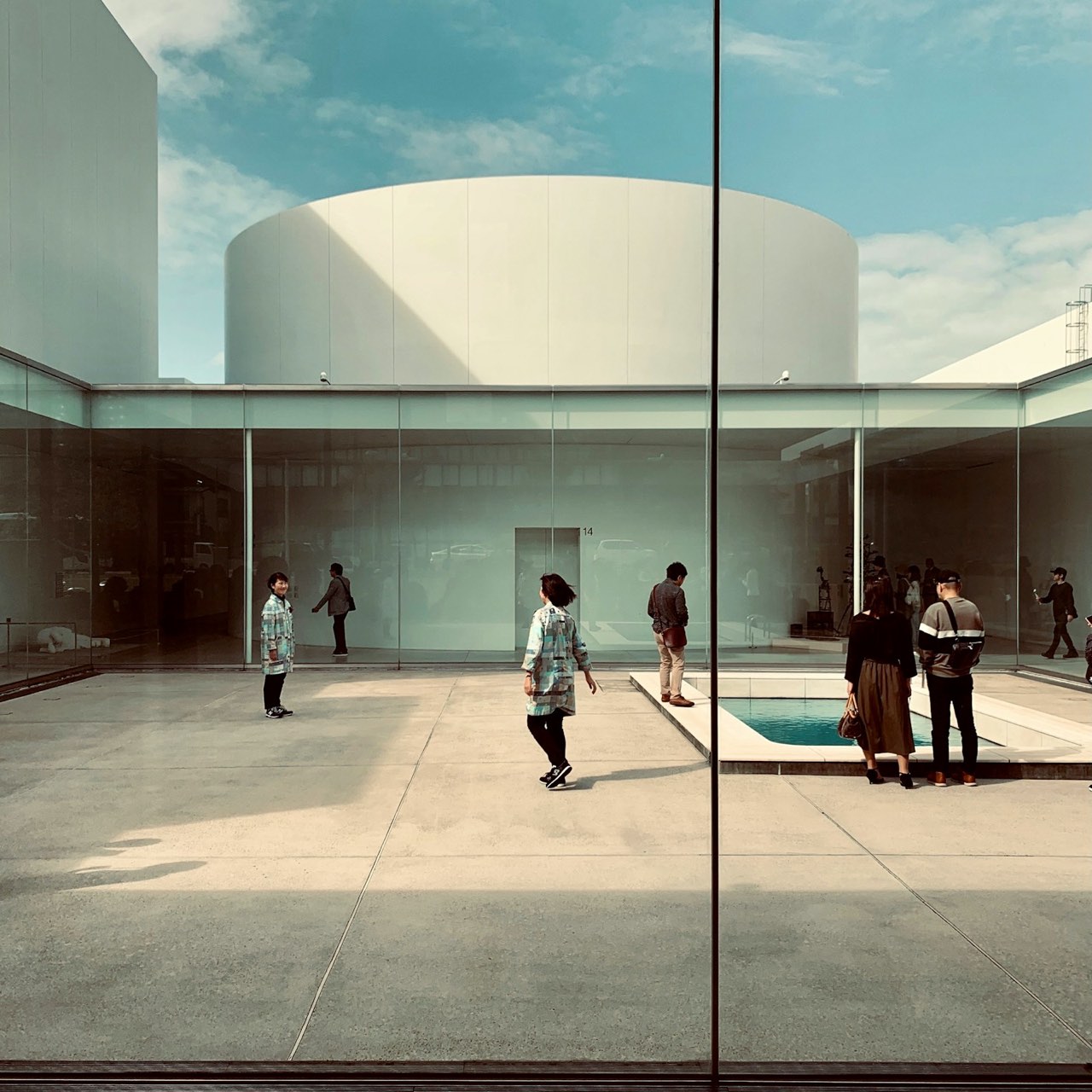
A circular, glass-walled contemporary-art museum, home to Leandro Erlich's famous walk-into 'Swimming Pool' illusion and free public art zones. Playful and accessible — great with children and fully step-free; the special exhibitions are ticketed and usually closed Mondays.
- 13:15Ishikawa Local Products & Crafts
A craft-and-souvenir hall by the Kenrokuen gate gathering Kanazawa specialities — gold-leaf goods, Kutani porcelain, Kaga-yuzen and local sweets — with hands-on gold-leaf workshops. A handy one-stop for regional gifts and crafts.
- 14:15
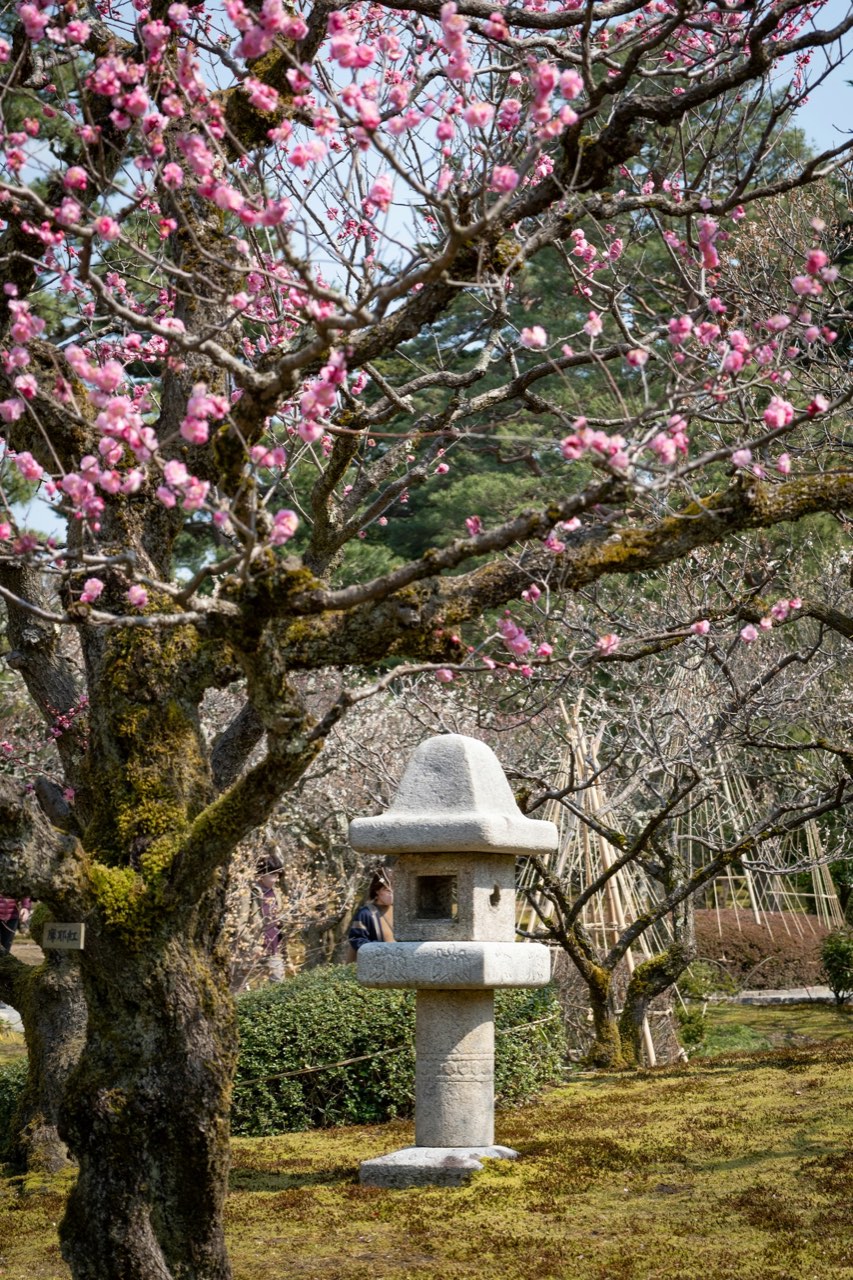
One of Japan's three great landscape gardens — winding ponds, teahouses, the famous two-legged stone lantern and a hillside that flares with plum, cherry and maple by season. A small admission; mostly gentle paths with some gravel and slopes, lovely first thing before the crowds.


Day 6Higashiyama & Gion & nearby — a sights dayKyoto, 8 stops
The eastern hills: Kiyomizu-dera, sloping stone lanes (Sannenzaka), Yasaka Shrine and the geisha quarter of Gion. The quintessential old-Kyoto day, walked on foot — go early to beat crowds.
- 08:40Check out of your stay
- 09:00
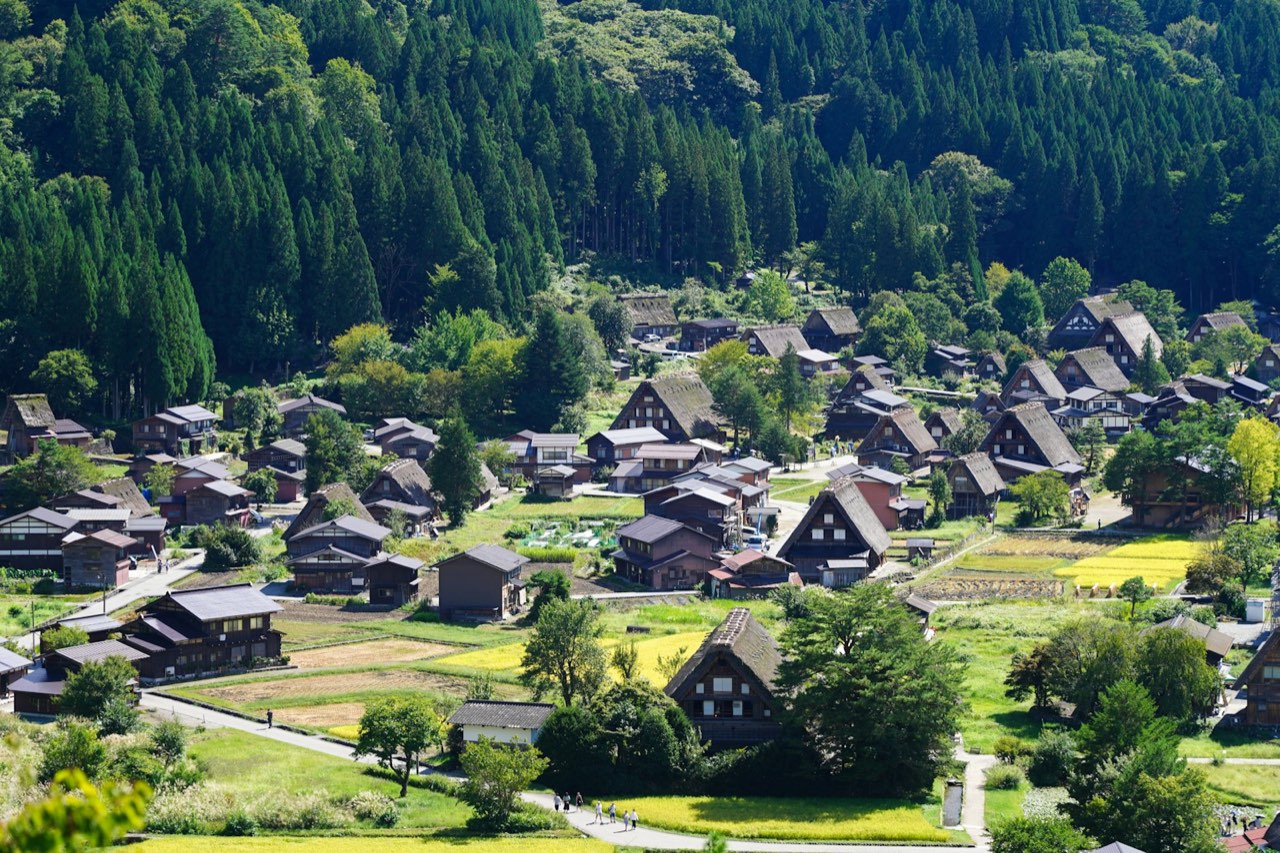
The hillside lookout above Ogimachi that gives the classic postcard panorama of the whole thatched village cradled by mountains. Reached on foot up a path or by a short shuttle bus; the must-have Shirakawa-gō photo.
- 09:45
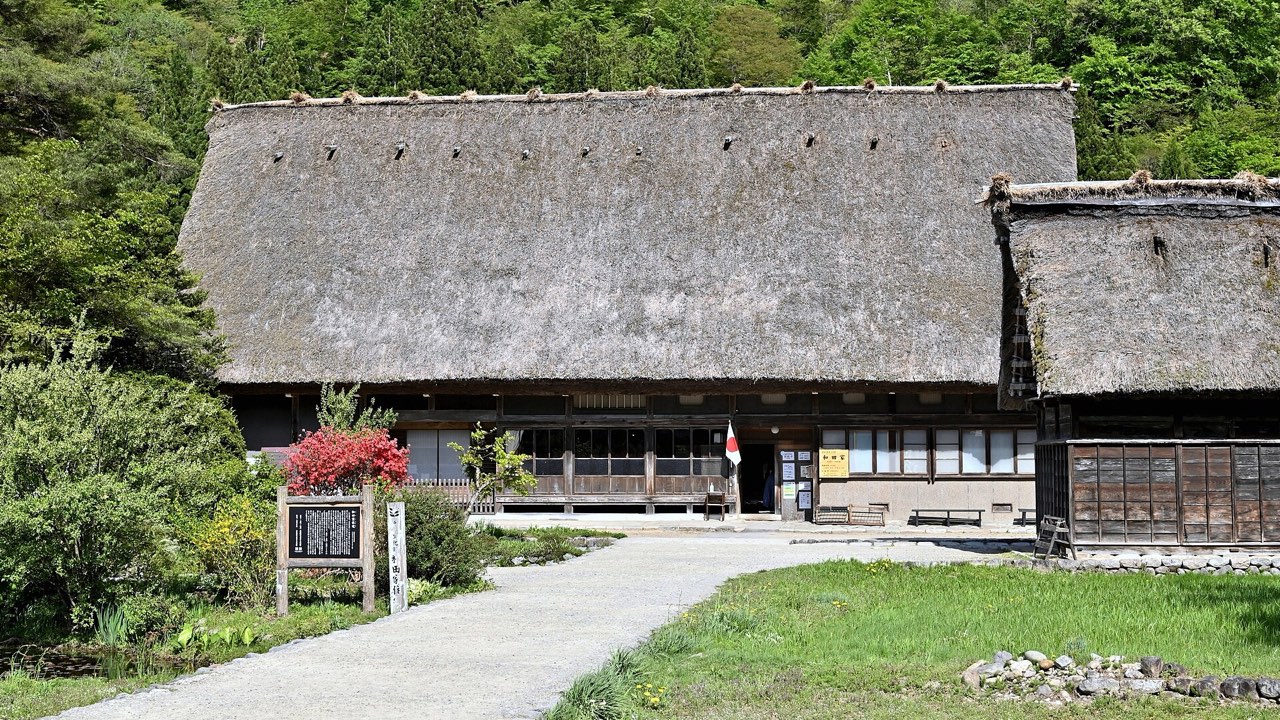
The largest gasshō-zukuri farmhouse in the village and a nationally important property, open so you can climb inside and see the soaring thatched attic where silkworms were once raised. A small admission; the best look inside these remarkable homes, up steep wooden stairs.
- 10:25Shinkansen
- 11:49Drop your bags at your stay
- 12:19Lunch Saryo Tsujiri (Gion)
Famous matcha parfaits and green-tea sweets in Gion; expect a queue at peak. A good mid-walk rest.
- 13:19
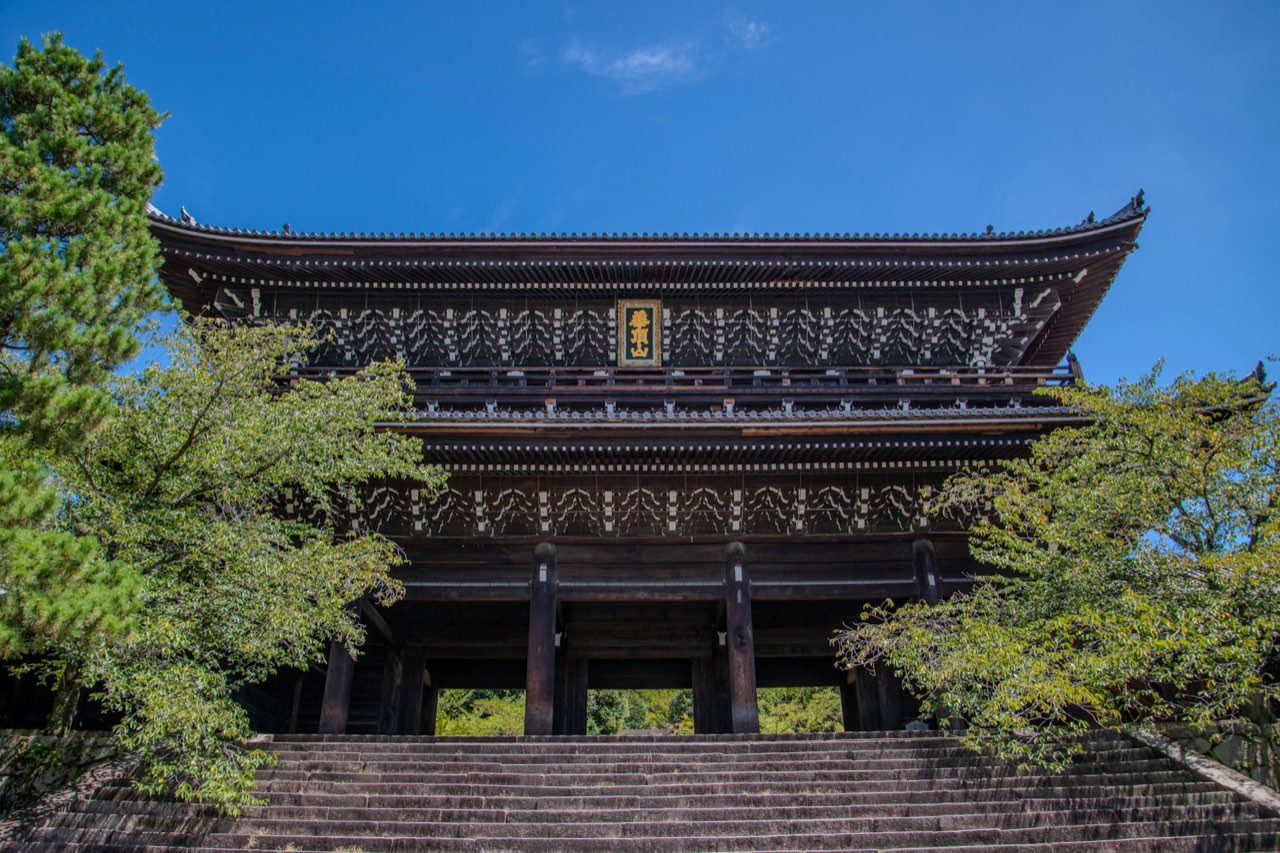
Head temple of Pure Land Buddhism, entered through Japan's largest wooden gate (the Sanmon) and home to a giant bell. Just north of Yasaka and Maruyama Park; grounds free.
- 14:24
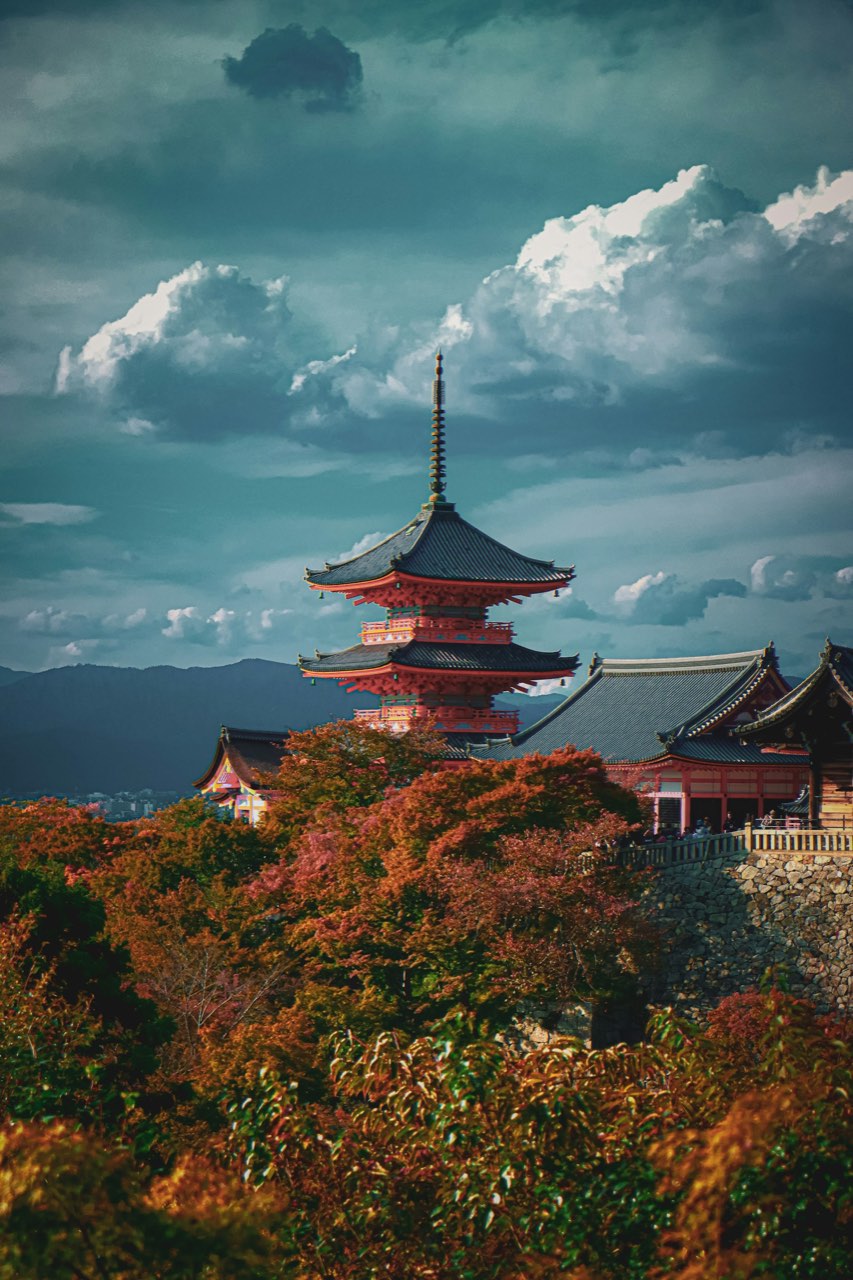
Hillside temple famous for its huge wooden stage and city views; the approach lanes (Sannenzaka) are part of the experience. Opens at 06:00 — go early. Small entry fee.
- 16:09Ninenzaka & Sannenzaka
The preserved sloping stone lanes climbing toward Kiyomizu-dera, lined with machiya shops selling Kiyomizu pottery, yatsuhashi sweets, fans and crafts. As much a sight as a shopping street; busiest late morning to afternoon.
- 17:24
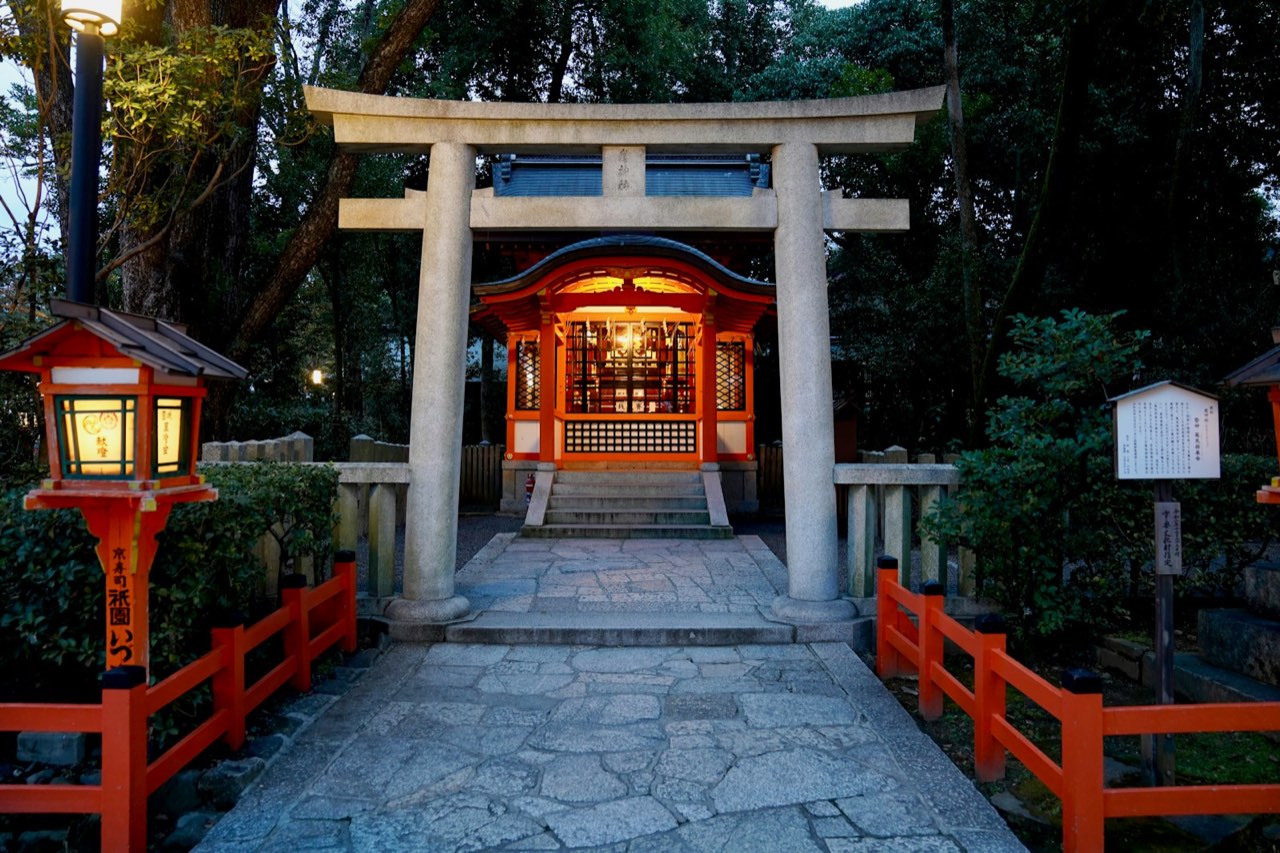
The lantern-lit shrine at the foot of Gion, gateway to Maruyama Park. Grounds are free and always open; lovely floodlit at night.
- 18:09Dinner Kikunoi (Honten)
Three-Michelin-star kaiseki — a landmark special-occasion meal. Reserve well ahead; lunch is the gentler entry point.


Day 7Okazaki & Northern Higashiyama & nearby — sights morning, shopping afternoonKyoto, 10 stops
The serene northern hills: Ginkaku-ji (the Silver Pavilion), the canal-side Philosopher's Path, Nanzen-ji's aqueduct and gardens, and the grand Heian Shrine in Okazaki's museum quarter. A slow, leafy temple-and-garden day.
- 08:00Breakfast Inoda Coffee (Honten)
Kyoto's classic old-school coffee house (since 1940) — courtyard seating, a famous breakfast set and house blend. Opens early.
- 09:00
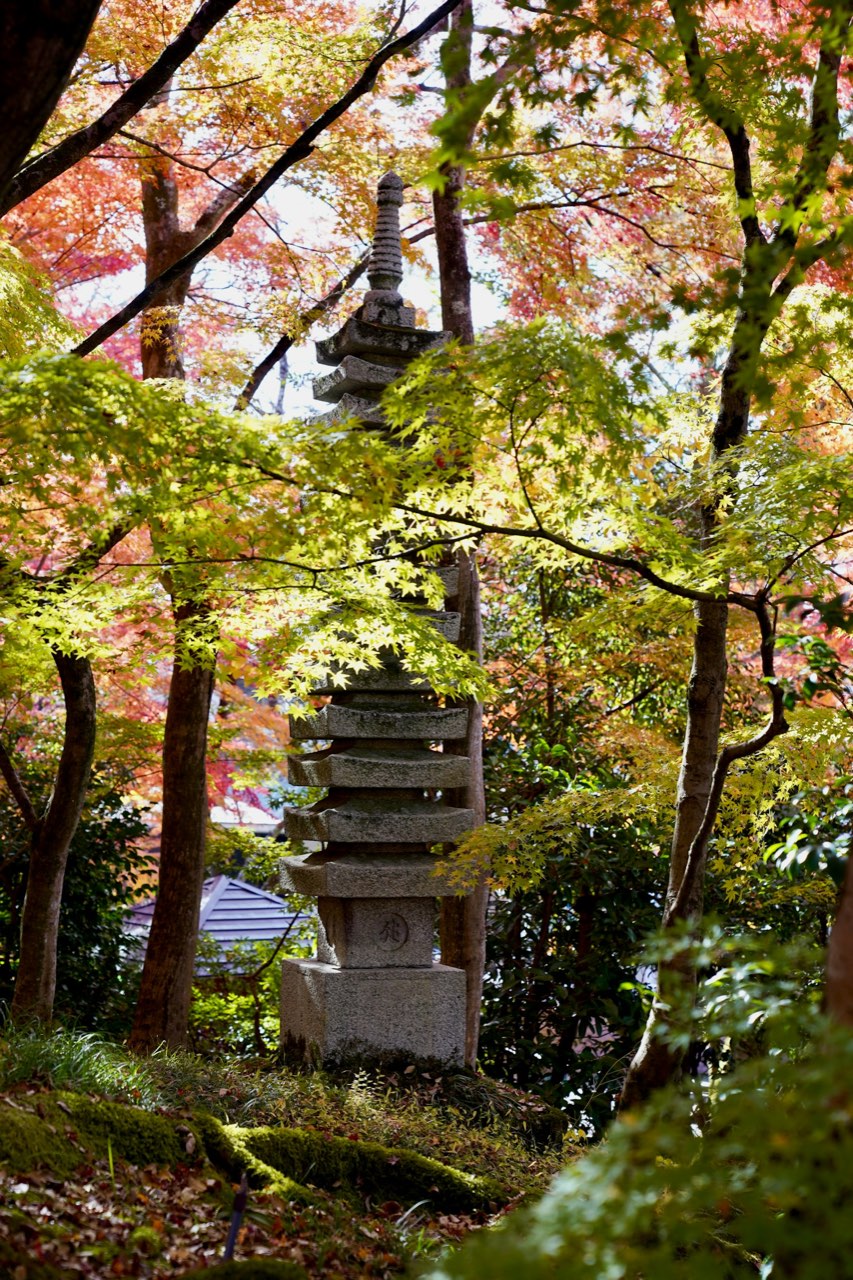
One of Kyoto's top maple-viewing temples, with a hillside pagoda and ponds — sensational in November (and crowded then). On the Philosopher's Path near Nanzen-ji.
- 10:05
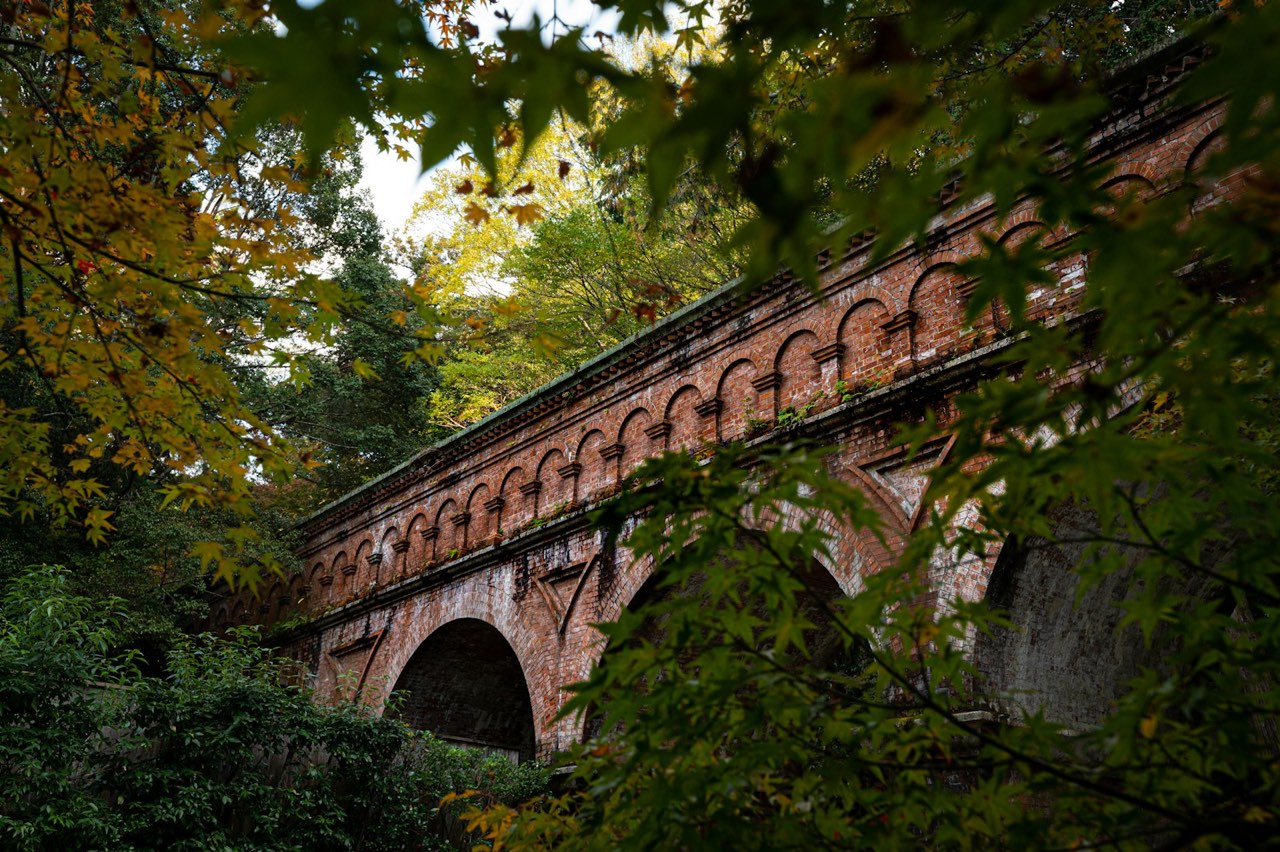
Grand head temple of its Zen school — a huge Sanmon gate you can climb, sub-temple gardens, and a photogenic brick aqueduct. Grounds free; halls/gardens ticketed.
- 11:20
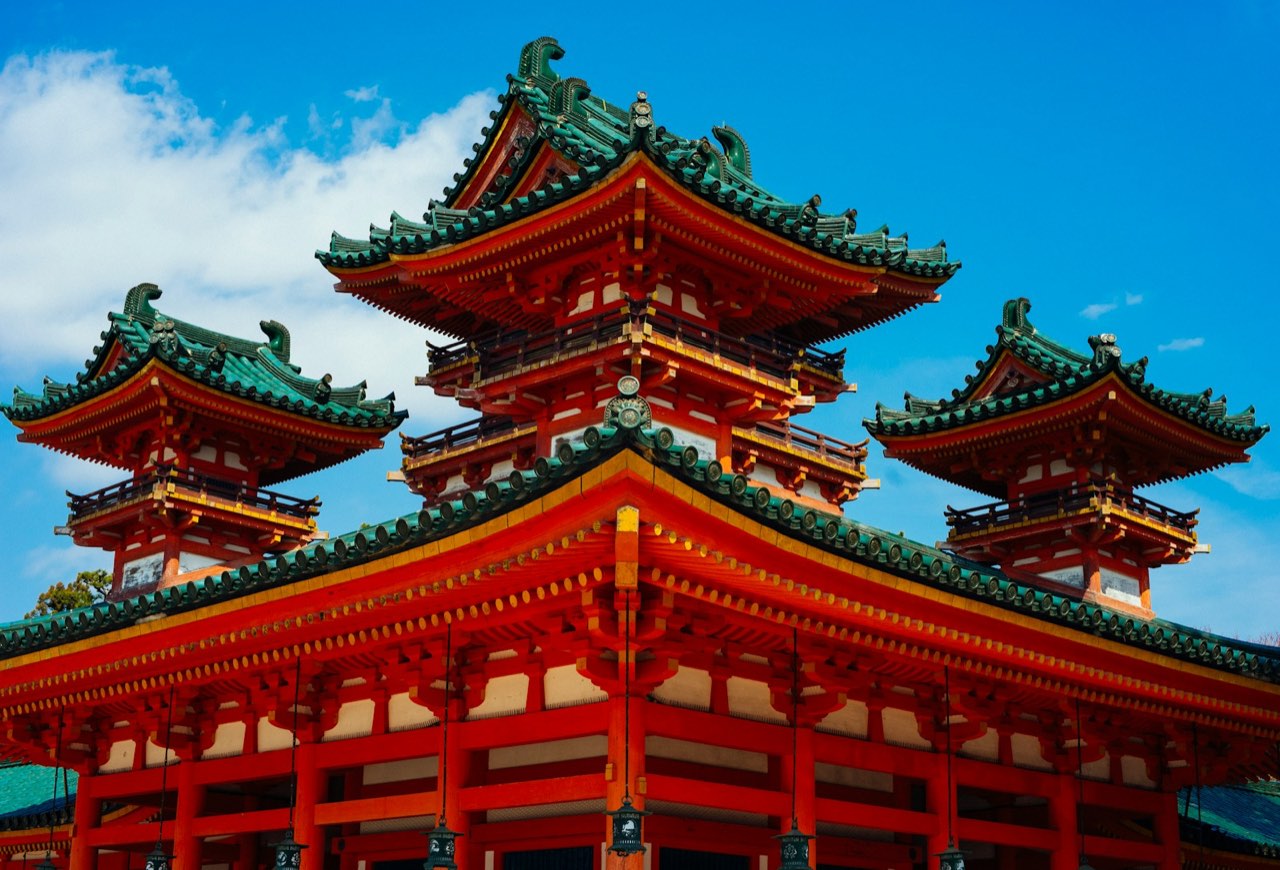
Bright vermilion shrine fronted by a giant torii in the Okazaki museum district; its strolling garden (ticketed) is lovely in cherry-blossom season. Grounds free.
- 12:20Lunch Kyogoku Kaneyo (unagi)
Long-standing eel restaurant off Shinkyogoku, famous for its fluffy omelette-topped 'kindon'. Closed Wednesdays.
- 13:20Yojiya (souvenir cosmetics)
Iconic Kyoto cosmetics brand — the aburatorigami (oil-blotting paper) is the classic, very giftable souvenir.
- 14:05Teramachi & Shinkyogoku Arcades
Twin covered shopping streets in the centre — souvenirs, fashion, drugstores, crepes and arcades. Per-shop hours vary.
- 15:20
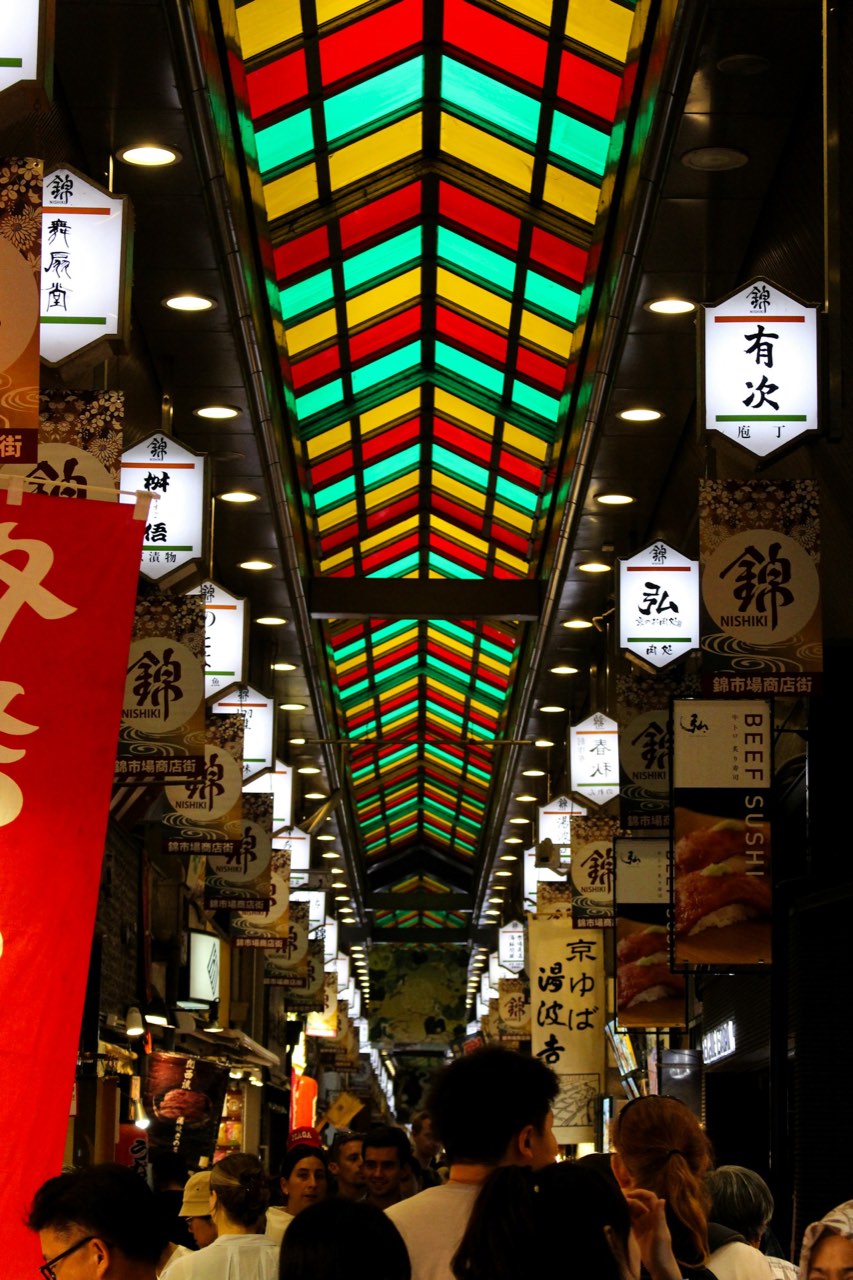
'Kyoto's Kitchen' — a narrow covered arcade of pickles, tofu, sweets, skewers and tea. Best mid-morning to mid-afternoon; some stalls discourage walk-and-eat.
- 16:35Don Quijote (Kawaramachi)
Multi-floor discount store on the Kawaramachi corner — souvenirs, snacks, cosmetics and tax-free shopping, open late.
- 17:35Dinner Junsei (yudofu)
Classic Nanzen-ji yudofu (hot tofu) course in a historic garden villa — the area's signature meal. Veg-friendly; reserve for the garden rooms.


Day 8Kinkaku-ji (Northwest) — a temple dayKyoto, 7 stops
The northwest temple cluster: the golden pavilion Kinkaku-ji and the Zen rock garden of Ryoan-ji. Bus-reliant and a little spread out — pair the two, then head back to Downtown.
- 07:40Check out of your stay
- 09:00

A walled complex of Zen sub-temples and rock gardens — quiet and atmospheric. Only some sub-temples open to the public (each ticketed); wander the free lanes between them.
- 10:15Kamishichiken
Kyoto's oldest geisha district — a lantern-hung lane of wooden teahouses beside Kitano Tenmangu, quieter and more local than Gion. Best at dusk when the lanterns come on and geiko slip between engagements; free to stroll any time.
- 11:10
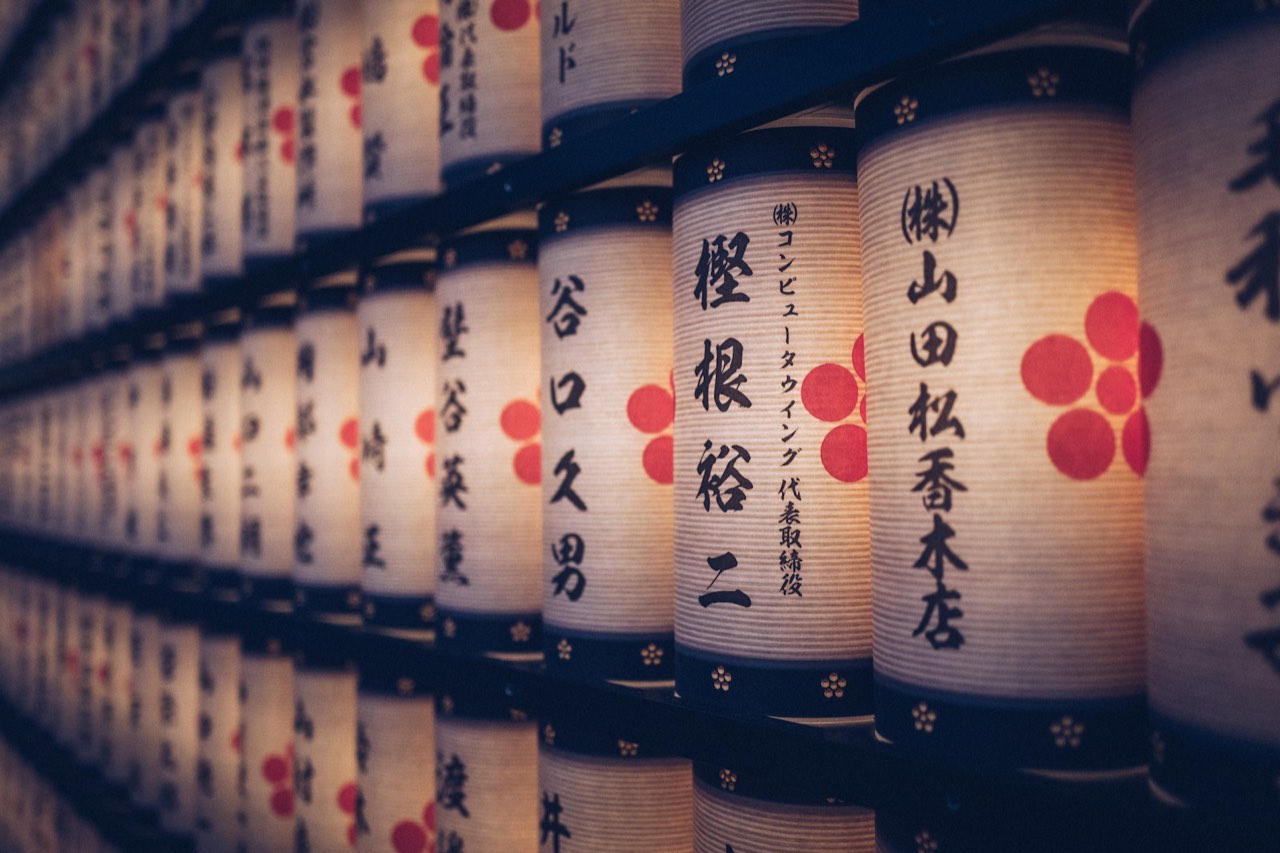
Shrine to the god of learning, famed for its February plum blossoms; the big 'Tenjin-san' flea market fills the grounds on the 25th of each month. Grounds free.
- 12:05Lunch Sarasa Nishijin
A café inside a 1930s bathhouse, its walls still covered in the original hand-painted majolica tiles — casual meals, cakes and coffee into the evening. Closed Wednesdays; a natural dinner stop after Funaoka Onsen across the lane.
- 13:05
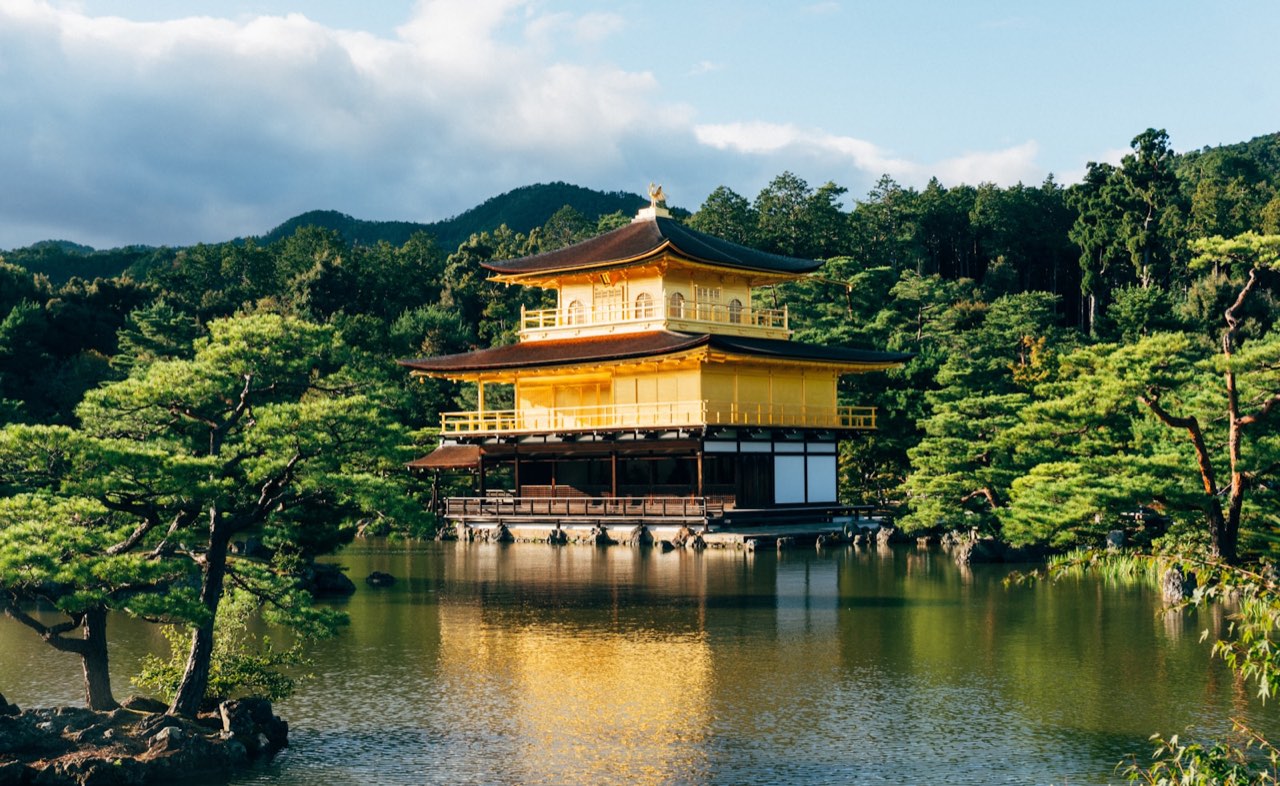
The gold-leaf pavilion mirrored in its pond — Kyoto's signature image. A short one-way garden circuit; can be busy midday.
- 14:25
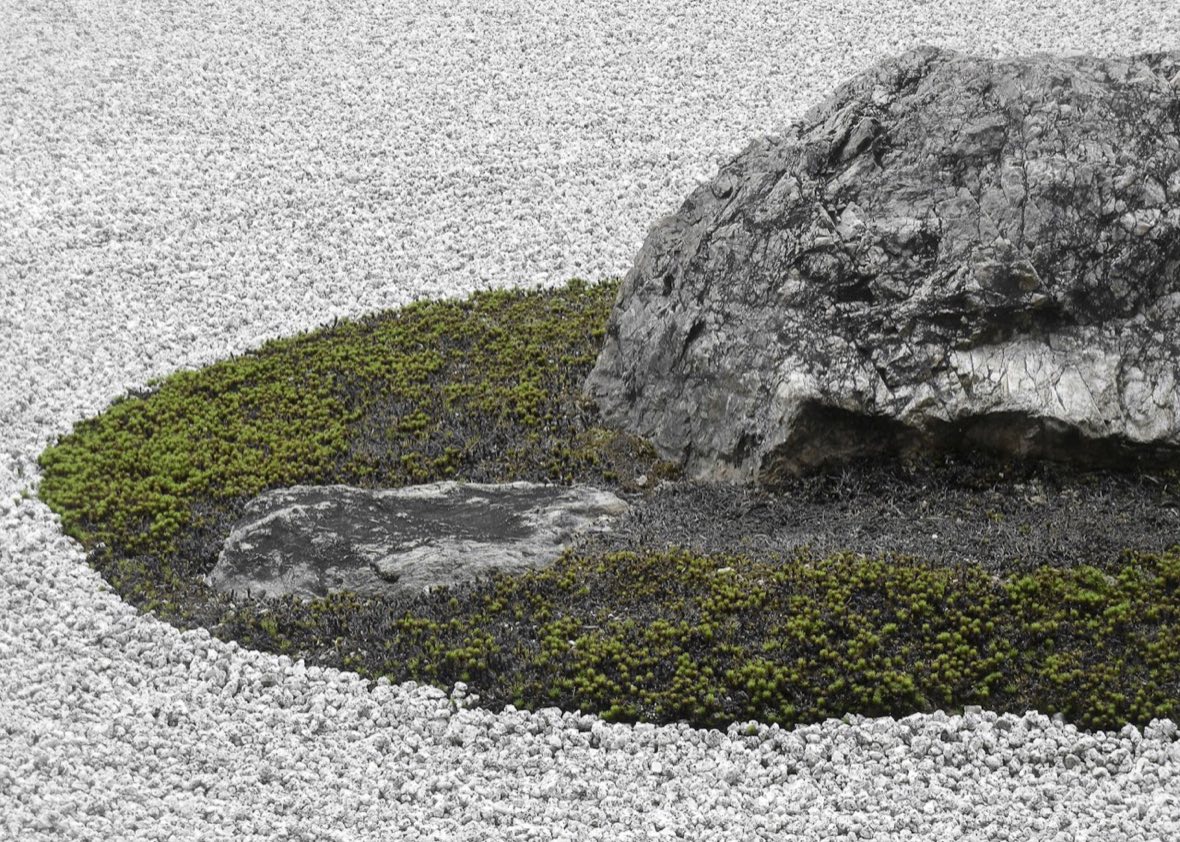
Home of Japan's most famous Zen rock garden — fifteen stones in raked gravel. Contemplative; pairs naturally with Kinkaku-ji.
- 15:25Funaoka Onsen
A working 1923 public bathhouse and registered Tangible Cultural Property — soak beneath carved wooden panels and original majolica tiles after temple-hopping. Walk-in (pay at entry, towels rentable); open every day from mid-afternoon until well past midnight, from morning on Sundays.


