
Nature & onsen — Tokyo, Hakone & Fuji
- 7 days, 3 cities
- Balanced pace
- About 20 min walking a day
Three days in Tokyo, then slow right down — Hakone's hot-spring valleys and open-air art, and the Fuji Five Lakes with the mountain mirrored in the water — one continuous plan with the train and ropeway legs, and every place verified by a human before you fly.
Day by day
Day 1Roppongi — sights morning, shopping afternoonTokyo, 5 stops
Tokyo's art-and-nightlife district: the Mori Art Museum and Tokyo City View atop Roppongi Hills, the design-led Tokyo Midtown and Suntory Museum, teamLab Borderless at Azabudai Hills, and after dark a dense run of bars and clubs. A culture-by-day, lights-by-night neighborhood.
- 10:00Mori Art Museum & Tokyo City View
Contemporary-art museum on the 53rd floor of Roppongi Hills, paired with the Tokyo City View indoor observation deck — one of the city's best skyline panoramas, open late. Exhibitions rotate; the museum closes earlier on Tuesdays.
- 12:00Lunch Gonpachi Nishi-Azabu
The towering wooden izakaya whose interior inspired the 'Kill Bill' showdown set, serving soba, kushiyaki and sake under lantern light. Atmospheric and tourist-friendly; book a table for evenings.
- 13:00Roppongi Hills
The landmark Mori Tower complex of shops, restaurants and cinemas, marked by Louise Bourgeois's giant 'Maman' spider out front. The base of the Mori Art Museum and a natural Roppongi starting point.
- 14:45Tokyo Midtown
Design-led complex of boutiques, the Suntory Museum of Art and the 21_21 Design Sight gallery, wrapped around a green lawn that becomes an illumination in winter. Restaurants stay open later than the shops.
- 16:30Tokyo Tower
The 333-metre red lattice tower that has been Tokyo's symbol since 1958 — the 150m Main Deck is walk-up friendly, while the 250m Top Deck runs as a separate timed, reservation-only tour. Come at sunset for the day-to-night switch; it stays open late, and a barrier-free route serves the Main Deck.
Day 2Nakameguro & Daikanyama & nearby — sights morning, shopping afternoonTokyo, 9 stops
Tokyo's most stylish low-rise quarter: the willow-and-cherry-lined Meguro River with its canal-side cafés (peak magic in late-March blossom season), the book-lover's Daikanyama T-Site, and a slow drift of design shops, roasteries and bistros. A grown-up, unhurried day.
- 08:00Breakfast Starbucks Reserve Roastery Tokyo
A four-storey Kengo Kuma-designed coffee 'theatre' on the Meguro River, with a copper roasting cask, a Teavana tea bar and a Princi bakery. Spectacular when the cherry trees bloom outside the upper terraces; expect a wait at peak times.
- 08:30

A small hillside park above the river with a grassy slope, a little waterfall and a west-facing terrace that catches the sunset over the city — a quiet pause a few minutes from the Nakameguro bustle.
- 09:15
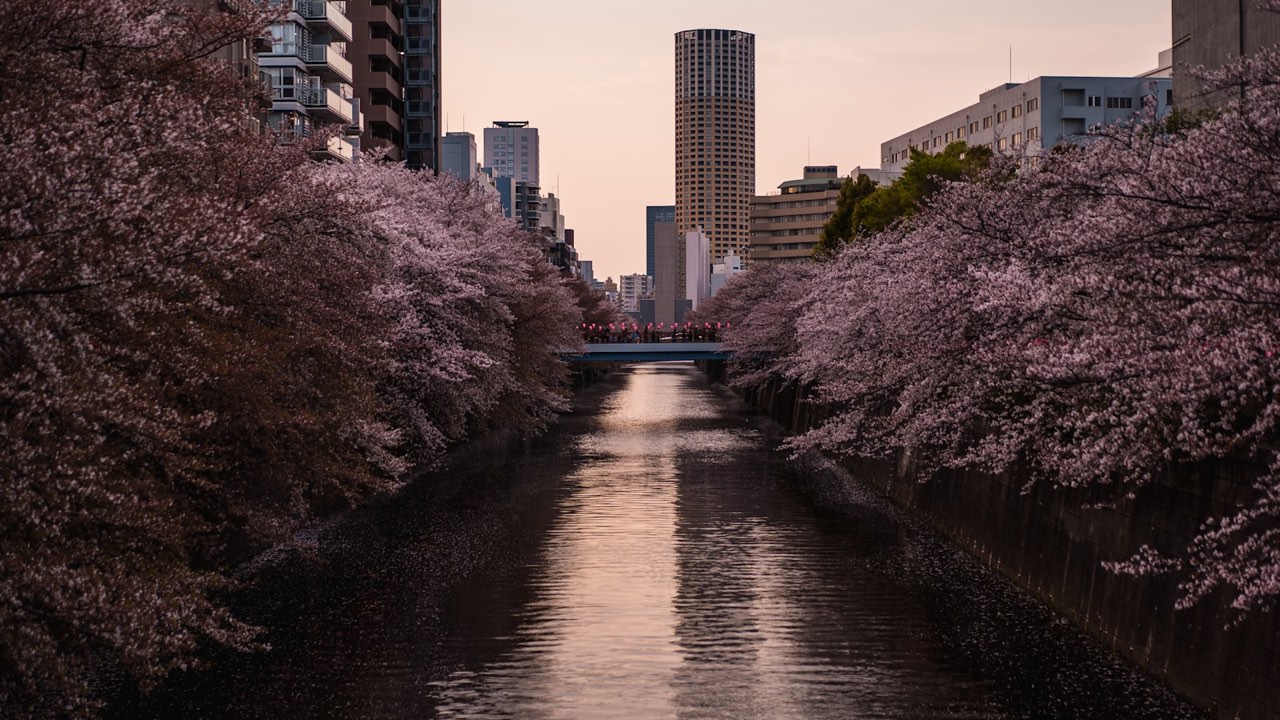
A canal lined with hundreds of cherry trees that arch over the water — Tokyo's prettiest blossom walk in late March, lit pink at night, and a pleasant café-hopping stroll the rest of the year. Always open and free.
- 10:30Daikanyama T-Site (Tsutaya Books)
A celebrated bookstore-as-destination: three glass pavilions of books, magazines, music and stationery, with the Anjin lounge upstairs for coffee among vintage art journals. A design pilgrimage and a lovely slow browse.
- 13:00Log Road Daikanyama
A low-rise strip of shops and cafés built along a former rail siding — home to a Spring Valley craft brewery taproom and breezy terraces. A relaxed link between Daikanyama and the Nakameguro riverside.
- 14:00Atre Ebisu
The big station-side mall directly over Ebisu Station — fashion, cosmetics, a supermarket and a strong restaurant floor, all weatherproof and handy on arrival or departure. A practical everyday stop rather than a destination.
- 15:15Yebisu Garden Place
A refined open-air complex built on the old Yebisu brewery site — a glass-roofed plaza, a department store, restaurants from casual to the Joël Robuchon château, and a vast Baccarat chandelier that anchors a famous winter illumination. Pleasant to stroll any time; the plaza is always open.
- 16:30
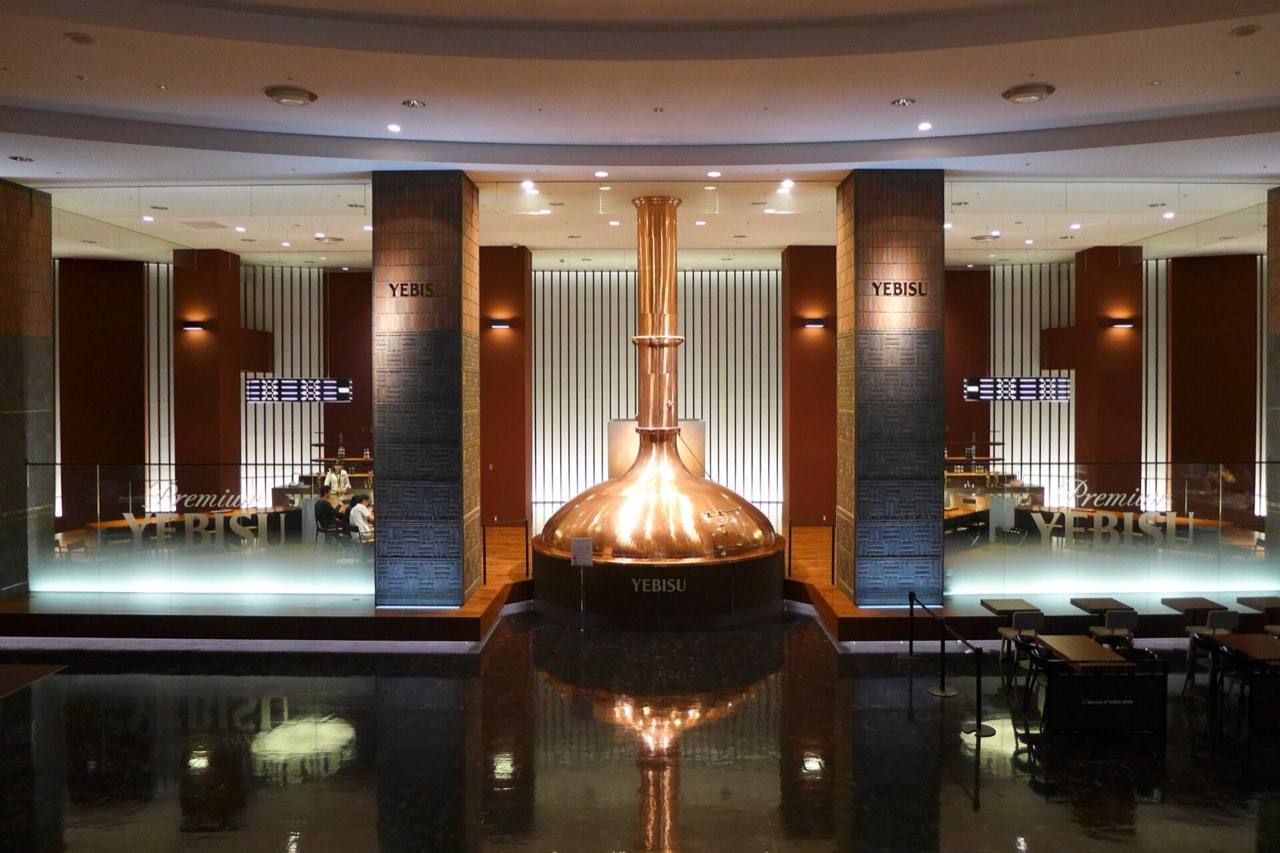
A small museum tracing the Meiji-era Yebisu brand that gave the district its name, with free galleries and a paid guided 'brand experience' tour that ends in a tasting salon. A relaxed, grown-up half-hour; usually closed Mondays, with shorter weekday afternoon hours.
- 17:45Dinner Yakiniku Champion (Ebisu)
A respected yakiniku house run by a meat wholesaler, so the wagyu cuts are top-grade and well priced for the quality — grill your own over charcoal at the table. A satisfying splurge; reserve for evenings as it fills quickly.


Day 3Asakusa — a sights dayTokyo, 8 stops
Old downtown Tokyo: the Senso-ji temple and its Nakamise souvenir street, rickshaws, traditional sweets, and Tokyo Skytree rising across the river. The city's most atmospheric, lower-cost quarter — best early before the crowds.
- 08:00Breakfast Kagetsudo (melon pan)
Famous for its giant, crisp-then-fluffy jumbo melon pan, baked fresh through the day — a cheap, fun Asakusa walking snack.
- 08:30
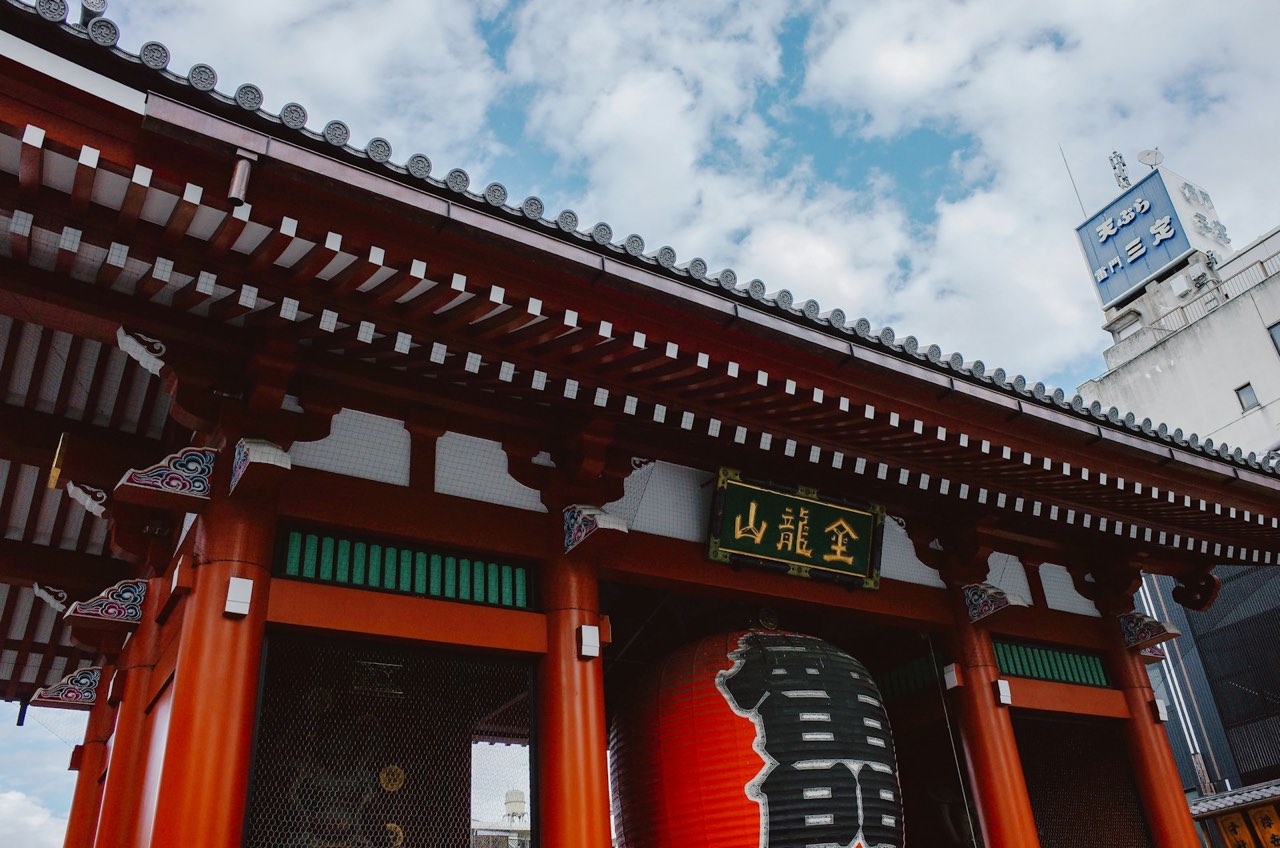
The giant red 'Thunder Gate' lantern marking the entrance to Senso-ji — Asakusa's signature photo. Always accessible.
- 09:30Nakamise Shopping Street
The 250 m approach to Senso-ji, lined with stalls of folding fans, kimono trinkets, ningyo-yaki cakes and fresh senbei. Per-shop hours vary; busiest midday.
- 10:25
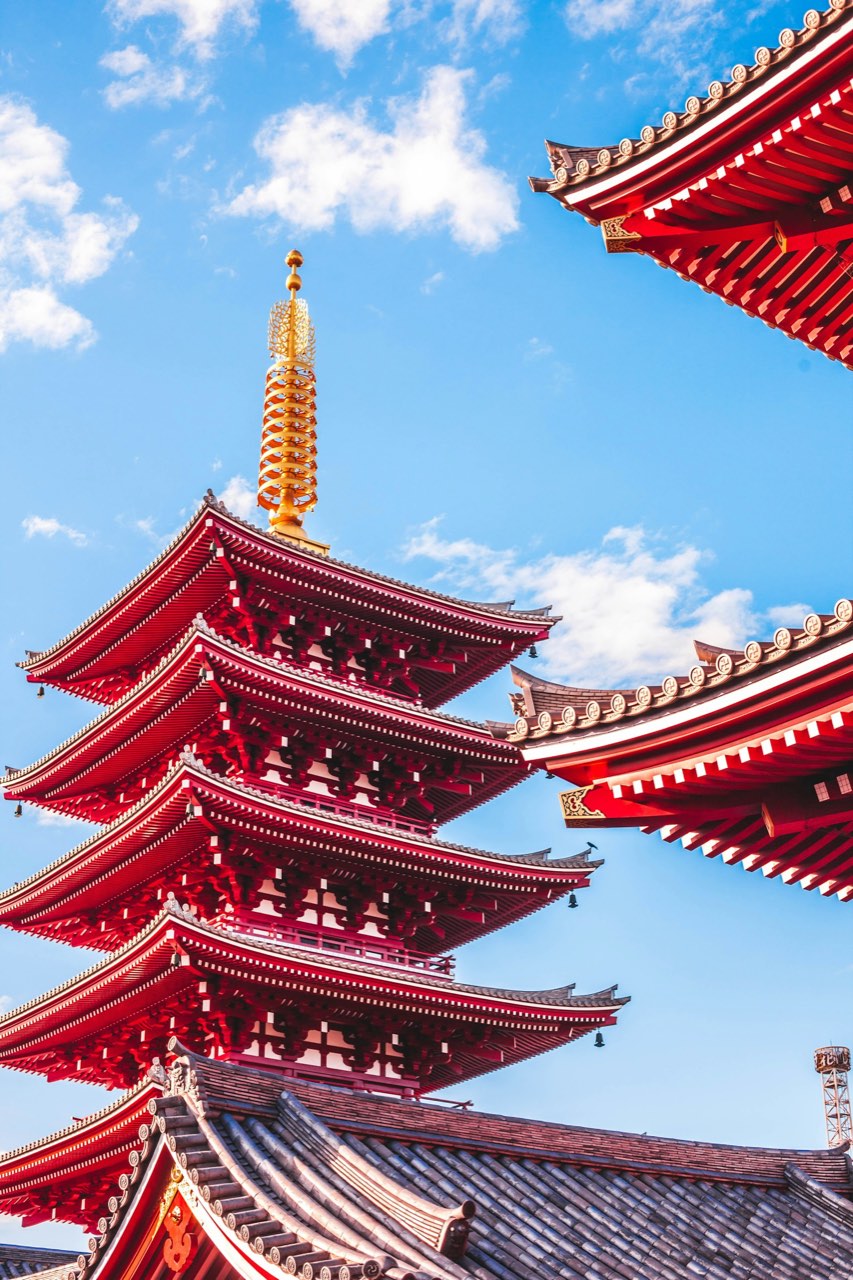
Tokyo's oldest temple, approached through the Kaminarimon gate and Nakamise shopping street. The grounds are always open and free (main hall ~06:00-17:00); beautifully lit at night and best explored early.
- 13:00Samurai Ninja Museum Tokyo
A hands-on Asakusa museum where a guided tour walks you past real Edo-period armour, katana and ninja tools, then lets you throw shuriken yourself; armour try-on and sword lessons are optional add-ons. Entry is timed — book online ahead, and check current hours before you go.
- 14:15
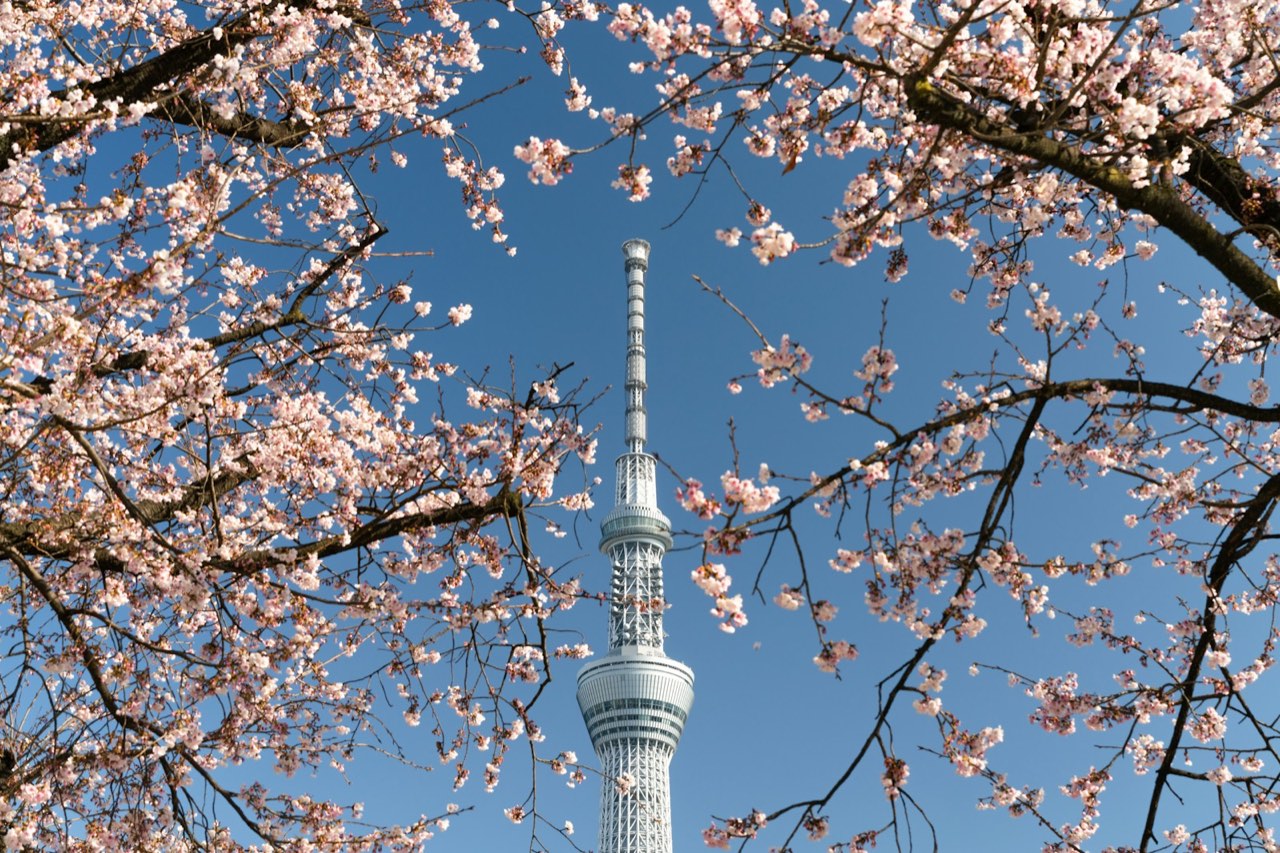
At 634 m, the world's tallest tower — two observation decks with vast city views, plus the Solamachi mall and aquarium at its base. Across the river from Asakusa (~15-min walk or one stop); buy timed tickets to skip the line.
- 16:00Asakusa Sumo Club
A purpose-built sumo hall minutes from Senso-ji where retired professional wrestlers stage demonstration bouts with English commentary — a show, not a real tournament — usually paired with all-you-can-eat chanko-nabe hot pot. Four two-hour sessions run daily; book ahead, evening slots can sell out a week or more in advance.
- 18:15Dinner Daikokuya Tempura
Century-old Asakusa institution for tendon — tempura over rice in a dark sesame-oil sauce. Expect a queue; cash is safest.


Day 4Lake Ashi & Moto-Hakone & nearby — a sights dayHakone, 5 stops
The crater lake at Hakone's heart, crossed by replica sightseeing 'pirate ships', with the famous Hakone Shrine torii standing in the water, the Edo-era checkpoint nearby, and the steaming Owakudani valley above. On clear days Mt Fuji crowns the view.
- 08:40Check out of your stay
- 11:00SKY CIRCUS Sunshine 60 Observatory
A 251 m observation deck on top of the Sunshine 60 tower, mixing real city views with mirror-and-VR 'attraction' gimmicks aimed at families. Good wide views over north Tokyo toward the mountains on clear days.
- 11:45Train
- 12:55Drop your bags at your stay
- 13:25Lunch Amazake Chaya (Edo teahouse)
A thatched teahouse on the old Tokaido that has served travellers for some 400 years, ladling out sweet non-alcoholic amazake and toasted mochi by an open hearth. An atmospheric, time-capsule rest on the old stone road; cash only.
- 14:25
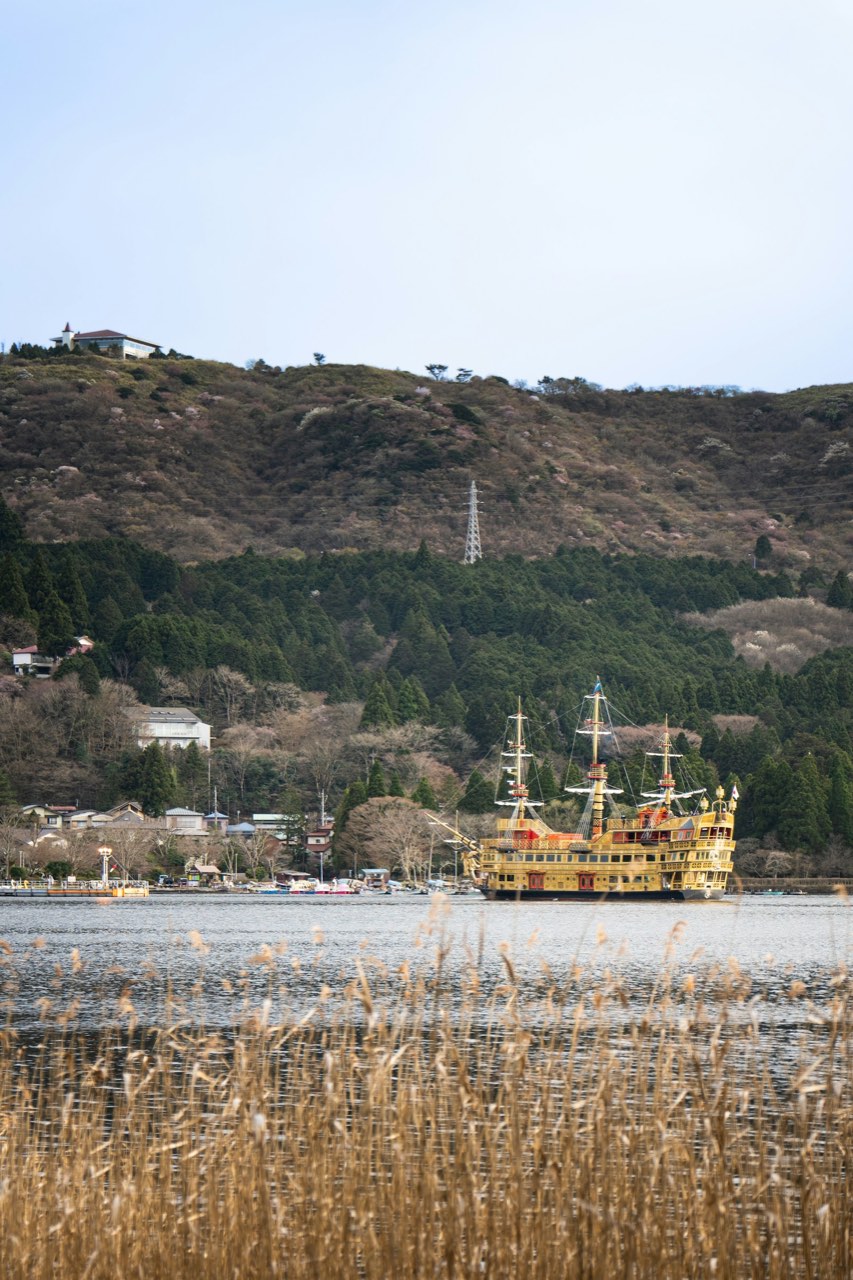
Galleon-styled sightseeing boats glide across Lake Ashi between Moto-Hakone, Hakone-machi and Togendai, with Mt Fuji ahead on clear days. A hit with kids and covered by the Hakone Free Pass; sailings are weather-dependent and reduce in winter.
- 15:24
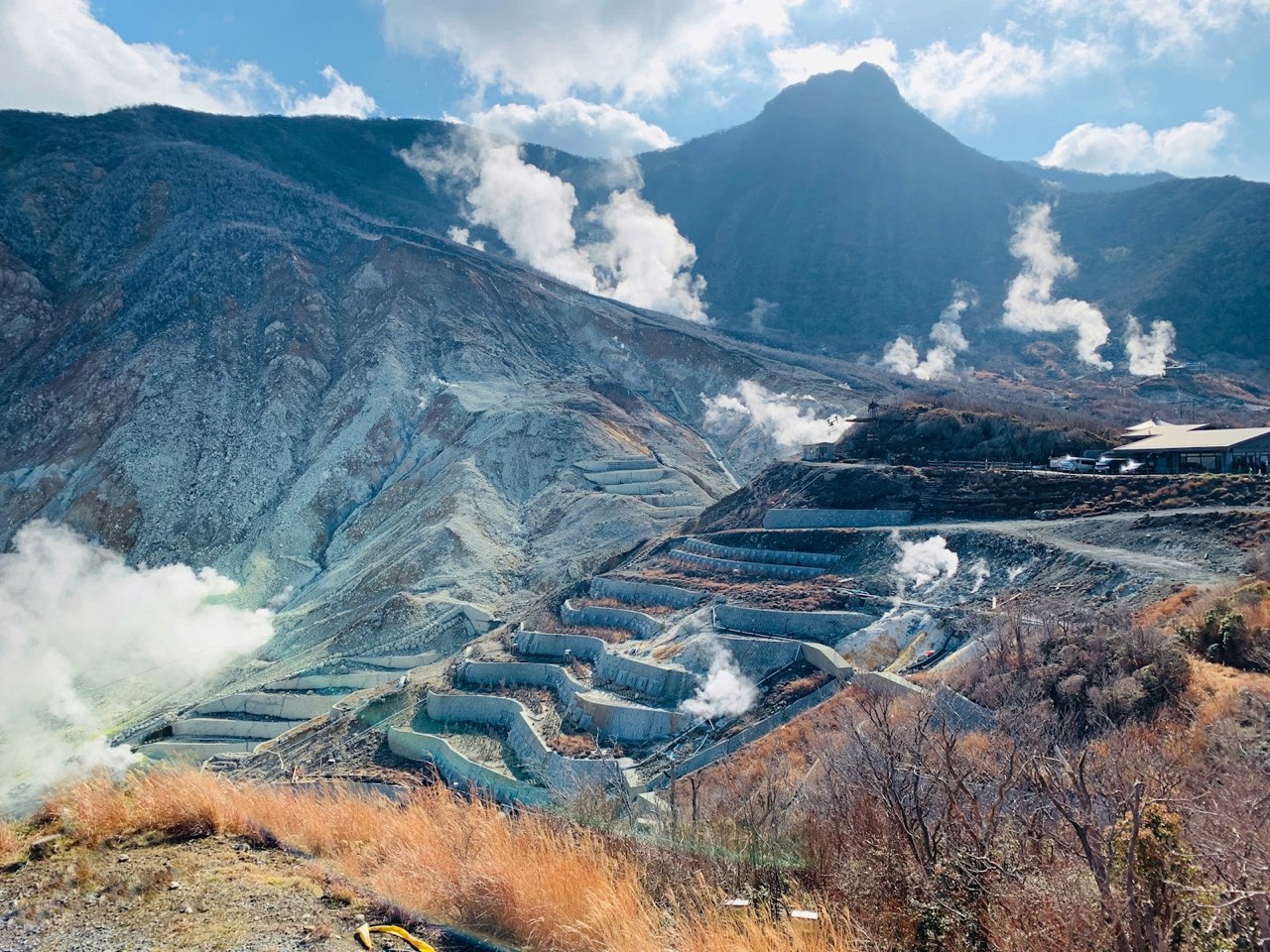
A steaming volcanic valley reached by the Hakone Ropeway, where sulphurous vents boil the famous black 'kuro-tamago' eggs said to add years to your life. Big views over the caldera to Fuji; the ropeway and walking area can close on high-gas or windy days.
- 16:42
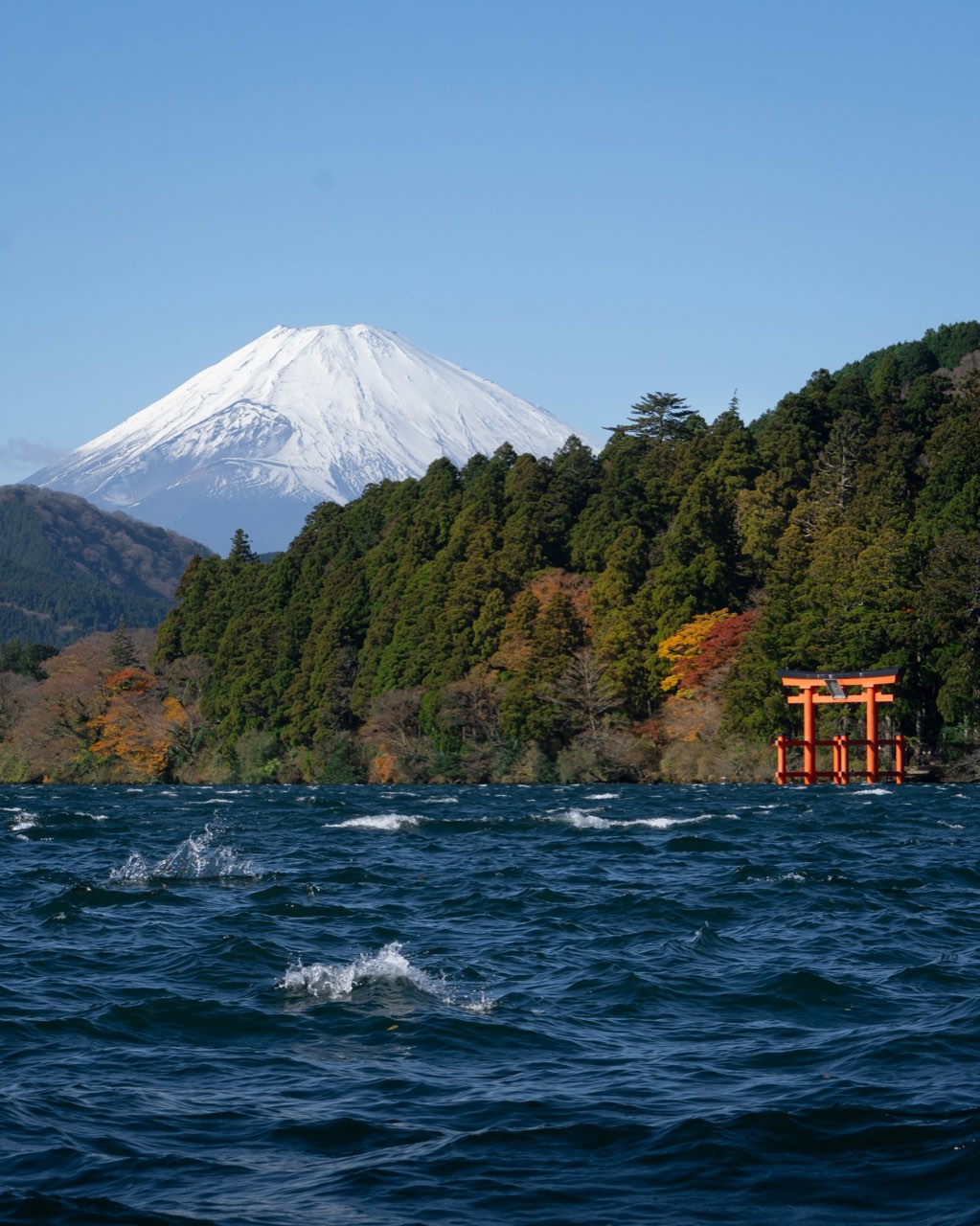
An ancient shrine in the cedar forest above Lake Ashi, with the photogenic 'Heiwa no Torii' gate standing out in the water — one of Hakone's signature images. The grounds are always open and free; the lakeside torii has a long photo queue, and the main hall is up a flight of steps.


Day 5Sengokuhara & nearby — a museum dayHakone, 8 stops
A high, open plateau of design-led art museums — Pola, the Venetian Glass Museum, the Lalique Museum — set among woods, with a golden pampas-grass field that draws crowds in autumn. The calmest, most cultured corner of Hakone, easiest with a car.
- 08:00Breakfast Watanabe Bakery
A century-old Miyanoshita bakery famous for its hearty 'onsen' beef-stew bread; plenty of meat-free baked goods too. Closed Wednesdays plus some Tuesdays - check ahead.
- 09:00
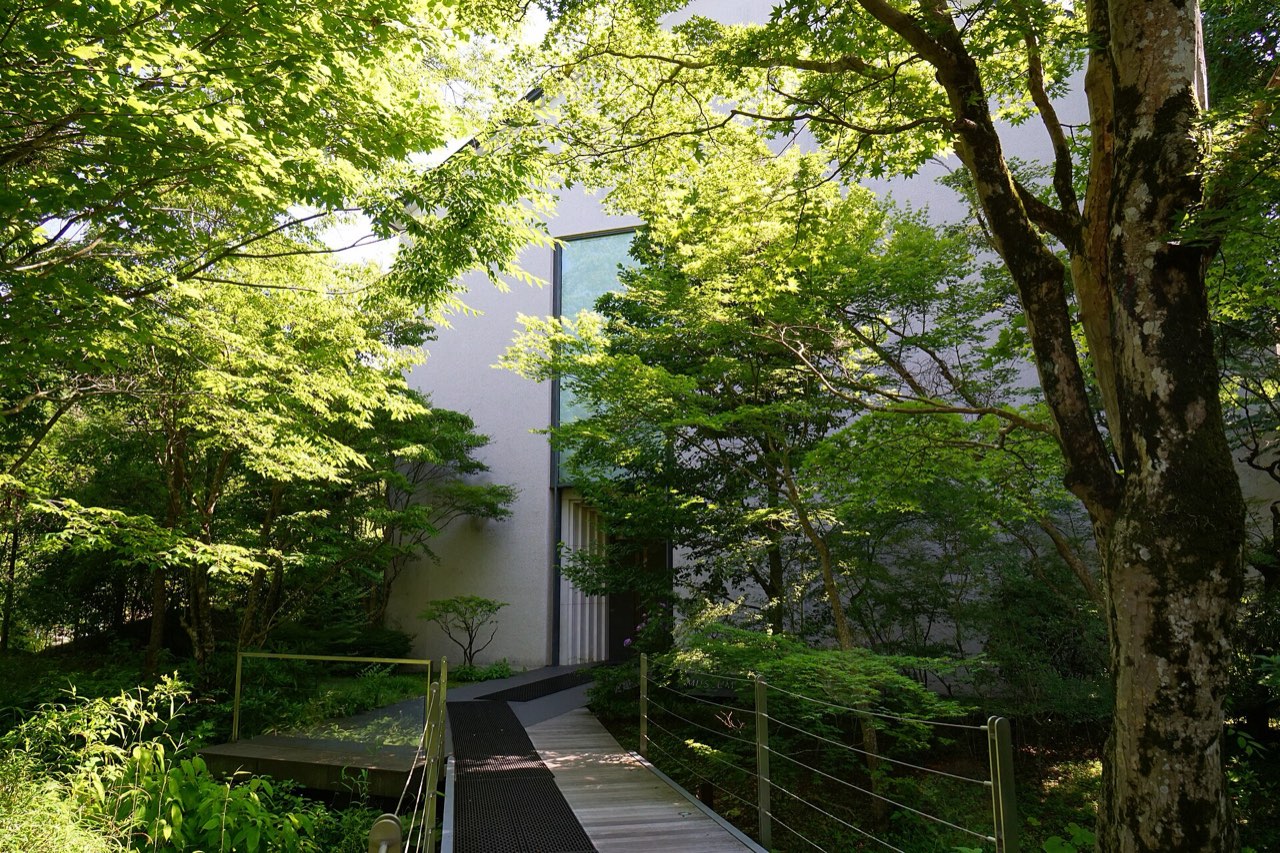
A museum devoted to René Lalique's Art Nouveau glass and jewellery, whose star piece is a restored Orient Express carriage you can take tea in. A refined, quieter Sengokuhara stop; usually closed one Thursday a month — check ahead.
- 10:30
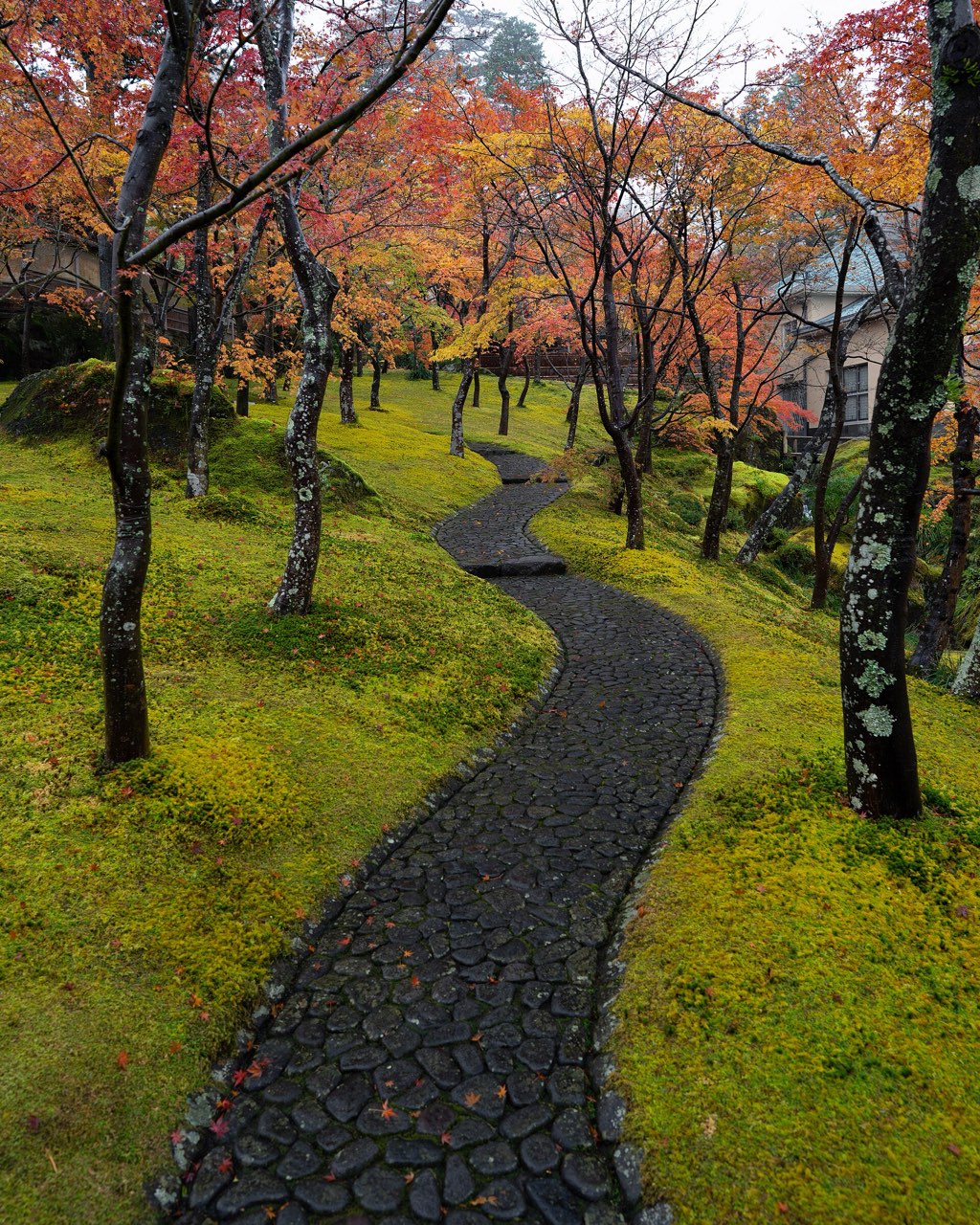
Hakone's oldest museum, pairing ancient Japanese ceramics with a celebrated moss-and-maple garden that blazes in autumn. Serene and uncrowded; usually closed Thursdays.
- 12:00Lunch Gora Gyoza Center
A cheerful spot near Gora Station serving a dozen kinds of gyoza dumplings, from classic pork to shiso and cheese. A fun, inexpensive break between museums; often closed Thursdays.
- 13:00
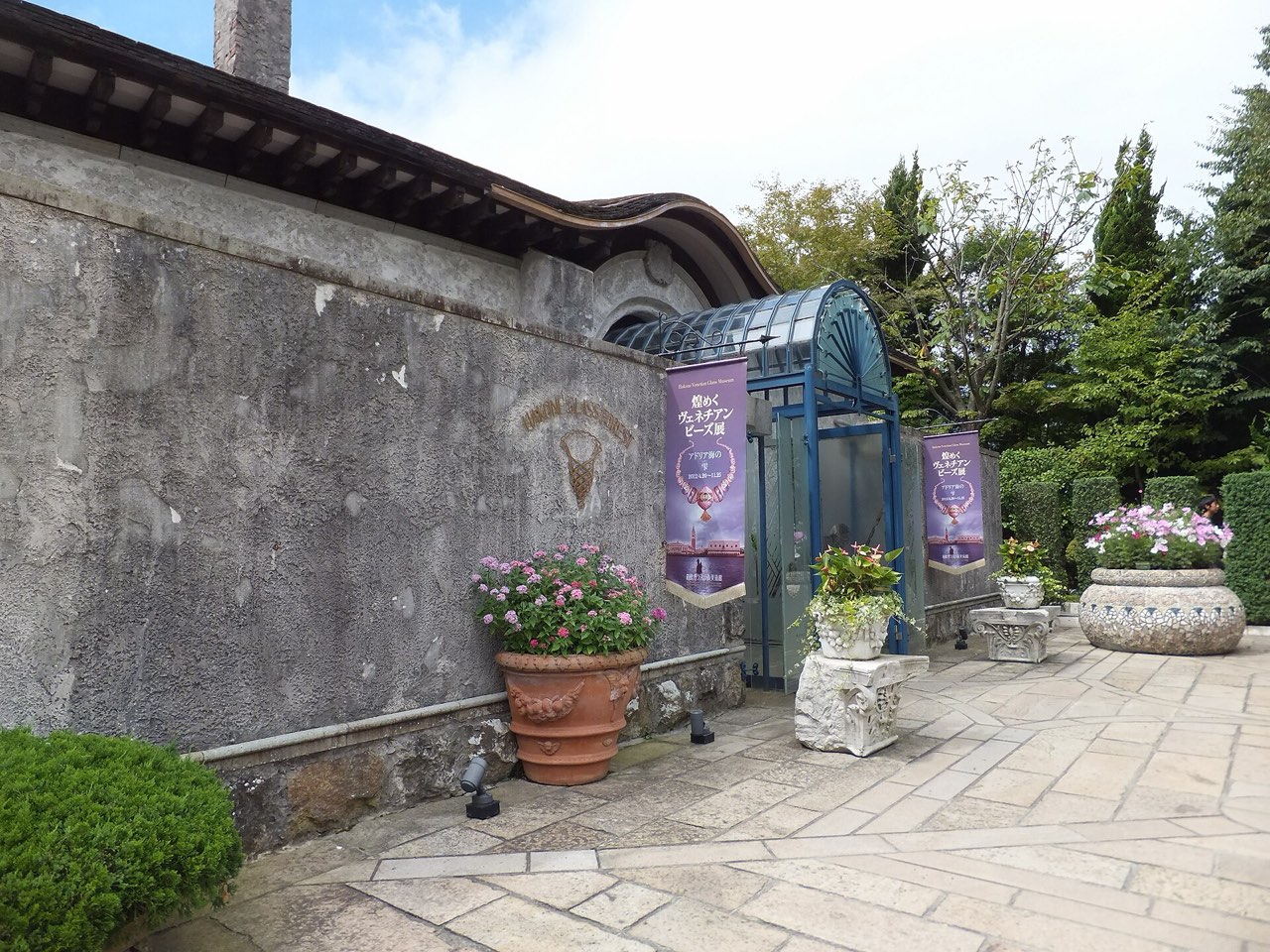
A Venetian-themed museum of antique and contemporary glass, with a sparkling crystal archway in a landscaped garden and an on-site café with live opera. Photogenic and enjoyable for all ages; the gardens are largely flat.
- 14:30
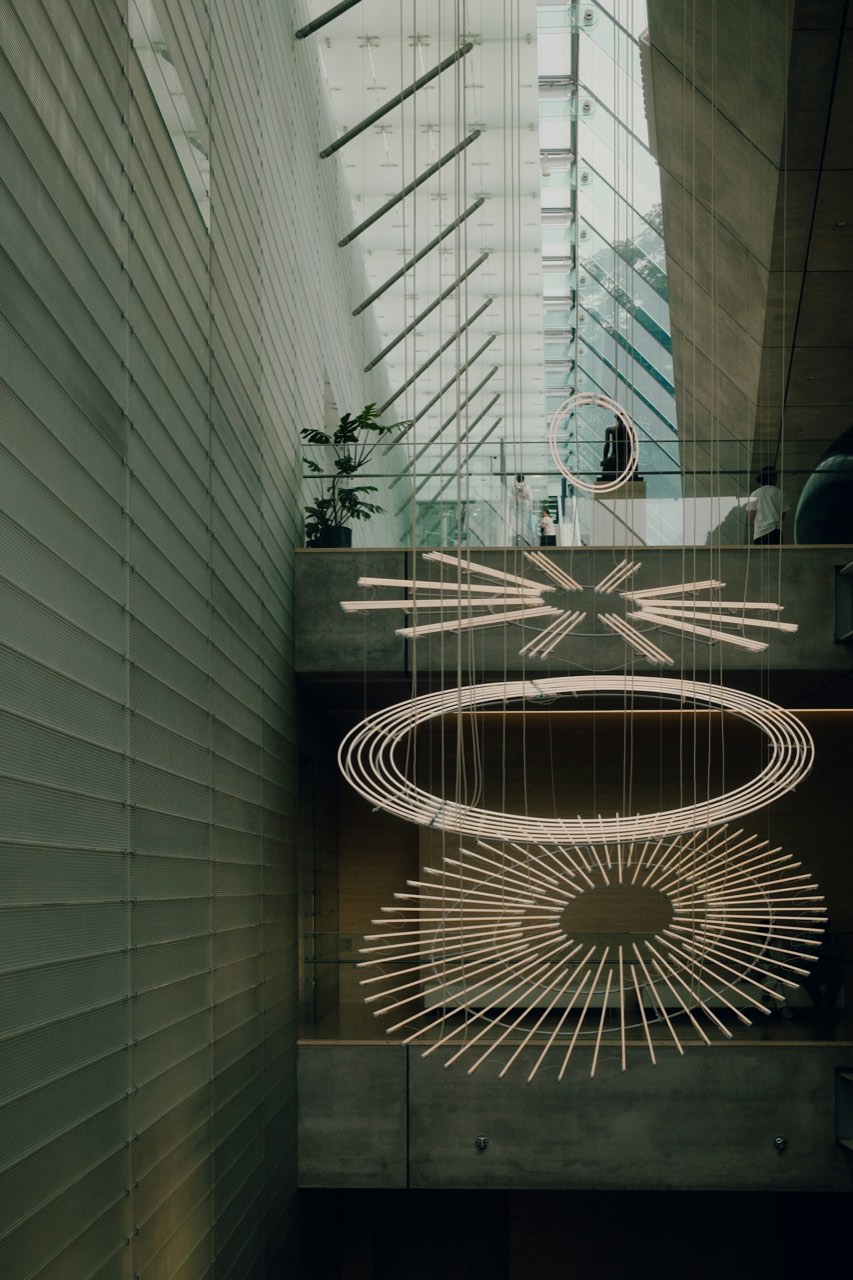
A beautifully sited glass-and-light museum buried in the forest, holding one of Japan's best Impressionist and Modern collections (Monet, Renoir, Picasso) plus a wooded sculpture walk. Calm, spacious and fully step-free — easy with a pram.
- 16:15
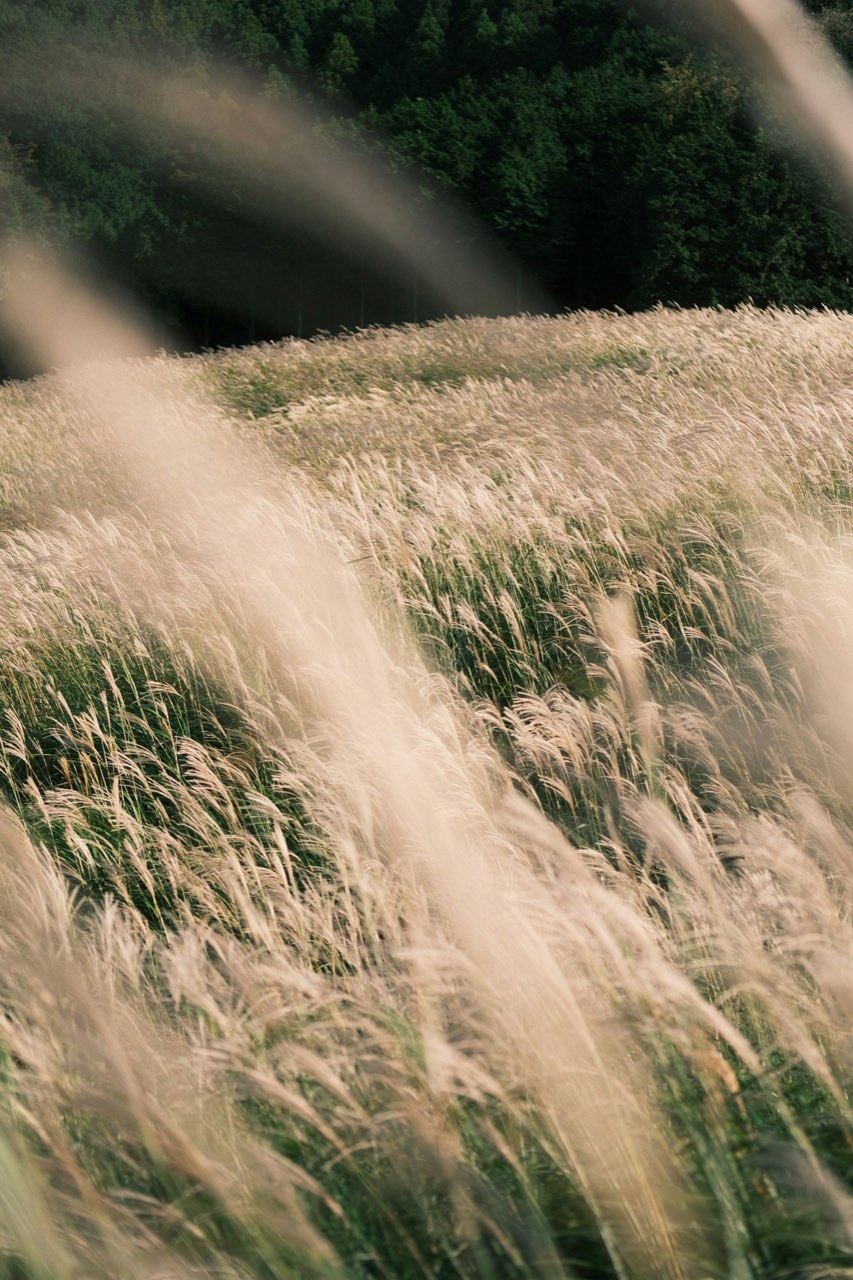
A whole hillside of silver pampas grass that turns gold and shimmers in the wind each autumn, with a walking path cutting through it. A free, open-air highlight from late September to November; little shade and limited parking, so go early.
- 17:30Dinner Tamura Ginkatsutei (tofu-katsu)
A famous Gora institution for 'tofu-katsu-ni' — silky tofu wrapped in pork, breaded, fried and simmered with egg in a clay pot. A satisfying lunch or early dinner near the cablecar; it can sell out and pauses between lunch and dinner services, so come early.


Day 6Lake Kawaguchi & nearby — a sights dayFuji Five Lakes (Fujikawaguchiko), 8 stops
The most accessible of the Fuji Five Lakes and the area's resort heart — a north shore of Fuji-view parks, museums and lakeside cafés, with the ropeway and sightseeing boats. On a calm clear morning the mountain doubles in the water as the famous 'upside-down Fuji'. Practical note: the station area and the Funatsu strip hold the region's supermarkets, drugstores and roadside stations — the natural place to stock up on supplies or return a rental car before leaving.
- 08:40Check out of your stay
- 09:00
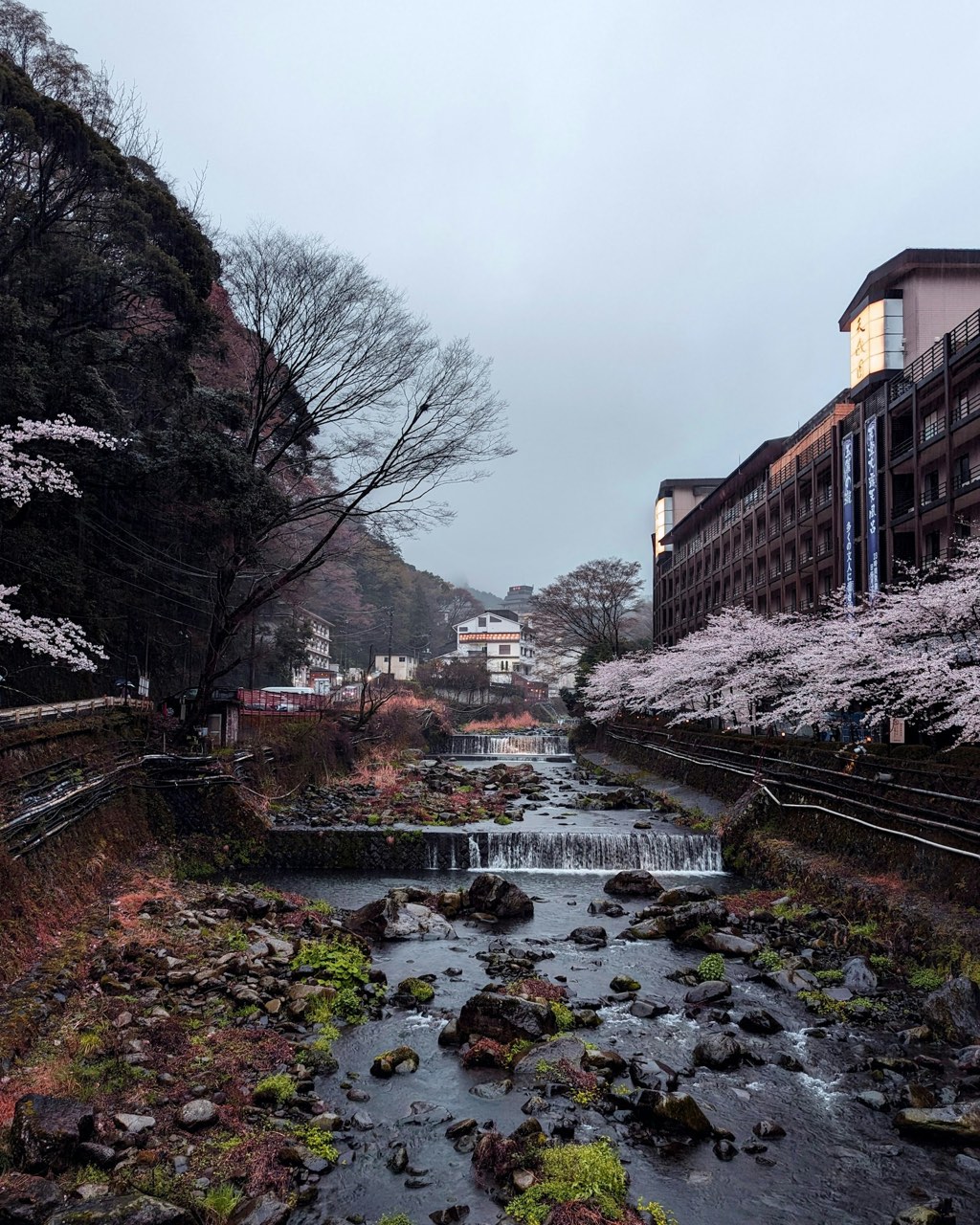
Hakone's hot-spring gateway, strung along the Hayakawa river — bath-houses, footbaths and souvenir lanes spill out from the station. A pleasant first stroll; many ryokan and day-onsen open their baths to visitors.
- 10:00Yumoto Shopping Street
The bustling street from the station, lined with shops for Hakone's signature 'yosegi-zaiku' marquetry woodwork, pickles, fish-cake and steamed-bun snacks. The place to graze and buy crafts; per-shop hours vary.
- 11:00Hakone Yuryo (day onsen)
A handsome day-use hot-spring complex near Yumoto with a large communal bath and rentable private open-air baths in the trees — no overnight stay needed. A free shuttle bus runs from Hakone-Yumoto Station every 10–15 minutes (it is not easily walkable). Relaxing midweek, busy at weekends.
- 12:30Train
- 13:15Drop your bags at your stay
- 13:45Lunch Fujiyama Terrace (Highland Resort)
The Highland Resort hotel's buffet restaurant beside Fuji-Q - a reliable sit-down option with Yamanashi produce when the park's fast food wears thin.
- 14:45
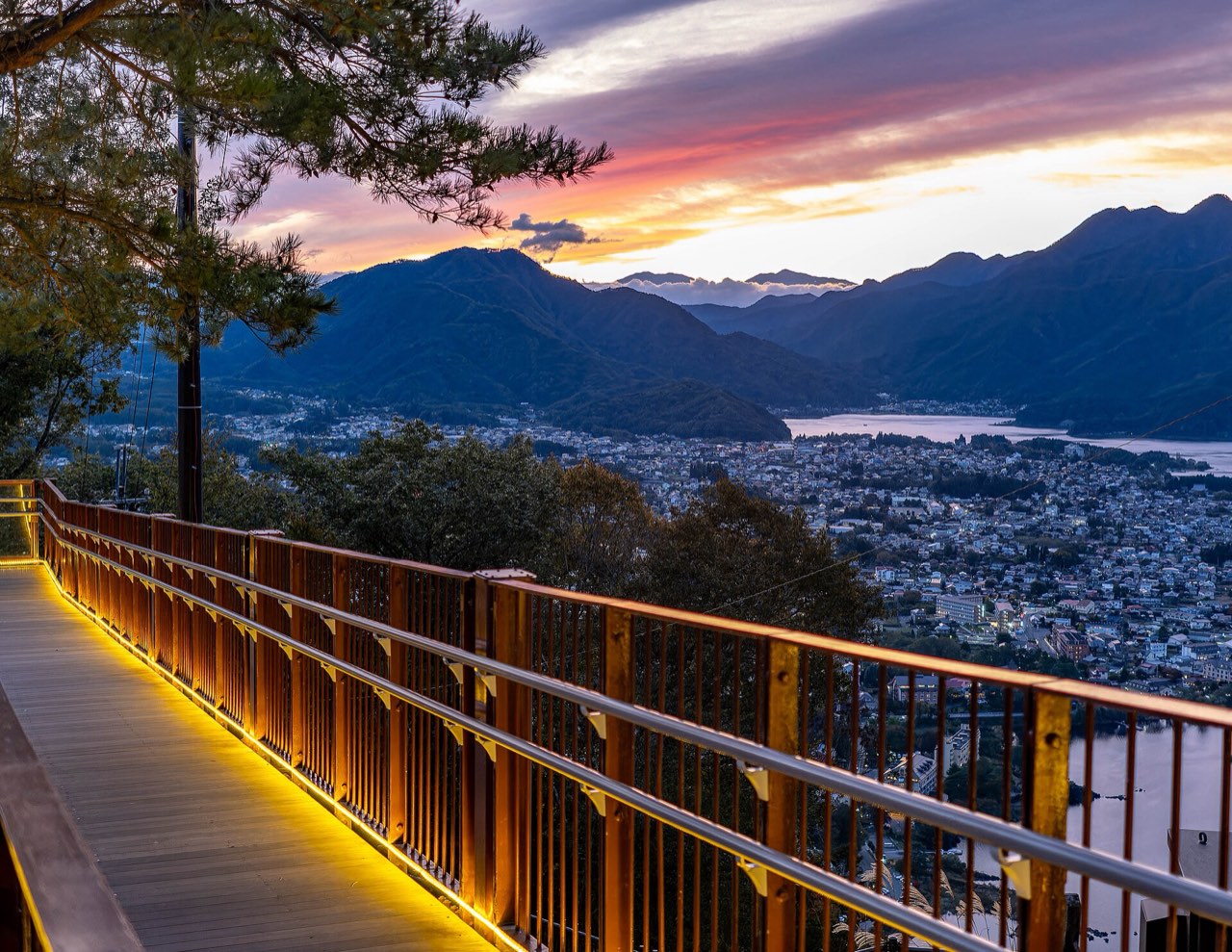
A short cable car up Mt Tenjo for a sweeping platform view of the lake below and Fuji ahead, themed around the 'Kachi Kachi Yama' folk tale. Quick and kid-pleasing; the upper deck involves some steps and queues can be long at midday.
- 15:45
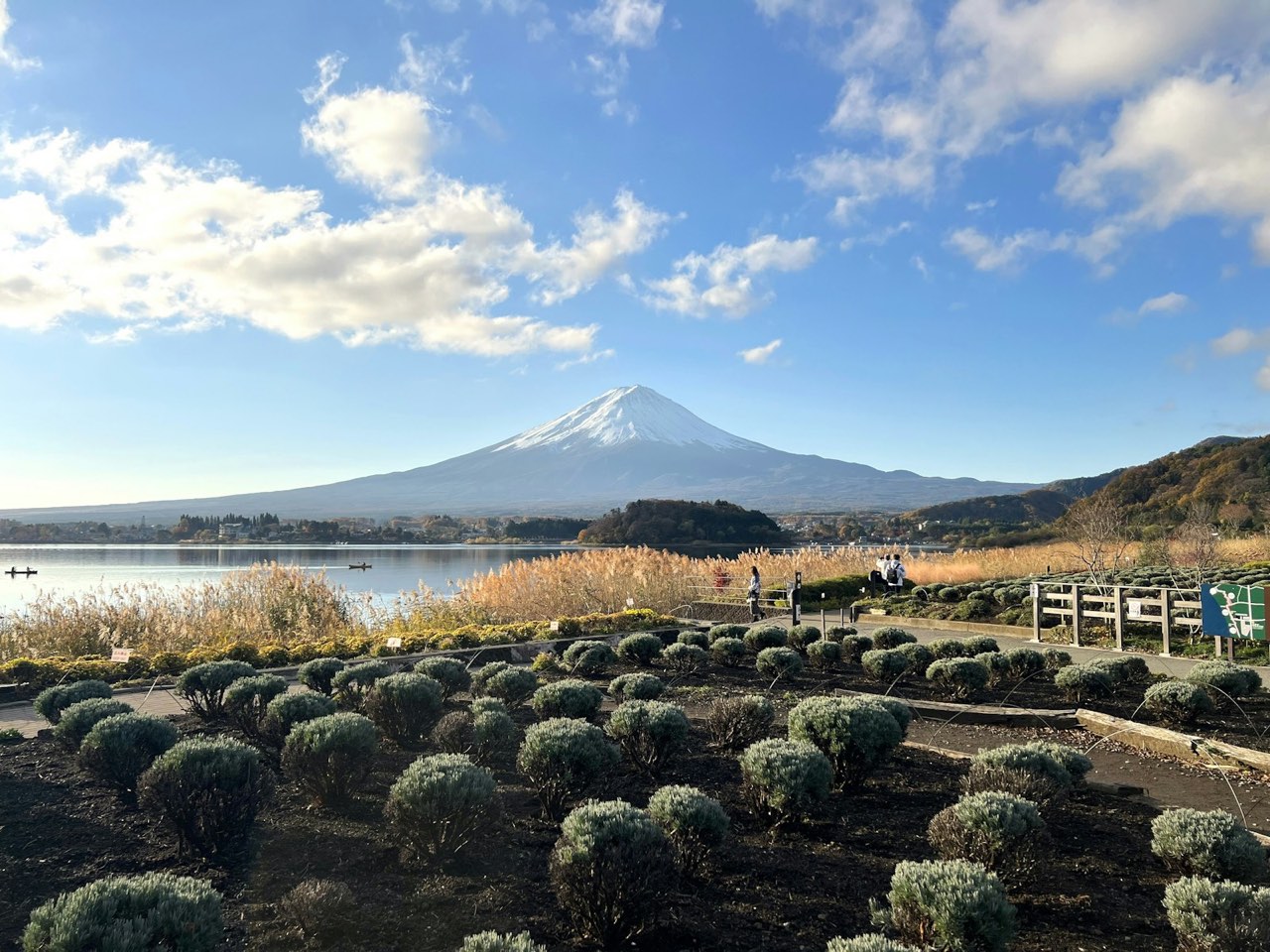
A flat lakeside park on Kawaguchiko's north shore with the postcard view: Mt Fuji rising straight across the water above seasonal flower beds — lavender in summer, red kochia in autumn. Free, open and fully pram-friendly; come early for still water and fewer crowds.
- 16:45
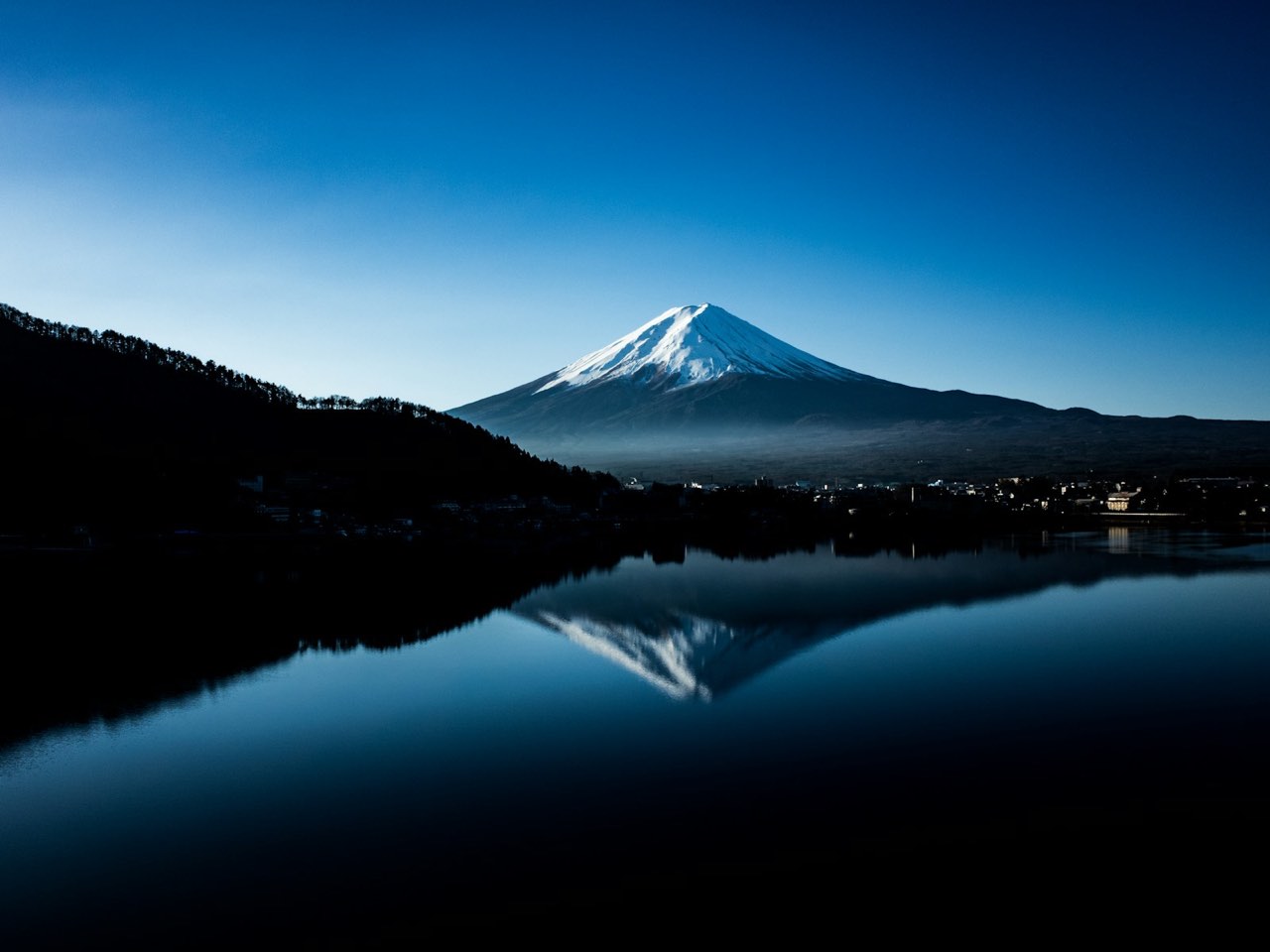
The lake itself is the headline sight — a shoreline path and rental bikes circle it, and on still mornings the 'Sakasa Fuji' upside-down reflection appears in the water. Free and always accessible; the northern shore around Oishi has the cleanest Fuji views.
- 18:00Dinner Hoto Fudo (Yamanashi hoto)
The place to try 'hoto' — Yamanashi's hearty miso hotpot of flat wheat noodles and pumpkin — served piping hot in a famously cloud-like white concrete hall. Warming, cheap and great after a cold morning by the lake.


Day 7Fujiyoshida & Chureito Pagoda & nearby — a sights dayFuji Five Lakes (Fujikawaguchiko), 7 stops
The old textile town at Fuji's foot, famous for the five-storey Chureito Pagoda framed against the mountain, the cedar-lined Sengen shrine where climbers once set out, and retro streets that line Fuji up between the shopfronts. Home, too, of the chewy local 'Yoshida udon'.
- 07:40Check out of your stay
- 08:30
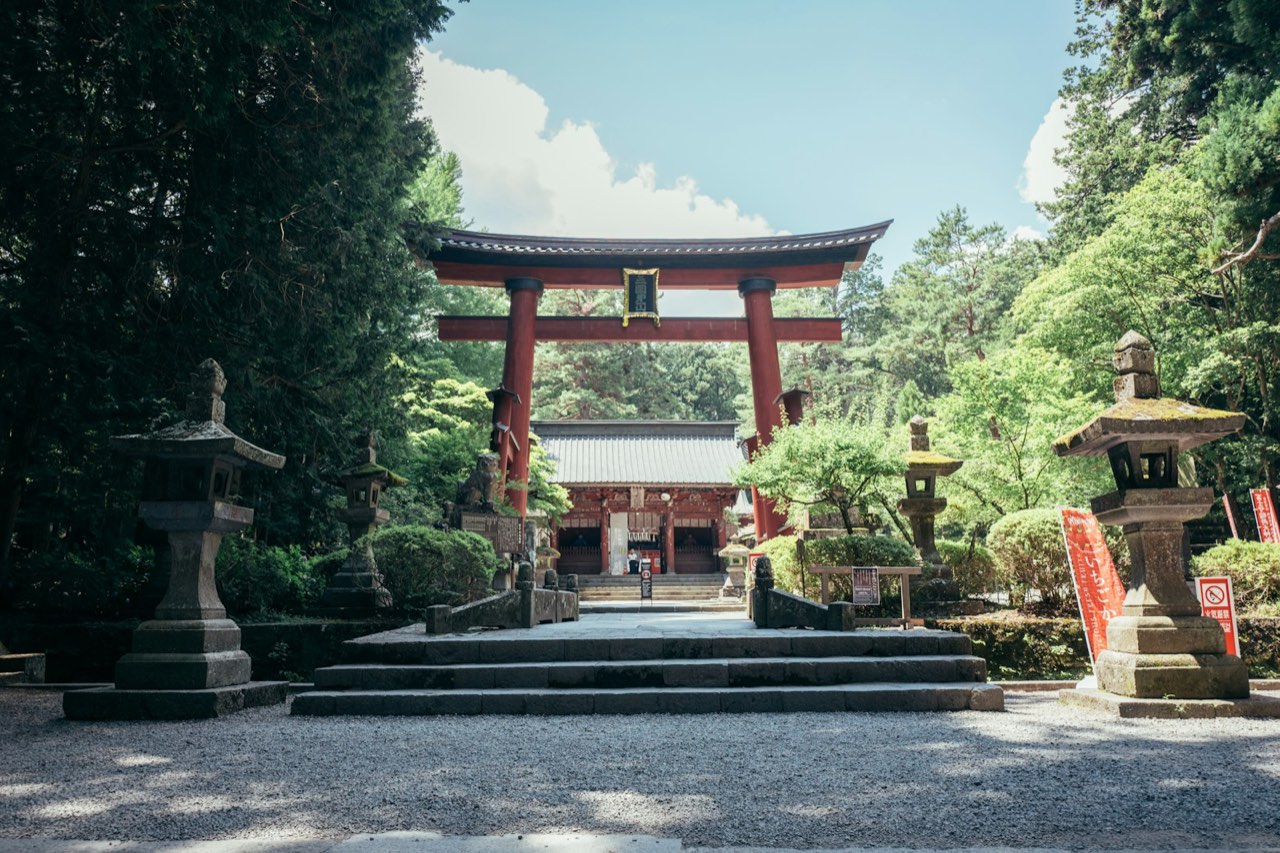
A solemn, moss-and-cedar shrine that marks the traditional start of the Yoshida climbing route up Mt Fuji, with giant torii and towering trees lining the approach. Atmospheric and uncrowded; the wide gravel paths are largely level.
- 09:30
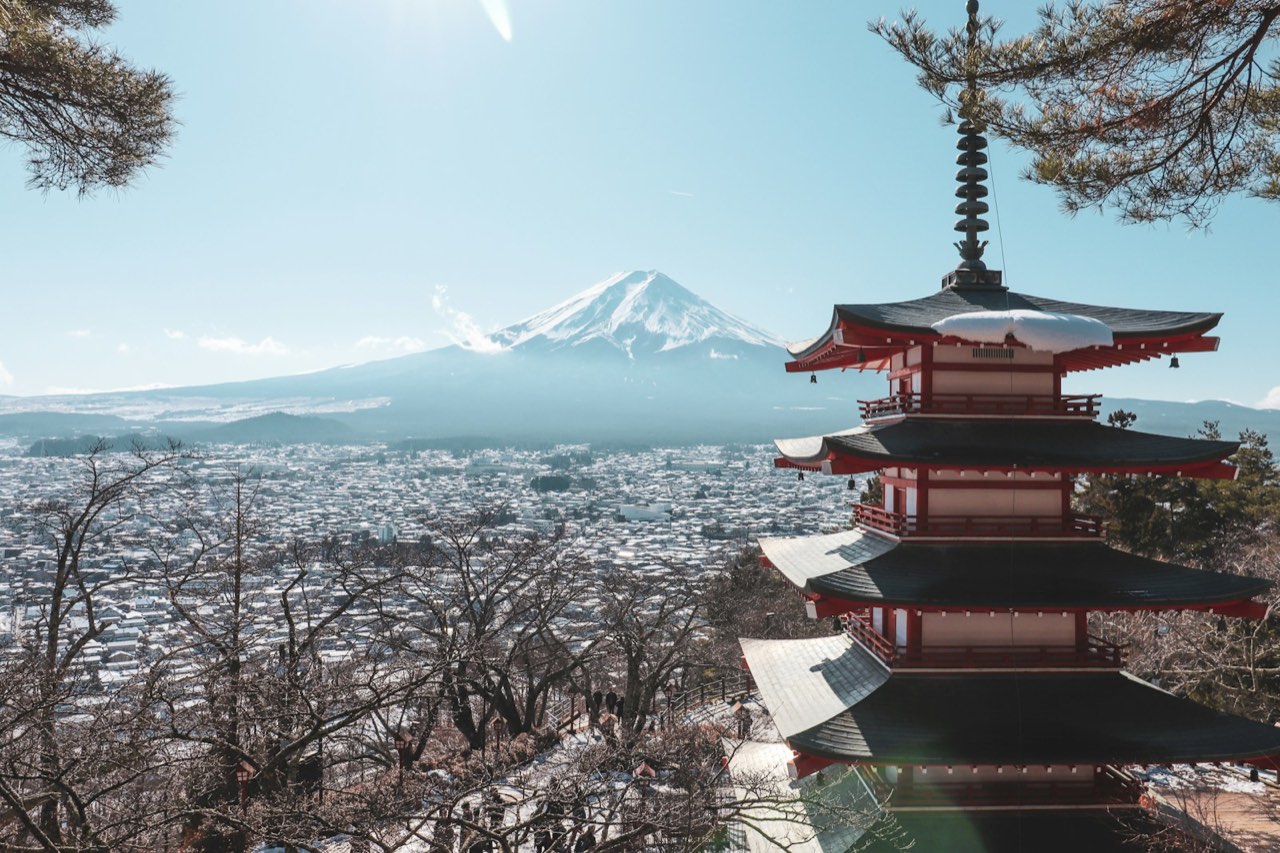
The classic image of Japan: a five-storey red pagoda, Mt Fuji and (in season) cherry blossom all in one frame, from a hillside above Fujiyoshida. Free and always open, but the viewpoint is up nearly 400 steps — beautiful yet not stroller- or wheelchair-friendly; sunrise and blossom season are busiest.
- 10:51
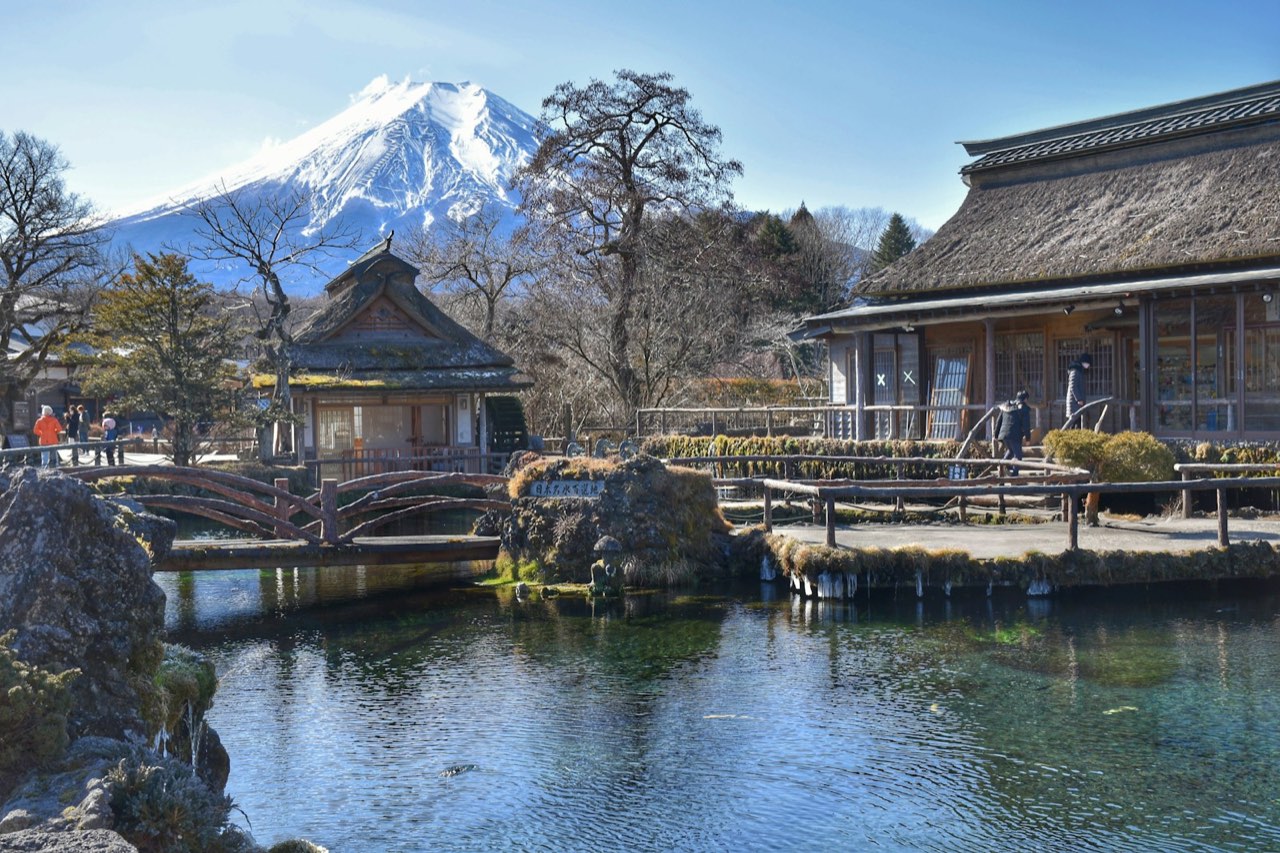
Eight startlingly clear spring-fed ponds, filtered for decades through Mt Fuji's lava, set among thatched farmhouses with the mountain behind. Free and walkable on flat village paths; the central ponds get very crowded midday, so arrive early or late.
- 12:00Lunch Oshino Hakkai Food Stalls
The cluster of stalls around the ponds selling walk-and-eat bites - grilled dango with soy glaze, yomogi kusamochi, fresh spring-water tofu, soft-serve and salt-grilled trout. Daytime only; cash recommended.
- 13:00
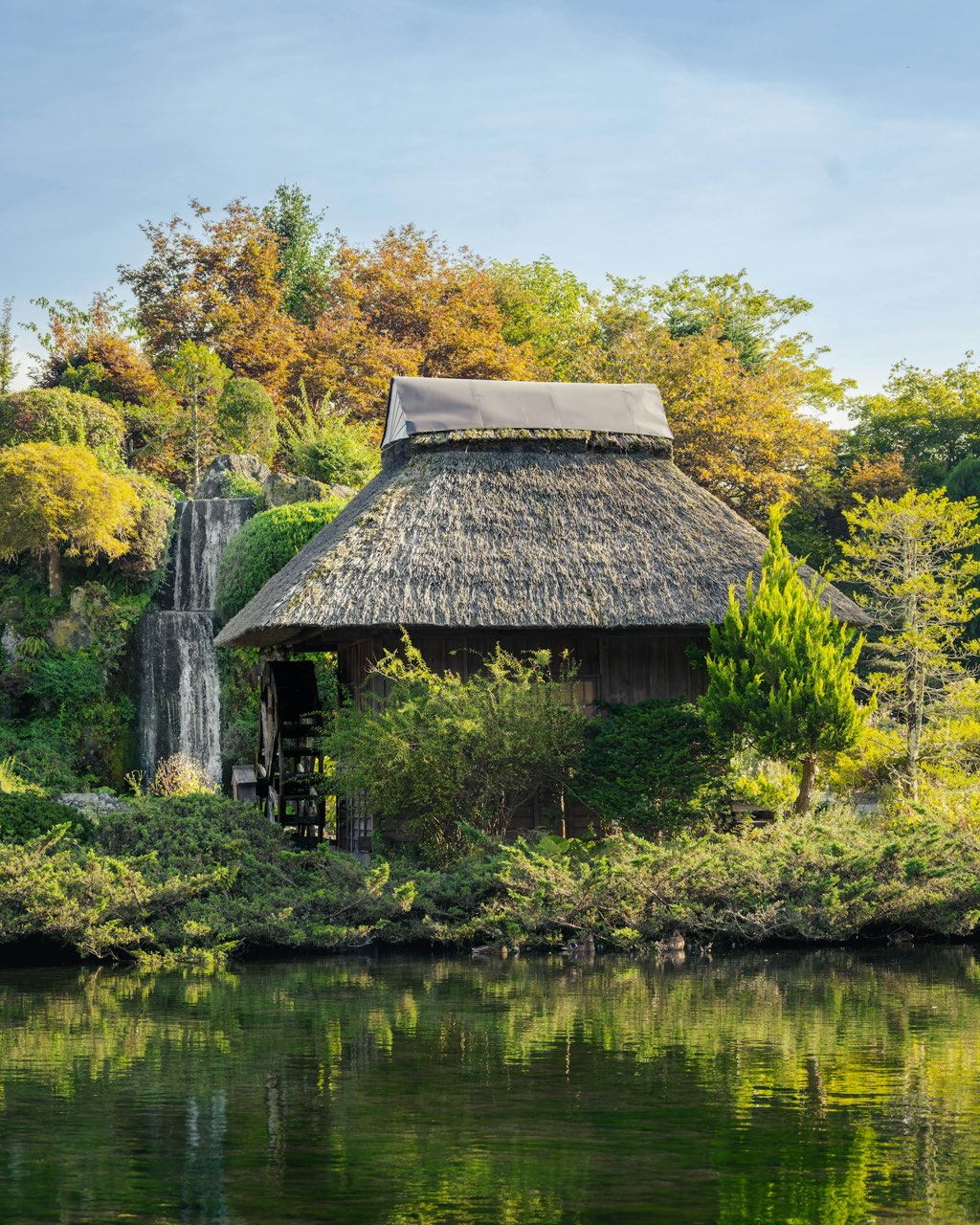
A preserved old thatched farmhouse and folk museum beside the largest, deepest spring pond, with farm tools, armour and a little Fuji-view garden. A quiet add-on to the Hakkai walk; a small admission applies.
- 13:55Honcho-dori (Fuji-view retro street)
A faded-glamour shopping street where Mt Fuji lines up perfectly between the old shopfronts and neon signs — a hugely popular photo spot, with local stores, cafés and the chewy 'Yoshida udon'. Per-shop hours vary; mind the traffic when framing the shot.
- 17:30Dinner Shinsekai Alley (retro izakaya lane)
A revived post-war drinking lane of tiny bars and izakaya near Honcho-dori, lantern-lit and friendly, serving skewers, motsu stew and local sake. An atmospheric evening option in Fujiyoshida; most places open from late afternoon.


