
Japan in cherry blossom — Tokyo and Kyoto in 6 days
- 6 days, 2 cities
- Balanced pace
- About 40 min walking a day
Cherry blossom season is short and it moves every year — it usually opens in Tokyo in late March and reaches Kyoto in early April, which is why this plan does Tokyo first. The famous blossom spots come early in the day: the Meguro River on the first morning, Shinjuku Gyoen at its 09:00 opening, Ueno Park before the zoo and museums fill up. Treat the dates as a typical window rather than a forecast. When you pick your own, every stop is checked against them — Shinjuku Gyoen closes on Mondays, for example — and the whole plan works offline once saved.
Who it's for
For a first trip timed to cherry blossom season: six days, three in Tokyo and three in Kyoto, built around the riverside, park and garden spots most loved for the blossom. A balanced pace with a lot of walking, the busiest places at opening time. Good for couples, friends and first-timers.
Day by day
Day 1Nakameguro & Daikanyama & nearby — sights morning, shopping afternoonTokyo, 8 stops
The first morning goes straight to the Meguro River, where hundreds of cherry trees arch over the canal — Tokyo's prettiest blossom walk in late March. Saigoyama Park's hillside above the river is next, then Daikanyama T-Site, a bookstore worth an hour on its own, and Log Road back towards the riverside. The afternoon is easy in Ebisu around Yebisu Garden Place; Atre is a practical station mall, so skip it if you are not shopping. Before or after dinner, walk back to the river: the trees are lit pink at night.
- 08:00Breakfast Starbucks Reserve Roastery Tokyo
A four-storey Kengo Kuma-designed coffee 'theatre' on the Meguro River, with a copper roasting cask, a Teavana tea bar and a Princi bakery. Spectacular when the cherry trees bloom outside the upper terraces; expect a wait at peak times.
- 08:30
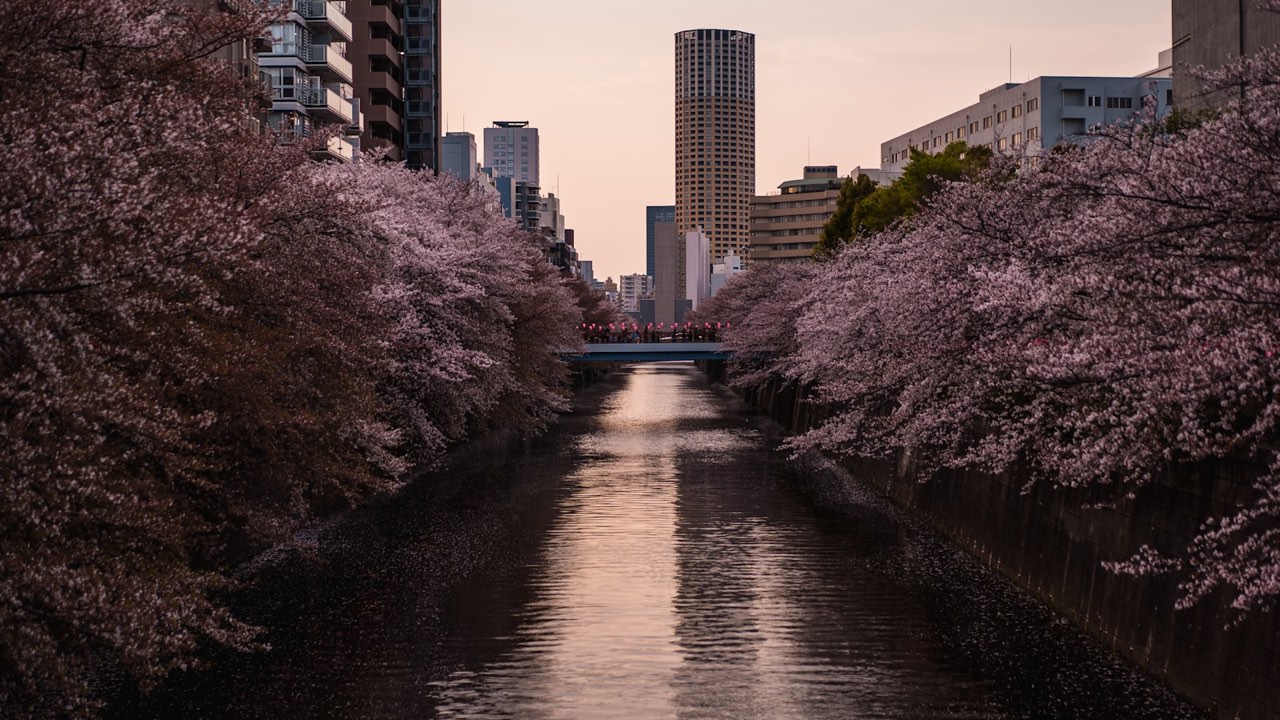
A canal lined with hundreds of cherry trees that arch over the water — Tokyo's prettiest blossom walk in late March, lit pink at night, and a pleasant café-hopping stroll the rest of the year. Always open and free.
- 09:45

A small hillside park above the river with a grassy slope, a little waterfall and a west-facing terrace that catches the sunset over the city — a quiet pause a few minutes from the Nakameguro bustle.
- 10:30Daikanyama T-Site (Tsutaya Books)
A celebrated bookstore-as-destination: three glass pavilions of books, magazines, music and stationery, with the Anjin lounge upstairs for coffee among vintage art journals. A design pilgrimage and a lovely slow browse.
- 13:00Log Road Daikanyama
A low-rise strip of shops and cafés built along a former rail siding — home to a Spring Valley craft brewery taproom and breezy terraces. A relaxed link between Daikanyama and the Nakameguro riverside.
- 14:00Atre Ebisu
The big station-side mall directly over Ebisu Station — fashion, cosmetics, a supermarket and a strong restaurant floor, all weatherproof and handy on arrival or departure. A practical everyday stop rather than a destination.
- 15:15Yebisu Garden Place
A refined open-air complex built on the old Yebisu brewery site — a glass-roofed plaza, a department store, restaurants from casual to the Joël Robuchon château, and a vast Baccarat chandelier that anchors a famous winter illumination. Pleasant to stroll any time; the plaza is always open.
- 17:30Dinner Yakiniku Champion (Ebisu)
A respected yakiniku house run by a meat wholesaler, so the wagyu cuts are top-grade and well priced for the quality — grill your own over charcoal at the table. A satisfying splurge; reserve for evenings as it fills quickly.


Day 2Shinjuku — a sights dayTokyo, 8 stops
Shinjuku Gyoen opens at 09:00 and is one of Tokyo's top cherry-blossom spots — a huge garden with Japanese, English and French sections and wide lawns — so it is the first thing you do. It charges a small entry fee and closes on Mondays, which is why this day never lands on one. Isetan's basement food hall and a tsukemen lunch follow. The early afternoon is left open on purpose: go back into the garden, which stays open until 16:30, or rest. From 16:00 the lanes of Omoide Yokocho come alive (mostly cash), the free city-hall observation decks show the skyline, and the evening ends in Kabukicho's neon.
- 09:00
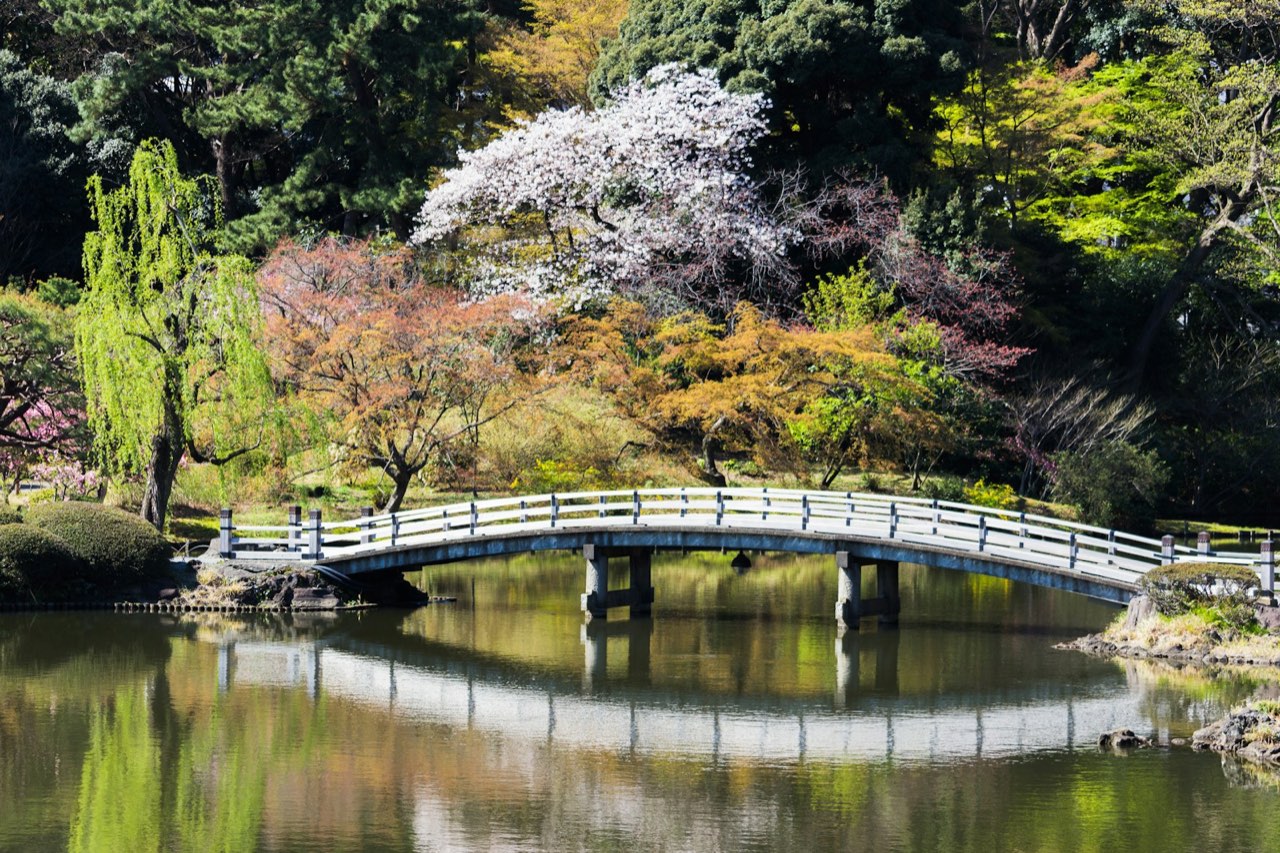
A huge, beautifully landscaped garden — Japanese, English and French sections plus wide lawns — and one of Tokyo's top cherry-blossom spots. Small entry fee; closed Mondays.
- 10:45Isetan Shinjuku
Japan's flagship fashion department store, with an extraordinary basement food hall (depachika). Tax-free counter for tourists; the food floor alone is worth a visit.
- 12:15Lunch Fuunji (tsukemen)
Cult tsukemen (dipping noodles) in a rich chicken-and-fish broth, near Shinjuku's south side. Ticket machine, cash only, and a reliable queue; closed Sundays.
- 13:15Don Quijote Shinjuku
The sprawling, around-the-clock discount store crammed floor-to-ceiling with snacks, cosmetics, gadgets, costumes and quirky souvenirs. A late-night Shinjuku ritual and a one-stop tax-free souvenir run; busiest in the evening.
- 16:00
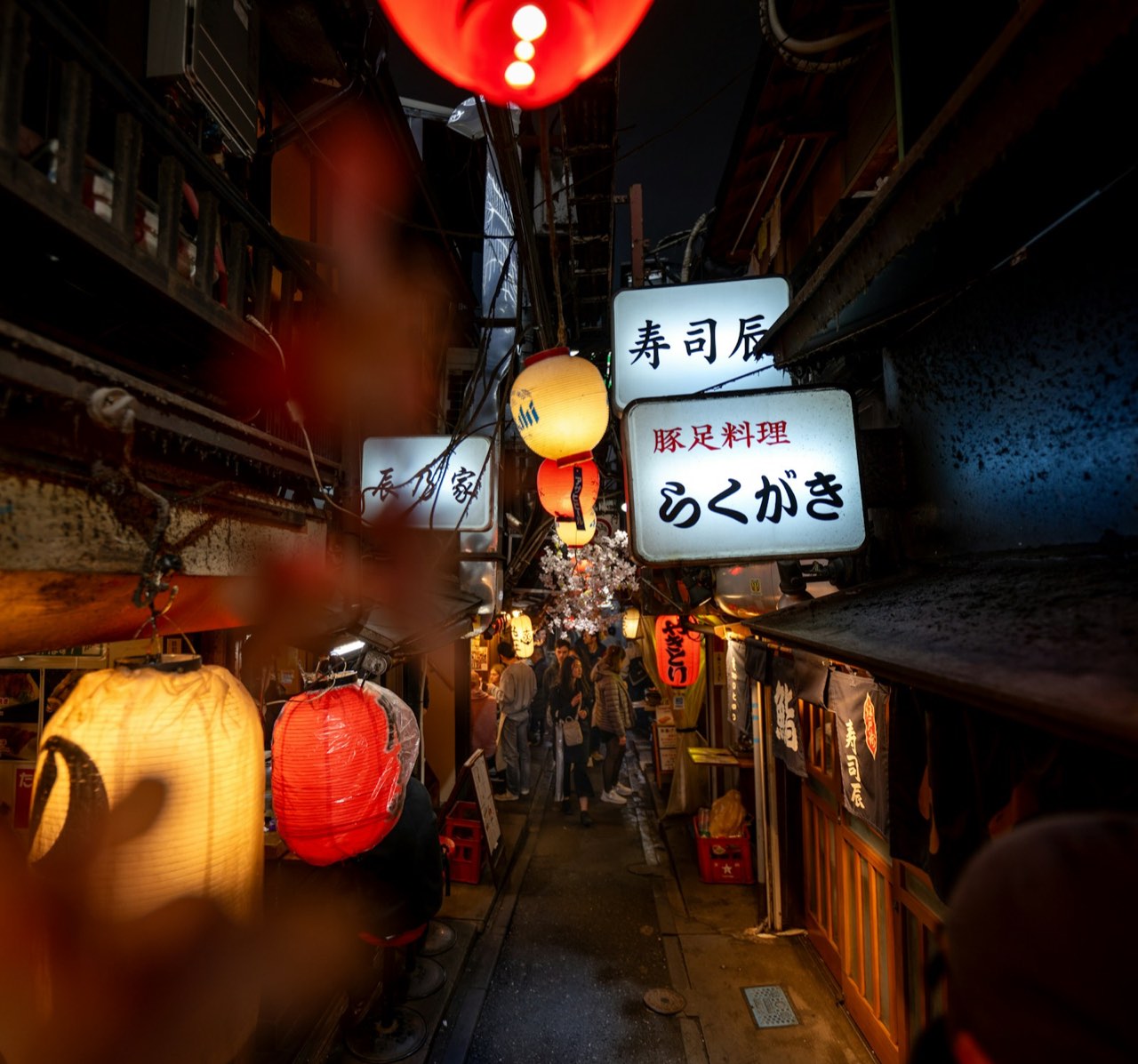
A smoky, atmospheric warren of tiny yakitori and ramen counters by Shinjuku's west exit — 'Memory Lane', post-war Tokyo preserved. Best in the evening; mostly cash, per-shop hours vary.
- 17:15
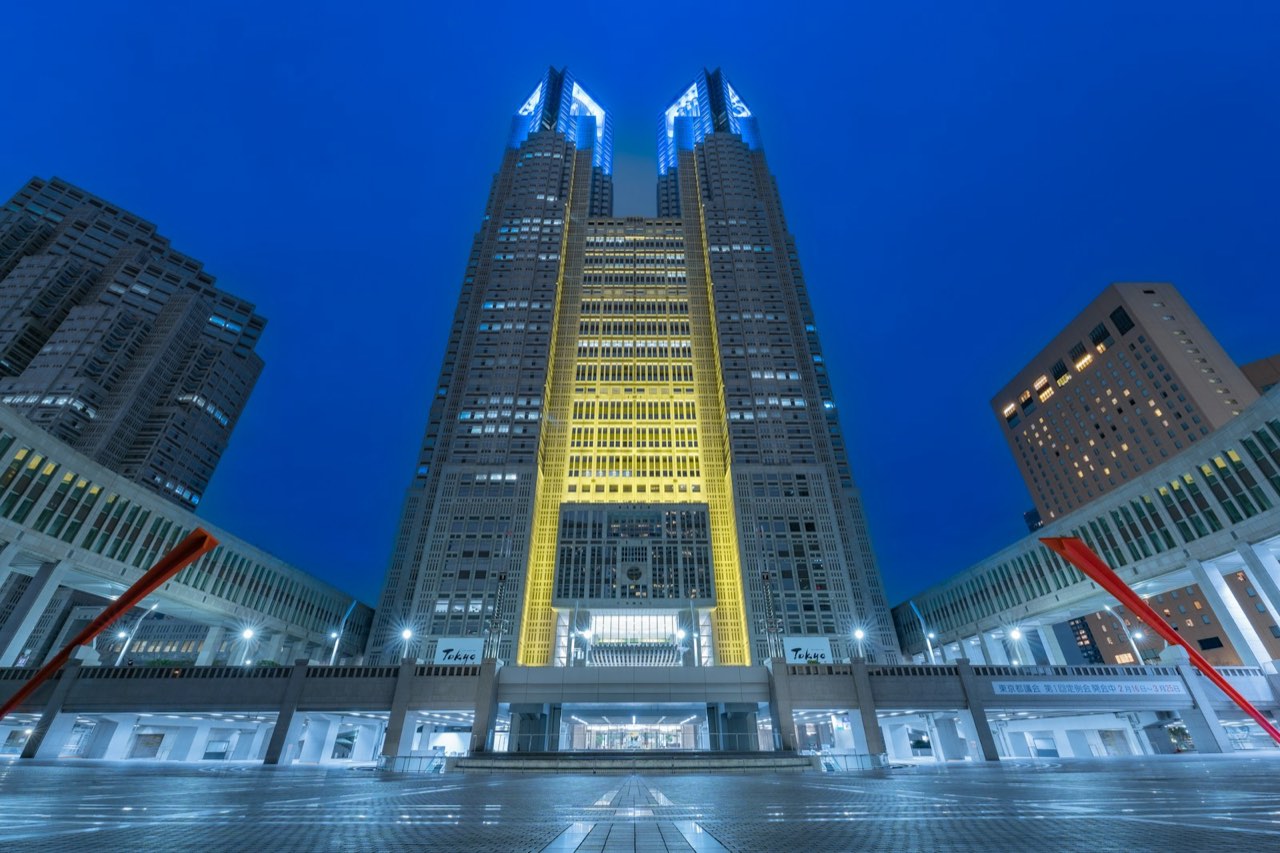
Free 202 m observation decks atop the twin-towered city hall — among the best no-cost views in Tokyo, out to Mt Fuji on clear days. The two towers have different closing days; one is usually open.
- 19:25
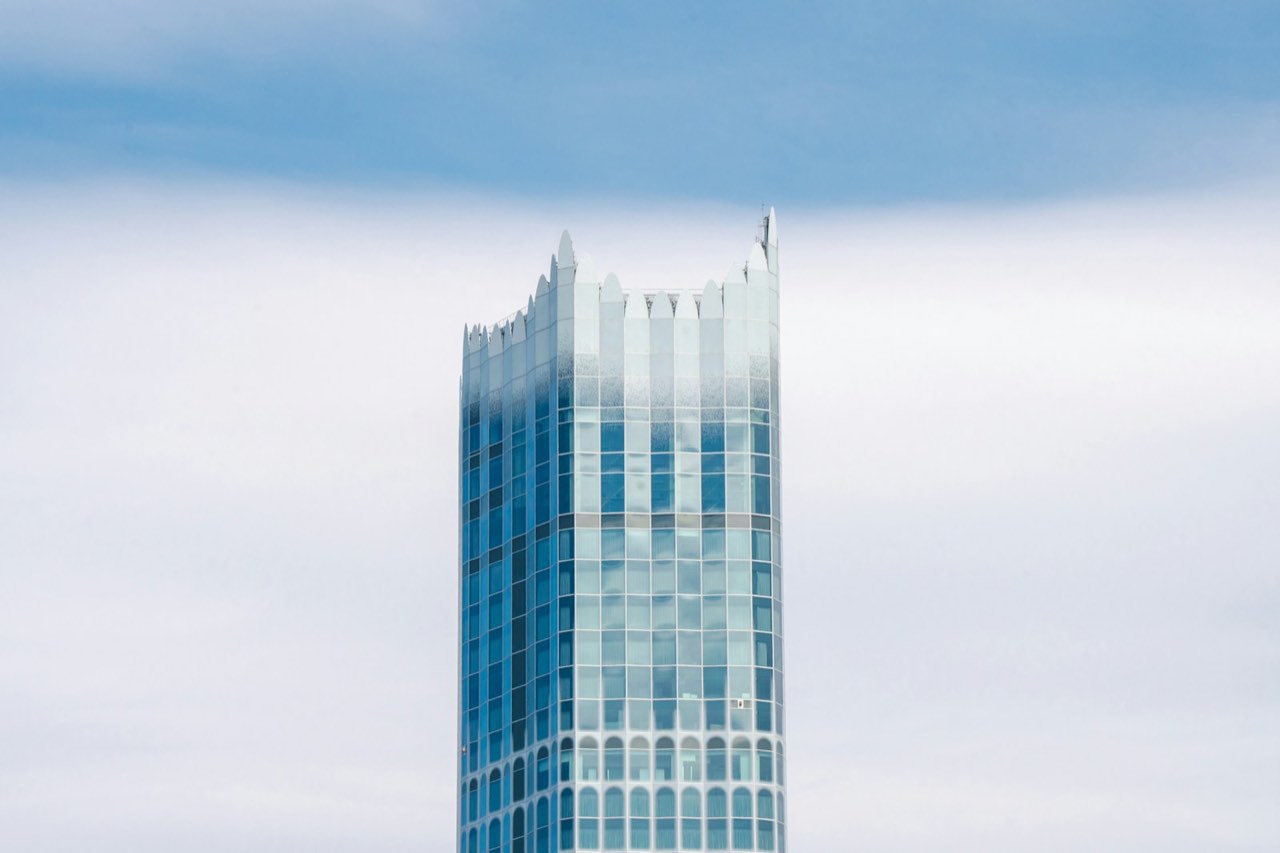
A 2023 entertainment skyscraper over Kabukicho: the riotous Shinjuku Kabuki Hall food court themed as a neon festival, a Namco games floor, live-music halls, a cinema and hotels stacked above. A safe, lively way to sample Kabukicho's energy; individual venue hours vary.
- 20:55
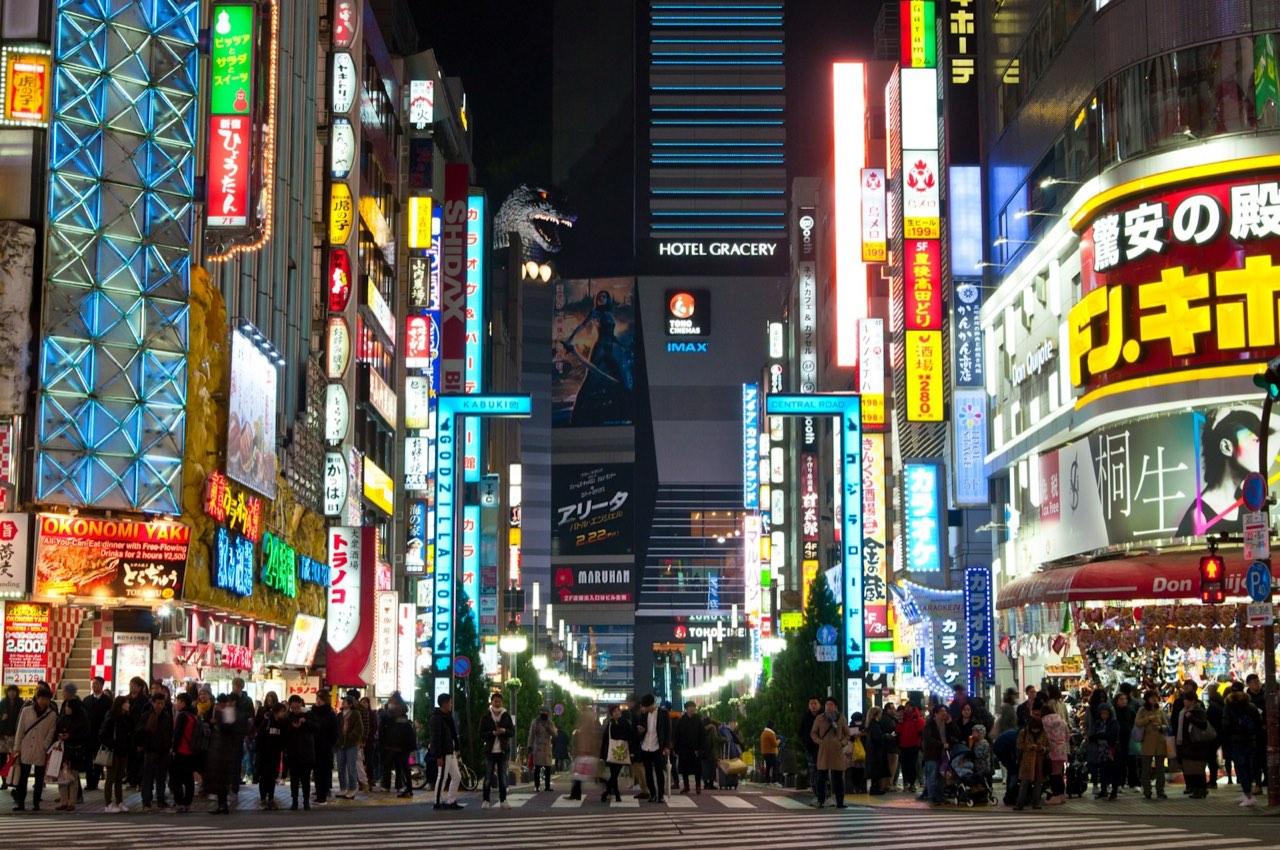
Tokyo's biggest entertainment-and-nightlife district — neon canyons, arcades, izakaya, the Godzilla head atop the Toho building and the new Kabukicho Tower. Lively and safe to walk; ignore touts.


Day 3Ueno & nearby — sights morning, shopping afternoonTokyo, 7 stops
Ueno Park first, while it is quiet: it is one of Tokyo's most famous cherry-blossom spots, with the lotus-filled Shinobazu Pond at its edge. The zoo and the Tokyo National Museum — Japan's oldest and largest — sit inside the park; the museum visit runs across the lunch hours, so lunch moves to the snack and seafood stalls of Ameyoko just after. The afternoon swaps blossom for neon in Akihabara: Super Potato's retro games and the Electric Town grid. Dinner is spicy miso ramen.
- 08:30
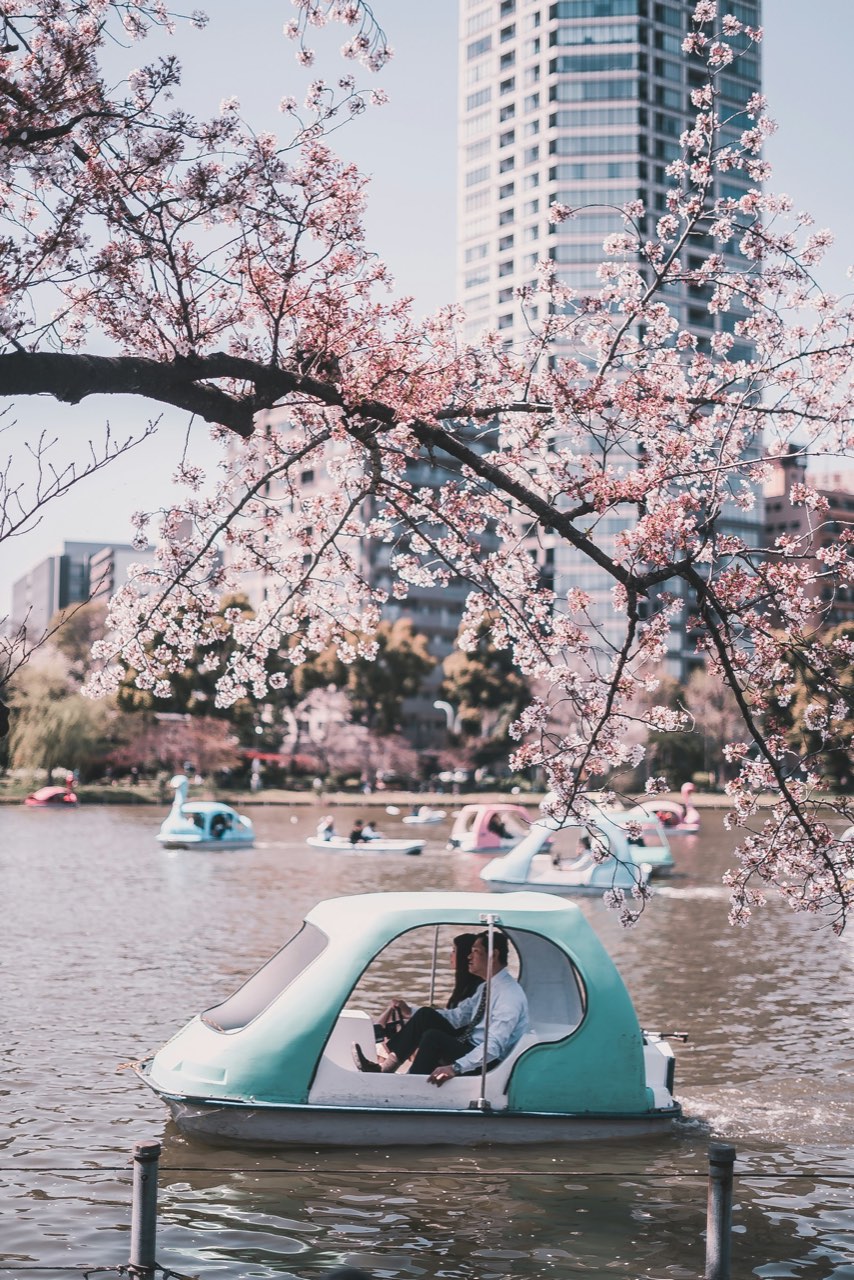
A wide public park that's Tokyo's museum district and one of its most famous cherry-blossom spots, with the lotus-filled Shinobazu Pond and a zoo. Always open; ties the area's sights together.
- 09:45
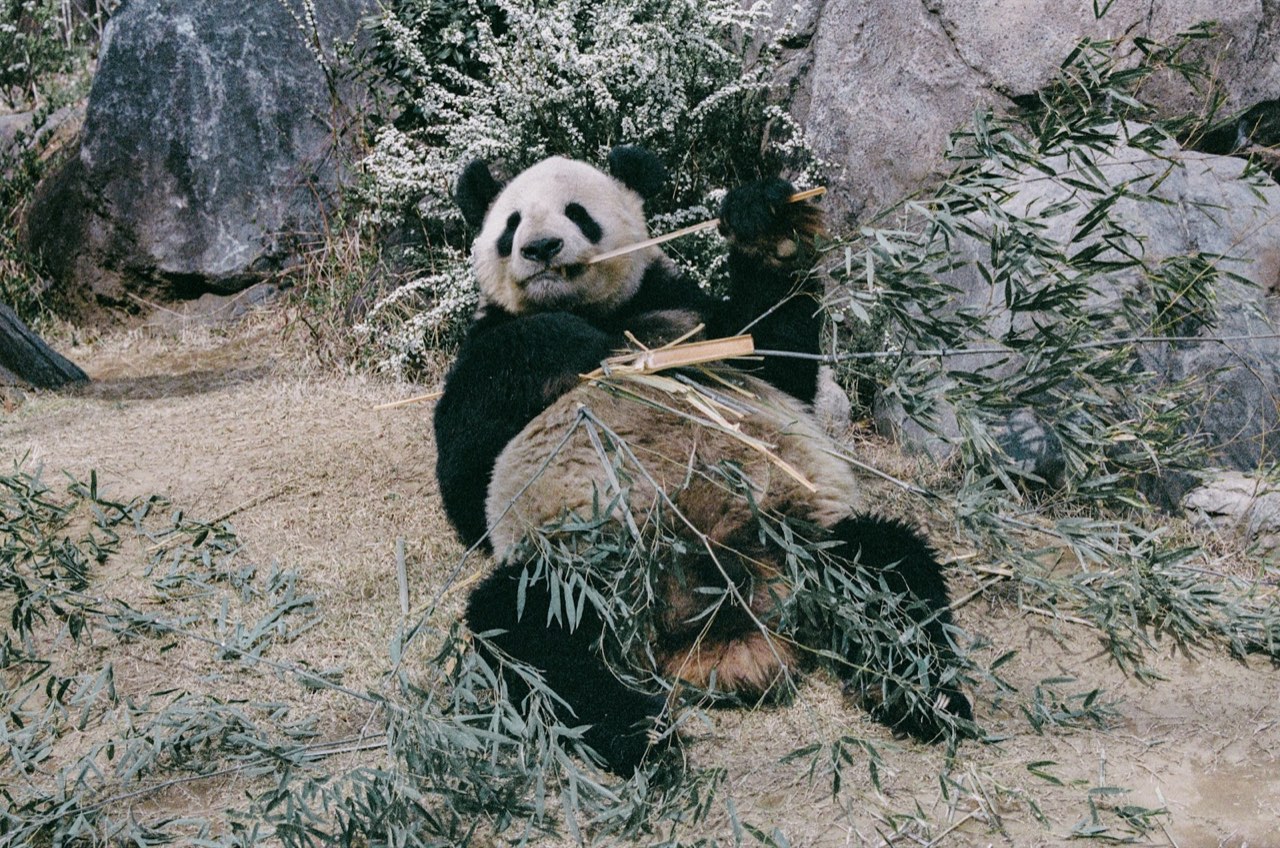
Japan's oldest zoo, in Ueno Park — best known for its giant pandas. Great with kids; closed Mondays. Cheap entry.
- 12:00
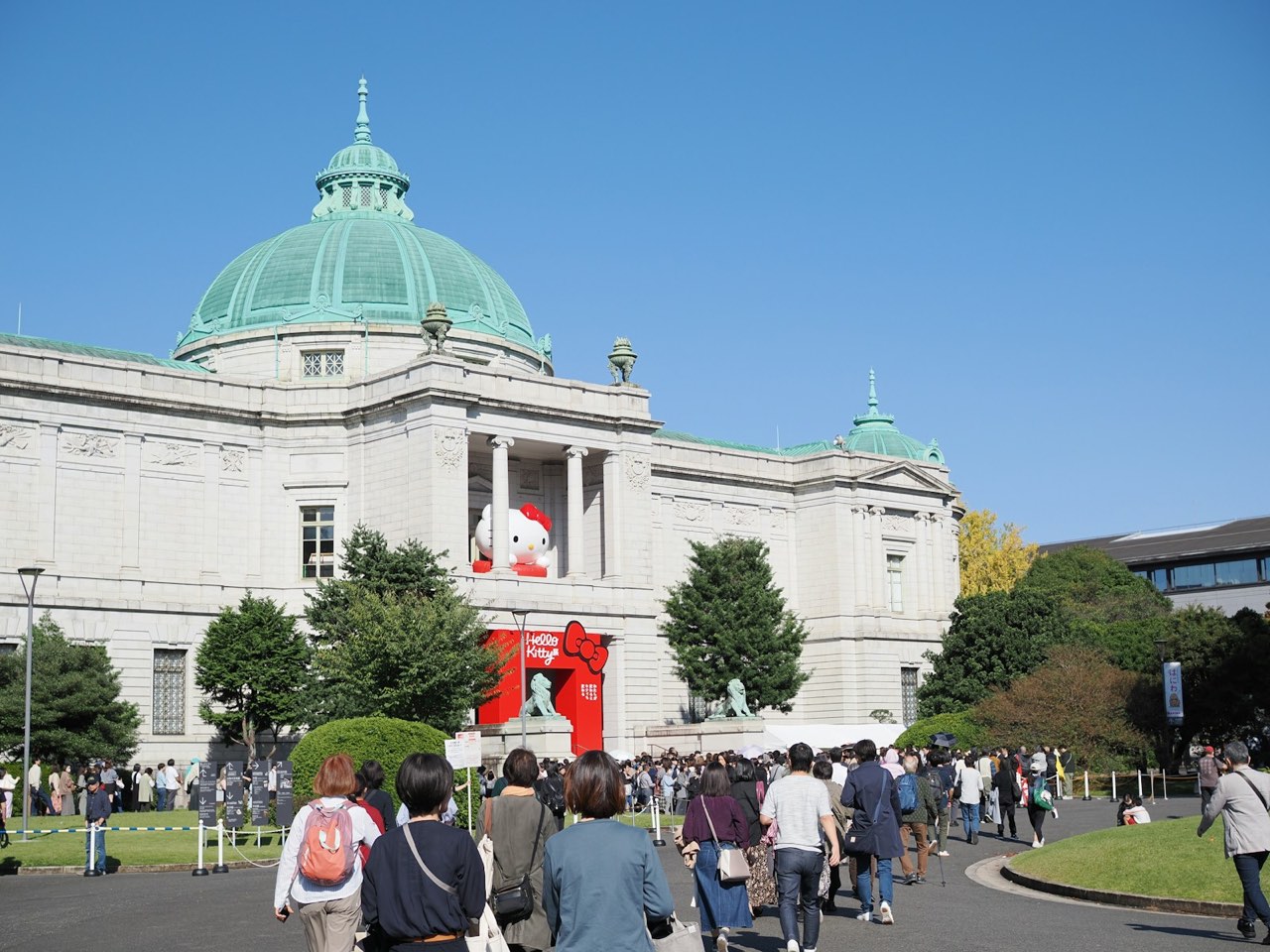
Japan's oldest and largest museum — the definitive collection of samurai swords, armour, Buddhist art and ceramics. Closed Mondays; an excellent rainy-day half-day.
- 14:15Ameyoko Market
A loud, fun market street under and beside the train tracks — fresh seafood, snacks, sweets, cosmetics and discount goods, with stallholders calling out bargains. Per-shop hours vary.
- 15:30Super Potato (retro games)
The famous retro-game shop — floors of Famicom/Super Famicom carts, consoles and merchandise, with a tiny retro arcade up top. Narrow stairs.
- 16:25
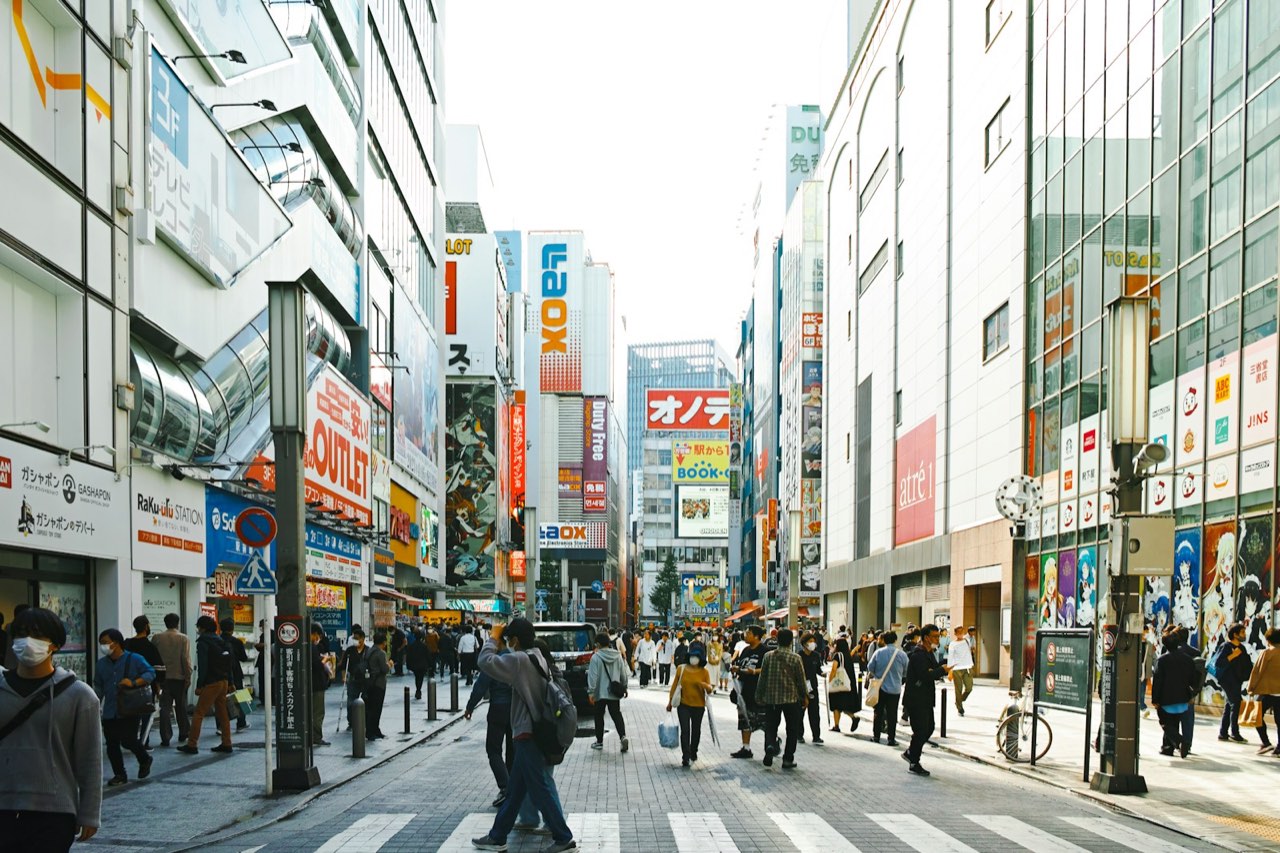
The dense grid of electronics, anime, figure and game shops west of Akihabara Station — neon, arcades and pop-culture overload. Wander freely; the main drag is car-free on Sunday afternoons.
- 18:10Dinner Kikanbo (spicy miso ramen)
Cult miso ramen with adjustable 'spicy and numbing' (kara-shibi) heat. Ticket machine, cash, and a near-constant queue. Near Akihabara's north side.


Day 4Higashiyama & Gion — a temple dayKyoto, 6 stops
The shinkansen gets you to Kyoto around midday and lunch is near Kiyomizu-dera, so the afternoon is spent on foot in Higashiyama. Chion-in's giant Sanmon gate comes first, then Gion — Kyoto's geisha district of wooden teahouses along Hanamikoji and the Shirakawa canal. Be respectful there: some lanes are private, and geiko are not to be photographed without consent. Yasaka Shrine is the gateway to Maruyama Park, and Kodai-ji closes the day; it is known for seasonal night illuminations in spring, so check this year's dates.
- 09:40Check out of your stay
- 10:00Shinkansen
- 12:24Drop your bags at your stay
- 12:54Lunch Okutan (Kiyomizu)
Centuries-old yudofu (hot tofu) house on the Kiyomizu approach, with garden seating. Closed Thursdays. Good veg-friendly option.
- 13:54
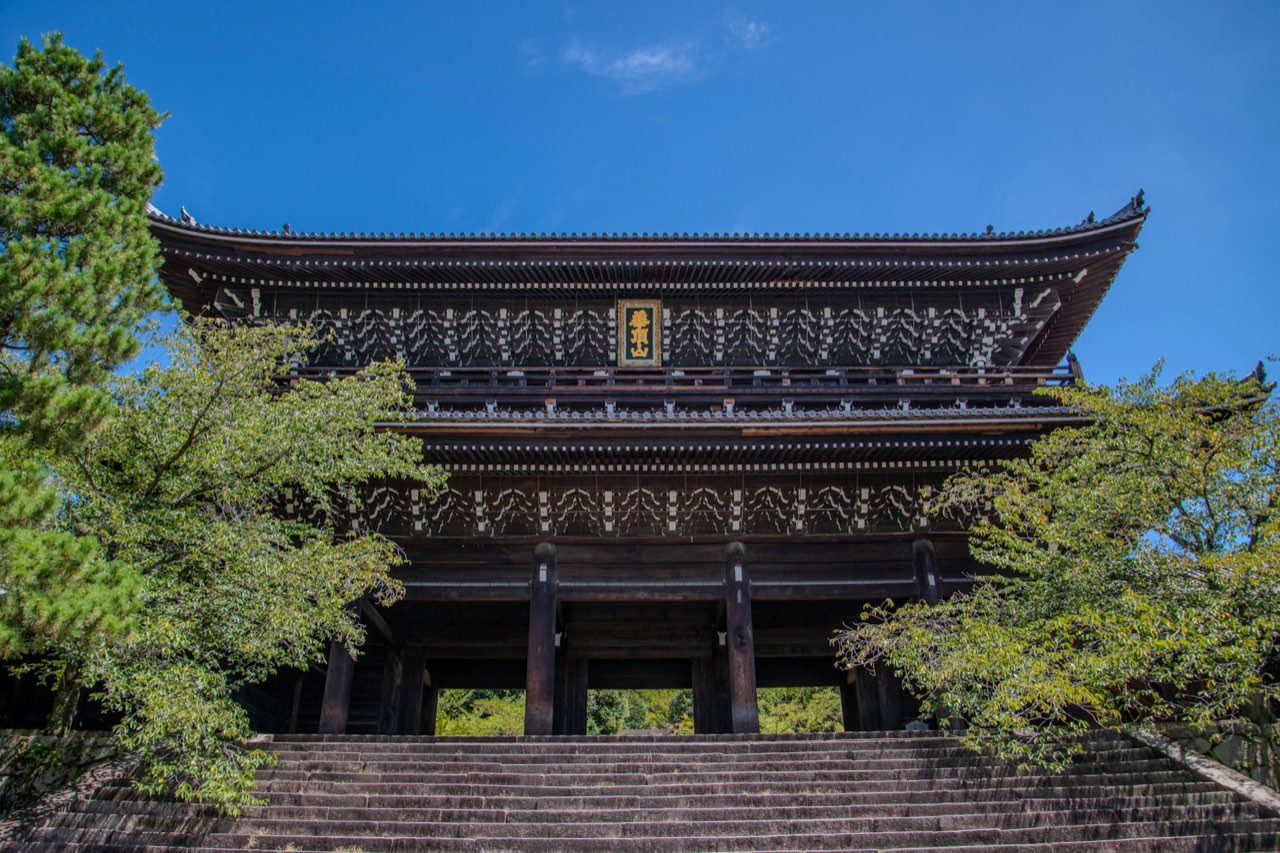
Head temple of Pure Land Buddhism, entered through Japan's largest wooden gate (the Sanmon) and home to a giant bell. Just north of Yasaka and Maruyama Park; grounds free.
- 14:54
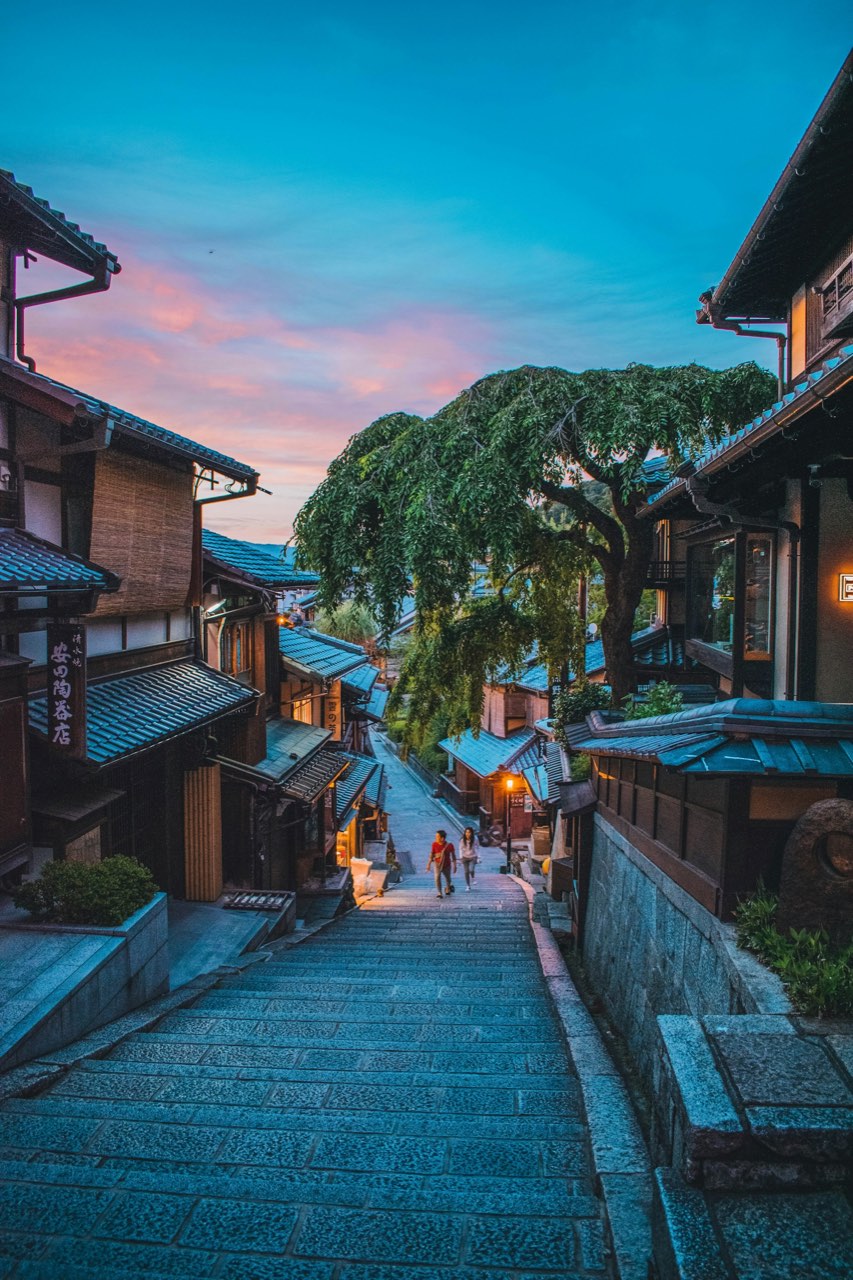
Kyoto's geisha district — wooden teahouses along Hanamikoji and the Shirakawa canal. Best at dusk; be respectful (private streets, no photographing geiko without consent).
- 15:54
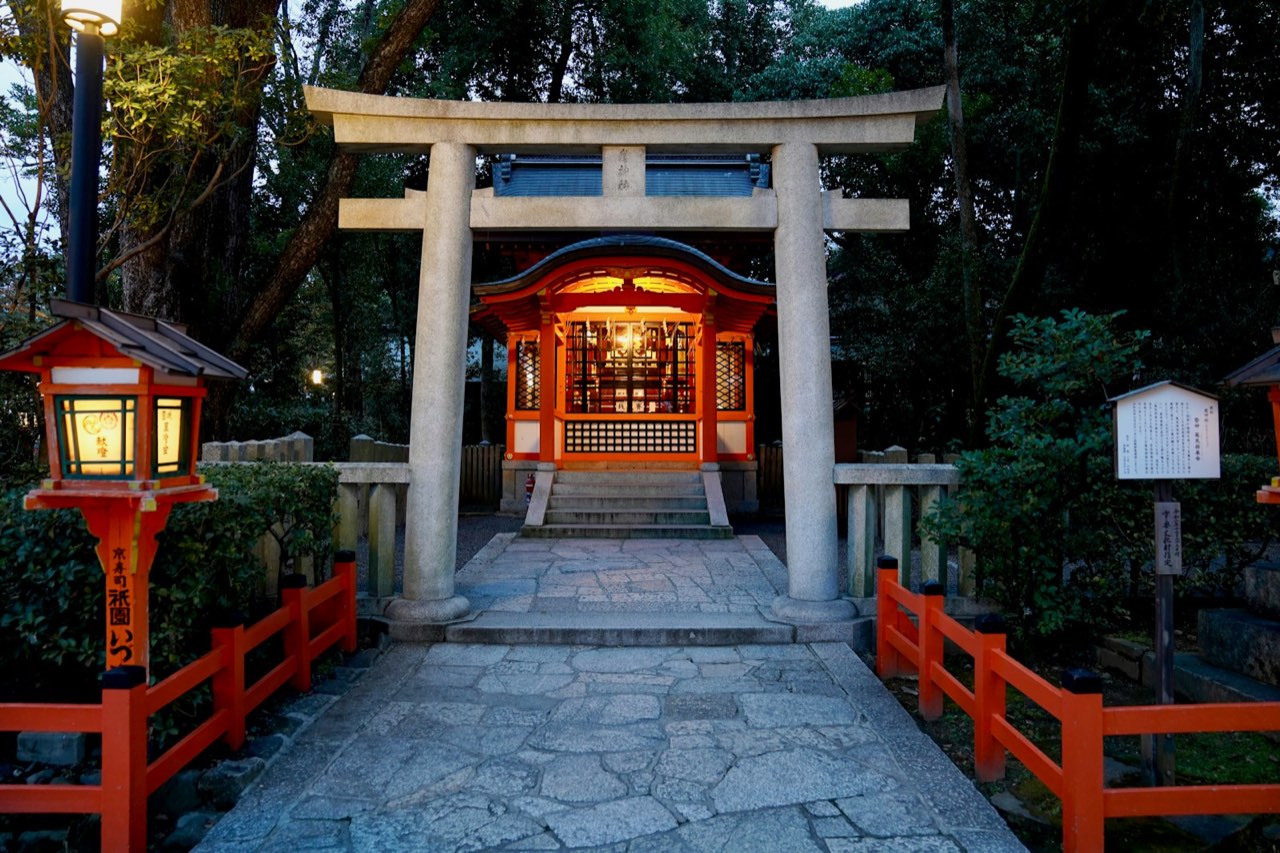
The lantern-lit shrine at the foot of Gion, gateway to Maruyama Park. Grounds are free and always open; lovely floodlit at night.
- 16:39
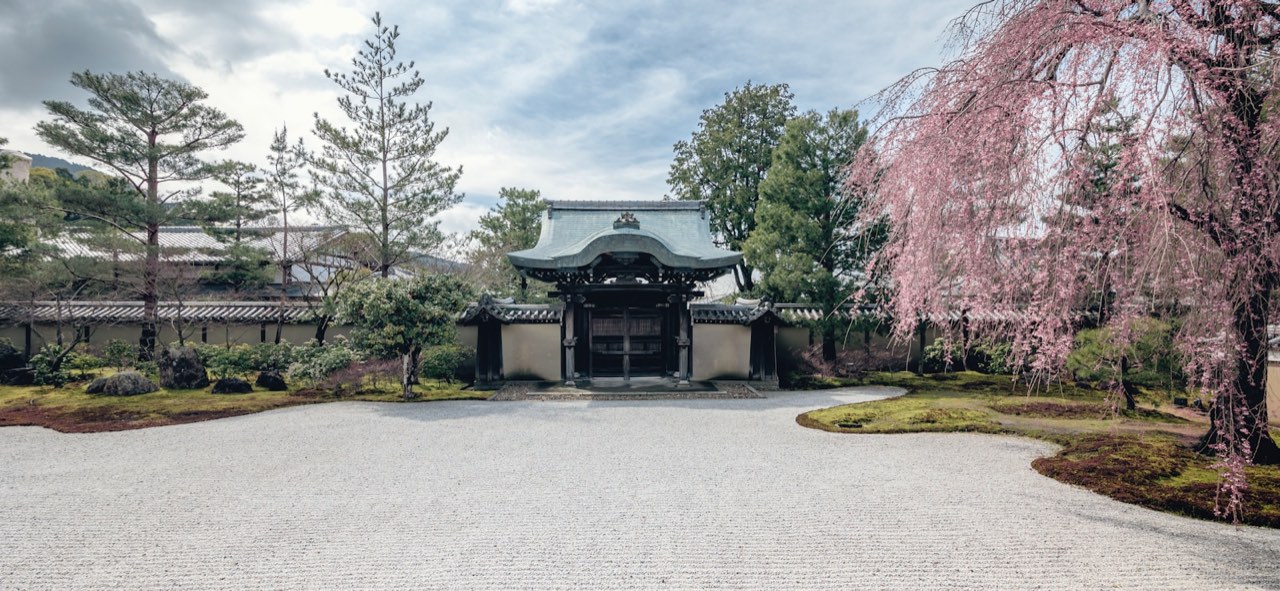
Hillside Zen temple between Yasaka and Kiyomizu with raked gardens and a small bamboo grove; famous for seasonal night illuminations (spring/autumn).
- 17:39Dinner Kikunoi (Honten)
Three-Michelin-star kaiseki — a landmark special-occasion meal. Reserve well ahead; lunch is the gentler entry point.


Day 5Okazaki & Northern Higashiyama & nearby — a temple dayKyoto, 10 stops
The northern hills, slowly. Heian Shrine's giant torii opens the day, and its strolling garden — ticketed — is at its loveliest in cherry-blossom season. Eikan-do and Nanzen-ji follow; climb Nanzen-ji's Sanmon gate and find the brick aqueduct. After an unagi lunch comes Ginkaku-ji, the Silver Pavilion, with its sand garden — it is also the start of the canal-side Philosopher's Path. The late afternoon heads downtown to the covered arcades and Nishiki Market, and dinner is yudofu, Kyoto's simmered tofu.
- 08:00Breakfast Inoda Coffee (Honten)
Kyoto's classic old-school coffee house (since 1940) — courtyard seating, a famous breakfast set and house blend. Opens early.
- 08:30
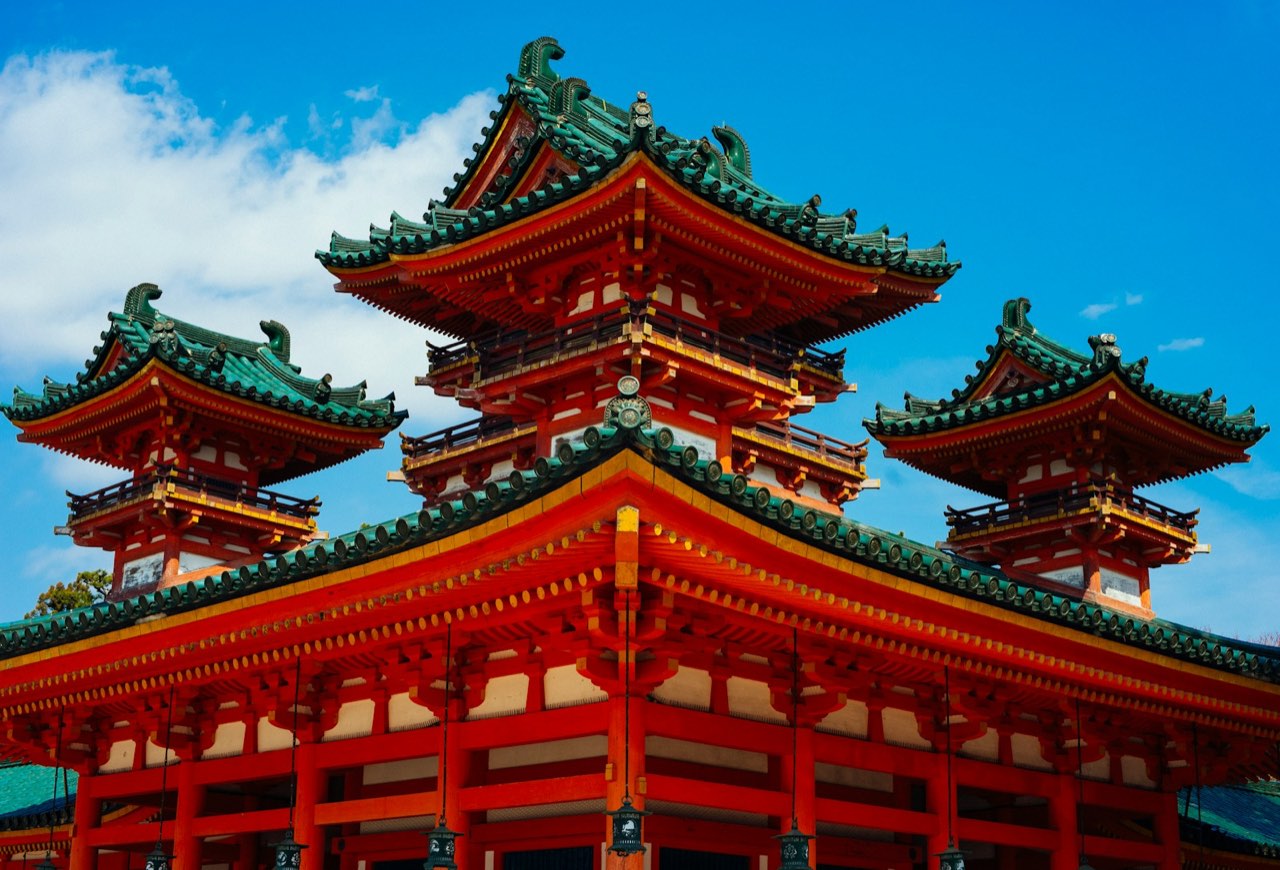
Bright vermilion shrine fronted by a giant torii in the Okazaki museum district; its strolling garden (ticketed) is lovely in cherry-blossom season. Grounds free.
- 09:30
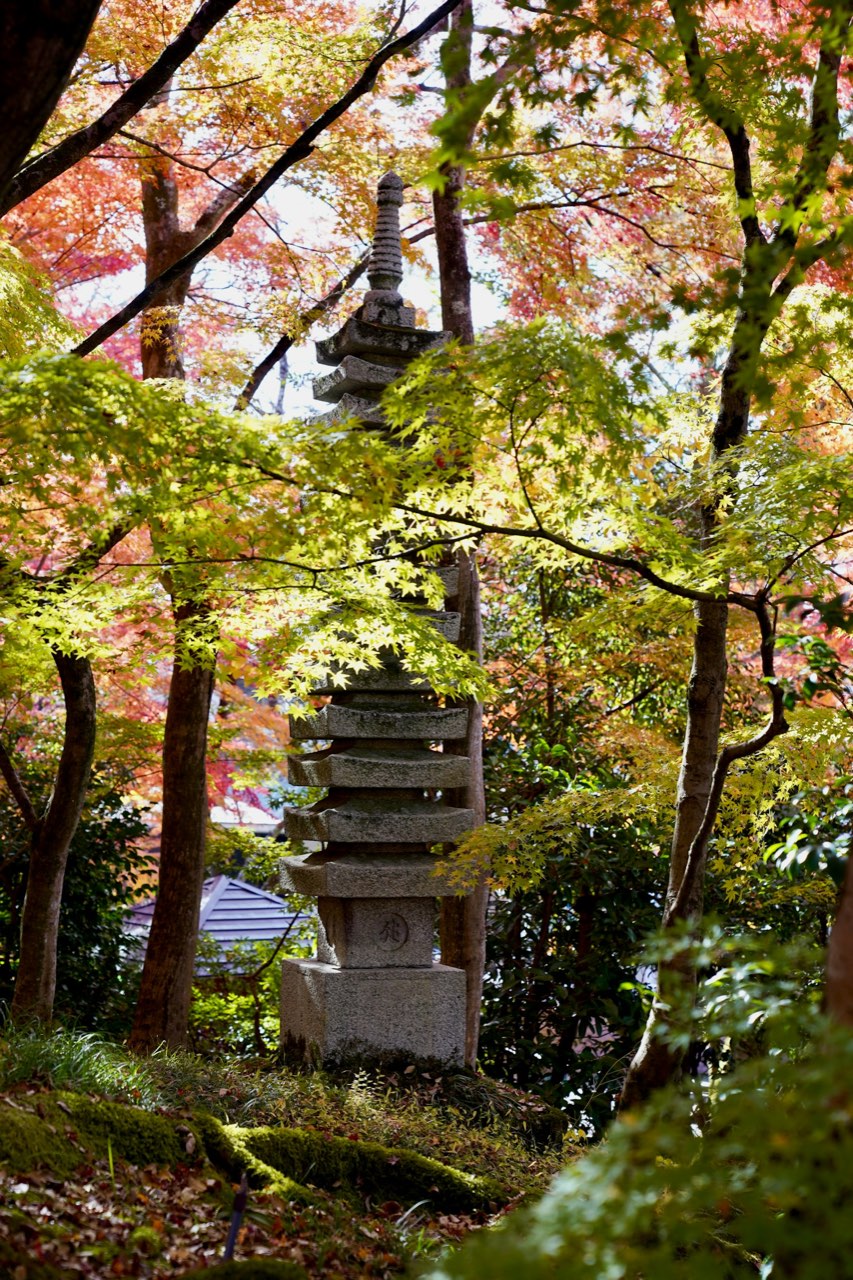
One of Kyoto's top maple-viewing temples, with a hillside pagoda and ponds — sensational in November (and crowded then). On the Philosopher's Path near Nanzen-ji.
- 10:35
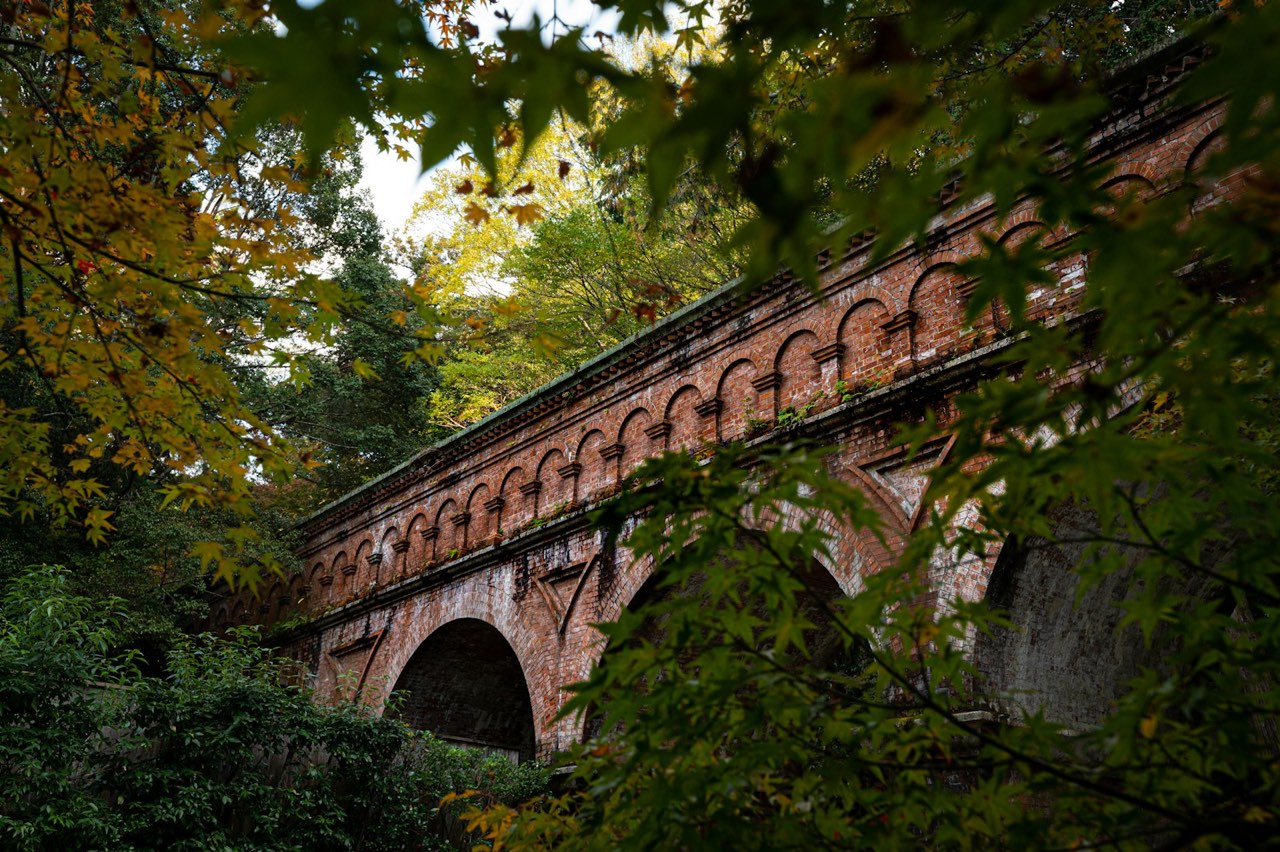
Grand head temple of its Zen school — a huge Sanmon gate you can climb, sub-temple gardens, and a photogenic brick aqueduct. Grounds free; halls/gardens ticketed.
- 12:00Lunch Kyogoku Kaneyo (unagi)
Long-standing eel restaurant off Shinkyogoku, famous for its fluffy omelette-topped 'kindon'. Closed Wednesdays.
- 13:00
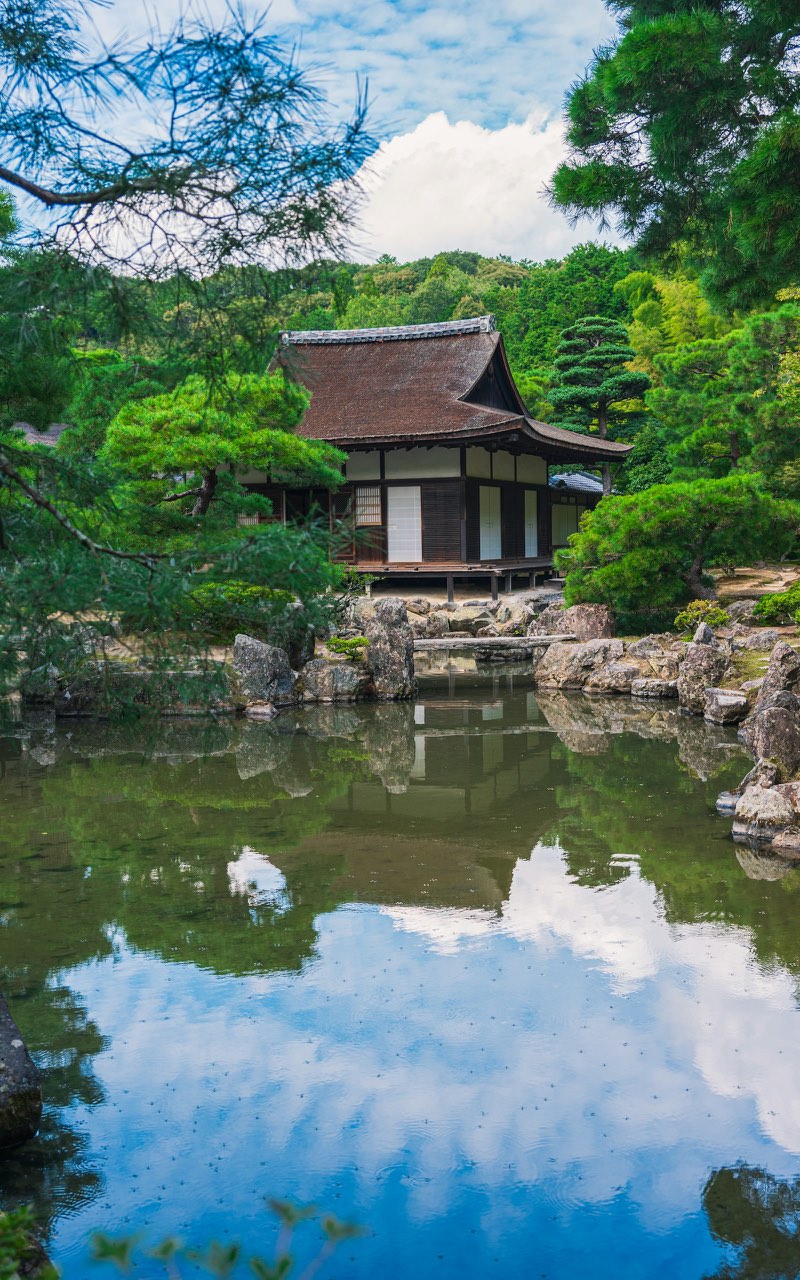
Zen temple with a celebrated sand garden and moss-and-hillside circuit; the start of the Philosopher's Path. Understated counterpart to the Golden Pavilion.
- 14:15Yojiya (souvenir cosmetics)
Iconic Kyoto cosmetics brand — the aburatorigami (oil-blotting paper) is the classic, very giftable souvenir.
- 15:00Teramachi & Shinkyogoku Arcades
Twin covered shopping streets in the centre — souvenirs, fashion, drugstores, crepes and arcades. Per-shop hours vary.
- 16:15
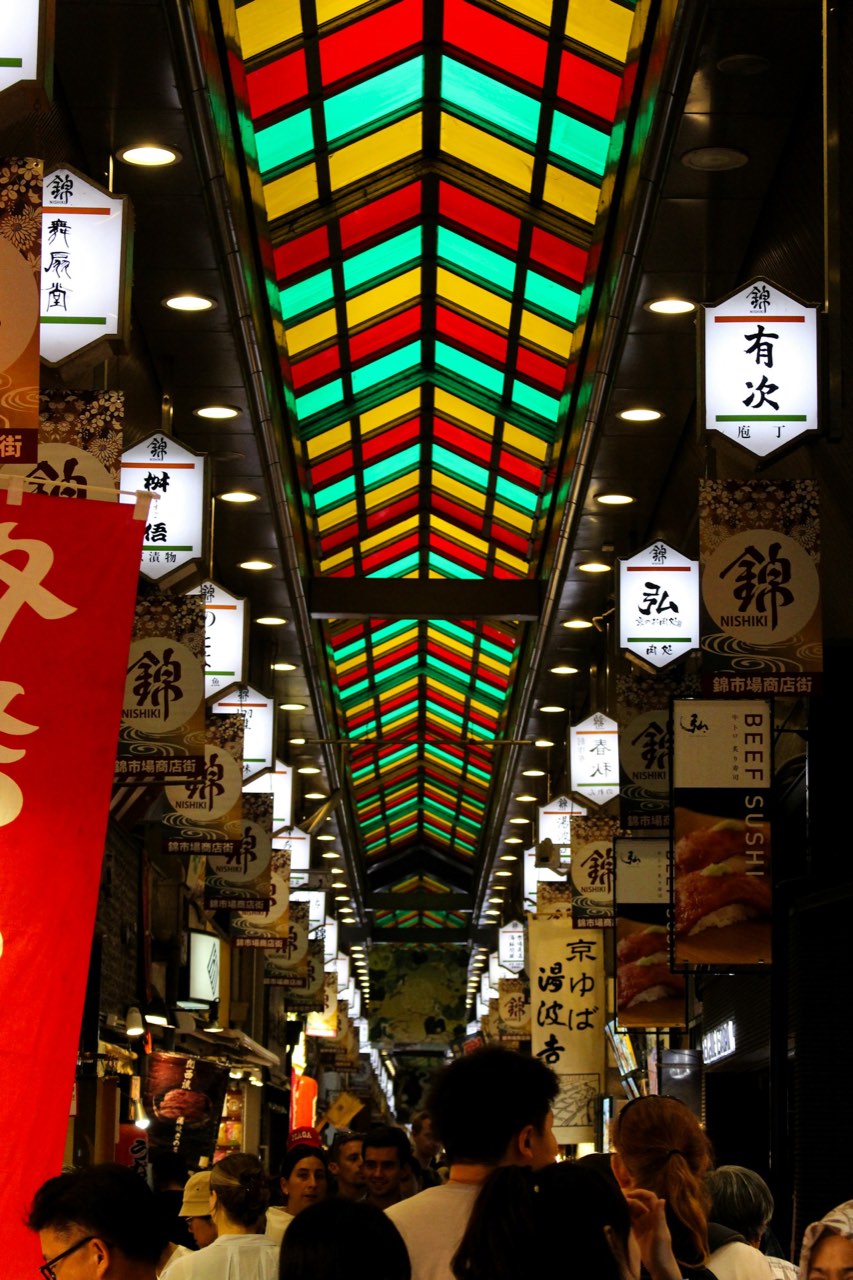
'Kyoto's Kitchen' — a narrow covered arcade of pickles, tofu, sweets, skewers and tea. Best mid-morning to mid-afternoon; some stalls discourage walk-and-eat.
- 17:30Dinner Junsei (yudofu)
Classic Nanzen-ji yudofu (hot tofu) course in a historic garden villa — the area's signature meal. Veg-friendly; reserve for the garden rooms.


Day 6Kinkaku-ji (Northwest) — a temple dayKyoto, 7 stops
The last day steps away from the blossom crowds into north-west Kyoto. Daitoku-ji's walled Zen sub-temples and quiet lanes come first, then Kamishichiken, the city's oldest geisha district, and Kitano Tenmangu. Kinkaku-ji's golden pavilion is after lunch — it can be busy midday, but the circuit is short — and Ryoan-ji's rock garden pairs with it. End in hot water at Funaoka Onsen, a public bathhouse working since 1923.
- 07:40Check out of your stay
- 09:00

A walled complex of Zen sub-temples and rock gardens — quiet and atmospheric. Only some sub-temples open to the public (each ticketed); wander the free lanes between them.
- 10:15Kamishichiken
Kyoto's oldest geisha district — a lantern-hung lane of wooden teahouses beside Kitano Tenmangu, quieter and more local than Gion. Best at dusk when the lanterns come on and geiko slip between engagements; free to stroll any time.
- 11:10
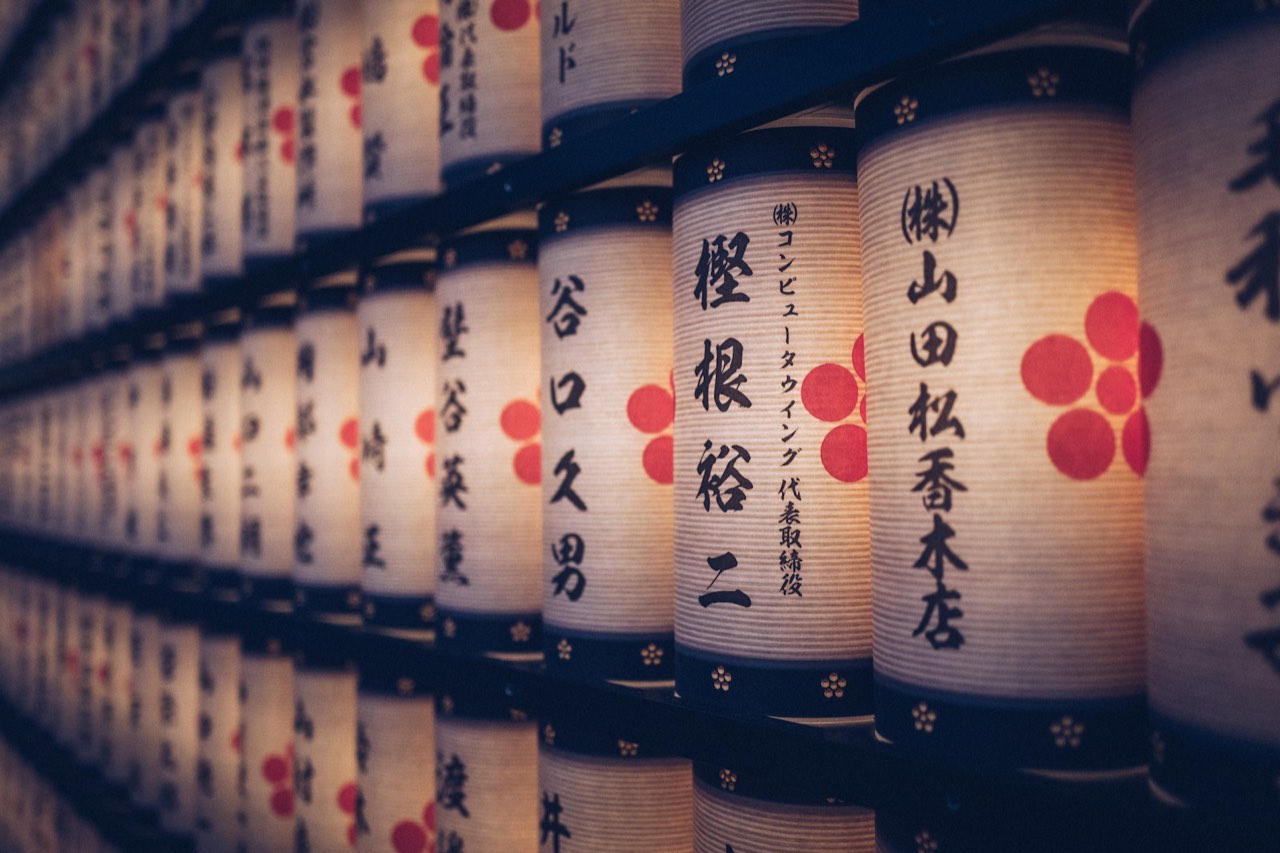
Shrine to the god of learning, famed for its February plum blossoms; the big 'Tenjin-san' flea market fills the grounds on the 25th of each month. Grounds free.
- 12:05Lunch Sarasa Nishijin
A café inside a 1930s bathhouse, its walls still covered in the original hand-painted majolica tiles — casual meals, cakes and coffee into the evening. Closed Wednesdays; a natural dinner stop after Funaoka Onsen across the lane.
- 13:05
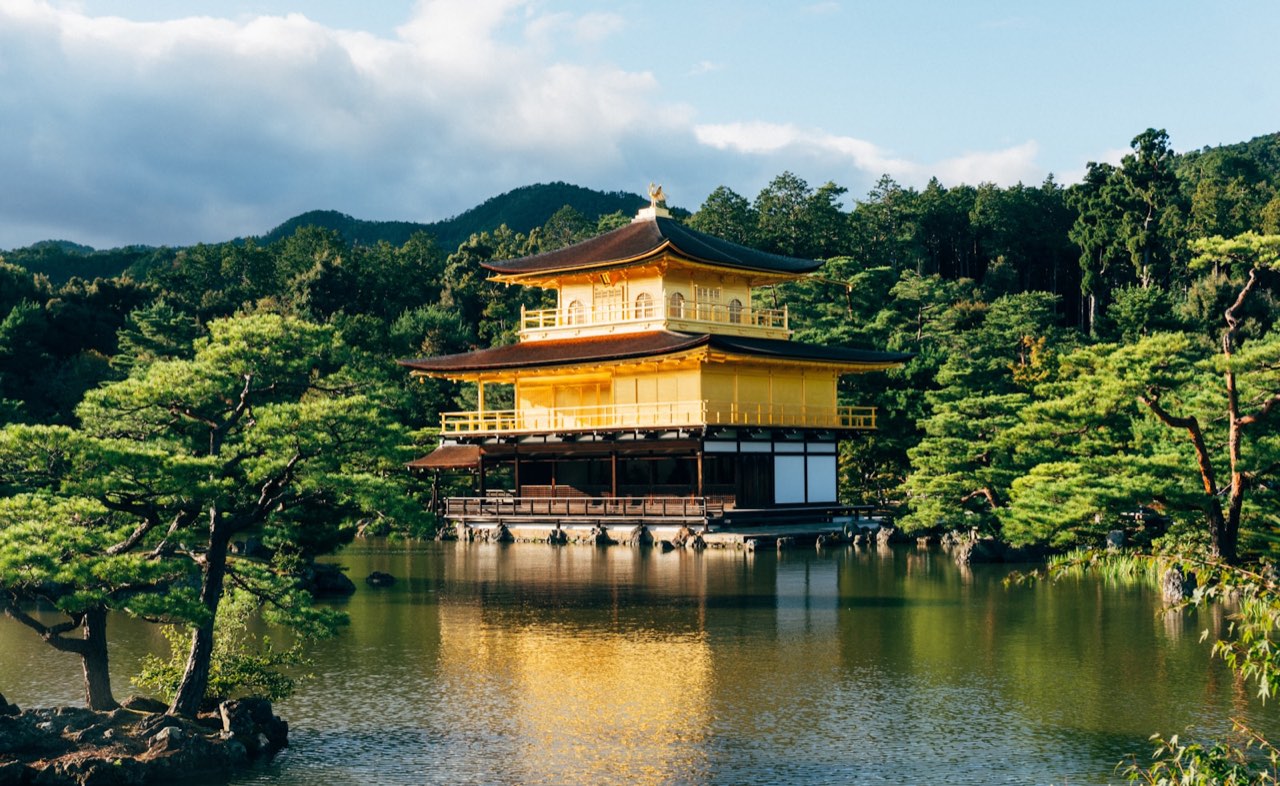
The gold-leaf pavilion mirrored in its pond — Kyoto's signature image. A short one-way garden circuit; can be busy midday.
- 14:25
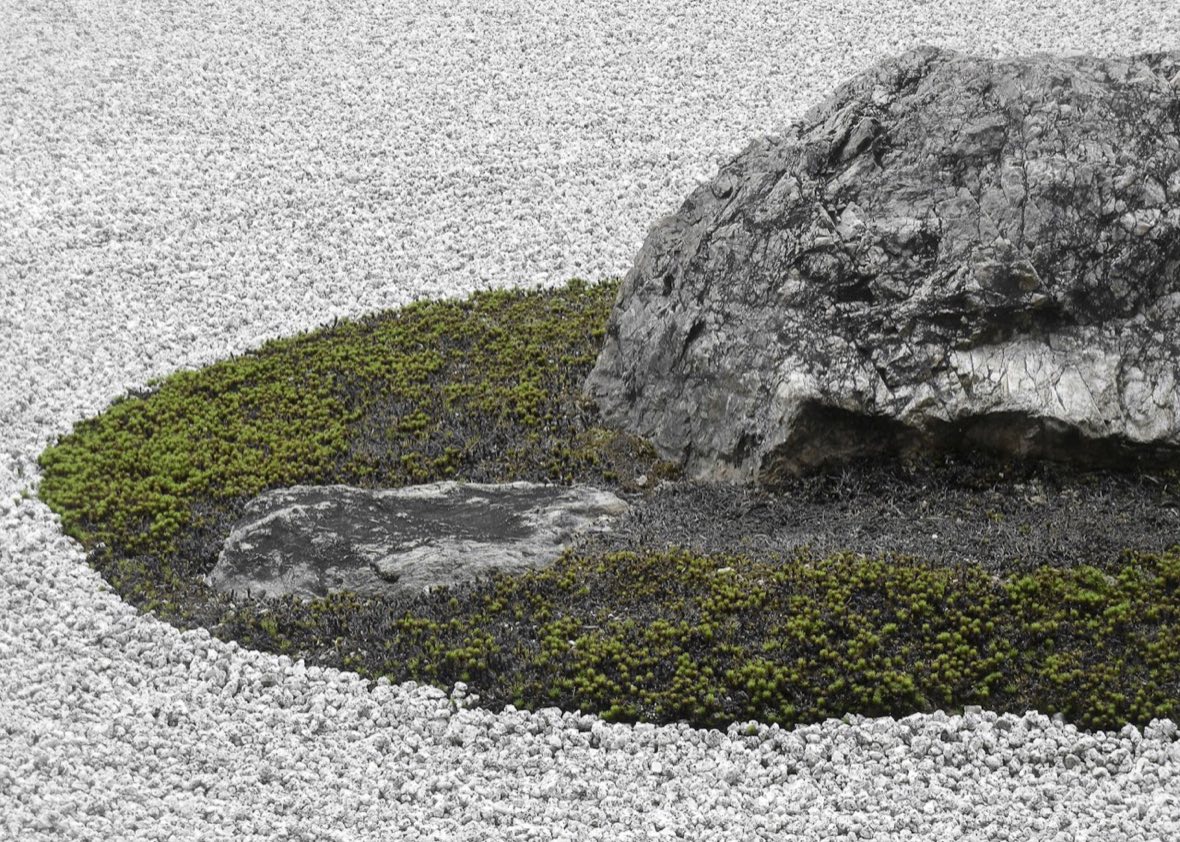
Home of Japan's most famous Zen rock garden — fifteen stones in raked gravel. Contemplative; pairs naturally with Kinkaku-ji.
- 15:25Funaoka Onsen
A working 1923 public bathhouse and registered Tangible Cultural Property — soak beneath carved wooden panels and original majolica tiles after temple-hopping. Walk-in (pay at entry, towels rentable); open every day from mid-afternoon until well past midnight, from morning on Sundays.


Good to know
- The blossom moves every year, and a few days decide everything. Watch the season close to departure, then pick your start date in the plan — every stop is re-checked against those exact days.
- Go early. The three Tokyo blossom spots — the Meguro River, Shinjuku Gyoen and Ueno Park — are each placed at the start of their day; that is the single biggest difference to how crowded they feel.
- Shinjuku Gyoen and Heian Shrine's garden charge a small entry fee, and many of Omoide Yokocho's counters take mostly cash — keep some on you.
- In Gion, keep to the public streets and ask before photographing anyone; geiko are not a sight.