
Tokyo solo — 5 days, packed
- 5 days
- Packed pace
- About 30 min walking a day
Five packed Tokyo days built for one: counter-seat ramen and izakaya where eating alone is the norm, the city's big sights at a pace only a solo traveller can keep, and offline maps for every stop — no roaming plan required.
Day by day
Day 1Tsukiji & Toyosu (Markets) & nearby — a sights dayTokyo, 7 stops
Tokyo's seafood heart: the buzzing Tsukiji Outer Market for street-food and knives, the giant modern Toyosu wholesale market with its tuna auction, and teamLab Planets' digital-art baths a short walk away. Come hungry and early.
- 08:30
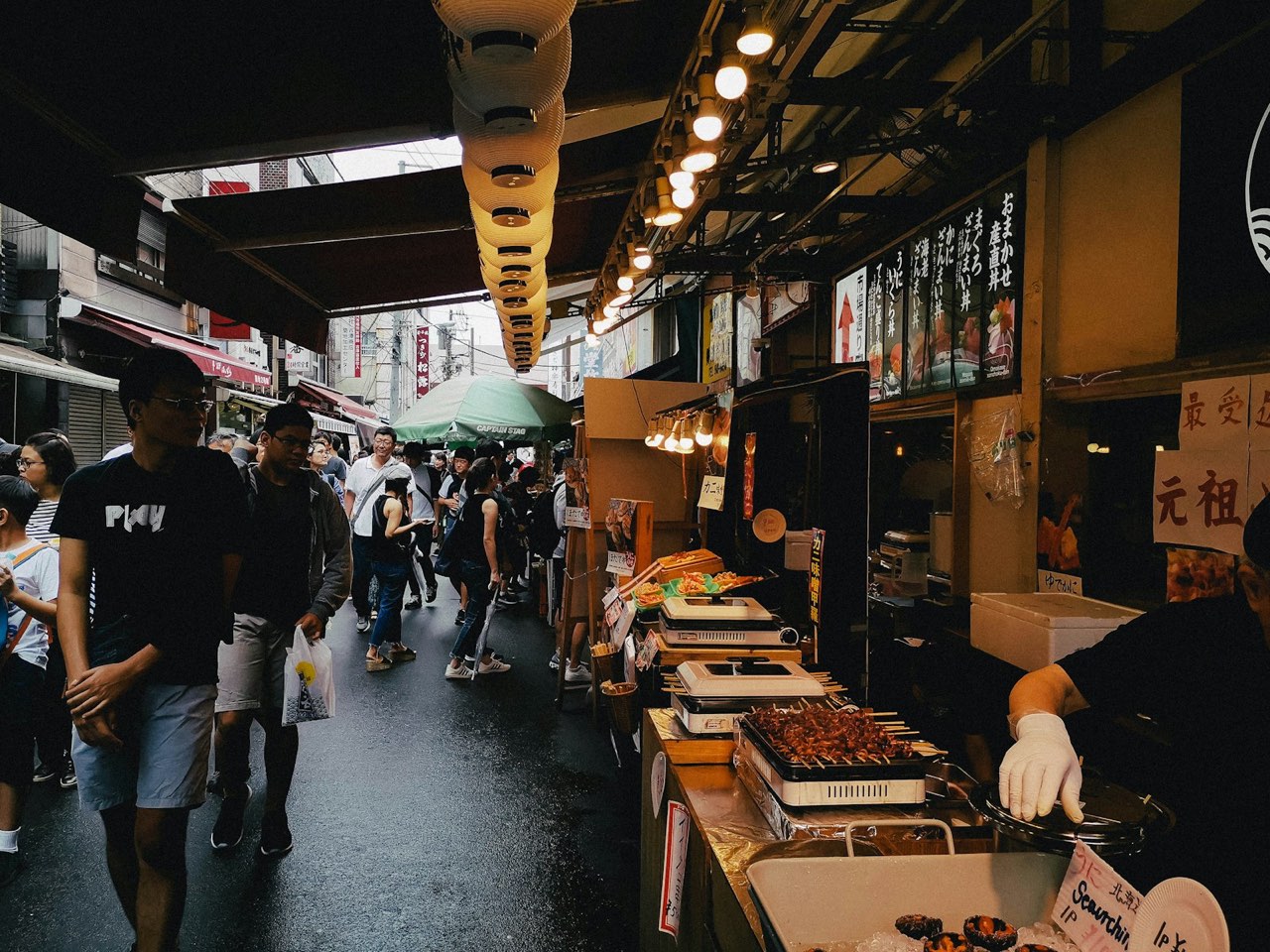
The lively lanes that remain where the old fish market stood — tamagoyaki skewers, fresh sashimi bowls, grilled scallops, knives and kitchenware. Go early; many stalls wind down by early afternoon and some close Sundays/Wednesdays.
- 10:00
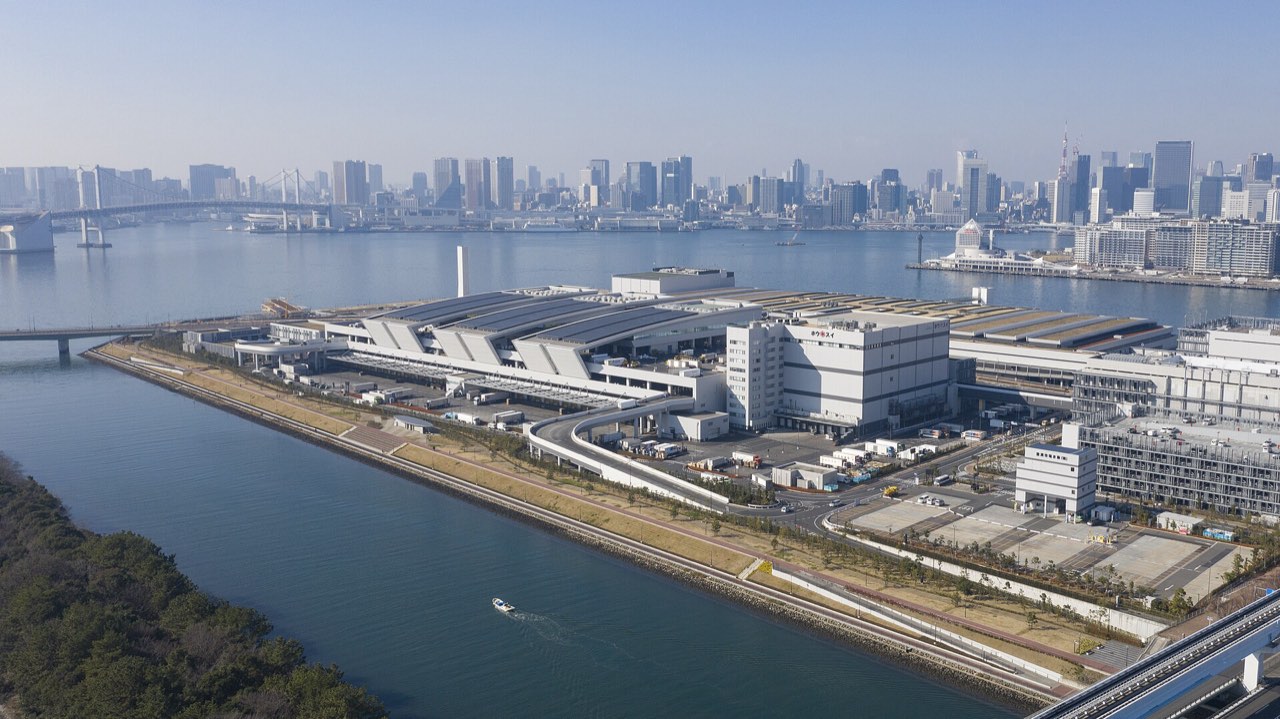
The huge modern wholesale market that replaced Tsukiji — viewing decks over the famous tuna auction (early morning), plus excellent sushi restaurants. Closed Sundays and some Wednesdays; check the market calendar.
- 12:00Lunch Marutake (tamagoyaki)
A famous Tsukiji stall selling warm sweet rolled-omelette (tamagoyaki) on a stick — a cheap, classic market snack to eat as you wander.
- 13:00
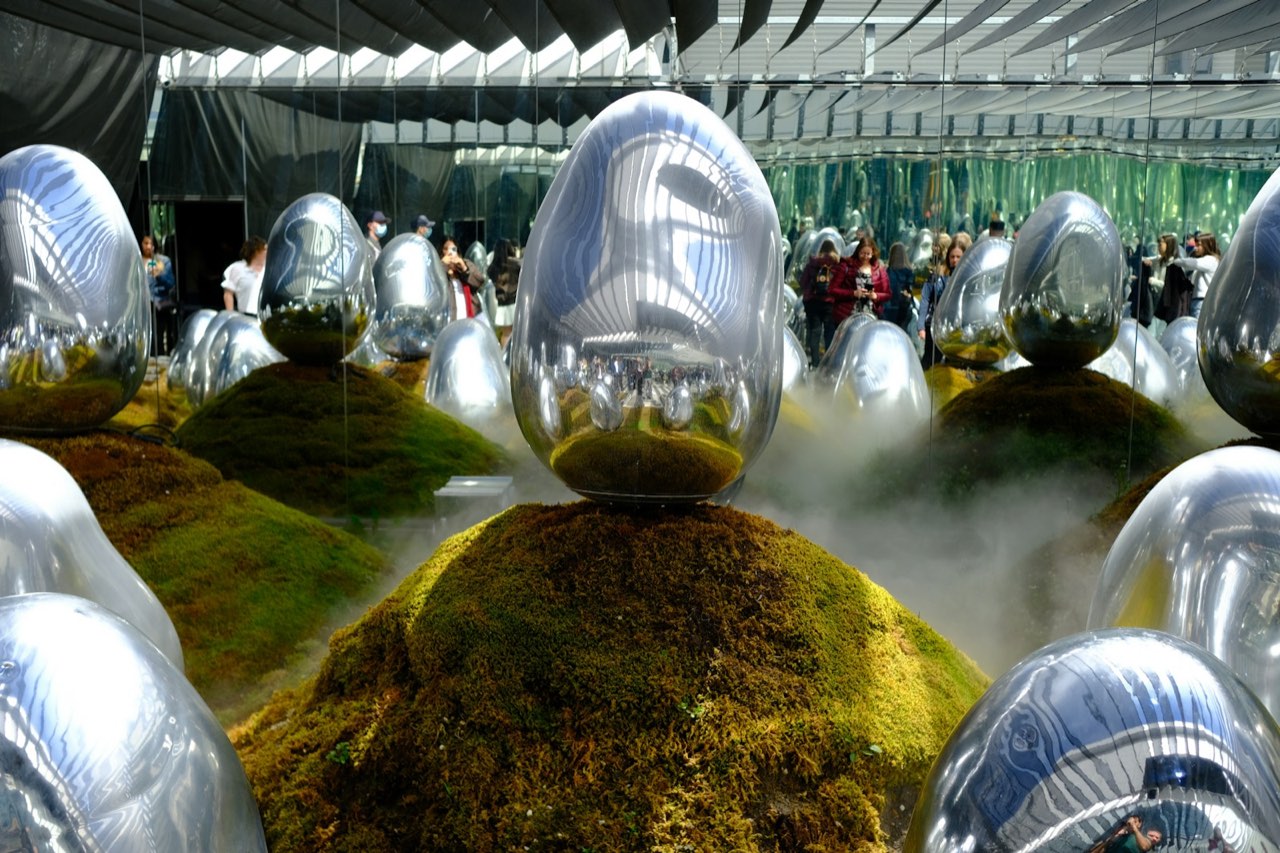
Immersive digital-art museum you walk through barefoot — water rooms, mirrored infinity spaces and floating gardens. Hugely popular; book a timed ticket well ahead. Wear/bring shorts (you wade through water).
- 15:15
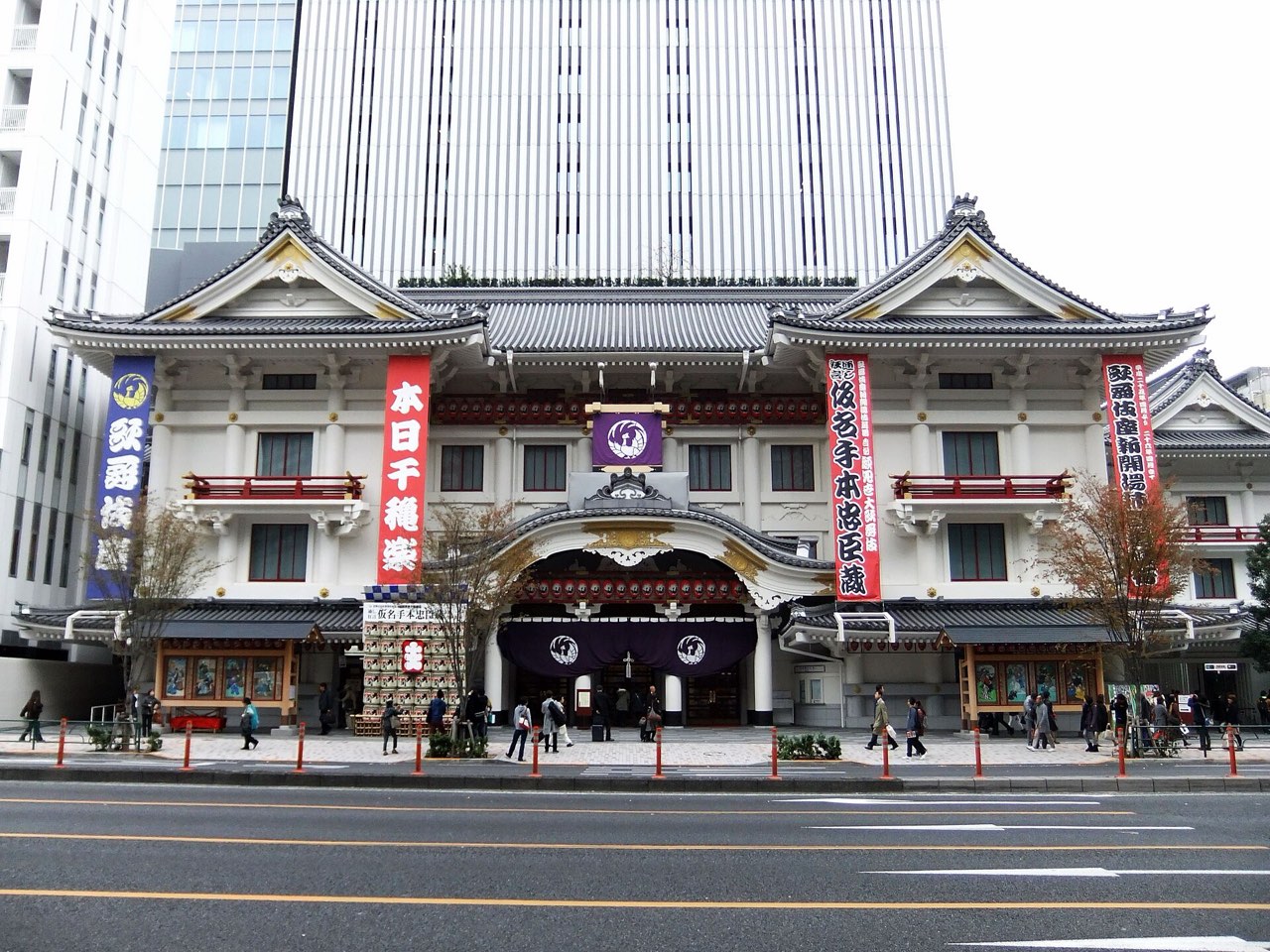
Tokyo's grand kabuki theatre, an ornate landmark on Ginza's edge. You can watch a full play or buy a same-day single-act ticket (makumi-seki) for a short, affordable taste. Schedule varies by month.
- 16:55
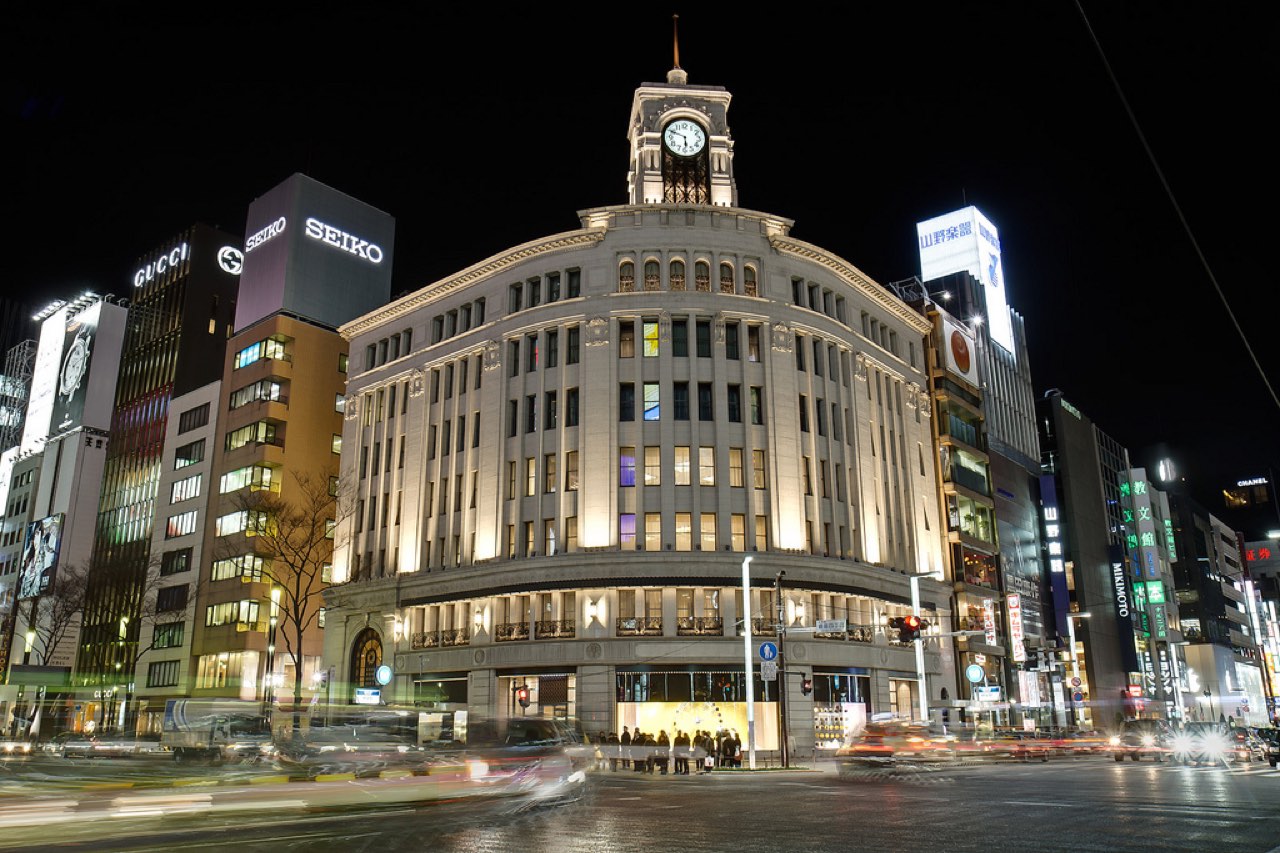
The landmark clock-towered department store at Ginza's main 4-chome crossing — Ginza's signature backdrop. Worth a look (and a window-shop) even if you don't go in.
- 17:30Dinner Sushizanmai (Tsukiji)
The reliable, approachable Tsukiji sushi chain's flagship — fresh, mid-priced, English-friendly and often open around the clock. A safe bet for first-timers; no reservation needed.


Day 2Shibuya & nearby — sights morning, shopping afternoonTokyo, 9 stops
Tokyo at full volume: the famous scramble crossing, the Hachiko statue, towering screens, fashion buildings and a rooftop sky deck — plus tiny drinking alleys tucked behind it all. Youthful, neon, endlessly walkable.
- 08:30
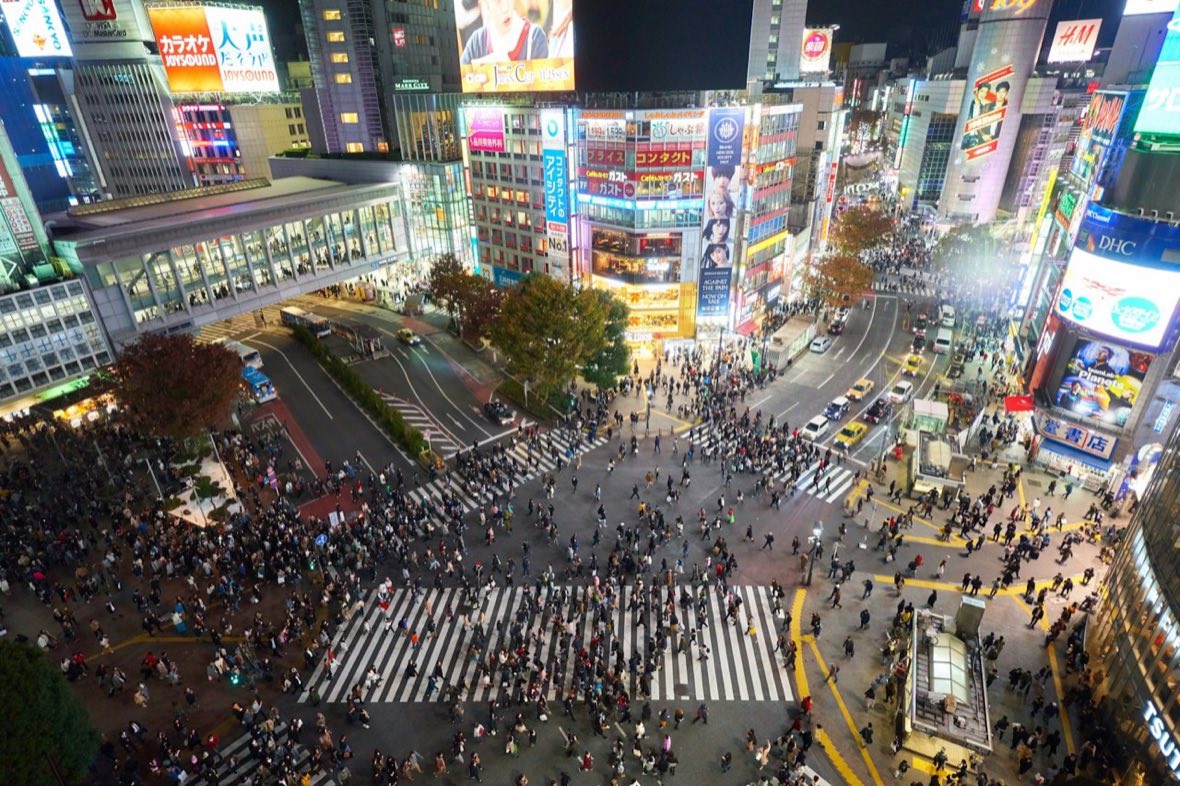
The world's busiest pedestrian scramble — hundreds cross at once under giant screens. Watch from the Starbucks above or the station walkway; best after dark.
- 09:00
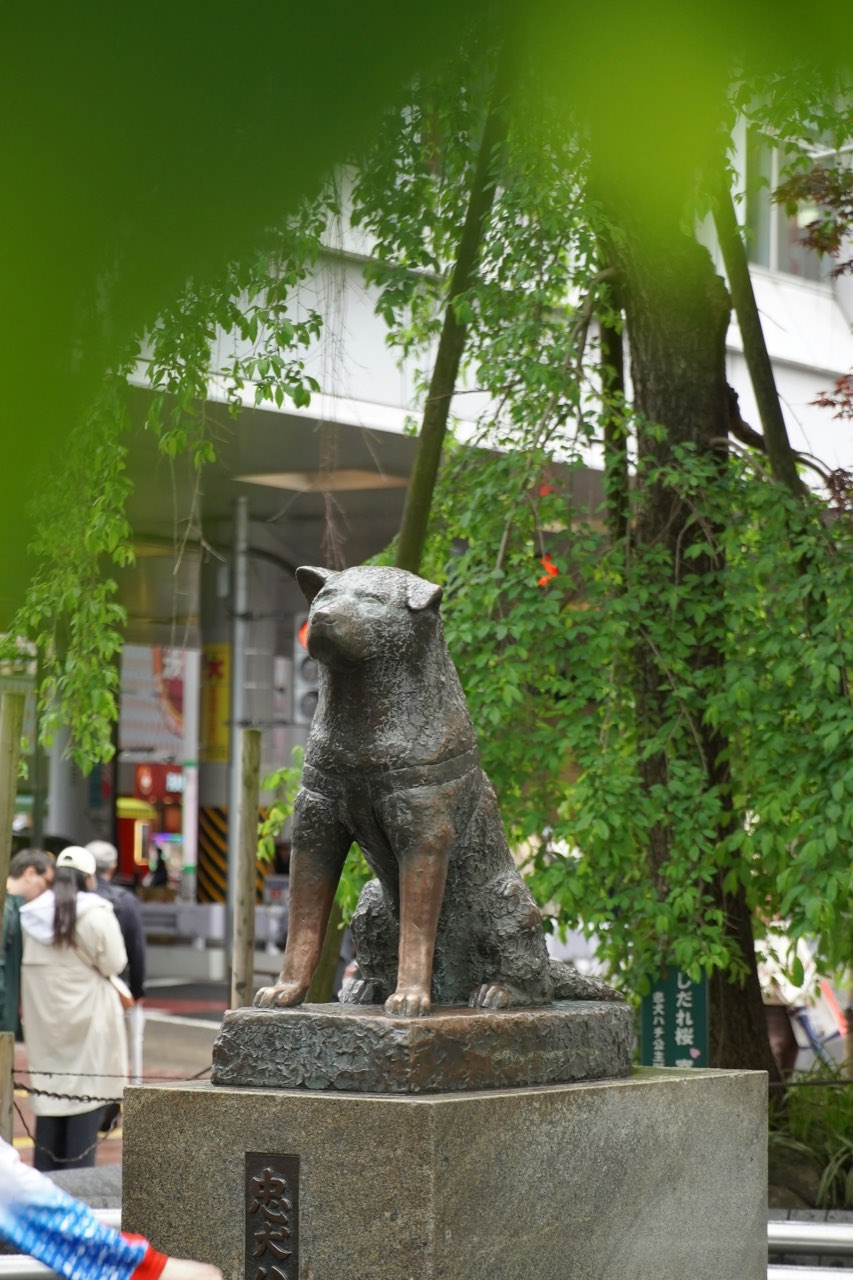
The bronze of the loyal dog who waited years for his owner — Tokyo's classic meeting spot, by the Shibuya station exit named after him.
- 09:20
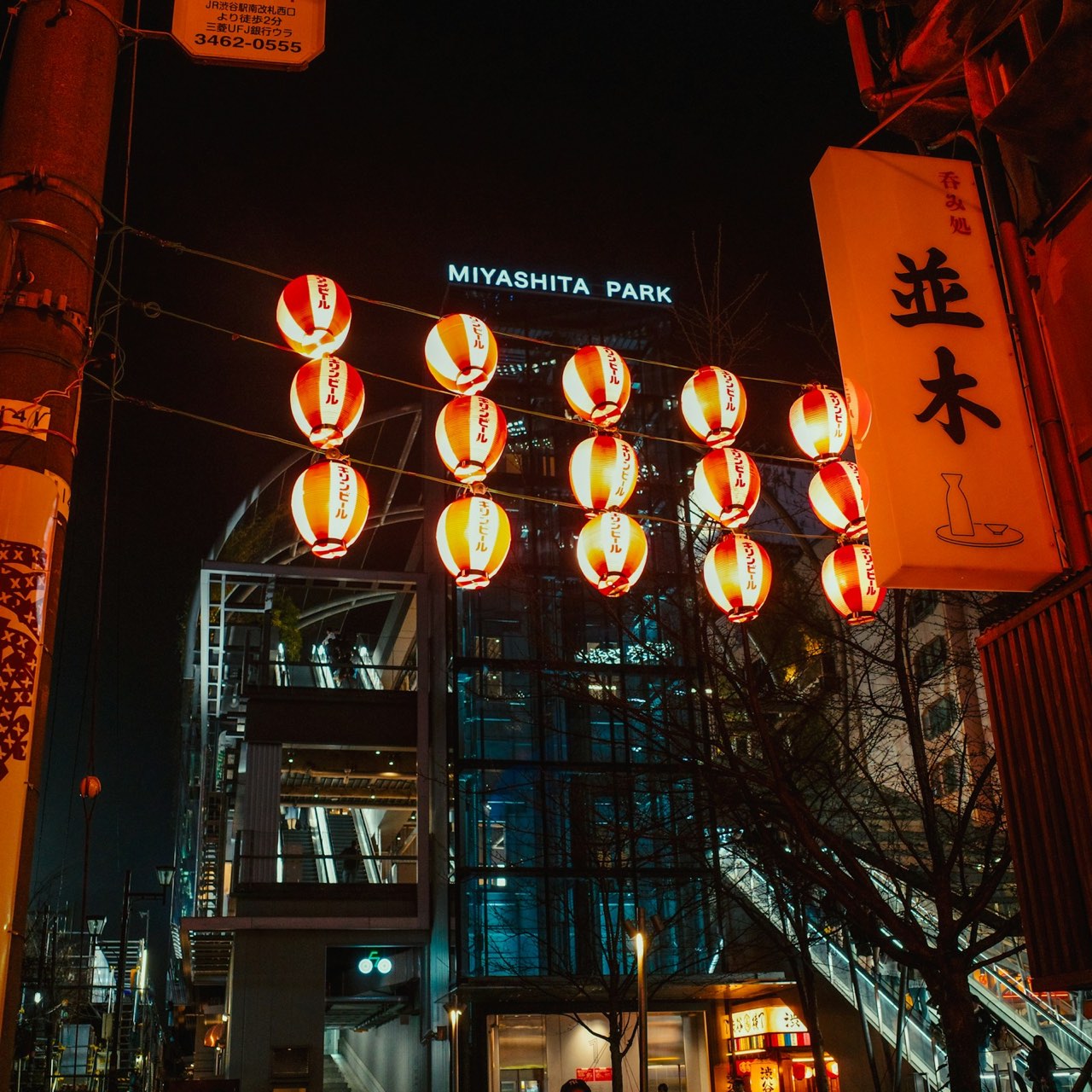
A reinvented multi-level complex: a rooftop park with lawn, climbing wall and skate area sitting above two floors of shops and the buzzing Shibuya Yokocho food alley. A relaxed green pause and night-eats spot between Shibuya and Harajuku; the rooftop closes overnight.
- 10:35
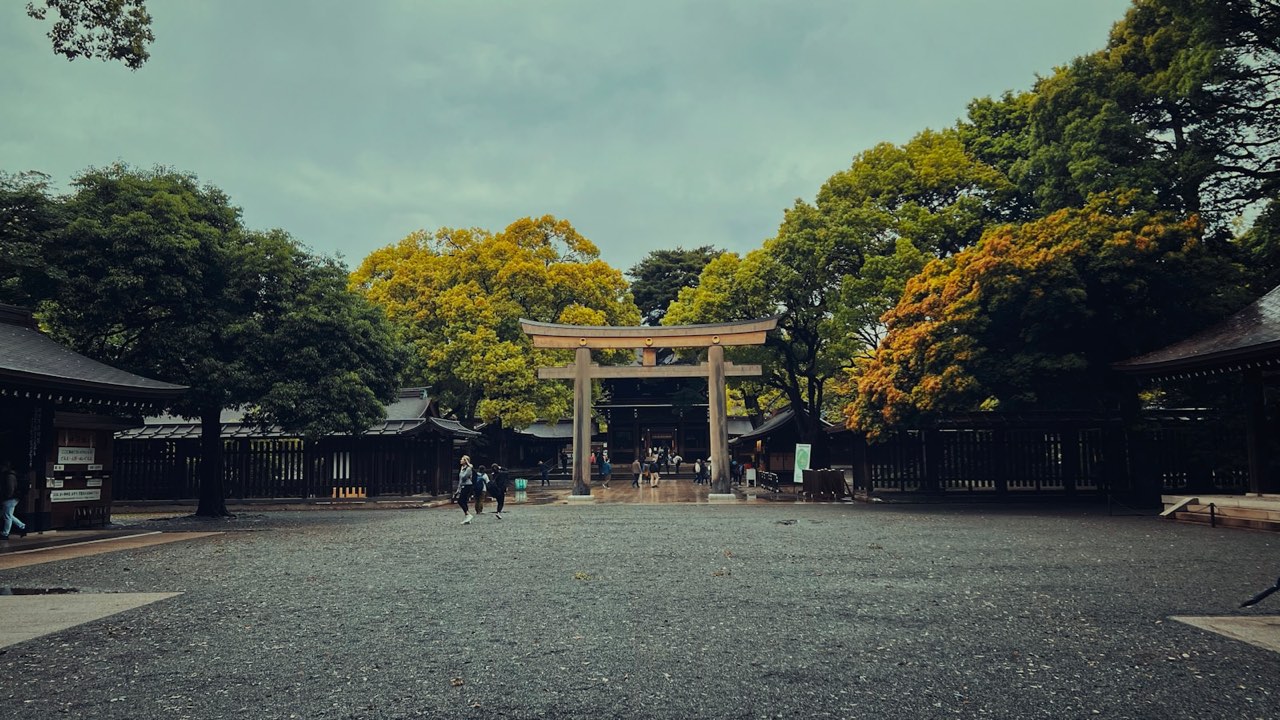
Tokyo's grandest shrine, set in a vast man-made forest beside Harajuku — huge wooden torii, a long gravel approach and a sense of calm minutes from the crowds. Free; opens at sunrise, closes at sunset (hours shift seasonally).
- 12:05Lunch Afuri (yuzu ramen)
Modern ramen known for its light, citrusy yuzu-shio broth — a refreshing change from heavy tonkotsu, handy after Meiji Jingu. Ticket machine; quick.
- 13:05Shibuya Parco
A design-forward fashion-and-culture mall whose sixth floor is a games-and-anime floor — Nintendo Tokyo, the Pokémon Center, the Jump Shop and Capcom Store all together. A magnet for fans; the rooftop has city views and seasonal events.
- 14:45Shibuya 109
The cylindrical fashion landmark by the crossing — floors of trend-driven young women's brands. A Shibuya icon as much as a mall.
- 15:55Shibuya Sky
Open-air rooftop observation deck atop Shibuya Scramble Square (~230 m) with a 360° view over the crossing and out to Mt Fuji on clear days. Book a timed sunset slot ahead.
- 17:30Dinner Ichiran (Shibuya)
Tonkotsu ramen in individual focus booths — order by ticket machine and slip. Reliable, solo-friendly and often open very late.


Day 3Yanaka & nearby — a sights dayTokyo, 9 stops
Old 'shitamachi' Tokyo that survived the war and the bubble: temple-lined lanes, a cherry-blossom cemetery, the wisteria-famous Nezu Shrine, and the nostalgic Yanaka Ginza shopping street with its cats, croquettes and traditional sweets. The city at walking pace.
- 08:00Breakfast Kayaba Coffee
A 1930s wooden corner café revived as a 'kissaten', famous for its fluffy tamago (egg) sandwich and morning sets in a tatami-and-timber room. A perfect Yanaka rest stop; can fill up, so come off-peak.
- 08:30
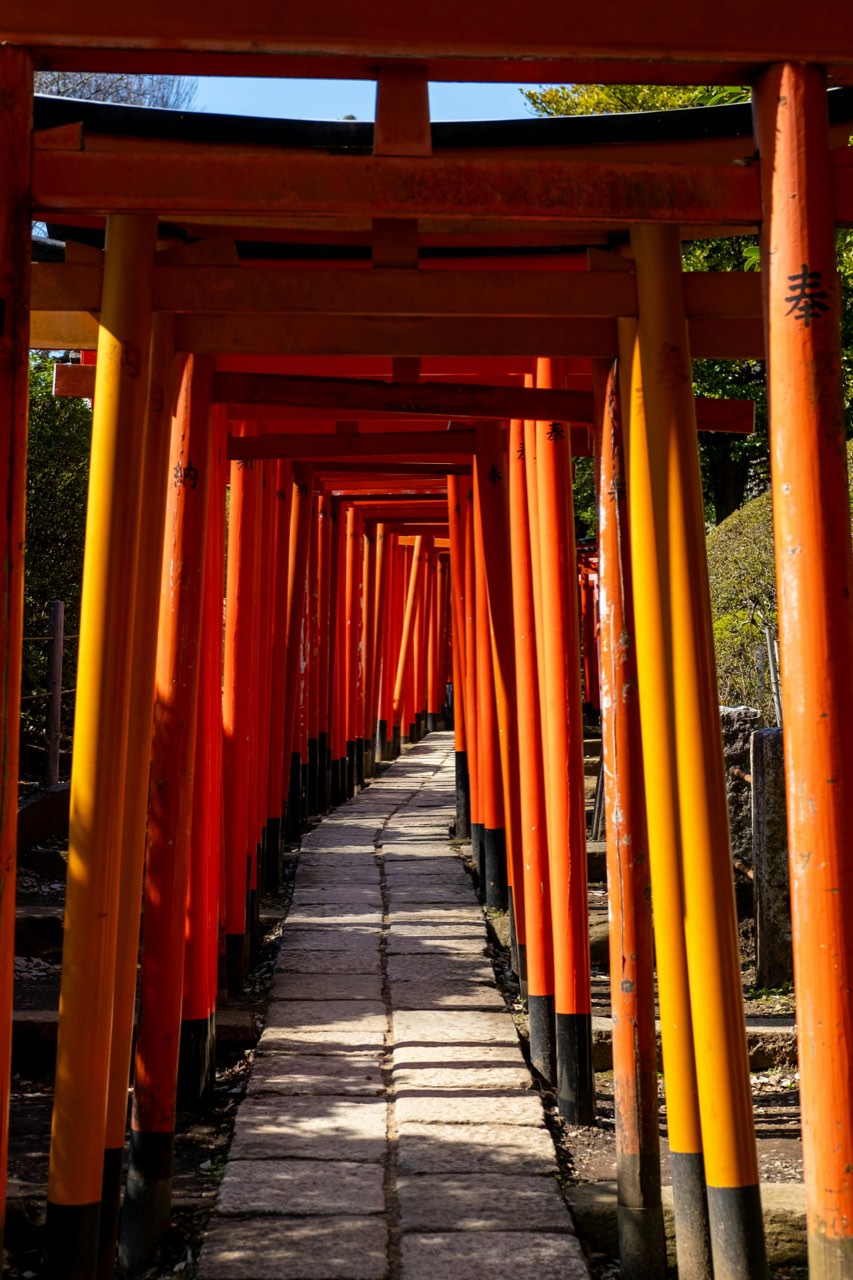
One of Tokyo's oldest shrines, with vermilion halls, a tunnel of small torii gates climbing the hillside, and a famous azalea garden that blazes in late April. Grounds are free; the azalea garden charges a small fee during the festival. Hours shorten in winter.
- 09:30
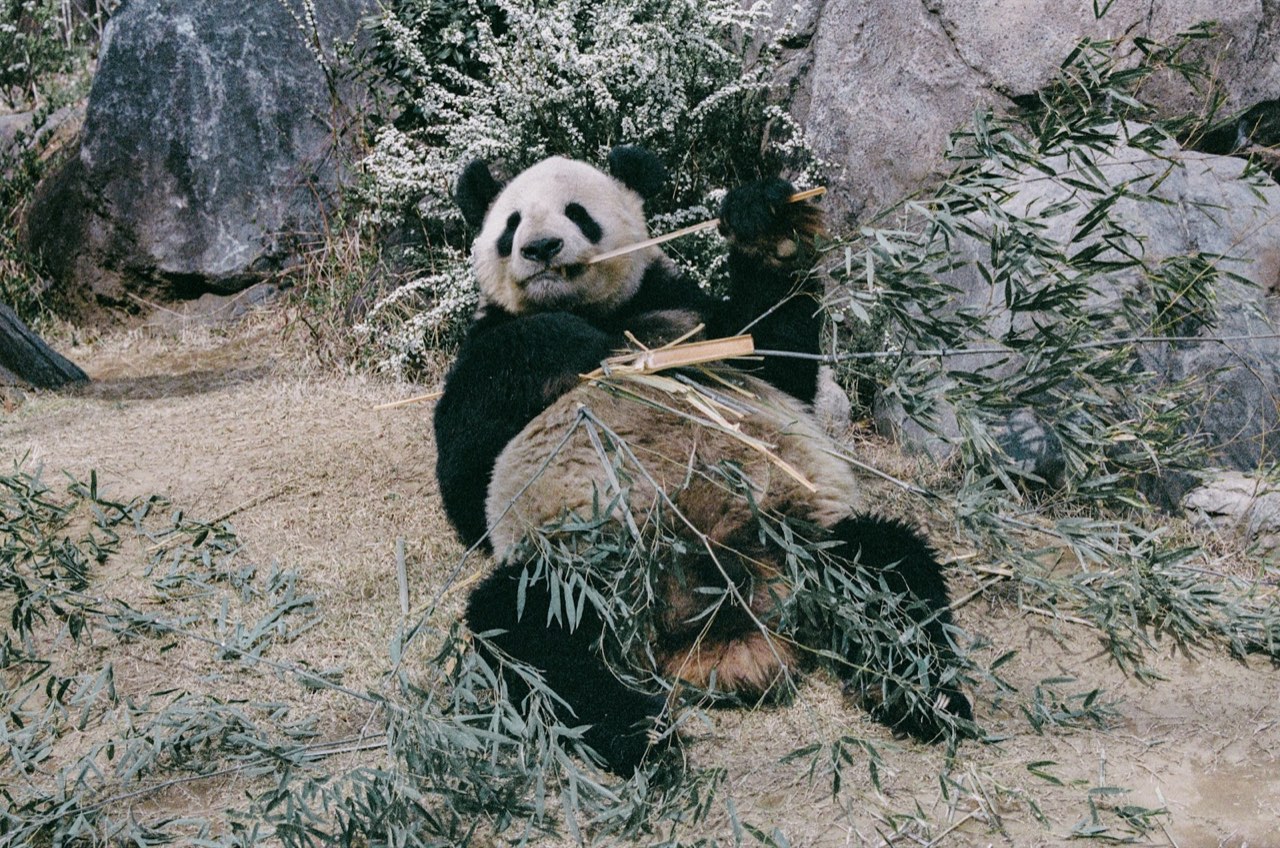
Japan's oldest zoo, in Ueno Park — best known for its giant pandas. Great with kids; closed Mondays. Cheap entry.
- 12:00Lunch Himitsudo (shaved ice)
The kakigori shop that helped spark Tokyo's craft shaved-ice boom — seasonal fruit syrups over fluffy ice. Hours shift with the seasons and it closes when sold out; check their X (@himitsudo_) before making the trip.
- 13:00
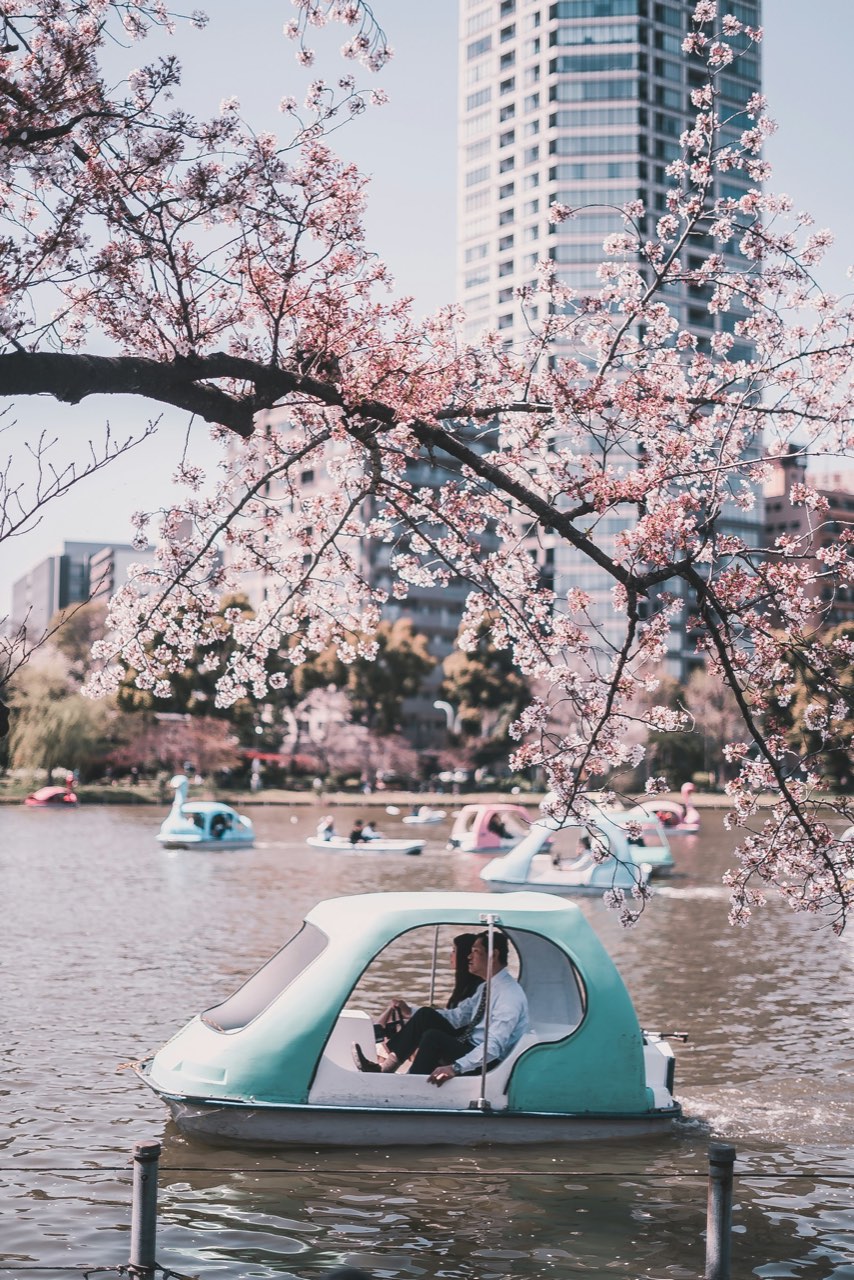
A wide public park that's Tokyo's museum district and one of its most famous cherry-blossom spots, with the lotus-filled Shinobazu Pond and a zoo. Always open; ties the area's sights together.
- 14:10
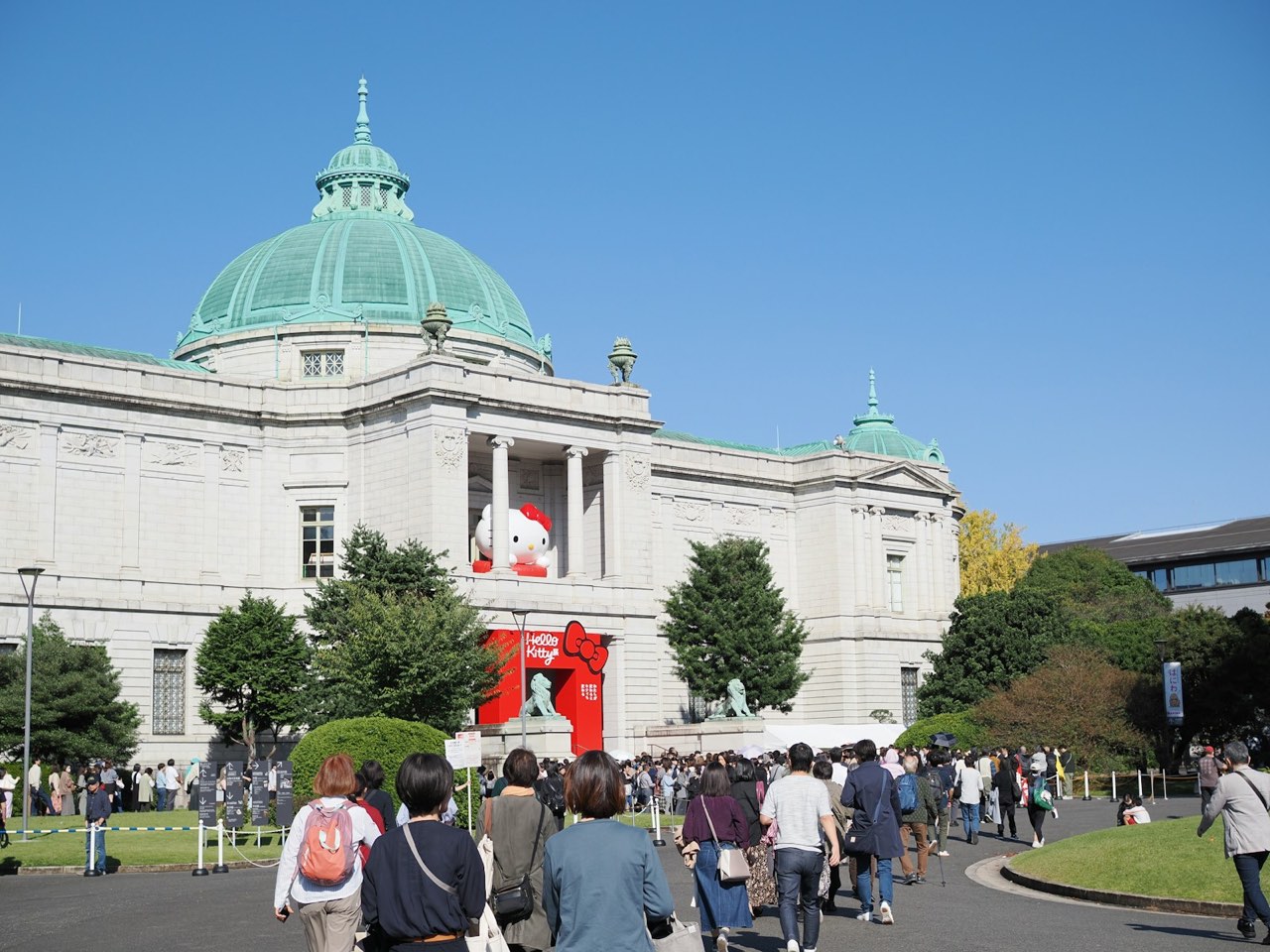
Japan's oldest and largest museum — the definitive collection of samurai swords, armour, Buddhist art and ceramics. Closed Mondays; an excellent rainy-day half-day.
- 16:25
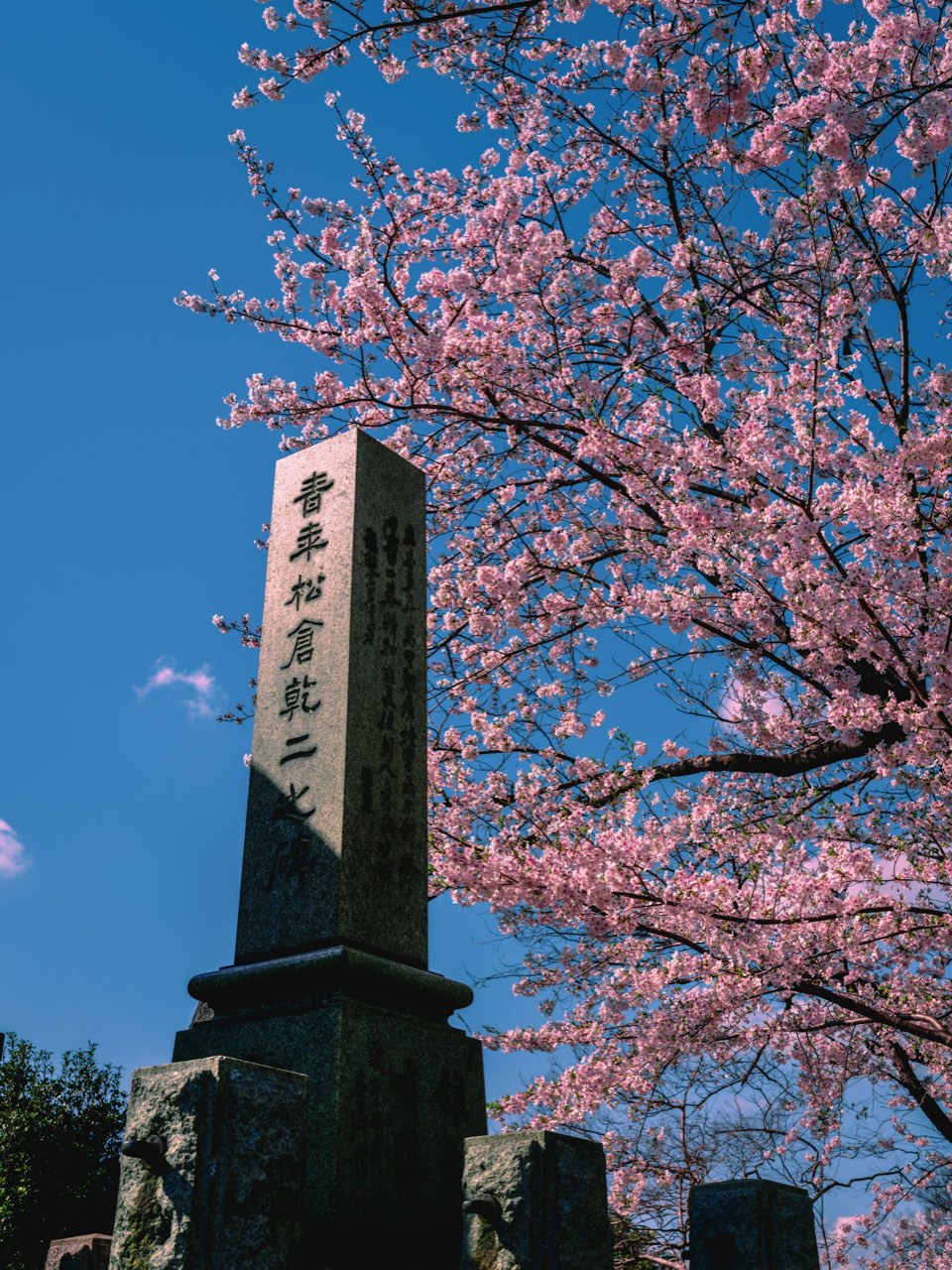
A leafy historic cemetery whose central avenue — 'Sakura-dori' — becomes a cherry-blossom tunnel in spring, and where the last shogun and many Meiji notables rest. A peaceful, atmospheric walk; the paths are public and always open.
- 17:15Yanaka Ginza
A nostalgic shitamachi shopping street reached by the 'Yuyake Dandan' sunset steps, lined with old-fashioned grocers, croquette and senbei stalls, and cat-themed shops. Eat as you wander; per-shop hours vary and some close midweek.
- 18:10Dinner Tonkatsu Yamabe
Generous, well-priced tonkatsu (breaded pork cutlet) near Ameyoko — a local favourite for a filling, good-value Ueno meal.


Day 4Asakusa — a sights dayTokyo, 8 stops
Old downtown Tokyo: the Senso-ji temple and its Nakamise souvenir street, rickshaws, traditional sweets, and Tokyo Skytree rising across the river. The city's most atmospheric, lower-cost quarter — best early before the crowds.
- 08:00Breakfast Kagetsudo (melon pan)
Famous for its giant, crisp-then-fluffy jumbo melon pan, baked fresh through the day — a cheap, fun Asakusa walking snack.
- 08:30
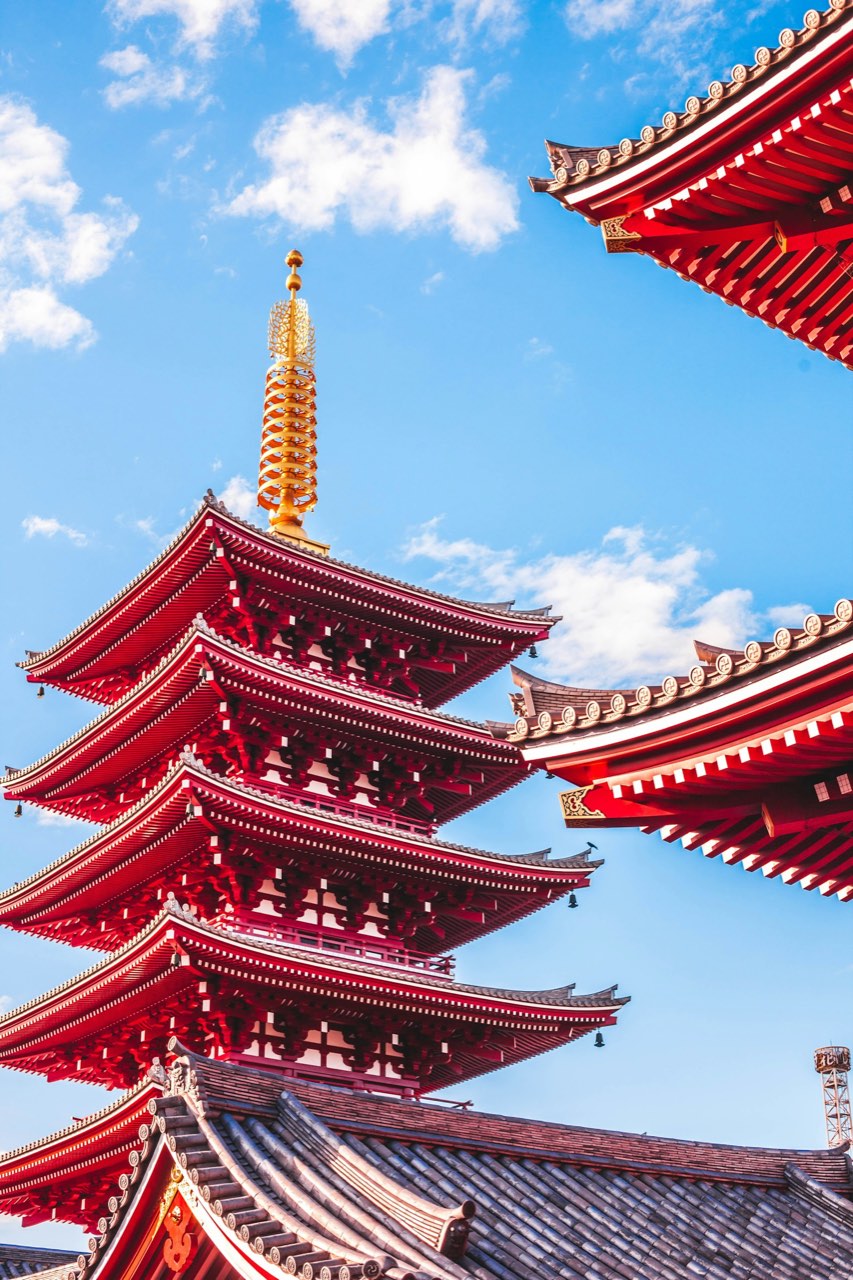
Tokyo's oldest temple, approached through the Kaminarimon gate and Nakamise shopping street. The grounds are always open and free (main hall ~06:00-17:00); beautifully lit at night and best explored early.
- 09:40Nakamise Shopping Street
The 250 m approach to Senso-ji, lined with stalls of folding fans, kimono trinkets, ningyo-yaki cakes and fresh senbei. Per-shop hours vary; busiest midday.
- 10:30
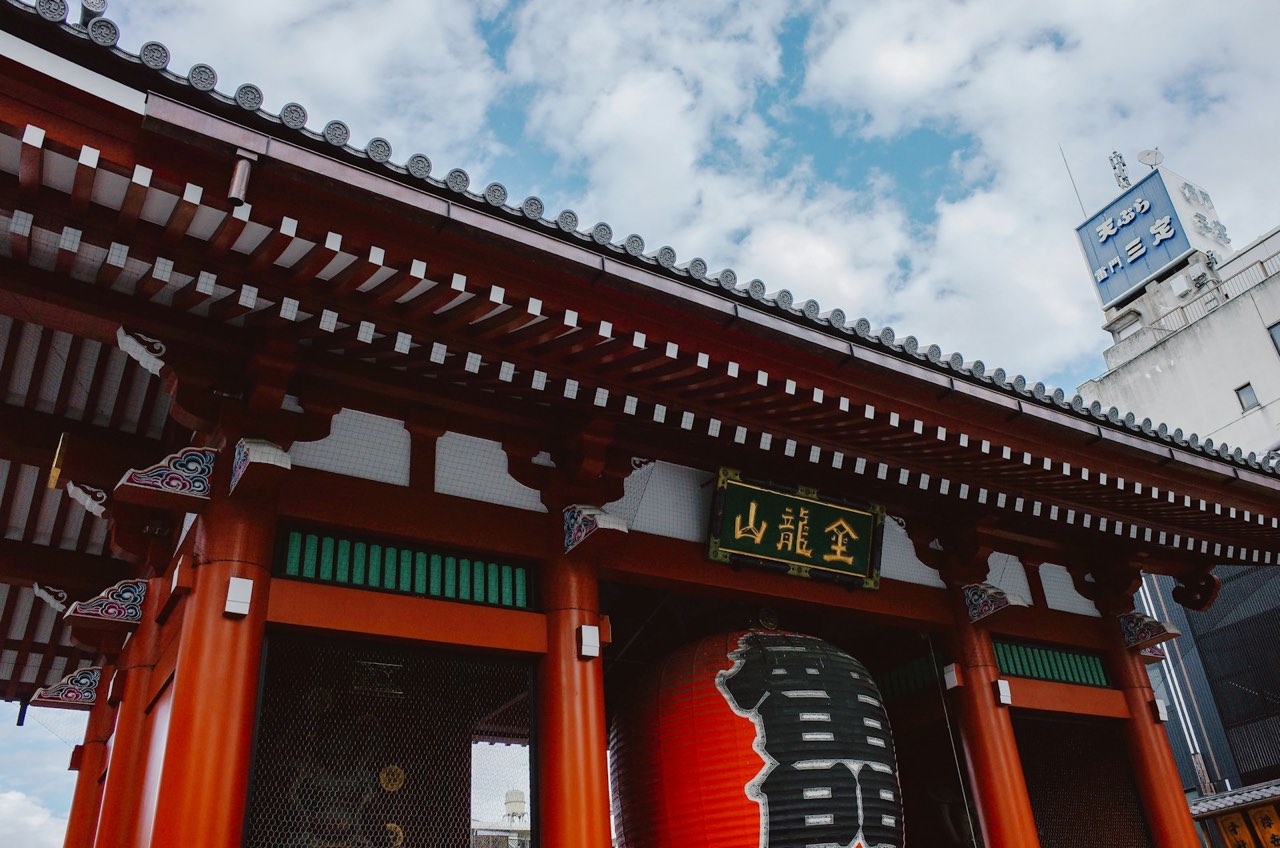
The giant red 'Thunder Gate' lantern marking the entrance to Senso-ji — Asakusa's signature photo. Always accessible.
- 10:55Samurai Ninja Museum Tokyo
A hands-on Asakusa museum where a guided tour walks you past real Edo-period armour, katana and ninja tools, then lets you throw shuriken yourself; armour try-on and sword lessons are optional add-ons. Entry is timed — book online ahead, and check current hours before you go.
- 13:05Asakusa Sumo Club
A purpose-built sumo hall minutes from Senso-ji where retired professional wrestlers stage demonstration bouts with English commentary — a show, not a real tournament — usually paired with all-you-can-eat chanko-nabe hot pot. Four two-hour sessions run daily; book ahead, evening slots can sell out a week or more in advance.
- 15:20
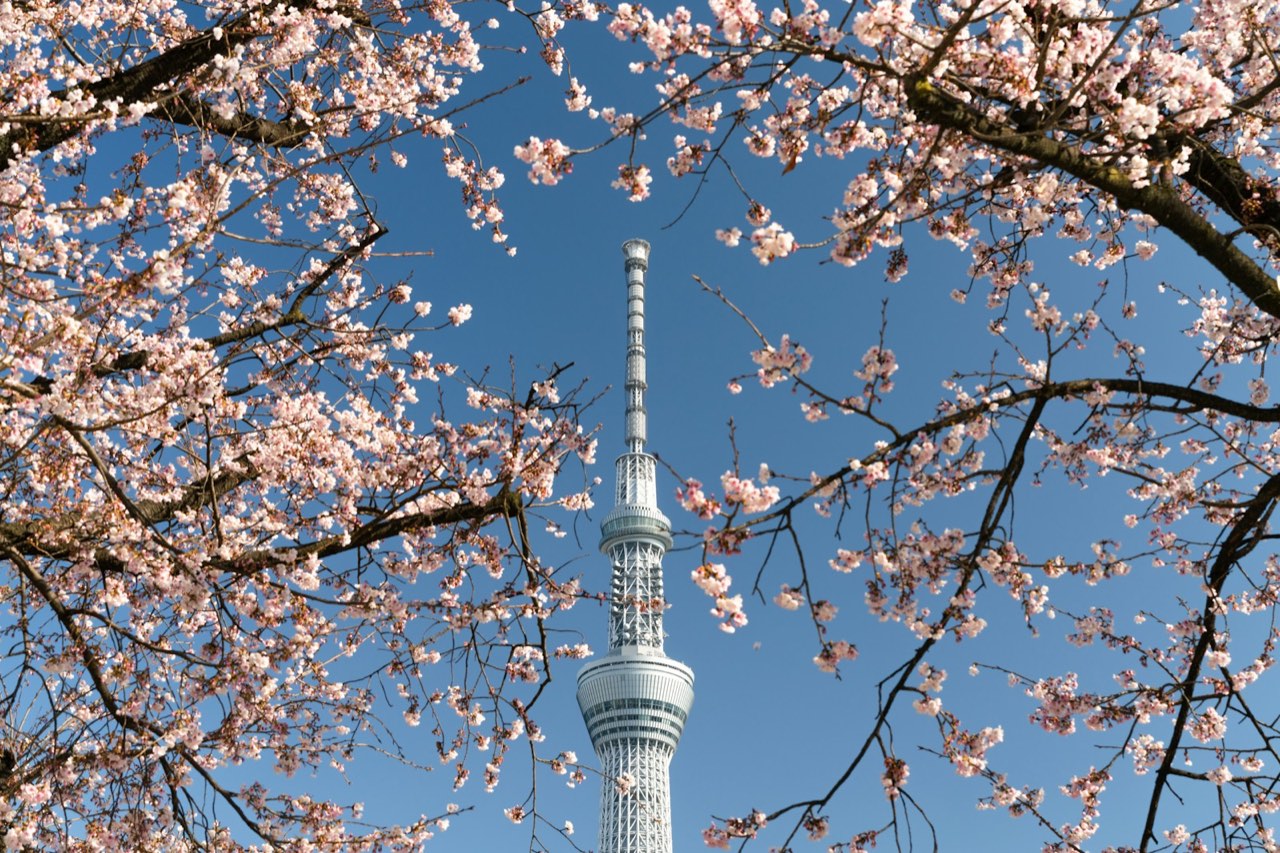
At 634 m, the world's tallest tower — two observation decks with vast city views, plus the Solamachi mall and aquarium at its base. Across the river from Asakusa (~15-min walk or one stop); buy timed tickets to skip the line.
- 17:30Dinner Daikokuya Tempura
Century-old Asakusa institution for tendon — tempura over rice in a dark sesame-oil sauce. Expect a queue; cash is safest.


Day 5Kichijoji — a park dayTokyo, 5 stops
Repeatedly voted Tokyo's most liveable suburb: the lake, swan boats and cherry trees of Inokashira Park, the Ghibli Museum on its western edge (separate timed ticket), and a dense, walkable grid of shopping arcades, the retro Harmonica Yokocho alley and beloved cheap eats. A relaxed, local, family-friendly day.
- 07:40Check out of your stay
- 08:30
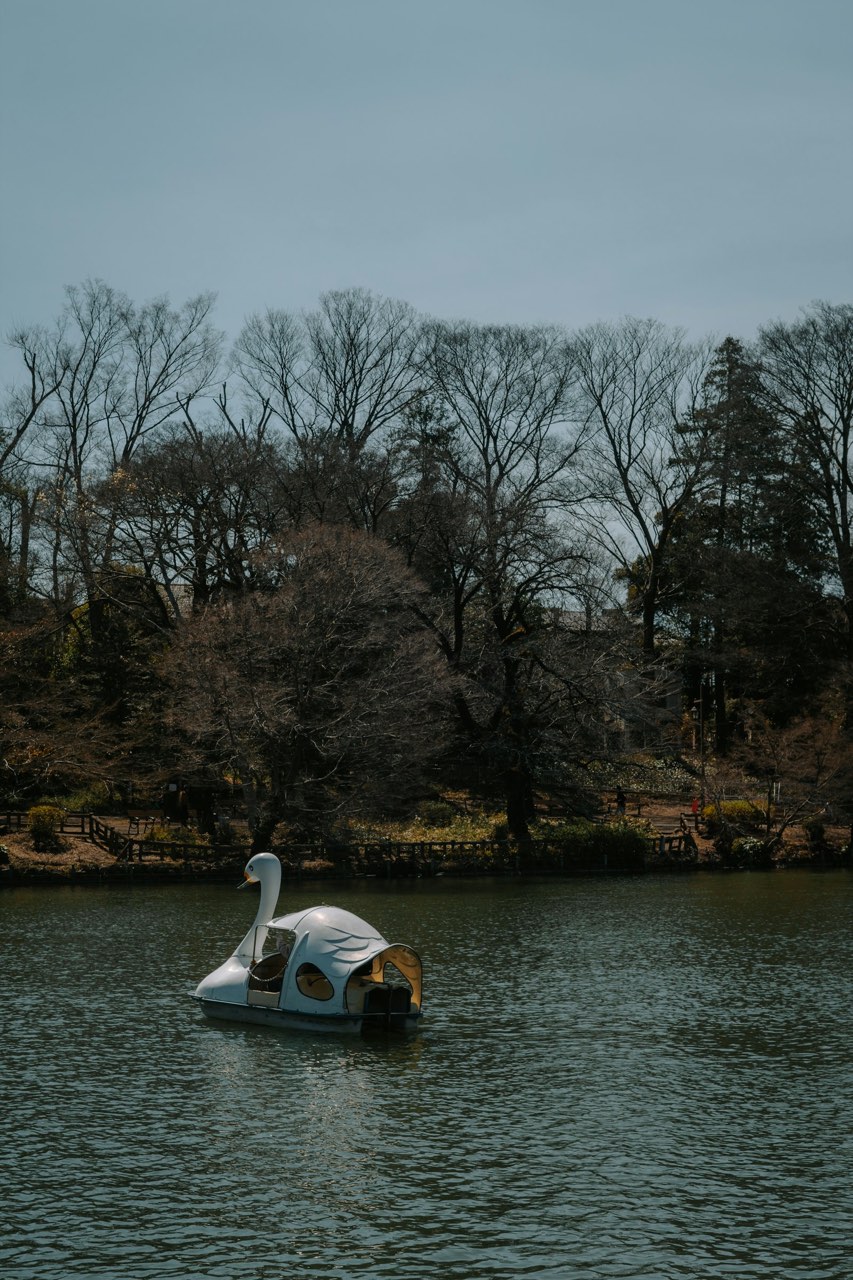
A much-loved lakeside park with rental swan boats, a little shrine on the water, street performers at weekends and cherry trees that draw crowds in spring. Flat, pram-friendly paths; the Ghibli Museum sits on its western edge.
- 10:00Harmonica Yokocho
A dense post-war warren of tiny shops and standing bars beside the station — fishmongers and grocers by day, a buzzing maze of counter izakaya by night. Per-shop hours vary; come hungry and squeeze in.
- 10:55Kichijoji Sun Road
The covered shopping arcade running north from the station — drugstores, fashion, bakeries and sweets, all weatherproof. The everyday spine of Kichijoji shopping; individual store hours vary.
- 12:00
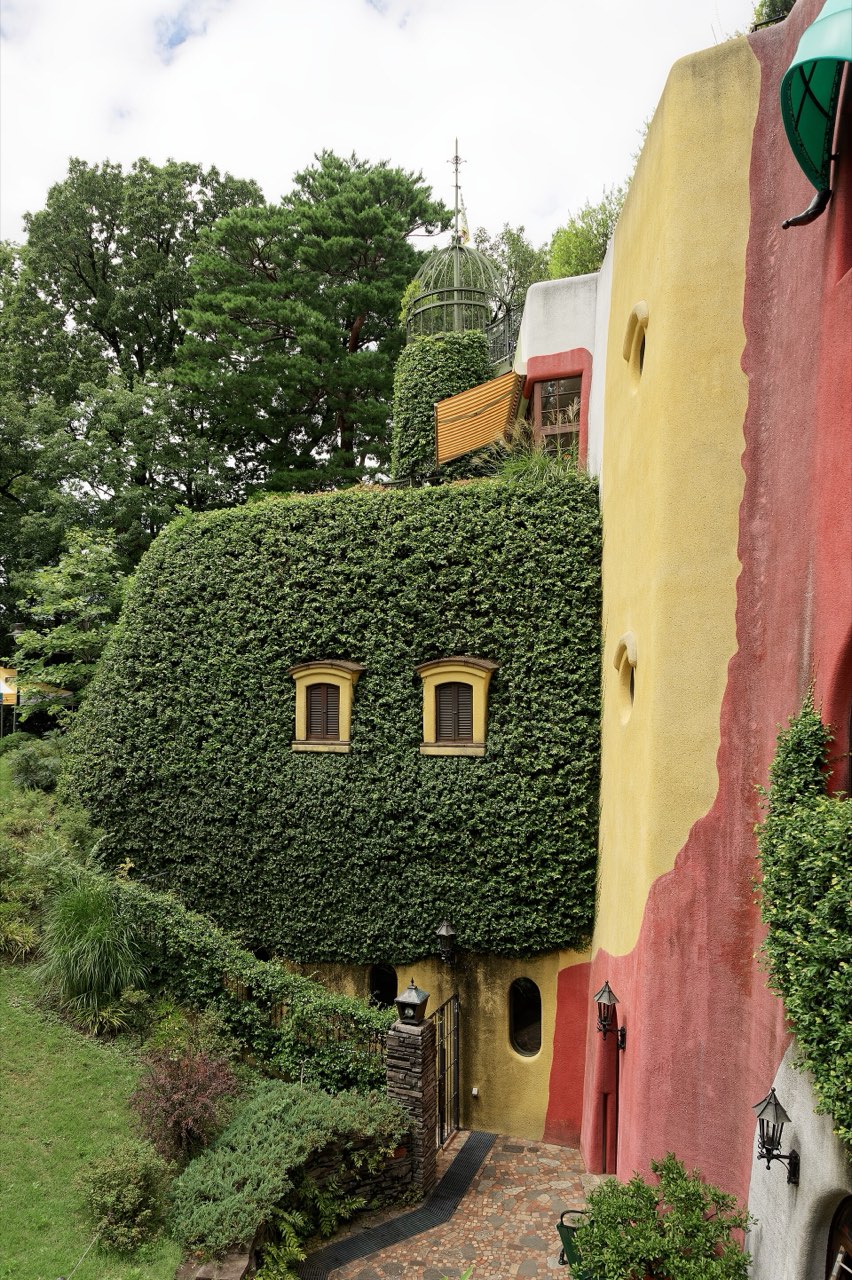
Hayao Miyazaki's whimsical museum on the edge of Inokashira Park — a Catbus for kids, a rooftop robot, original art and a members-only short film. Admission is by date-and-time ticket only, sold in advance and gone within hours of release; no door sales. Usually closed Tuesdays.
- 17:30Dinner Tetchan (Harmonica Yokocho)
Charcoal yakitori and motsu stew in Harmonica Yokocho's most packed stall — the interior of recycled LAN cables is by architect Kengo Kuma. Walk-in only and full by early evening, so come at opening (15:00 weekdays, 12:00 weekends); cards not accepted, bring cash. Open daily to midnight.

