
Tokyo, Kamakura & Nikkō — the Great Buddha, cedar avenues and UNESCO shrines in 6 days
- 6 days, 3 cities
- Balanced pace
- About 35 min walking a day
Three days in Tokyo, then a short hop south to Kamakura — the Great Buddha, Hase-dera's hillside views and the single-track Enoden rattling along the shore. From there north into the mountains for two days at Nikkō: Tōshōgū's lacquered gates, the cedar avenues, and the falls at Lake Chūzenji. Every stop below is human-verified — hours, closing days, ticket windows — and the whole plan works offline once saved.
Day by day
Day 1Nakameguro & Daikanyama & nearby — sights morning, shopping afternoonTokyo, 8 stops
Tokyo's most stylish low-rise quarter: the willow-and-cherry-lined Meguro River with its canal-side cafés (peak magic in late-March blossom season), the book-lover's Daikanyama T-Site, and a slow drift of design shops, roasteries and bistros. A grown-up, unhurried day.
- 08:00Breakfast Starbucks Reserve Roastery Tokyo
A four-storey Kengo Kuma-designed coffee 'theatre' on the Meguro River, with a copper roasting cask, a Teavana tea bar and a Princi bakery. Spectacular when the cherry trees bloom outside the upper terraces; expect a wait at peak times.
- 08:30

A small hillside park above the river with a grassy slope, a little waterfall and a west-facing terrace that catches the sunset over the city — a quiet pause a few minutes from the Nakameguro bustle.
- 09:15
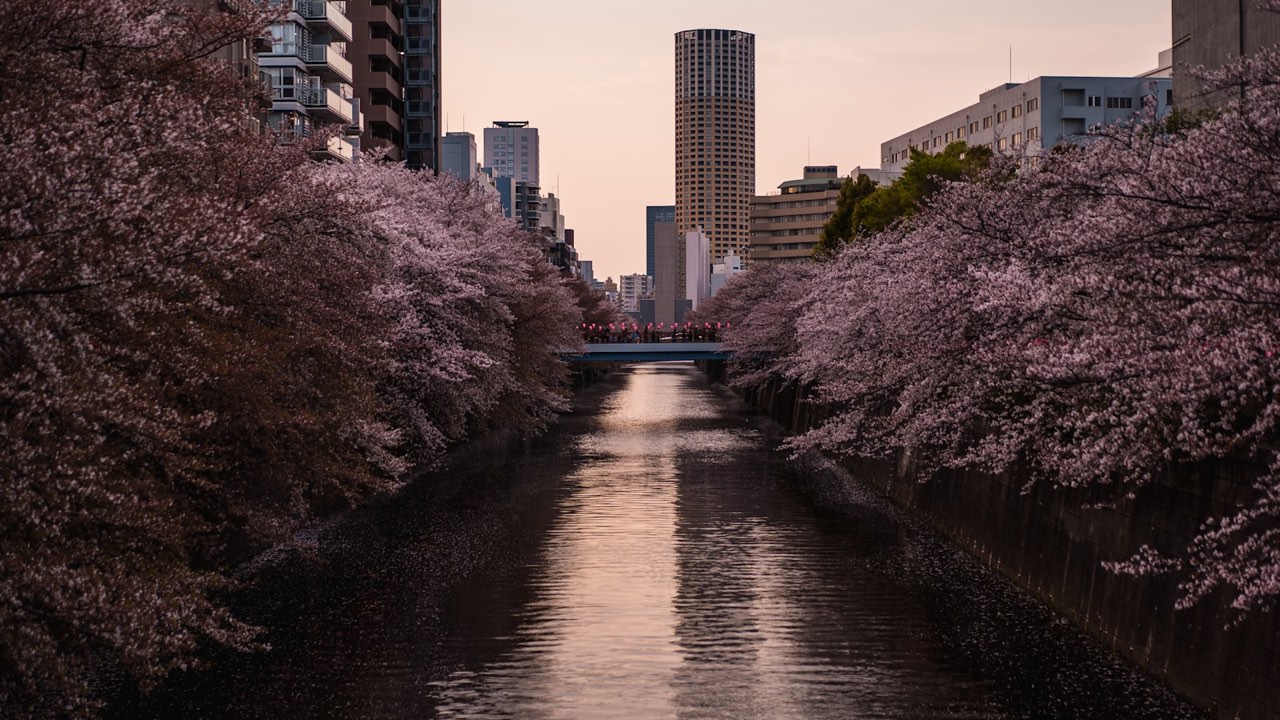
A canal lined with hundreds of cherry trees that arch over the water — Tokyo's prettiest blossom walk in late March, lit pink at night, and a pleasant café-hopping stroll the rest of the year. Always open and free.
- 10:30Daikanyama T-Site (Tsutaya Books)
A celebrated bookstore-as-destination: three glass pavilions of books, magazines, music and stationery, with the Anjin lounge upstairs for coffee among vintage art journals. A design pilgrimage and a lovely slow browse.
- 13:00Log Road Daikanyama
A low-rise strip of shops and cafés built along a former rail siding — home to a Spring Valley craft brewery taproom and breezy terraces. A relaxed link between Daikanyama and the Nakameguro riverside.
- 14:00Atre Ebisu
The big station-side mall directly over Ebisu Station — fashion, cosmetics, a supermarket and a strong restaurant floor, all weatherproof and handy on arrival or departure. A practical everyday stop rather than a destination.
- 15:15Yebisu Garden Place
A refined open-air complex built on the old Yebisu brewery site — a glass-roofed plaza, a department store, restaurants from casual to the Joël Robuchon château, and a vast Baccarat chandelier that anchors a famous winter illumination. Pleasant to stroll any time; the plaza is always open.
- 17:30Dinner Yakiniku Champion (Ebisu)
A respected yakiniku house run by a meat wholesaler, so the wagyu cuts are top-grade and well priced for the quality — grill your own over charcoal at the table. A satisfying splurge; reserve for evenings as it fills quickly.


Day 2Asakusa — a sights dayTokyo, 8 stops
Old downtown Tokyo: the Senso-ji temple and its Nakamise souvenir street, rickshaws, traditional sweets, and Tokyo Skytree rising across the river. The city's most atmospheric, lower-cost quarter — best early before the crowds.
- 08:00Breakfast Kagetsudo (melon pan)
Famous for its giant, crisp-then-fluffy jumbo melon pan, baked fresh through the day — a cheap, fun Asakusa walking snack.
- 08:30
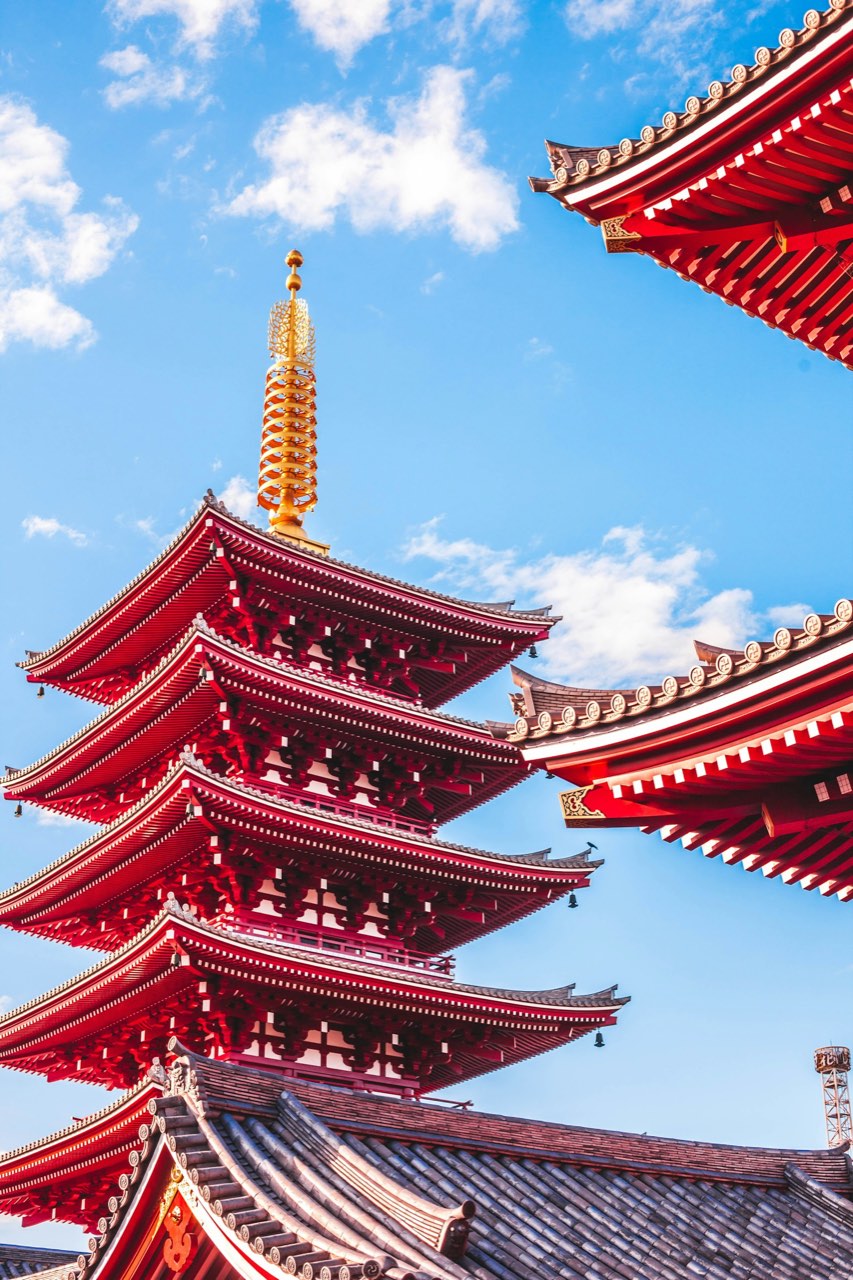
Tokyo's oldest temple, approached through the Kaminarimon gate and Nakamise shopping street. The grounds are always open and free (main hall ~06:00-17:00); beautifully lit at night and best explored early.
- 09:45Nakamise Shopping Street
The 250 m approach to Senso-ji, lined with stalls of folding fans, kimono trinkets, ningyo-yaki cakes and fresh senbei. Per-shop hours vary; busiest midday.
- 10:40
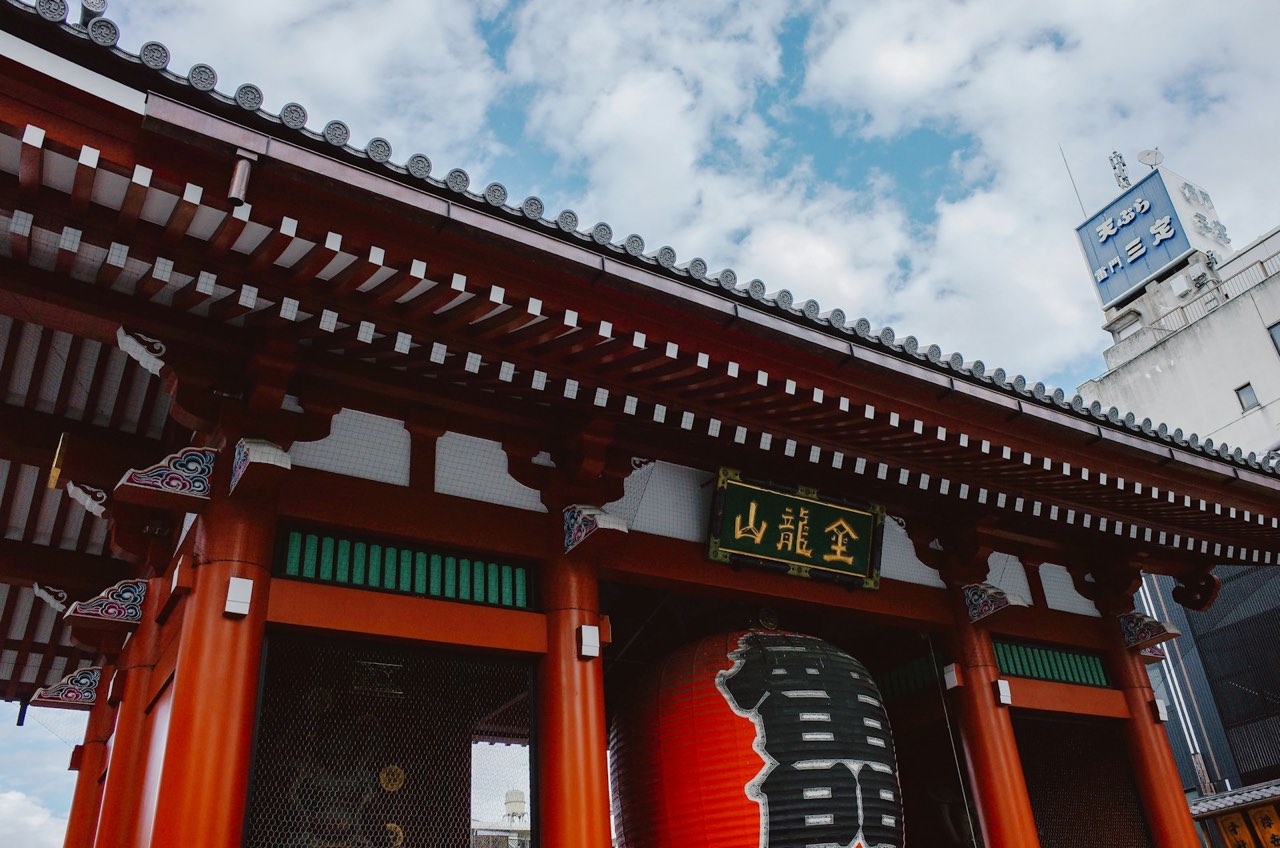
The giant red 'Thunder Gate' lantern marking the entrance to Senso-ji — Asakusa's signature photo. Always accessible.
- 11:10Samurai Ninja Museum Tokyo
A hands-on Asakusa museum where a guided tour walks you past real Edo-period armour, katana and ninja tools, then lets you throw shuriken yourself; armour try-on and sword lessons are optional add-ons. Entry is timed — book online ahead, and check current hours before you go.
- 13:25
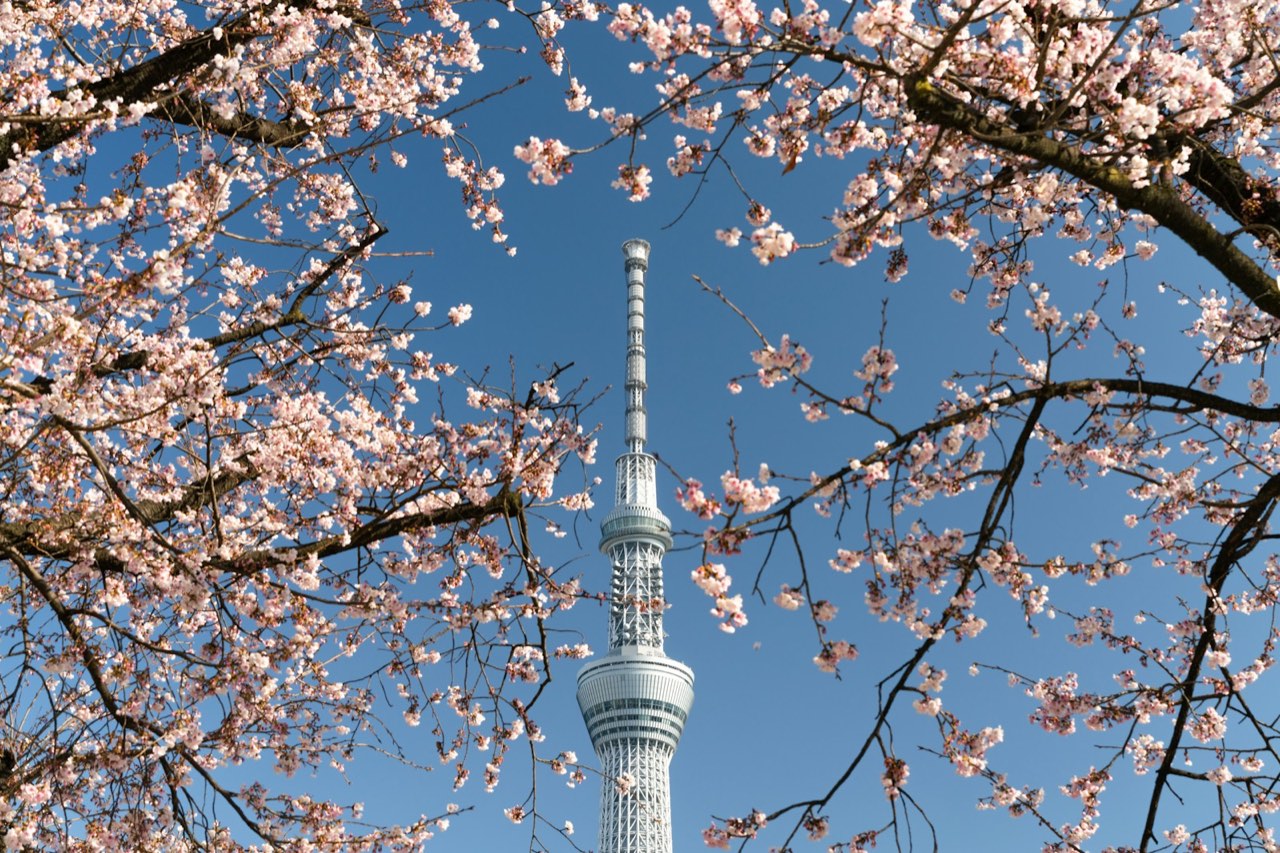
At 634 m, the world's tallest tower — two observation decks with vast city views, plus the Solamachi mall and aquarium at its base. Across the river from Asakusa (~15-min walk or one stop); buy timed tickets to skip the line.
- 15:10Asakusa Sumo Club
A purpose-built sumo hall minutes from Senso-ji where retired professional wrestlers stage demonstration bouts with English commentary — a show, not a real tournament — usually paired with all-you-can-eat chanko-nabe hot pot. Four two-hour sessions run daily; book ahead, evening slots can sell out a week or more in advance.
- 17:30Dinner Daikokuya Tempura
Century-old Asakusa institution for tendon — tempura over rice in a dark sesame-oil sauce. Expect a queue; cash is safest.


Day 3Harajuku & Meiji Jingu & nearby — sights morning, shopping afternoonTokyo, 10 stops
A study in contrasts: the vast forested Meiji Shrine and Yoyogi Park on one side, and the teen-fashion frenzy of Takeshita Street with the upscale boutiques of Omotesando on the other. Shrine in the morning, shopping and crepes after.
- 08:30
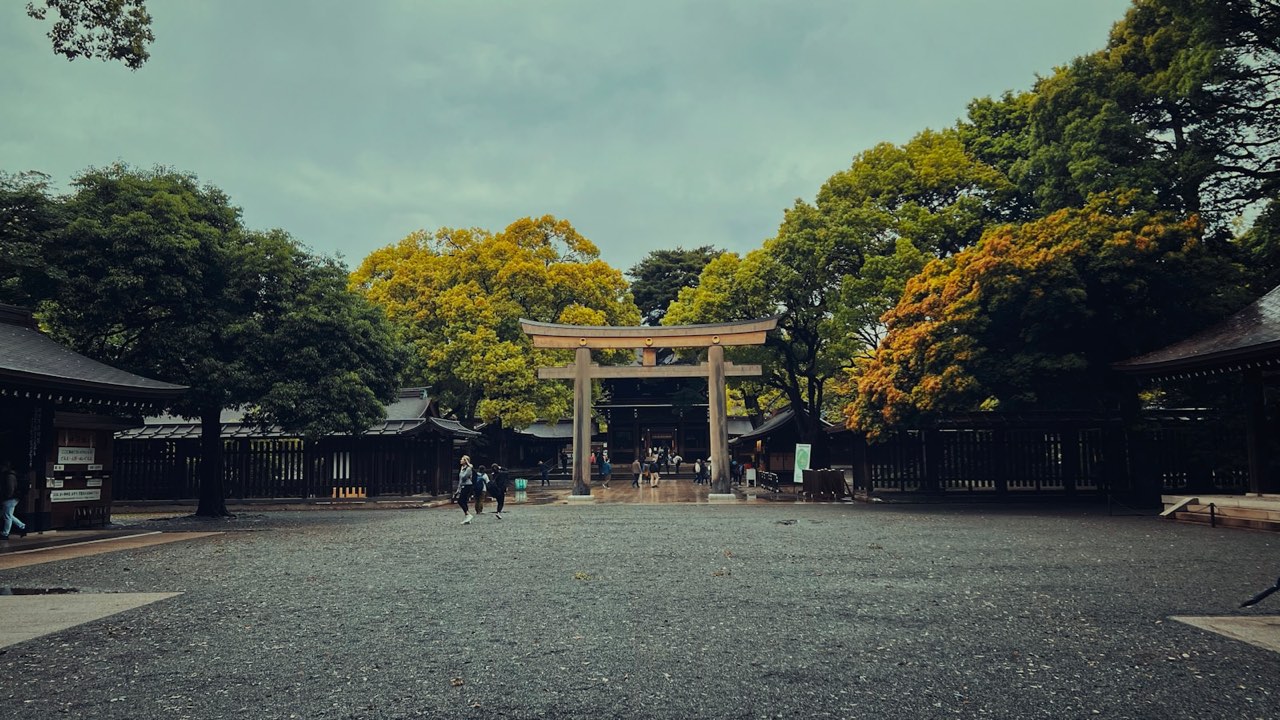
Tokyo's grandest shrine, set in a vast man-made forest beside Harajuku — huge wooden torii, a long gravel approach and a sense of calm minutes from the crowds. Free; opens at sunrise, closes at sunset (hours shift seasonally).
- 10:00
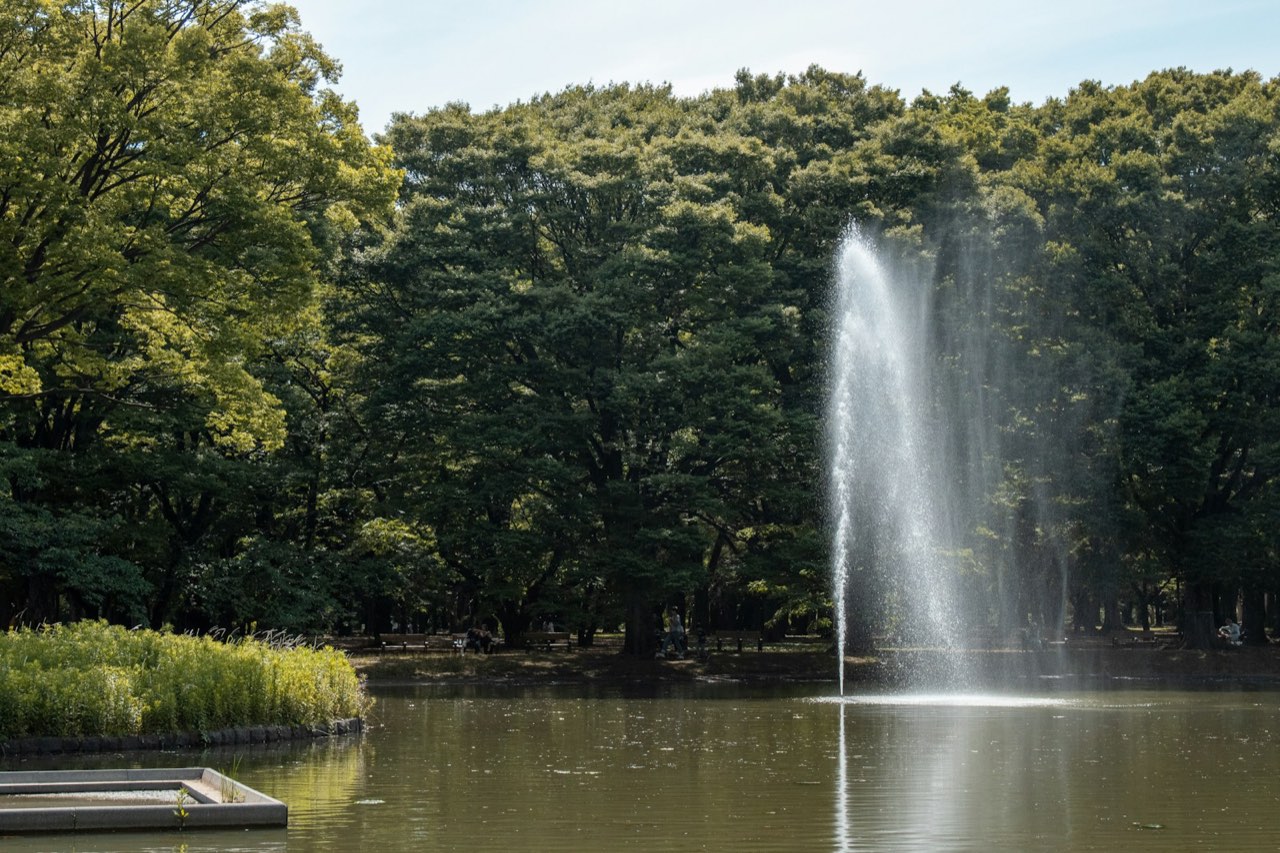
Big open lawns next to Meiji Jingu — picnics, buskers, dog-walkers and weekend events (rockabilly dancers, festivals). A relaxed counterpoint to Takeshita Street's crush.
- 11:00Takeshita Street
The pedestrian heart of teen Harajuku — kawaii fashion, character shops, photo booths and rainbow crepes. Shoulder-to-shoulder on weekends; per-shop hours vary.
- 12:00Lunch Afuri (yuzu ramen)
Modern ramen known for its light, citrusy yuzu-shio broth — a refreshing change from heavy tonkotsu, handy after Meiji Jingu. Ticket machine; quick.
- 13:00Omotesando
Tokyo's 'Champs-Elysees' — a zelkova-lined avenue of flagship boutiques and striking architect-designed stores (plus Omotesando Hills). Window-shopping and people-watching even on a budget.
- 14:15
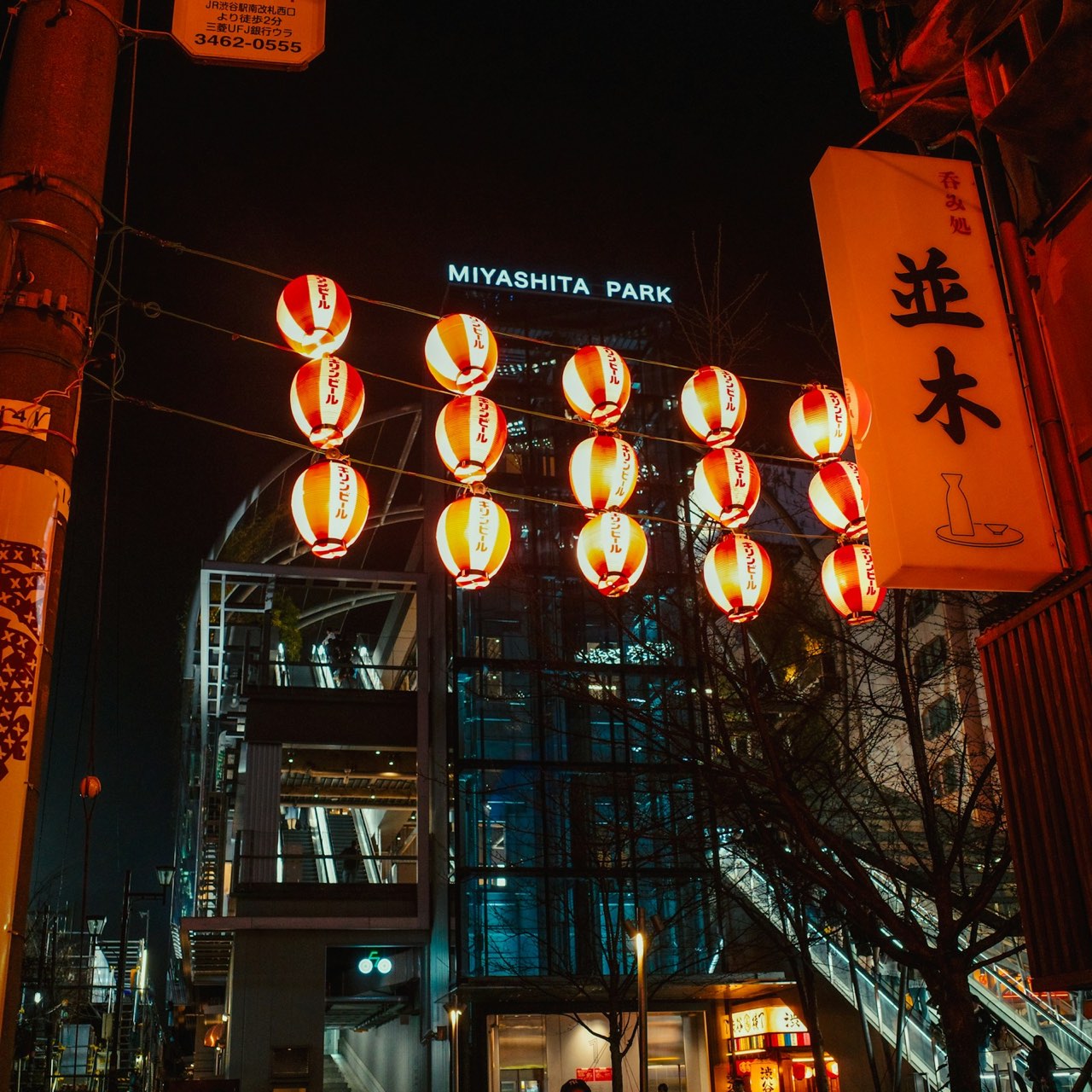
A reinvented multi-level complex: a rooftop park with lawn, climbing wall and skate area sitting above two floors of shops and the buzzing Shibuya Yokocho food alley. A relaxed green pause and night-eats spot between Shibuya and Harajuku; the rooftop closes overnight.
- 15:30Shibuya Parco
A design-forward fashion-and-culture mall whose sixth floor is a games-and-anime floor — Nintendo Tokyo, the Pokémon Center, the Jump Shop and Capcom Store all together. A magnet for fans; the rooftop has city views and seasonal events.
- 17:15Shibuya 109
The cylindrical fashion landmark by the crossing — floors of trend-driven young women's brands. A Shibuya icon as much as a mall.
- 18:30Dinner Nonbei Yokocho
A cluster of tiny post-war drinking dens by the tracks — yakitori, sake and standing bars seating a handful each. Evenings only; cash and a little courage. Per-bar hours vary.
- 19:45Shibuya Sky
Open-air rooftop observation deck atop Shibuya Scramble Square (~230 m) with a 360° view over the crossing and out to Mt Fuji on clear days. Book a timed sunset slot ahead.


Day 4Kita-Kamakura (Zen Temples) & nearby — a sights dayKamakura, 8 stops
A hushed wooded valley of great Zen temples one stop north — Engaku-ji and Kenchō-ji among Kamakura's five greatest, the hydrangea-framed round window of Meigetsu-in and the serene Tōkei-ji. Best walked between temples at a slow pace, glorious in the June rains.
- 08:40Check out of your stay
- 09:00
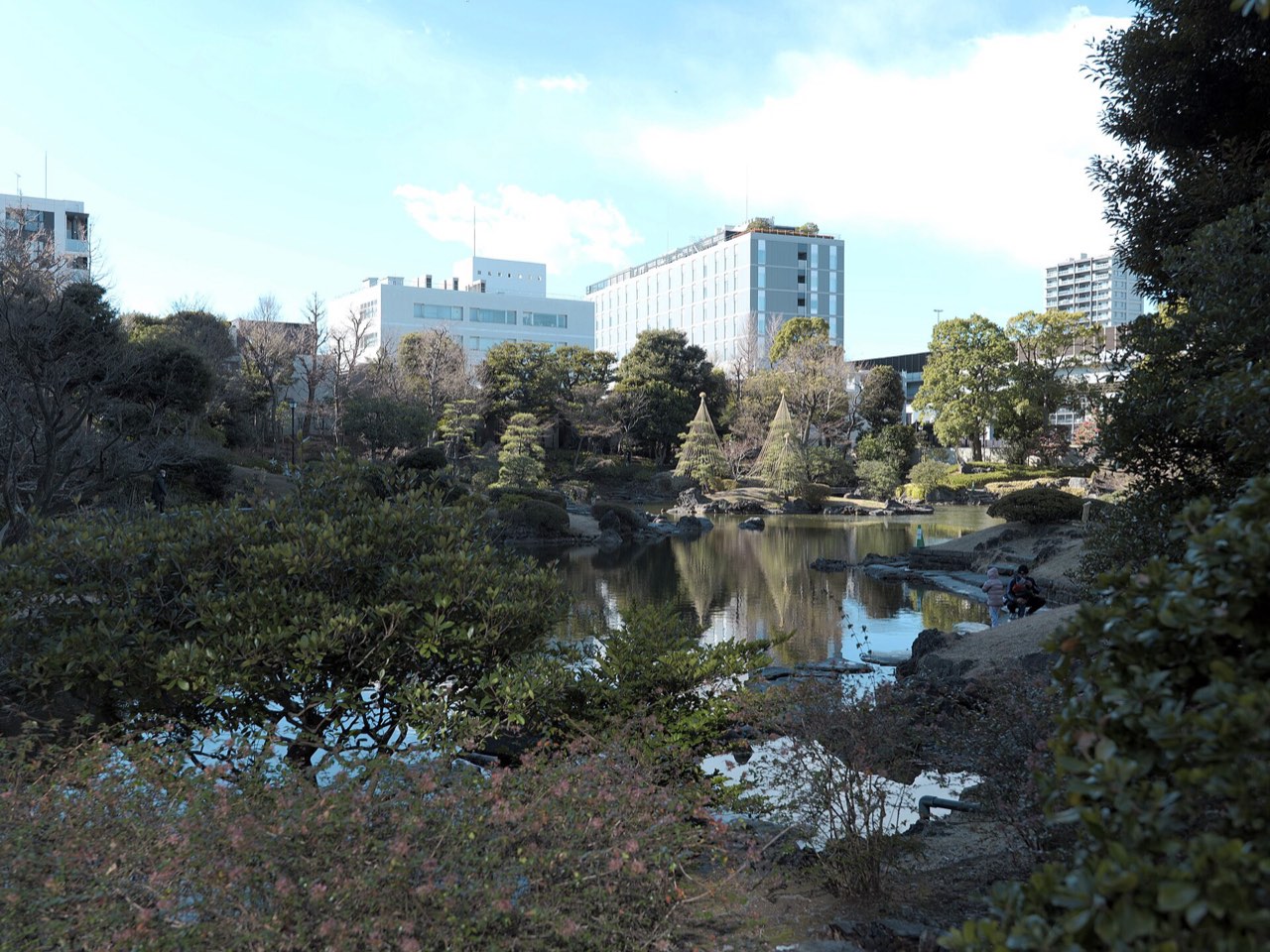
A small, free Edo-era strolling garden built around a tide-fed pond, with a teahouse and seasonal colour a minute from the Kokugikan. A quiet breather between sumo and museum stops; hours shorten in winter.
- 09:45
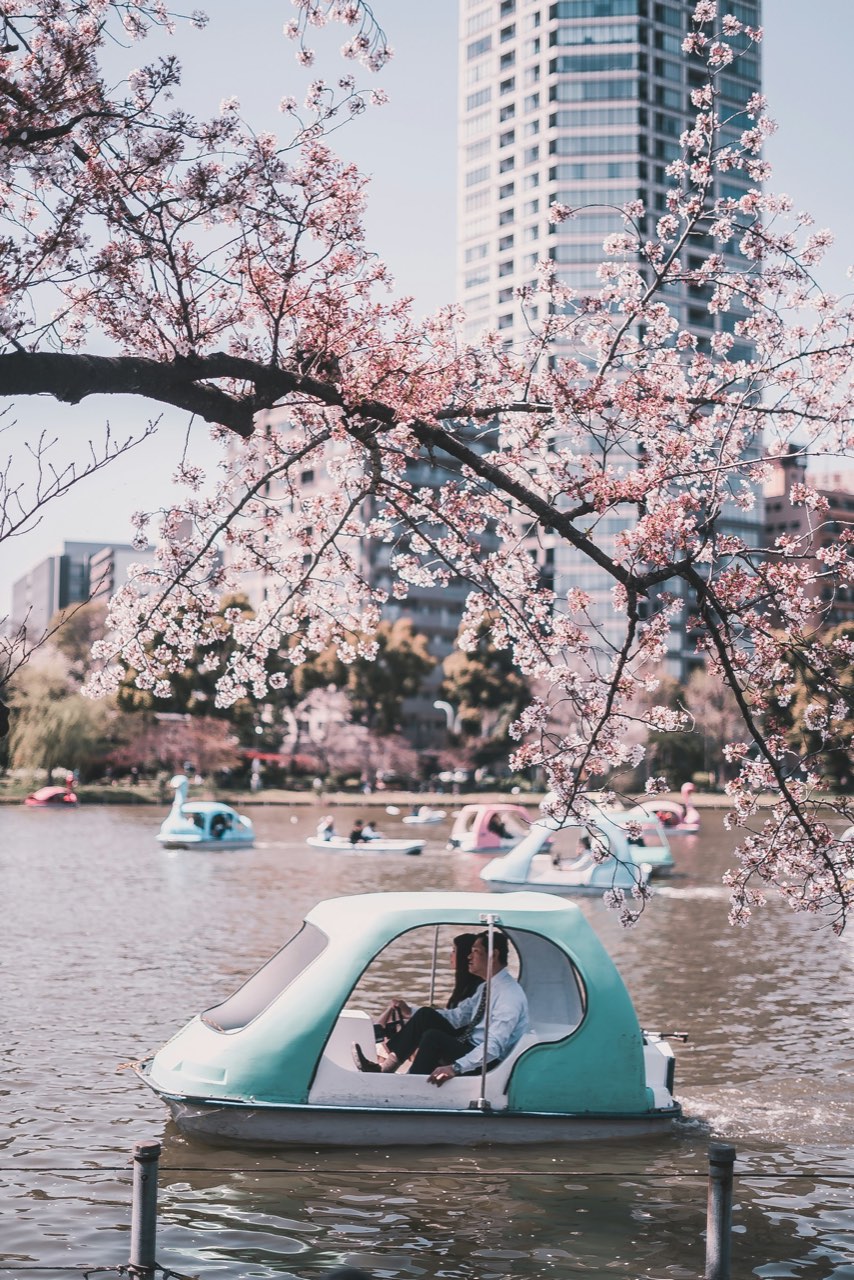
A wide public park that's Tokyo's museum district and one of its most famous cherry-blossom spots, with the lotus-filled Shinobazu Pond and a zoo. Always open; ties the area's sights together.
- 11:00
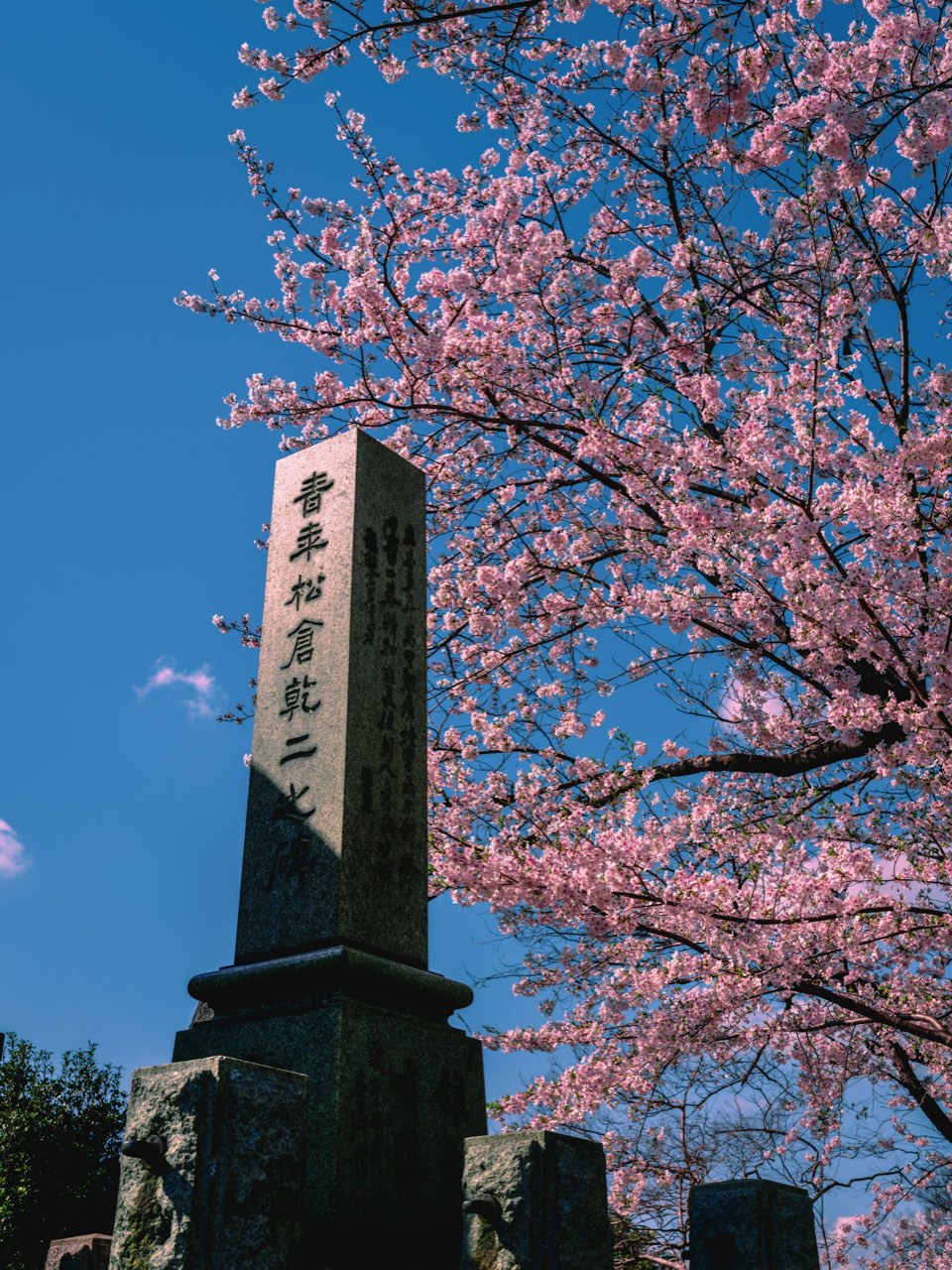
A leafy historic cemetery whose central avenue — 'Sakura-dori' — becomes a cherry-blossom tunnel in spring, and where the last shogun and many Meiji notables rest. A peaceful, atmospheric walk; the paths are public and always open.
- 11:40Train
- 12:29Drop your bags at your stay
- 12:59Lunch Kosuzu (soba & warabimochi)
A refined soba house on the Dankazura shrine approach, equally famous for its hon-warabi warabi-mochi. Closed Mondays and the 1st & 3rd Tuesday of the month.
- 13:59
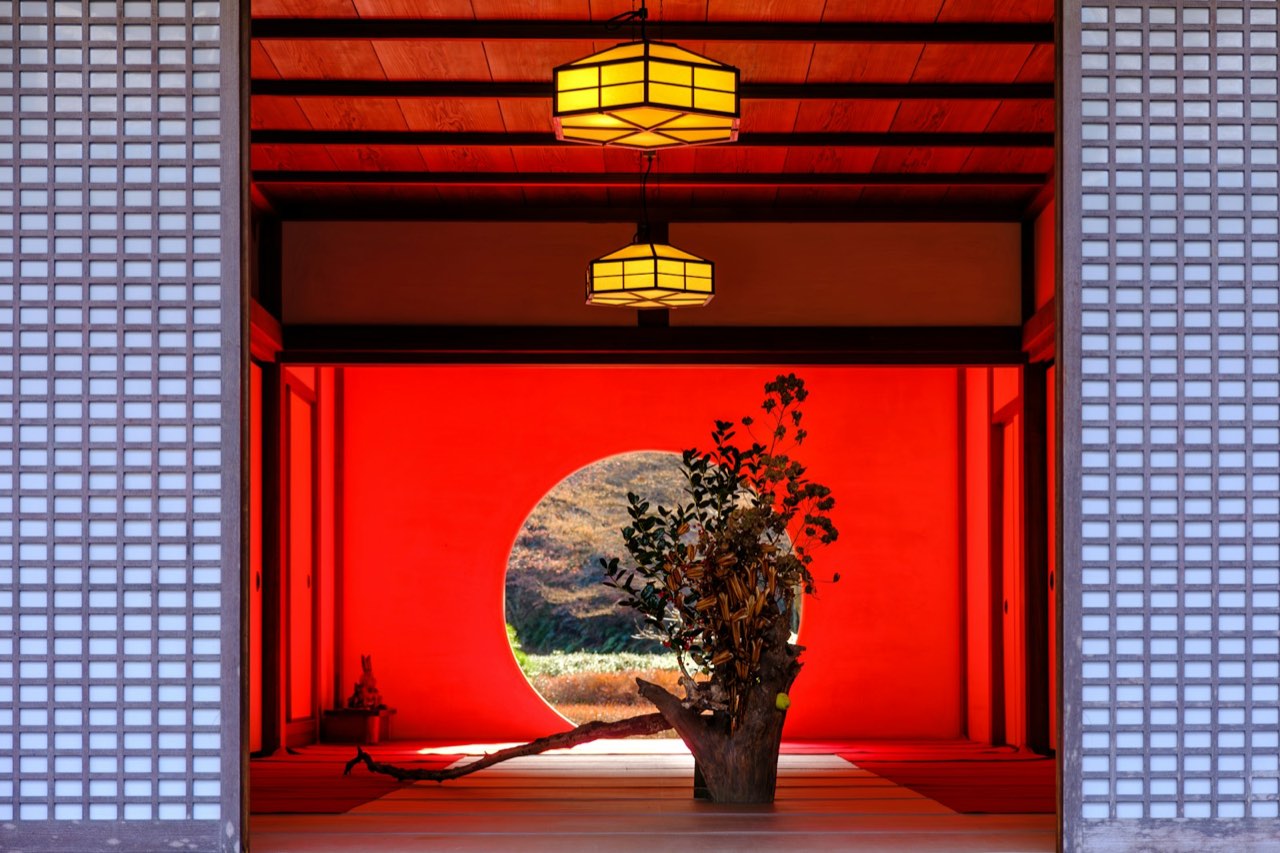
A small temple famous for two views: thousands of blue hydrangeas lining its paths in June, and the circular 'window of enlightenment' framing the rear garden. A small admission, higher and busiest in hydrangea season; gentle steps through the grounds.
- 14:59
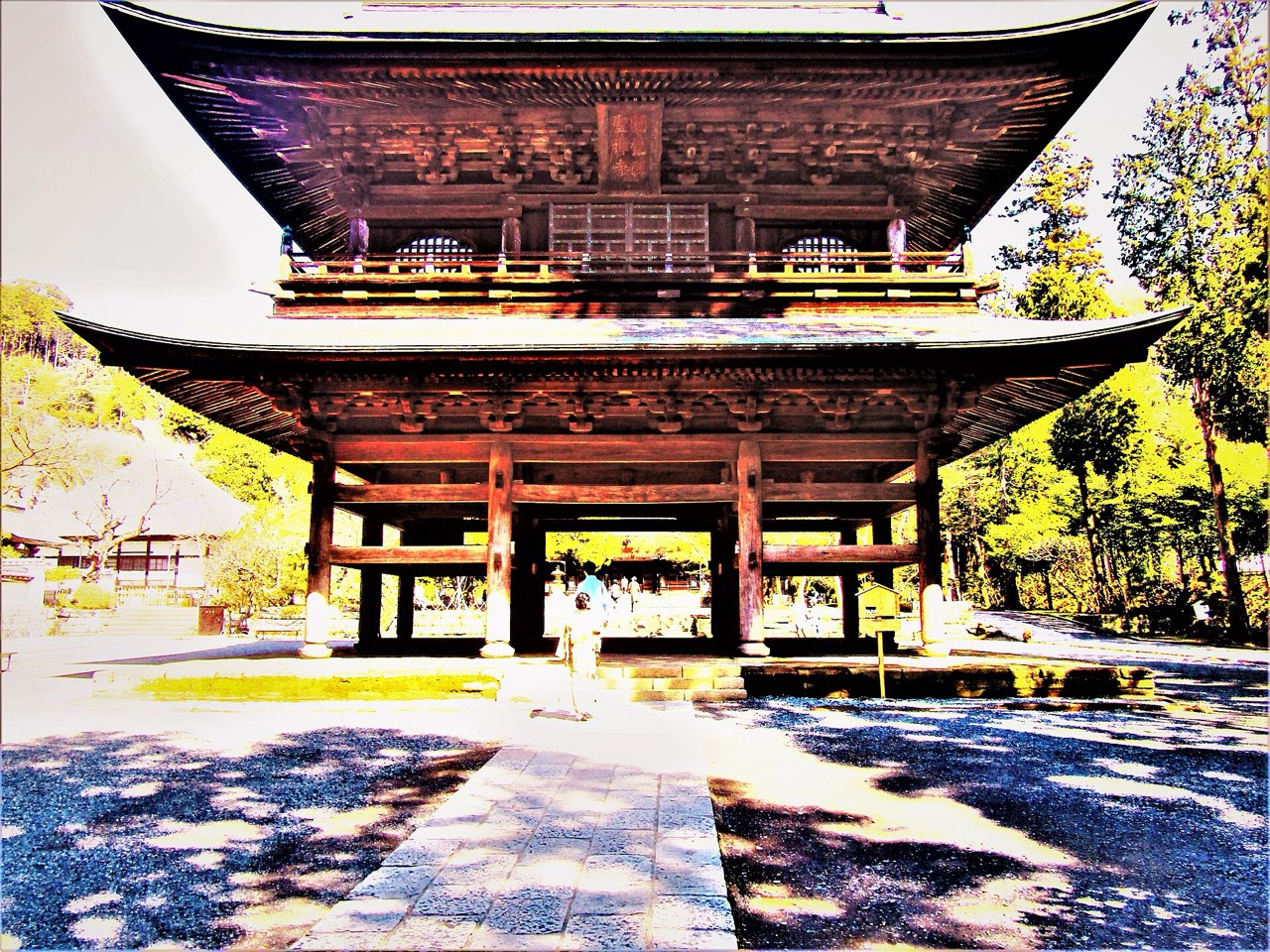
A vast, tranquil Zen temple complex rising up a wooded hillside right beside Kita-Kamakura station, one of Kamakura's five great Zen temples, with a giant temple bell and meditation halls. A small admission; gravel paths and steps between the sub-temples.
- 16:14
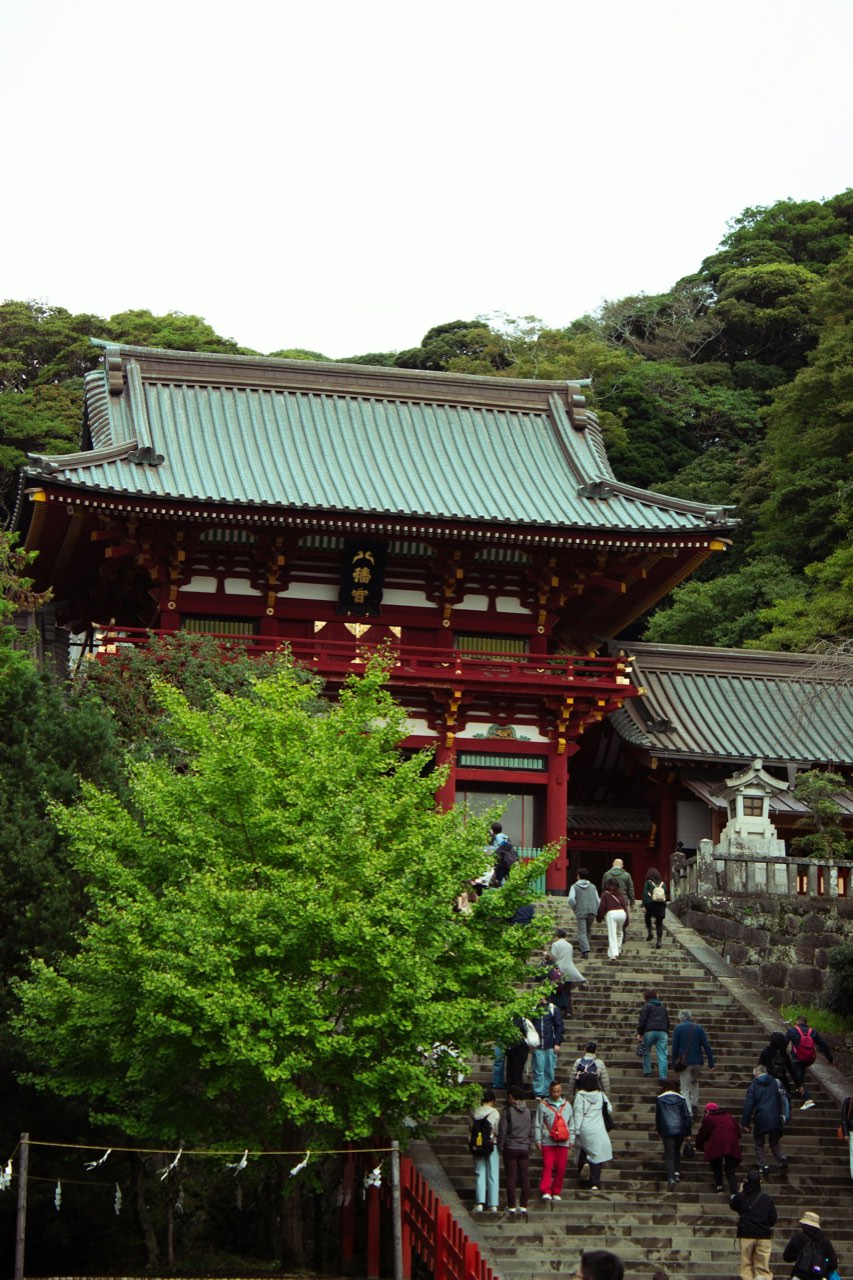
Kamakura's most important shrine, the spiritual heart of the old samurai capital, approached up a broad cherry-and-azalea avenue and a final flight of steps to the vermilion main hall. Free; the grounds and ponds are flat, with steps up to the hall.
- 17:30Dinner Hachinoki Shinkan
A traditional kaiseki house near Jochi-ji in Kita-Kamakura - seasonal multi-course meals in a quiet tatami setting. Closed Thursdays; book ahead for dinner.


Day 5Oku-Nikko (Chūzenji & Kegon) — a sights dayNikko, 5 stops
The highland up the twisting Irohazaka road — the thundering Kegon Falls plunging from Lake Chūzenji, the lake itself ringed by mountains, the Akechidaira viewpoint over it all, and the marshes and Ryūzu Falls beyond. Cool in summer and ablaze with colour in autumn; a full day of nature above the shrines.
- 09:40Check out of your stay
- 10:00Train
- 12:02Drop your bags at your stay
- 12:32Lunch Chūzenji Kanaya Coffee House
The lakeside Kanaya hotel's Coffee House Yukon - the famous '100-year curry', pizza and sandwiches in a calm wood-and-stone room near the Chuzenji shore. Lunch hours only.
- 13:32
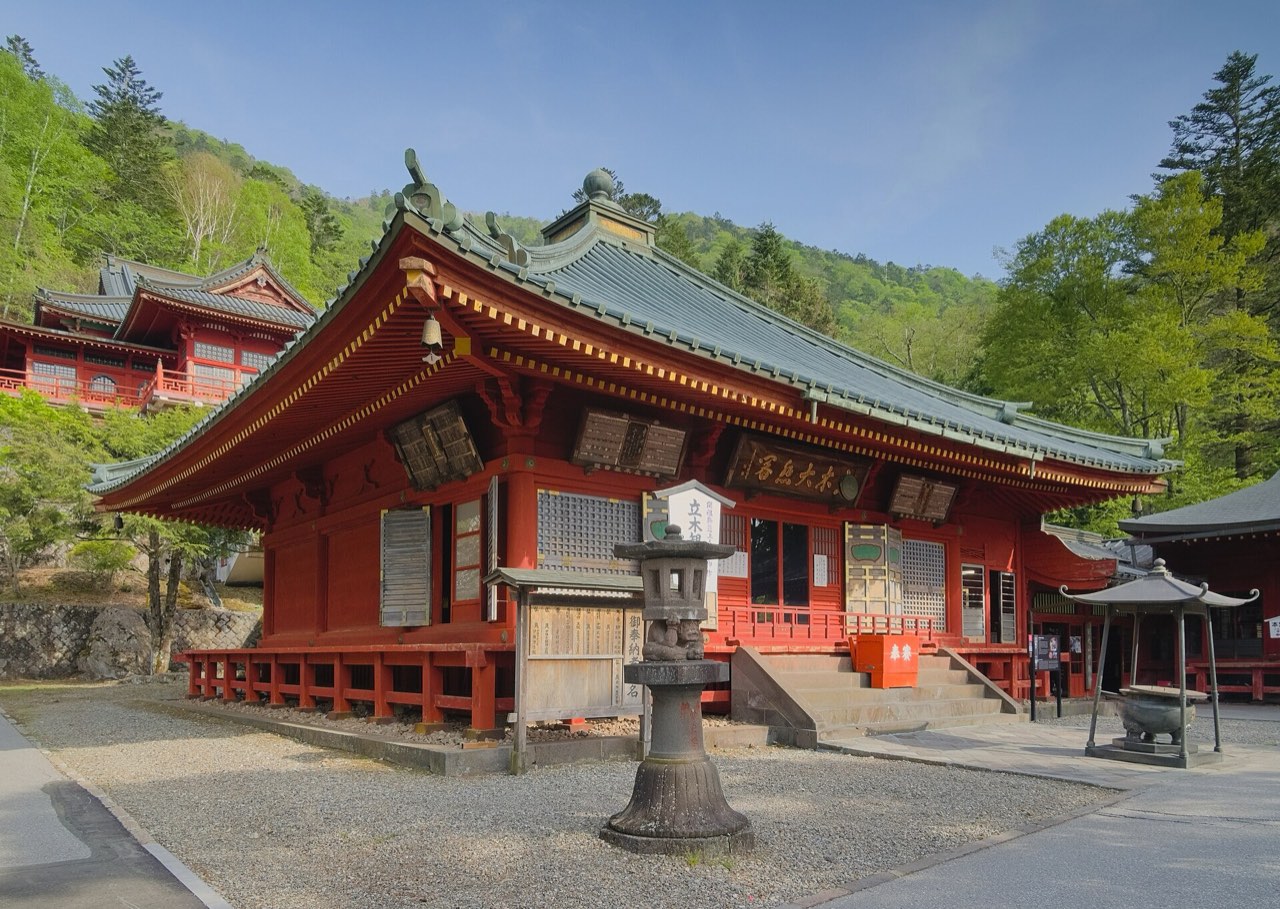
A lakeside temple founded by the monk who opened Nikko, housing a standing Kannon said to be carved from a living tree, with a hall and tower looking out over Lake Chūzenji. A quiet, scenic stop on the lake's south shore; a small admission, with steps.
- 14:27
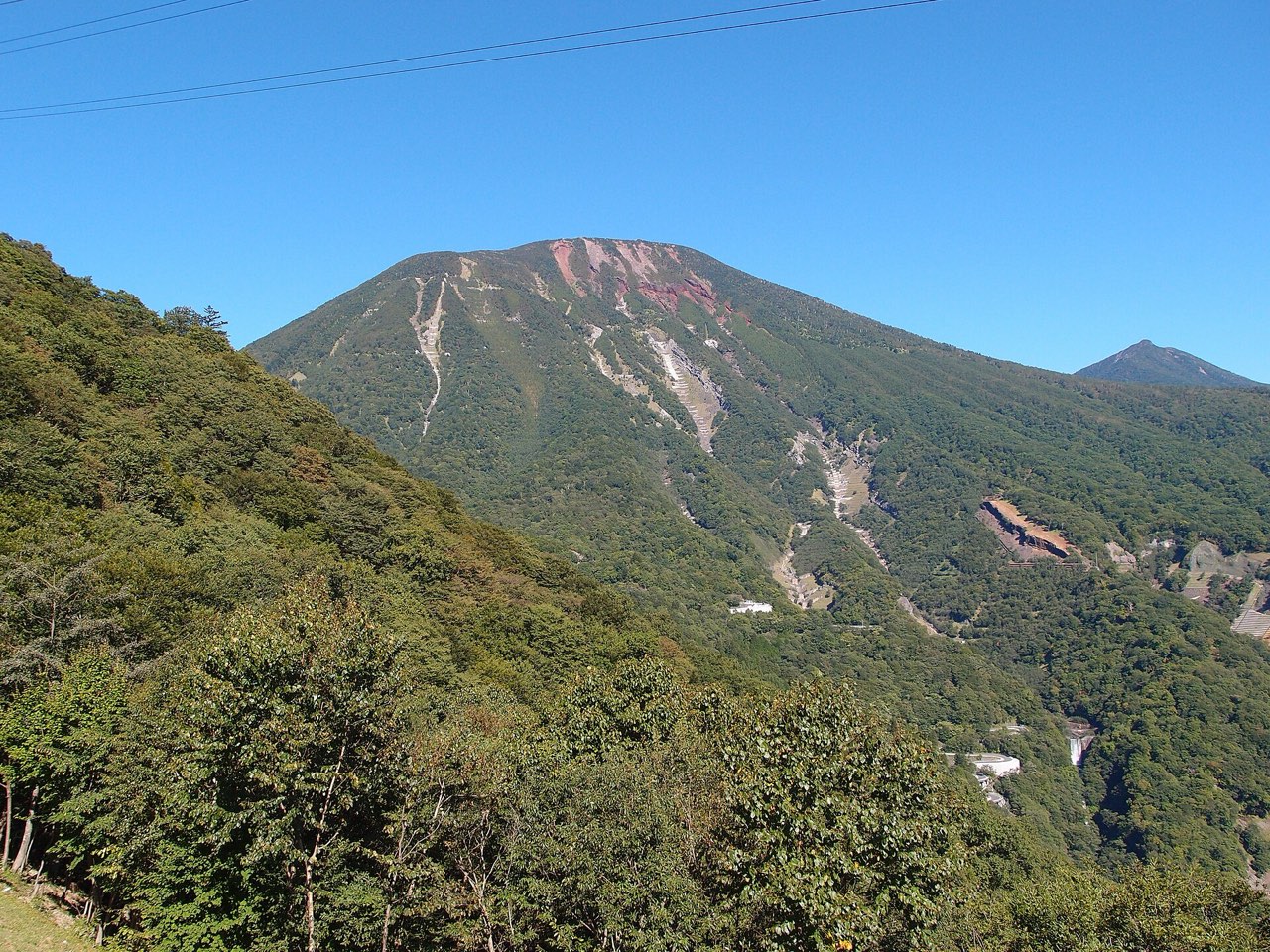
A short ropeway near the top of the Irohazaka road to a platform with the classic panorama — Kegon Falls and Lake Chūzenji together below Mt Nantai. The best wide view in Oku-Nikko, spectacular in autumn; a quick lift to an accessible deck.
- 15:12
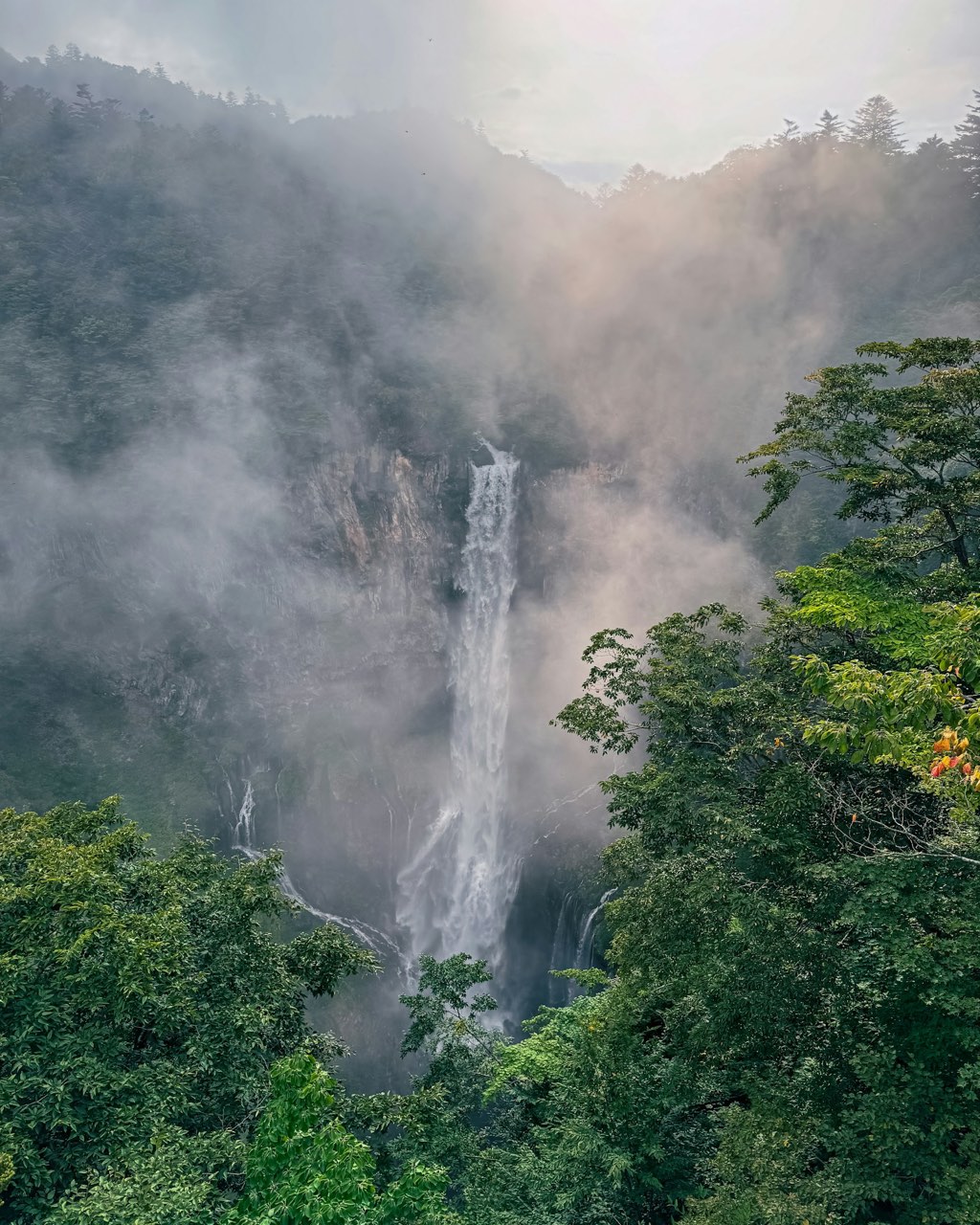
One of Japan's most famous waterfalls — a 97-metre column plunging from Lake Chūzenji into a rocky gorge, thunderous in spring melt and framed by fiery maples in autumn. A paid lift drops to a base viewing platform (accessible); the free upper view is also good.
- 16:12
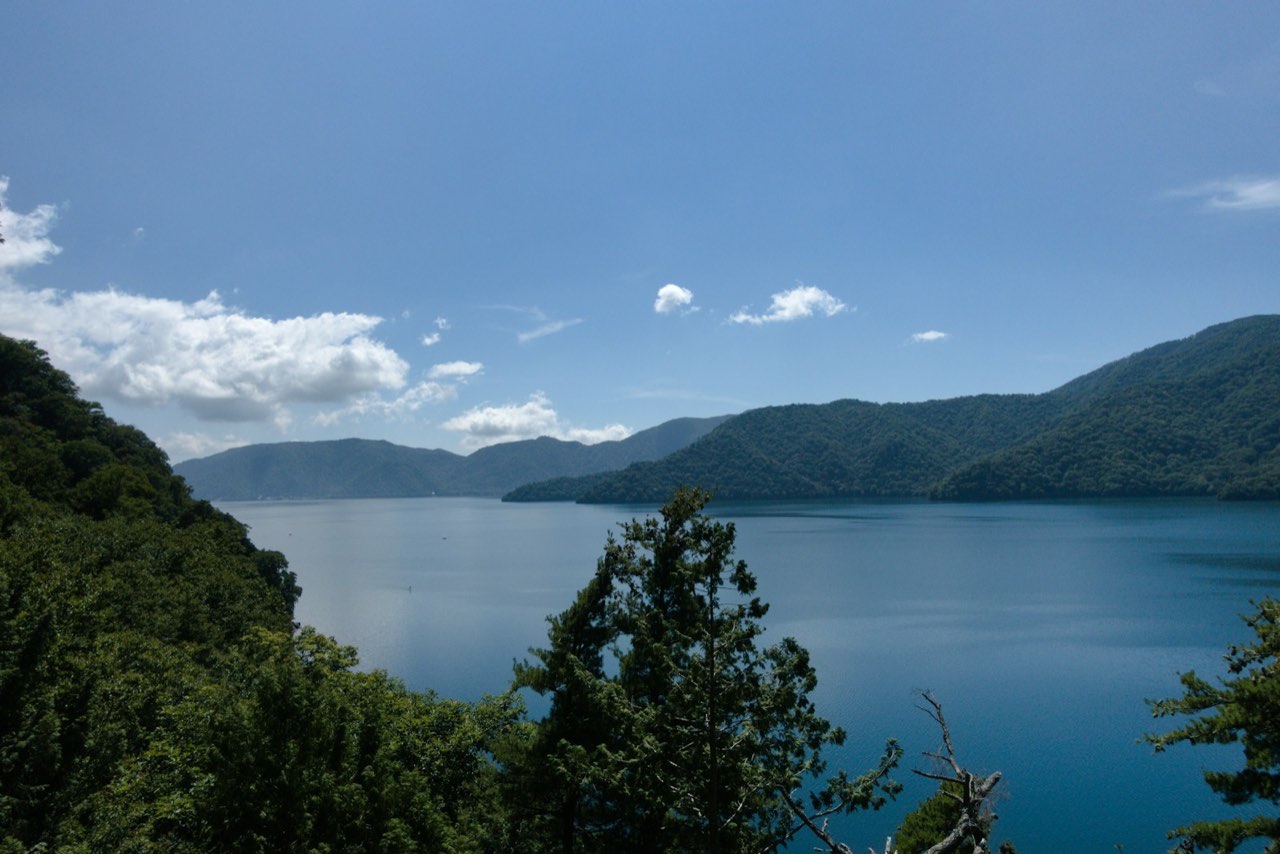
A serene highland lake formed by an ancient eruption of Mt Nantai, ringed by forested peaks, with a lakeside promenade, sightseeing boats and cafés. Free to enjoy and gorgeous in autumn; the shore path is flat, the boats are seasonal.


Day 6Nikko Shrines (World Heritage) & nearby — a sights dayNikko, 9 stops
The UNESCO World Heritage precinct in the cedar forest — the dazzling carved gates of Tōshōgū (Ieyasu's mausoleum), the older Futarasan shrine, the great temple of Rinnō-ji and the serene Taiyū-in, all linked by stone paths under giant trees. The reason most people come to Nikko.
- 07:40Check out of your stay
- 09:00
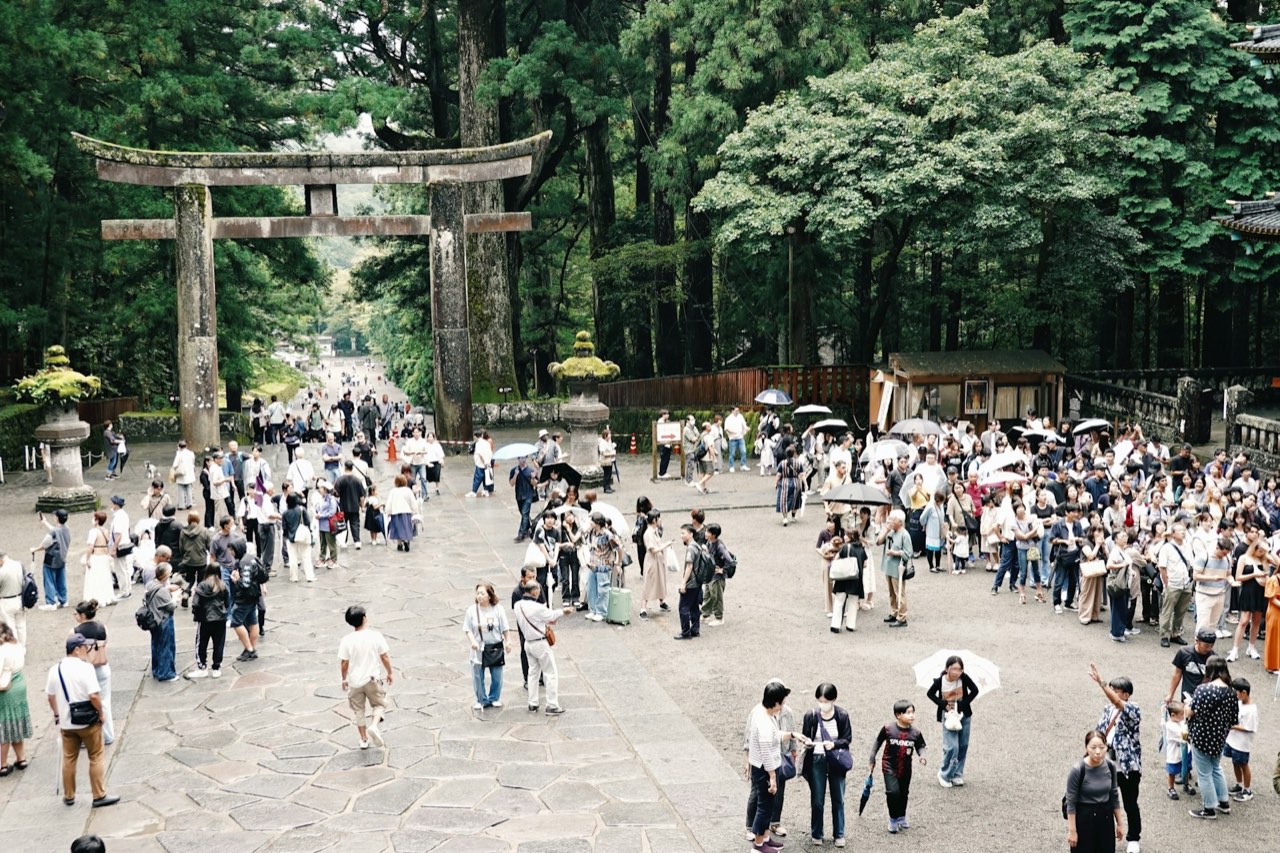
The lavishly decorated mausoleum of Tokugawa Ieyasu, founder of the shogunate — a riot of gold leaf and intricate carvings including the 'see/hear/speak-no-evil' monkeys and the sleeping cat, set among towering cedars. Nikko's headline sight; a paid admission, with steps up to the inner shrine, busy mid-morning.
- 10:45
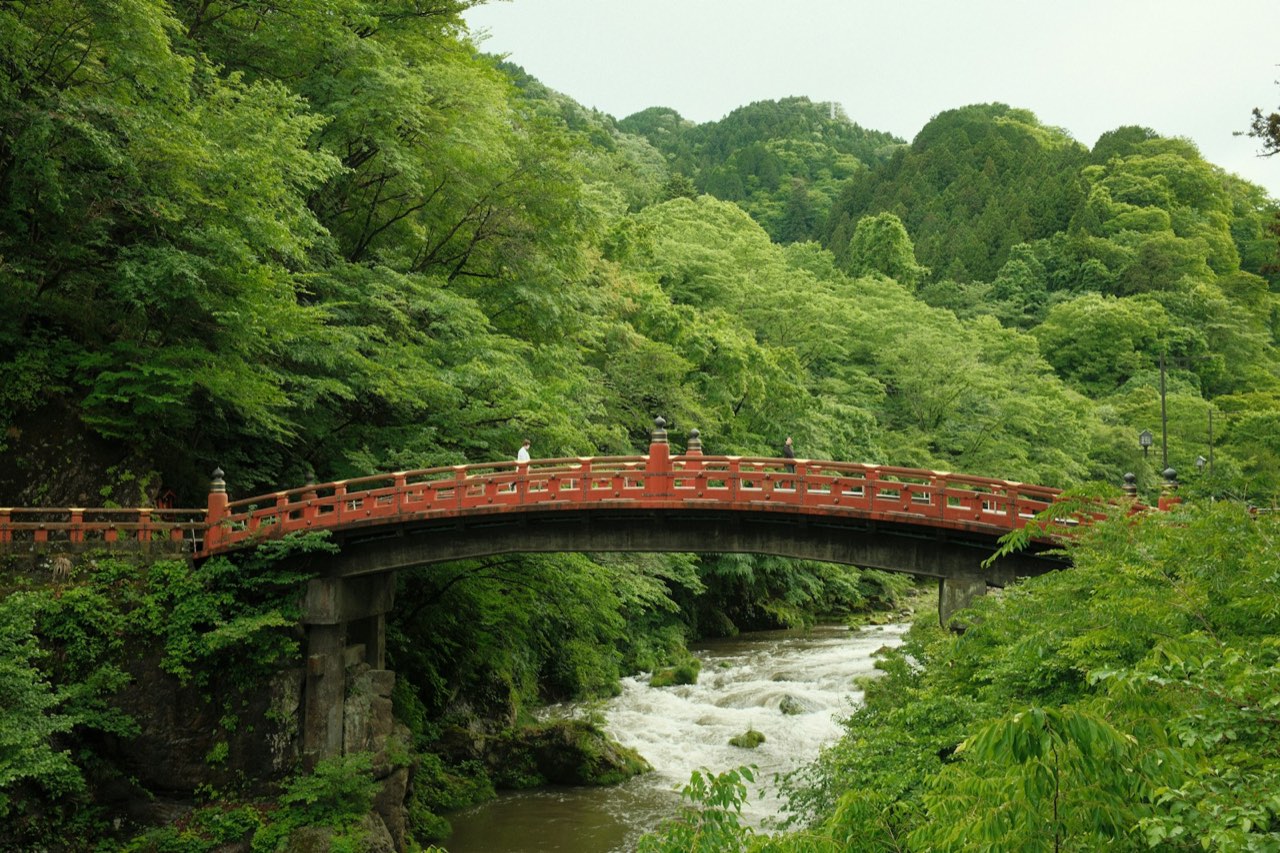
The arched vermilion bridge over the rushing Daiya River that marks the sacred entrance to the shrine precinct — a classic Nikko photo, especially with autumn maples or snow. View it free from the roadside; a small fee to step onto the bridge itself.
- 11:15
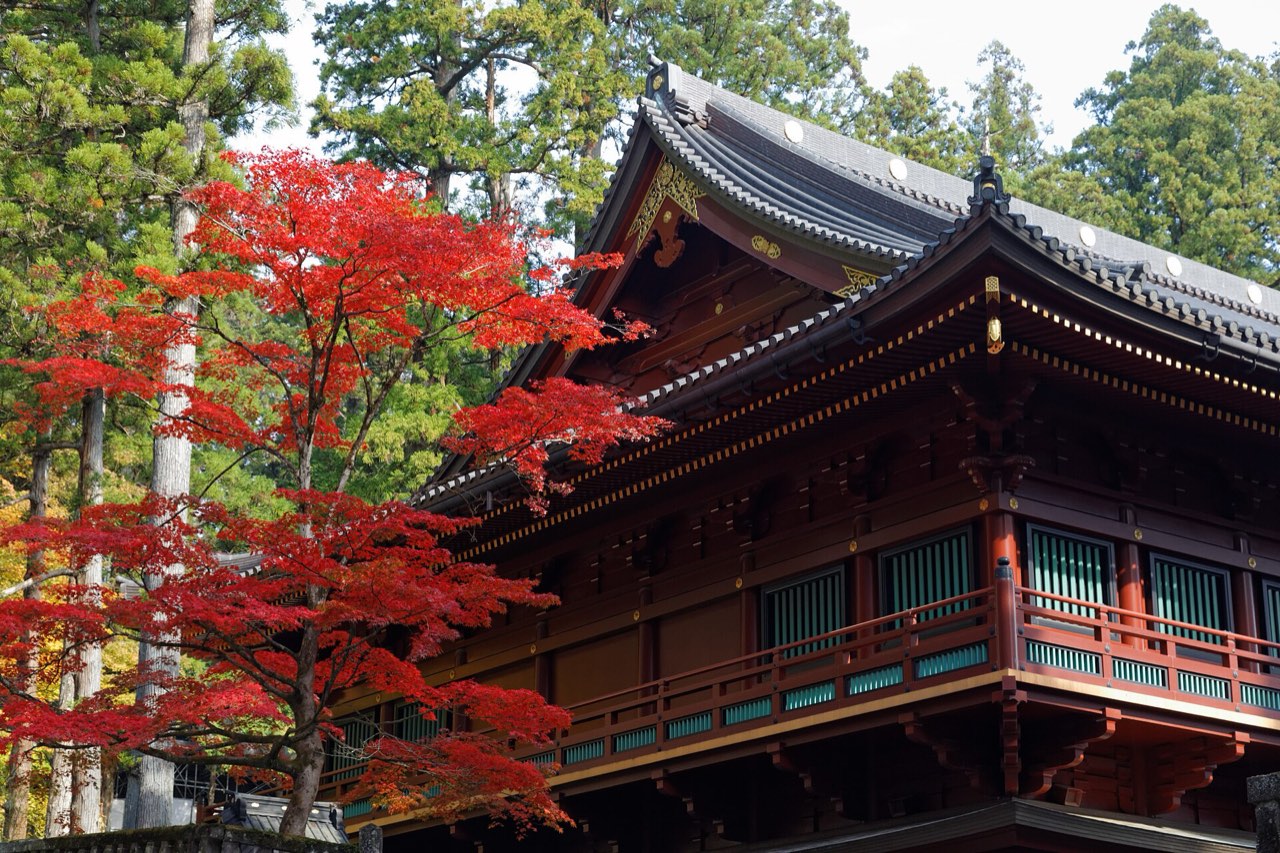
Nikko's great Tendai temple, its Sanbutsudō hall housing three towering gold-lacquered Buddha statues, with a fine garden alongside. The first stop on the shrine walk; a paid admission, and the main hall is largely step-free.
- 12:15Lunch Nikko Coffee (specialty roaster)
A specialty coffee house in a renovated old-Nikko building - hand-drip coffee, galettes and natural-ice kakigori year-round. Closed Mondays and the 1st & 3rd Tuesday.
- 13:15
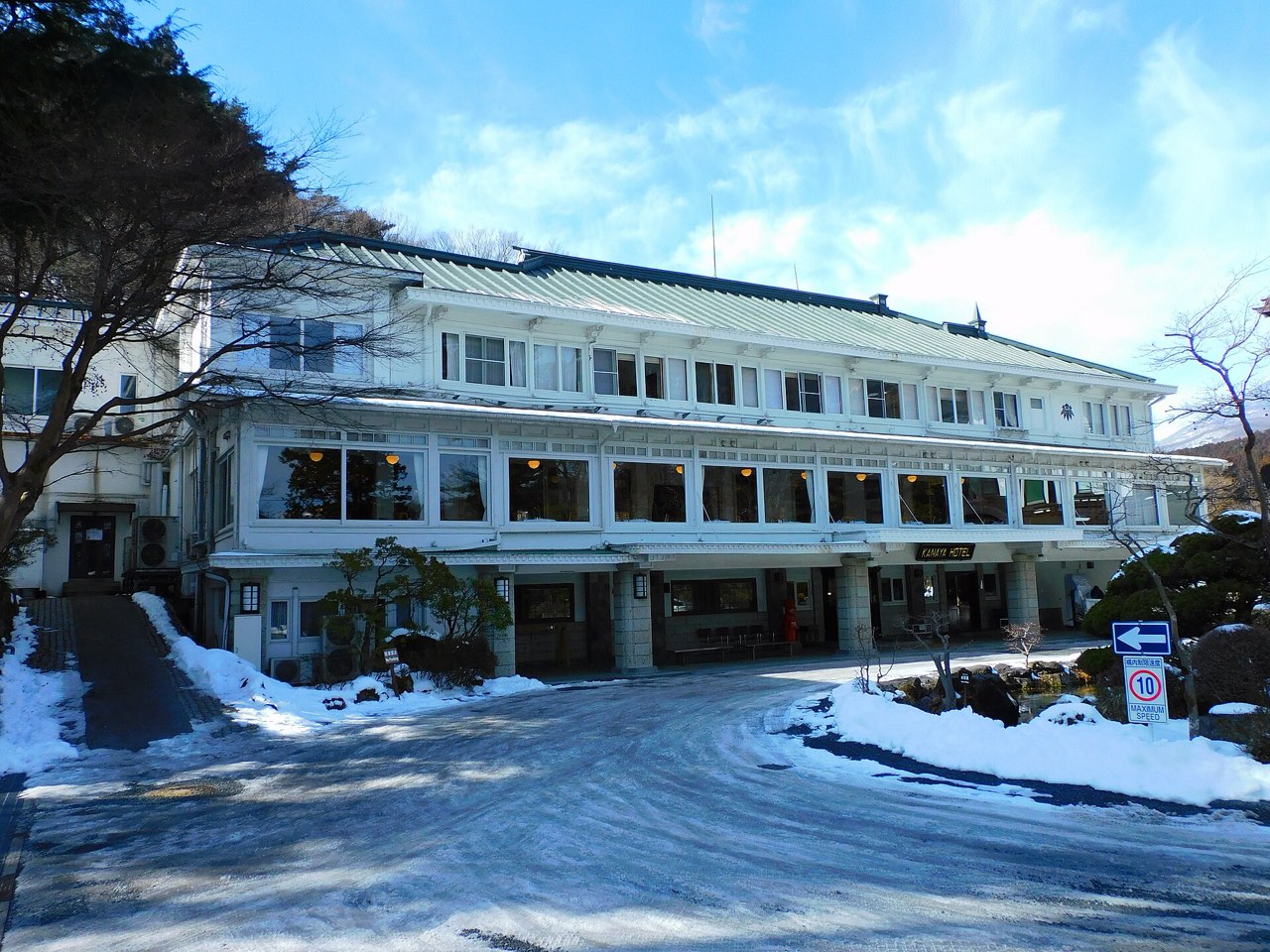
Japan's oldest surviving Western-style resort hotel, open since 1873 and once hosting Einstein and Helen Keller — a wood-built classic above the Shinkyō bridge whose lobby, bakery and café you can drop into. A charming heritage stop; the grounds are accessible, with steps inside.
- 14:00Nikko Souvenir & Yokan Street
The string of shops on the approach road selling Nikko specialities — firm 'mizu-yōkan' sweet bean jelly, dried yuba, pickles, wood crafts and shrine charms. A pleasant graze-and-gift stop between the stations and the bridge; per-shop hours vary.
- 14:55Taiyū-in (Iemitsu Mausoleum)
The mausoleum of Ieyasu's grandson Iemitsu — nearly as ornate as Tōshōgū but far quieter, climbing through a series of beautiful gates into the deep forest. A serene favourite; a paid admission, reached up flights of stone steps.
- 15:55
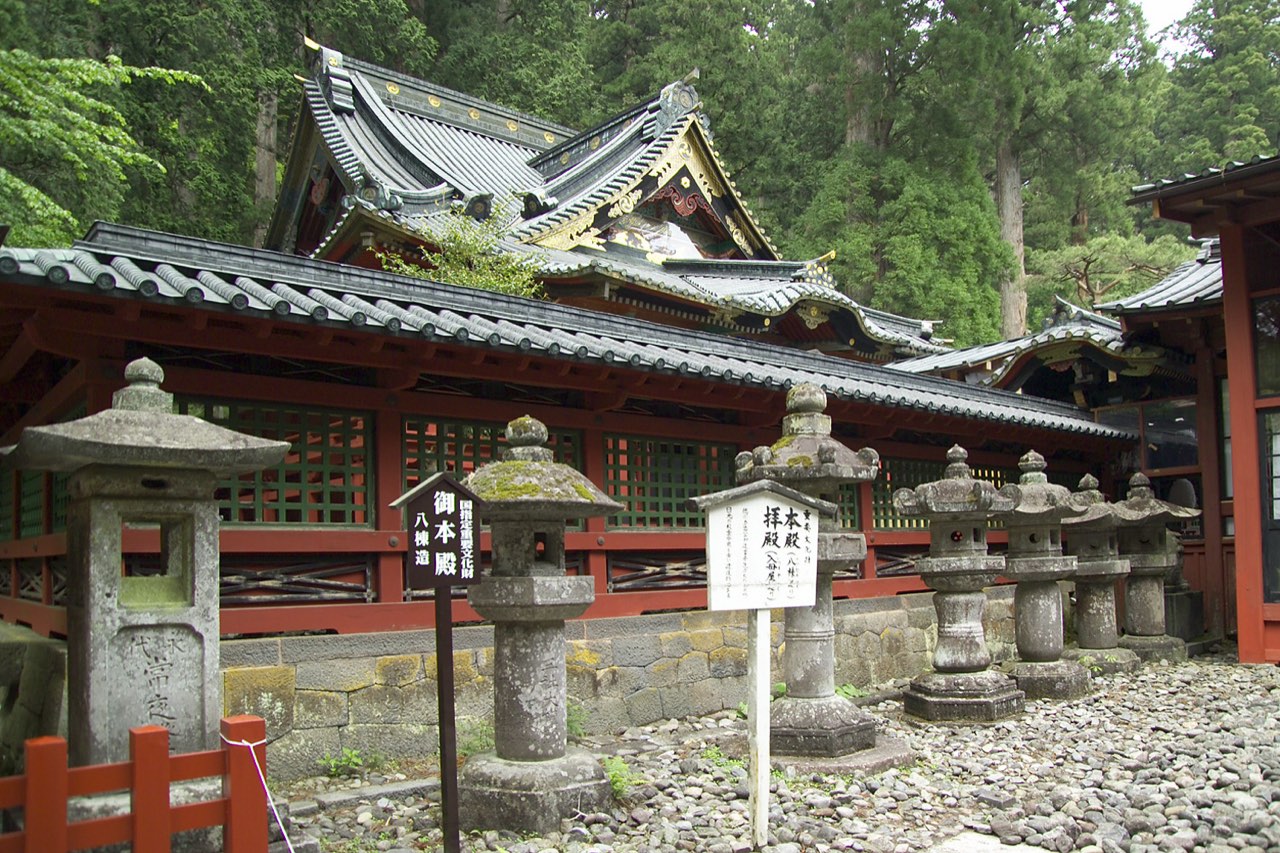
The oldest shrine in Nikko, dedicated to the gods of the surrounding sacred mountains and predating Tōshōgū by centuries — a calmer, greener counterpoint among the cedars. Grounds free (inner garden ticketed); a peaceful walk between the bigger sites.
- 17:30Dinner Meiji-no-Yakata (Western dining)
A refined yōshoku restaurant in a 1900s stone villa near Tōshōgū, famous for its cheese-baked omelette rice and beef stew, plus Nikko yuba dishes, in an elegant period setting. A lovely lunch by the shrines; can be busy at midday.


