Kyoto 3-day itinerary
- 3 days
- Balanced pace
- About 40 min walking a day
Three days is enough for Kyoto's eastern hills, its northern temple quarter and the northwest — as long as each gets its own day instead of crossing the city twice. Day 1 walks Higashiyama from Chion-in up to Kiyomizu-dera and back down the stone lanes. Day 2 starts at Eikan-do and Nanzen-ji, then moves downtown for Nishiki Market and the arcades. Day 3 is the Kinkaku-ji cluster, ending in a 1923 public bathhouse. Every stop is scheduled on a day it is open.
Who it's for
For a first visit to Kyoto with three days and no wish to rush: one district a day on foot and by bus, temples and gardens in the mornings, the covered downtown arcades in between. Not the plan if Arashiyama's bamboo grove or Fushimi Inari's torii are the reason you are going — neither is in these three days.
Day by day
Day 1Higashiyama & Gion — a temple dayKyoto, 7 stops
Old Kyoto on foot. Chion-in opens at 09:00 behind Japan's largest wooden gate; Kiyomizu-dera opens at 06:00, so an earlier start is the way to have its wooden stage to yourself. Walk down Ninenzaka and Sannenzaka — the shops open at 10:00 and the lanes are busiest from late morning — past Kodai-ji's raked gardens to Yasaka Shrine, free and open around the clock. Kiyomizu-dera is marked wheelchair-accessible in our catalog; the sloping stone lanes are not.
- 09:00
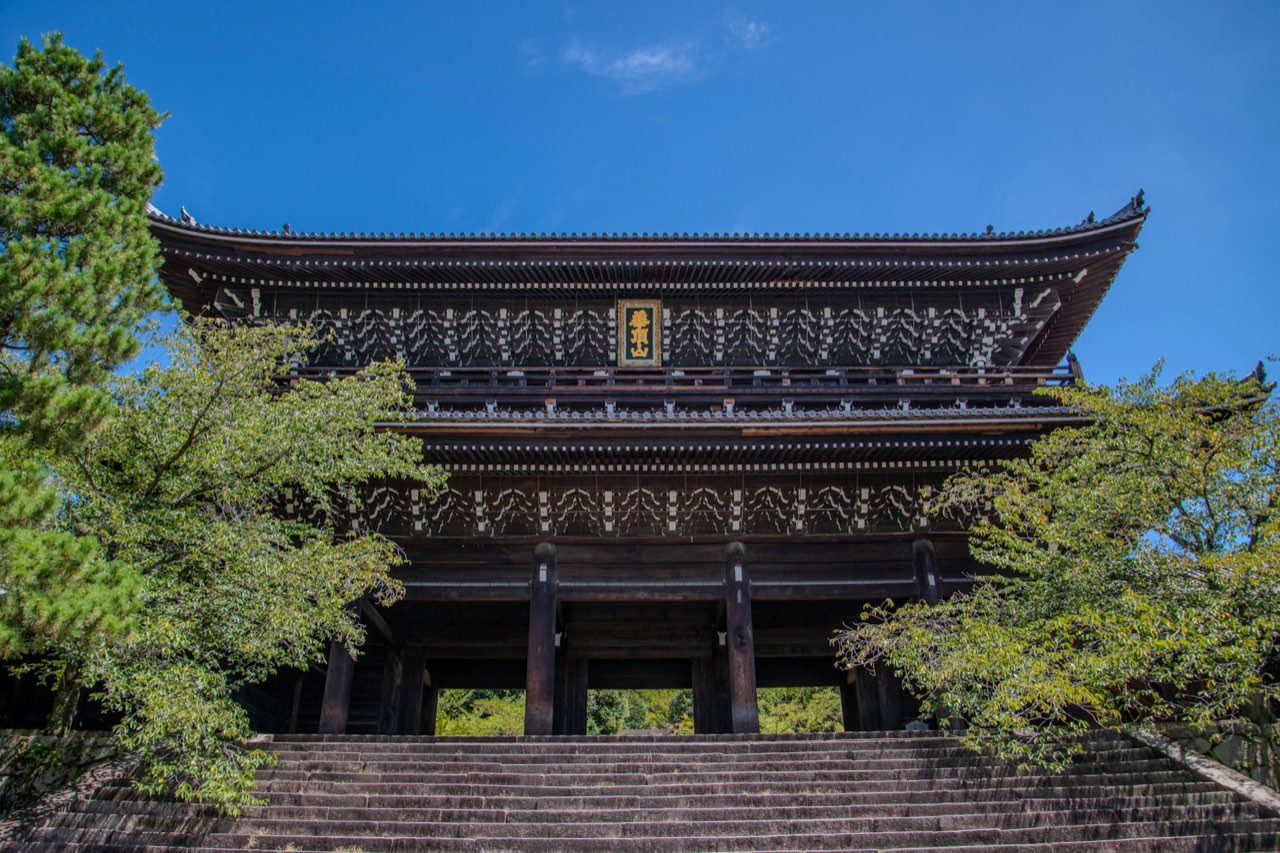
Head temple of Pure Land Buddhism, entered through Japan's largest wooden gate (the Sanmon) and home to a giant bell. Just north of Yasaka and Maruyama Park; grounds free.
- 10:05
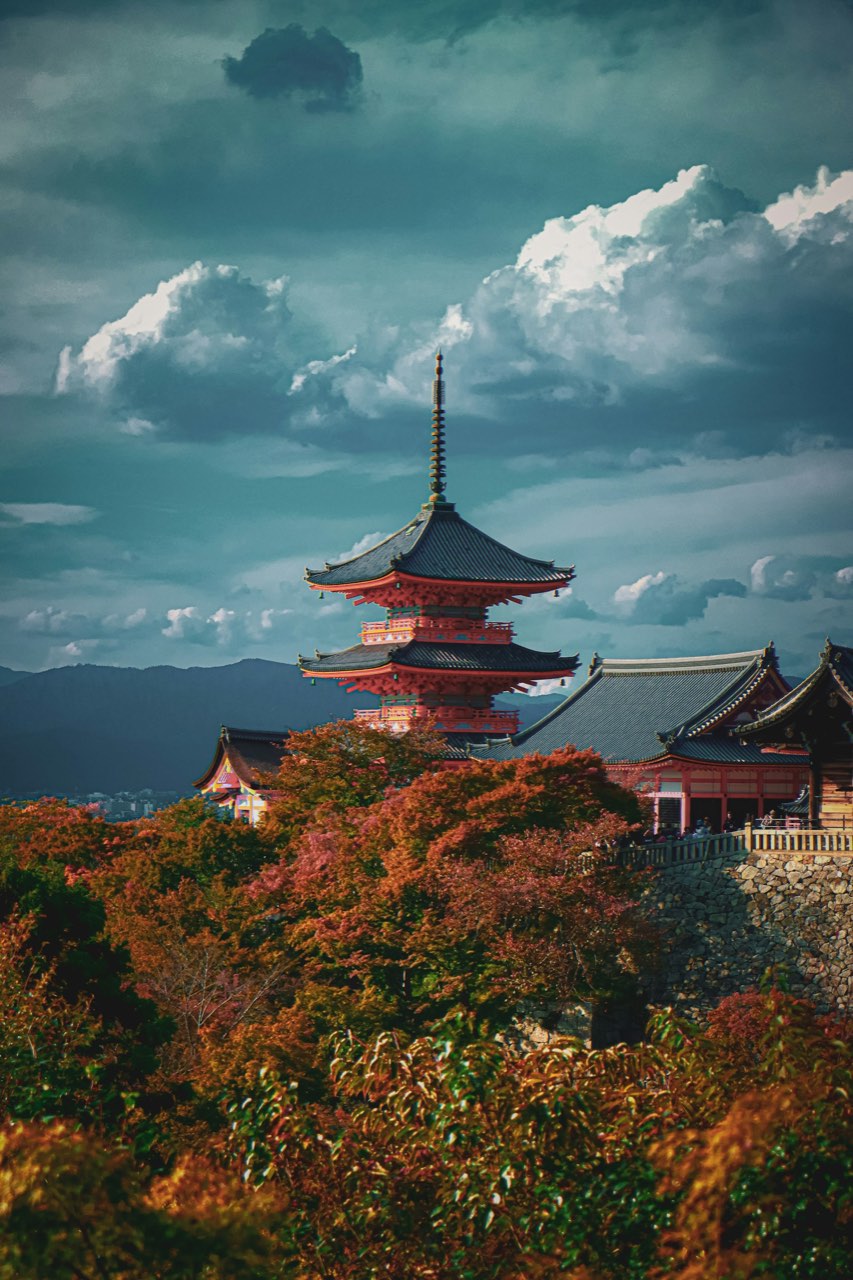
Hillside temple famous for its huge wooden stage and city views; the approach lanes (Sannenzaka) are part of the experience. Opens at 06:00 — go early. Small entry fee.
- 12:00Lunch Okutan (Kiyomizu)
Centuries-old yudofu (hot tofu) house on the Kiyomizu approach, with garden seating. Closed Thursdays. Good veg-friendly option.
- 13:00Ninenzaka & Sannenzaka
The preserved sloping stone lanes climbing toward Kiyomizu-dera, lined with machiya shops selling Kiyomizu pottery, yatsuhashi sweets, fans and crafts. As much a sight as a shopping street; busiest late morning to afternoon.
- 14:15
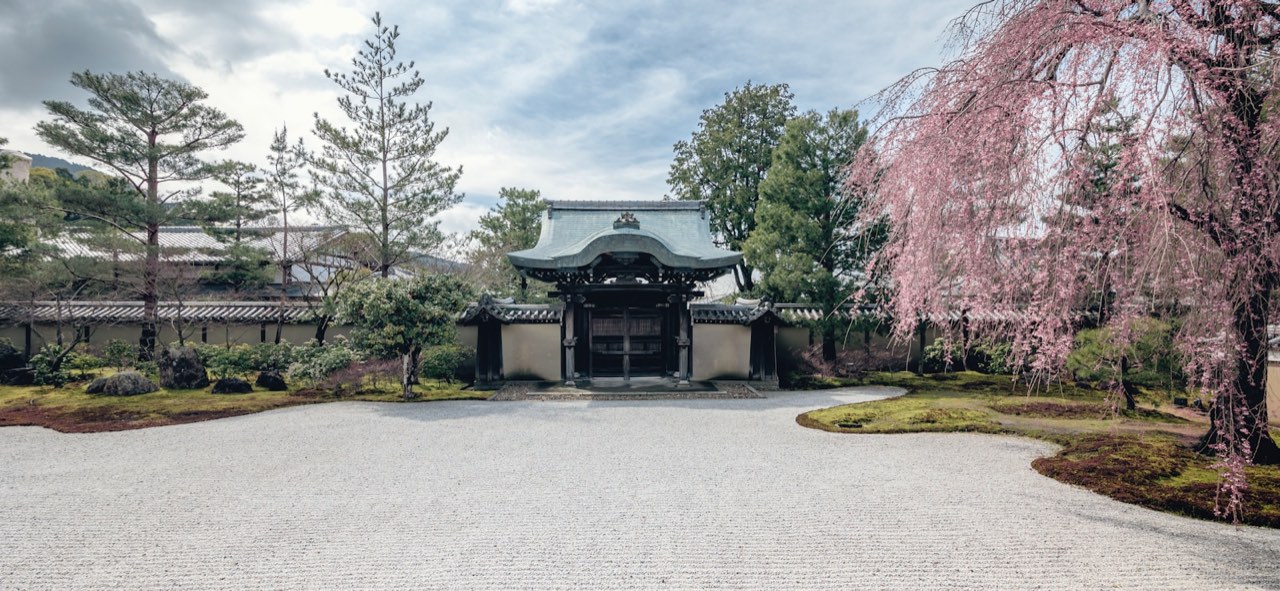
Hillside Zen temple between Yasaka and Kiyomizu with raked gardens and a small bamboo grove; famous for seasonal night illuminations (spring/autumn).
- 15:15
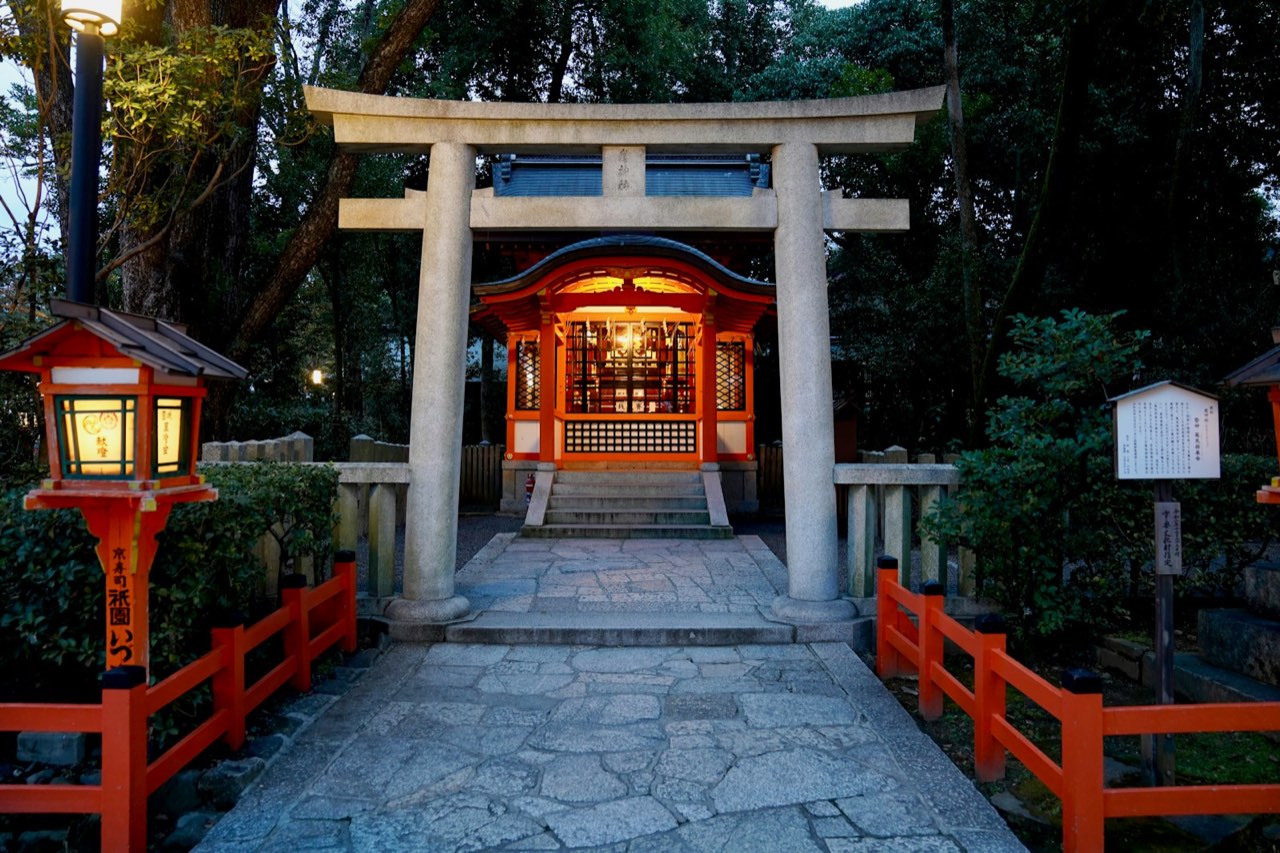
The lantern-lit shrine at the foot of Gion, gateway to Maruyama Park. Grounds are free and always open; lovely floodlit at night.
- 17:30Dinner Kikunoi (Honten)
Three-Michelin-star kaiseki — a landmark special-occasion meal. Reserve well ahead; lunch is the gentler entry point.


Day 2Okazaki & Northern Higashiyama & nearby — sights morning, shopping afternoonKyoto, 10 stops
Temples first, then the city. Eikan-do opens at 09:00 and is one of Kyoto's great maple temples — crowded in November. Next door, Nanzen-ji's grounds and brick aqueduct are free, its halls and gardens are ticketed, and its huge Sanmon gate can be climbed. Heian Shrine's giant torii marks the museum quarter. The afternoon moves downtown: Yojiya for oil-blotting paper, the Teramachi and Shinkyogoku arcades, Nishiki Market before it closes at 18:00, and Don Quijote, open until 23:00.
- 08:00Breakfast Inoda Coffee (Honten)
Kyoto's classic old-school coffee house (since 1940) — courtyard seating, a famous breakfast set and house blend. Opens early.
- 09:00
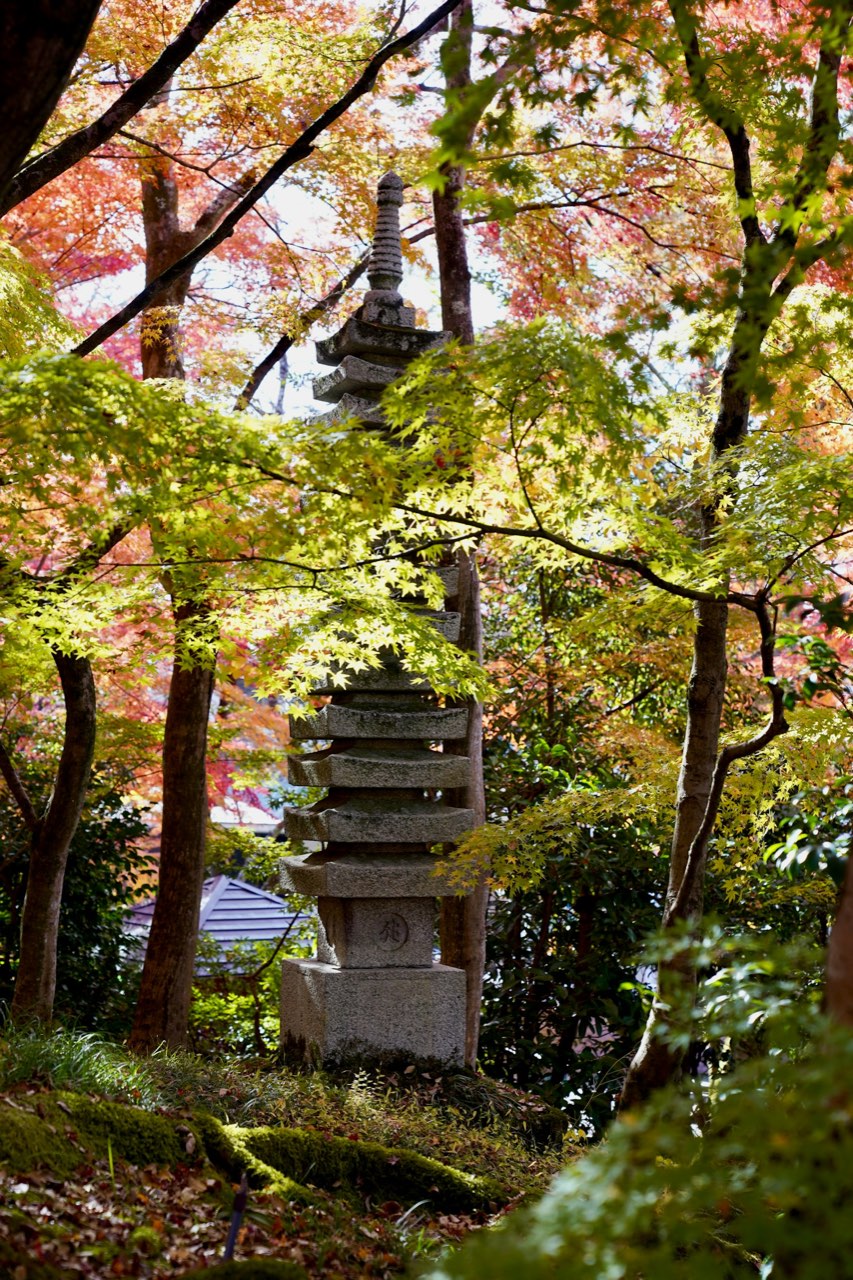
One of Kyoto's top maple-viewing temples, with a hillside pagoda and ponds — sensational in November (and crowded then). On the Philosopher's Path near Nanzen-ji.
- 10:05
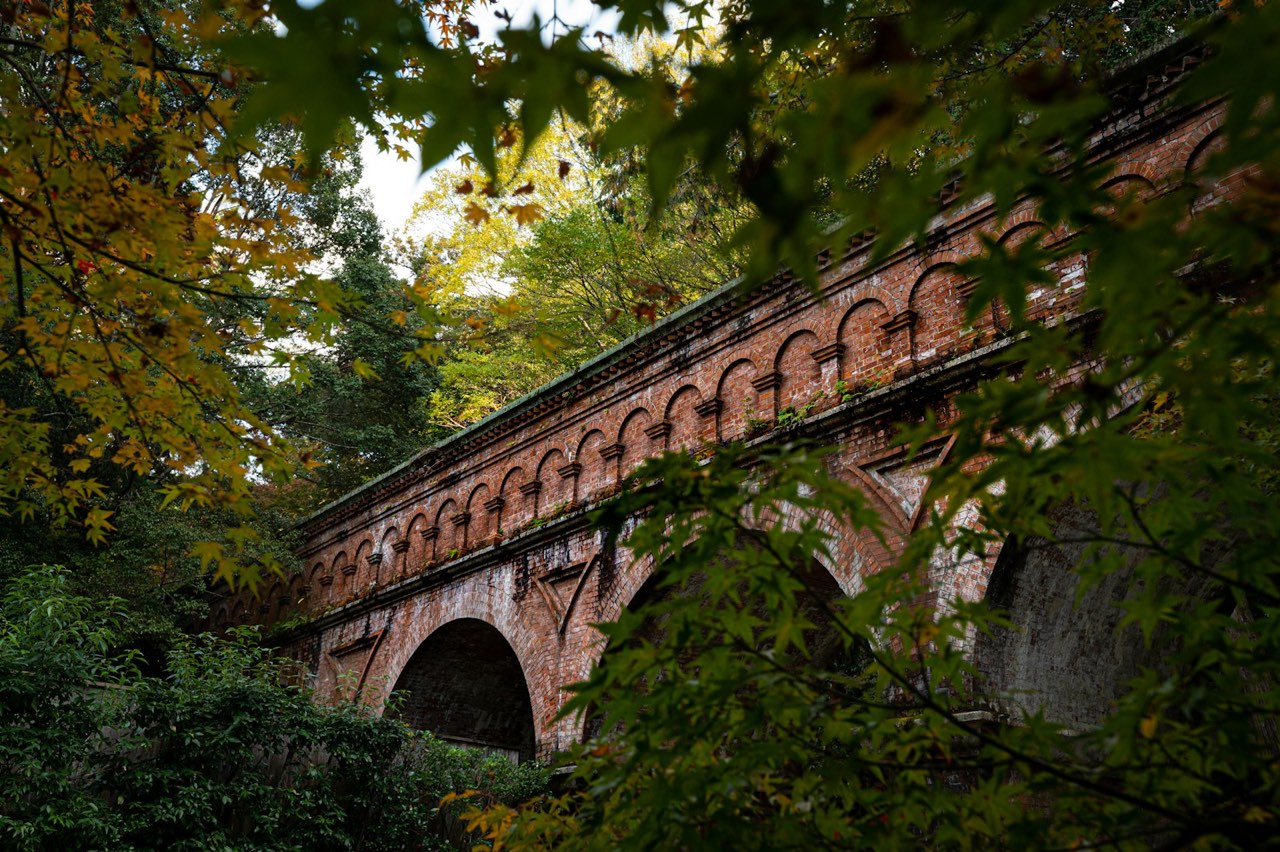
Grand head temple of its Zen school — a huge Sanmon gate you can climb, sub-temple gardens, and a photogenic brick aqueduct. Grounds free; halls/gardens ticketed.
- 11:20
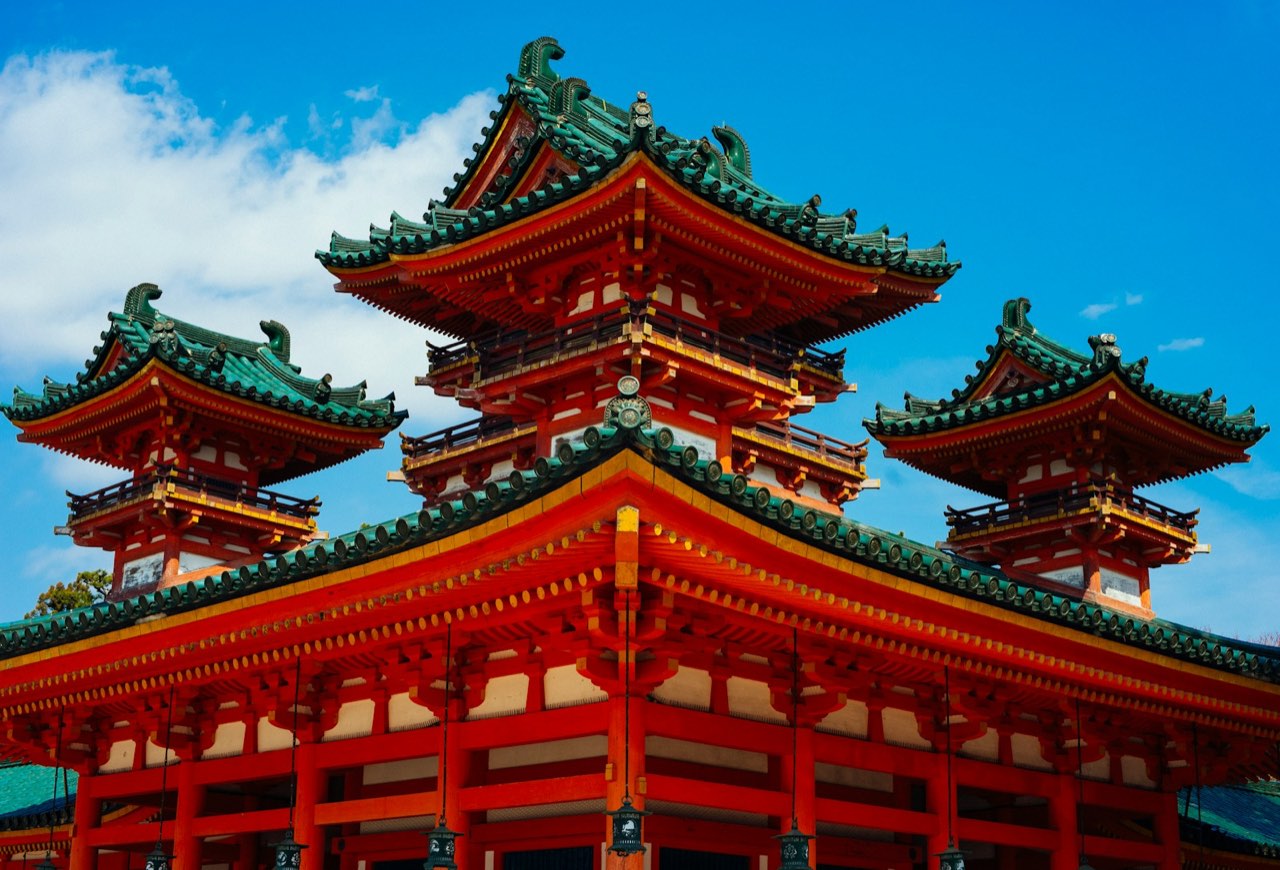
Bright vermilion shrine fronted by a giant torii in the Okazaki museum district; its strolling garden (ticketed) is lovely in cherry-blossom season. Grounds free.
- 12:20Lunch Kyogoku Kaneyo (unagi)
Long-standing eel restaurant off Shinkyogoku, famous for its fluffy omelette-topped 'kindon'. Closed Wednesdays.
- 13:20Yojiya (souvenir cosmetics)
Iconic Kyoto cosmetics brand — the aburatorigami (oil-blotting paper) is the classic, very giftable souvenir.
- 14:05Teramachi & Shinkyogoku Arcades
Twin covered shopping streets in the centre — souvenirs, fashion, drugstores, crepes and arcades. Per-shop hours vary.
- 15:20
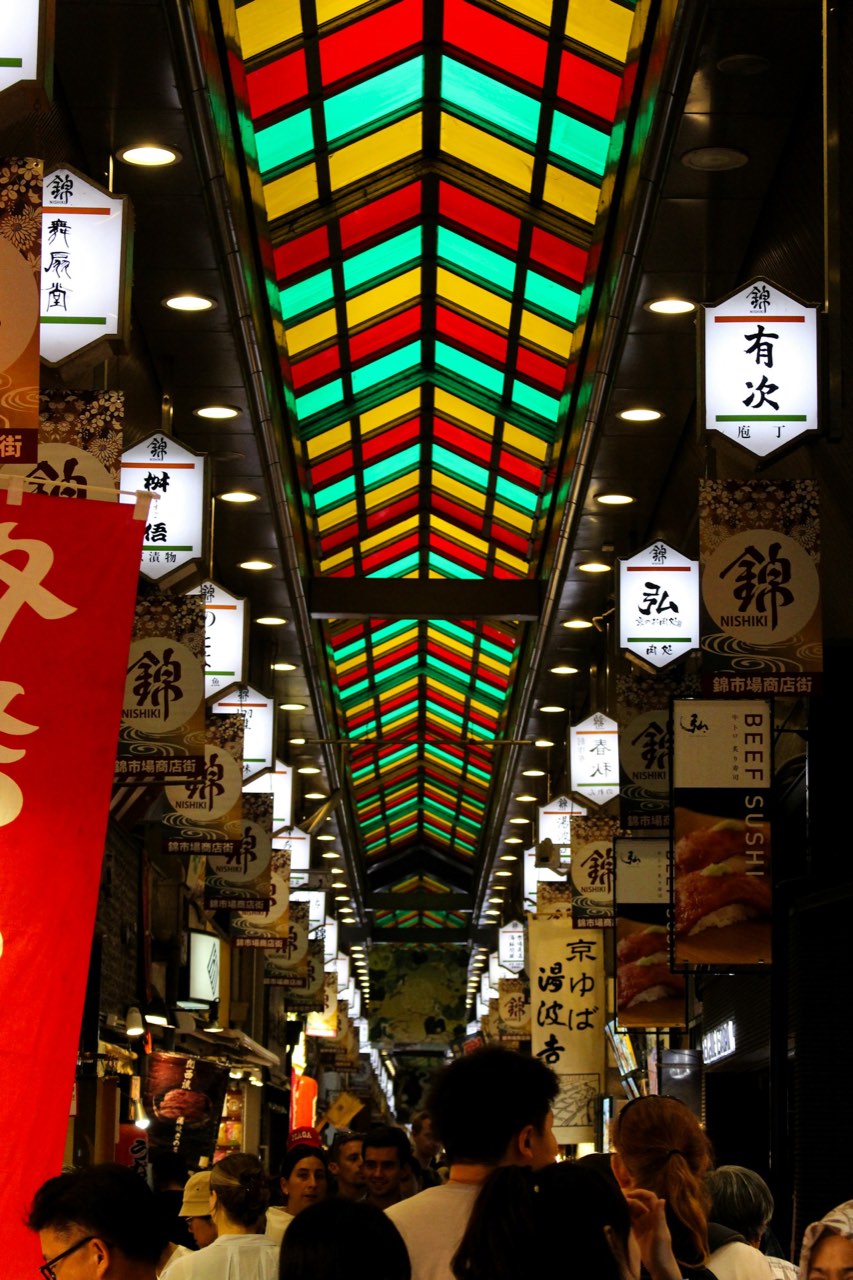
'Kyoto's Kitchen' — a narrow covered arcade of pickles, tofu, sweets, skewers and tea. Best mid-morning to mid-afternoon; some stalls discourage walk-and-eat.
- 16:35Don Quijote (Kawaramachi)
Multi-floor discount store on the Kawaramachi corner — souvenirs, snacks, cosmetics and tax-free shopping, open late.
- 17:35Dinner Junsei (yudofu)
Classic Nanzen-ji yudofu (hot tofu) course in a historic garden villa — the area's signature meal. Veg-friendly; reserve for the garden rooms.


Day 3Kinkaku-ji (Northwest) — a temple dayKyoto, 7 stops
The northwest is bus-reliant and a little spread out, so this day is grouped tightly. Daitoku-ji is a walled complex of Zen sub-temples — only some open to the public, each ticketed, the lanes between them free. Kamishichiken, Kyoto's oldest geisha district, sits beside Kitano Tenmangu. Kinkaku-ji (09:00–17:00) is busiest at midday; Ryoan-ji's fifteen-stone garden also closes at 17:00. End at Funaoka Onsen, a working 1923 bathhouse open until midnight.
- 07:40Check out of your stay
- 09:00

A walled complex of Zen sub-temples and rock gardens — quiet and atmospheric. Only some sub-temples open to the public (each ticketed); wander the free lanes between them.
- 10:15Kamishichiken
Kyoto's oldest geisha district — a lantern-hung lane of wooden teahouses beside Kitano Tenmangu, quieter and more local than Gion. Best at dusk when the lanterns come on and geiko slip between engagements; free to stroll any time.
- 11:10
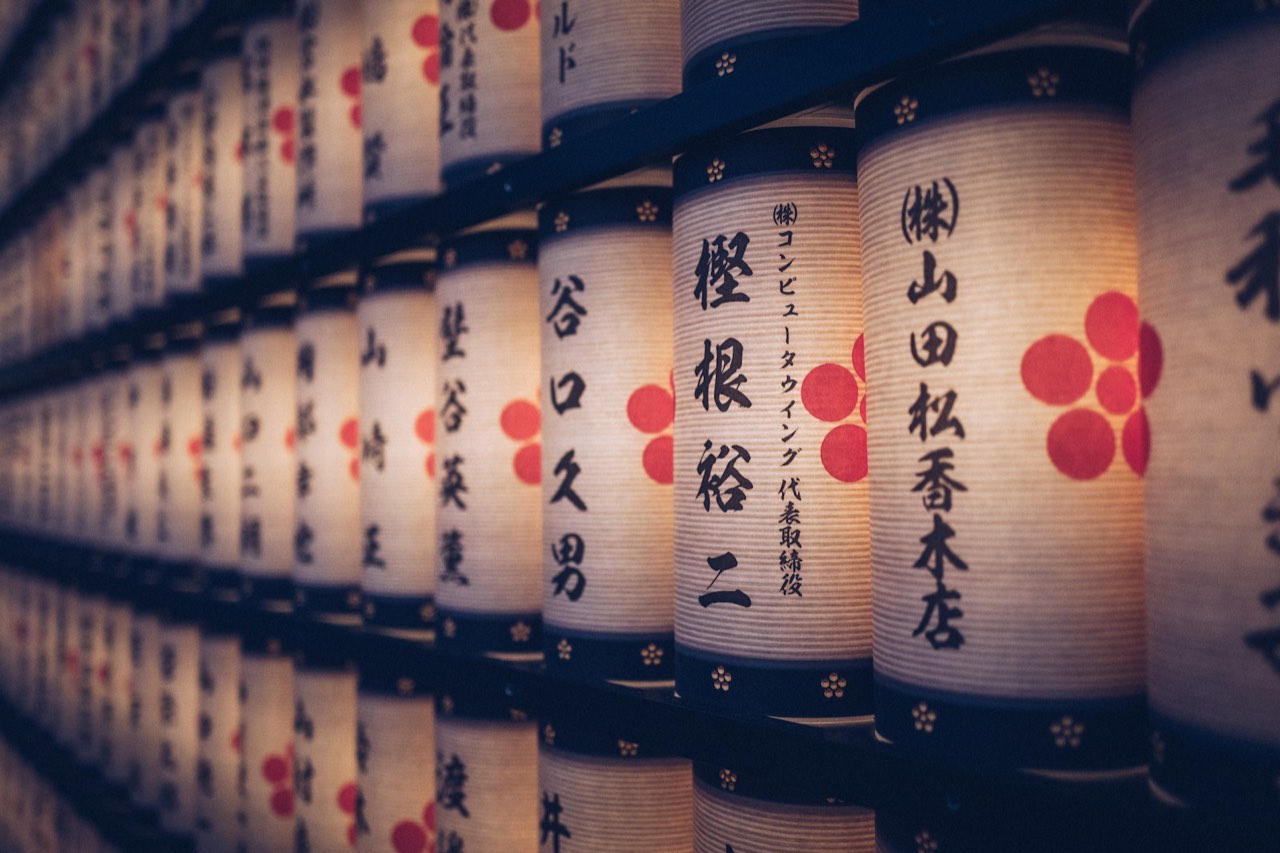
Shrine to the god of learning, famed for its February plum blossoms; the big 'Tenjin-san' flea market fills the grounds on the 25th of each month. Grounds free.
- 12:05Lunch Toyouke-chaya (tofu)
A long-running tofu specialist opposite Kitano Tenmangu — silky tofu and yuba set lunches. Lunch only; closed Thursdays and Fridays. Handy when visiting the NW temples.
- 13:05
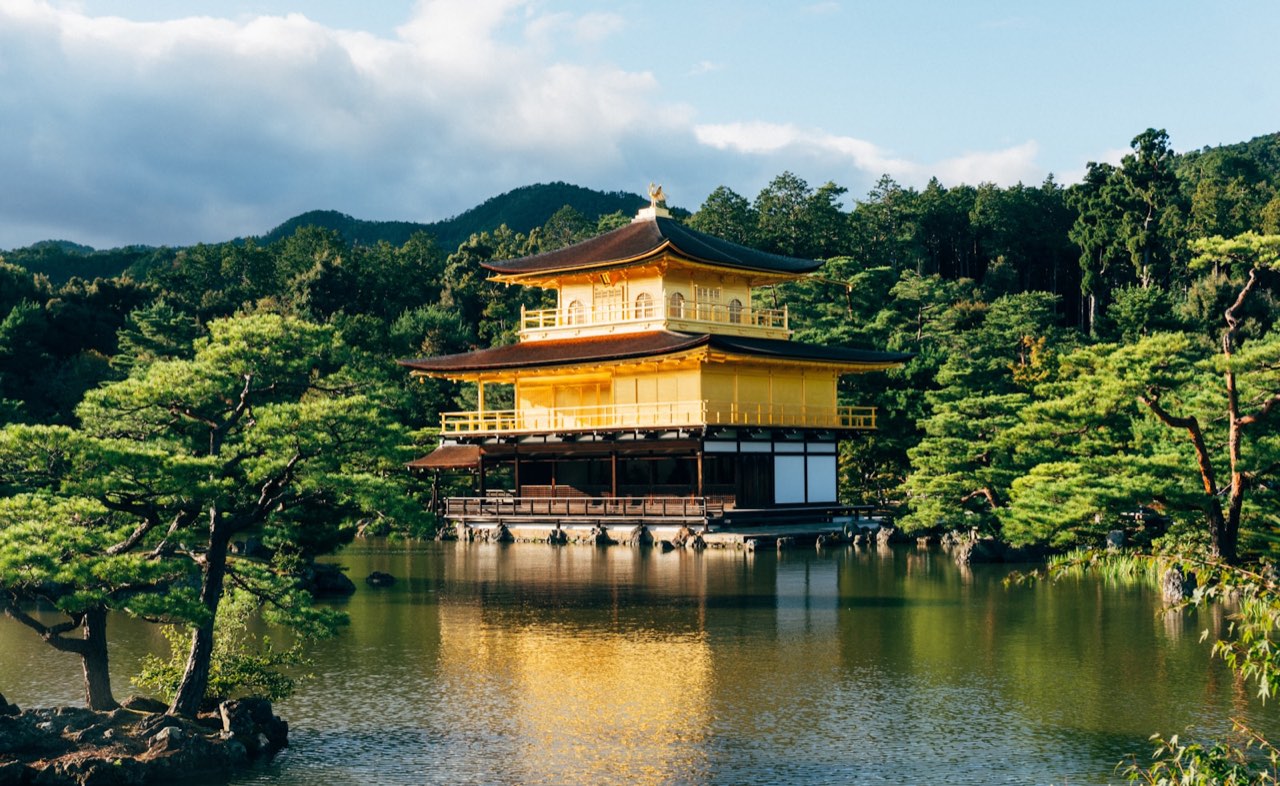
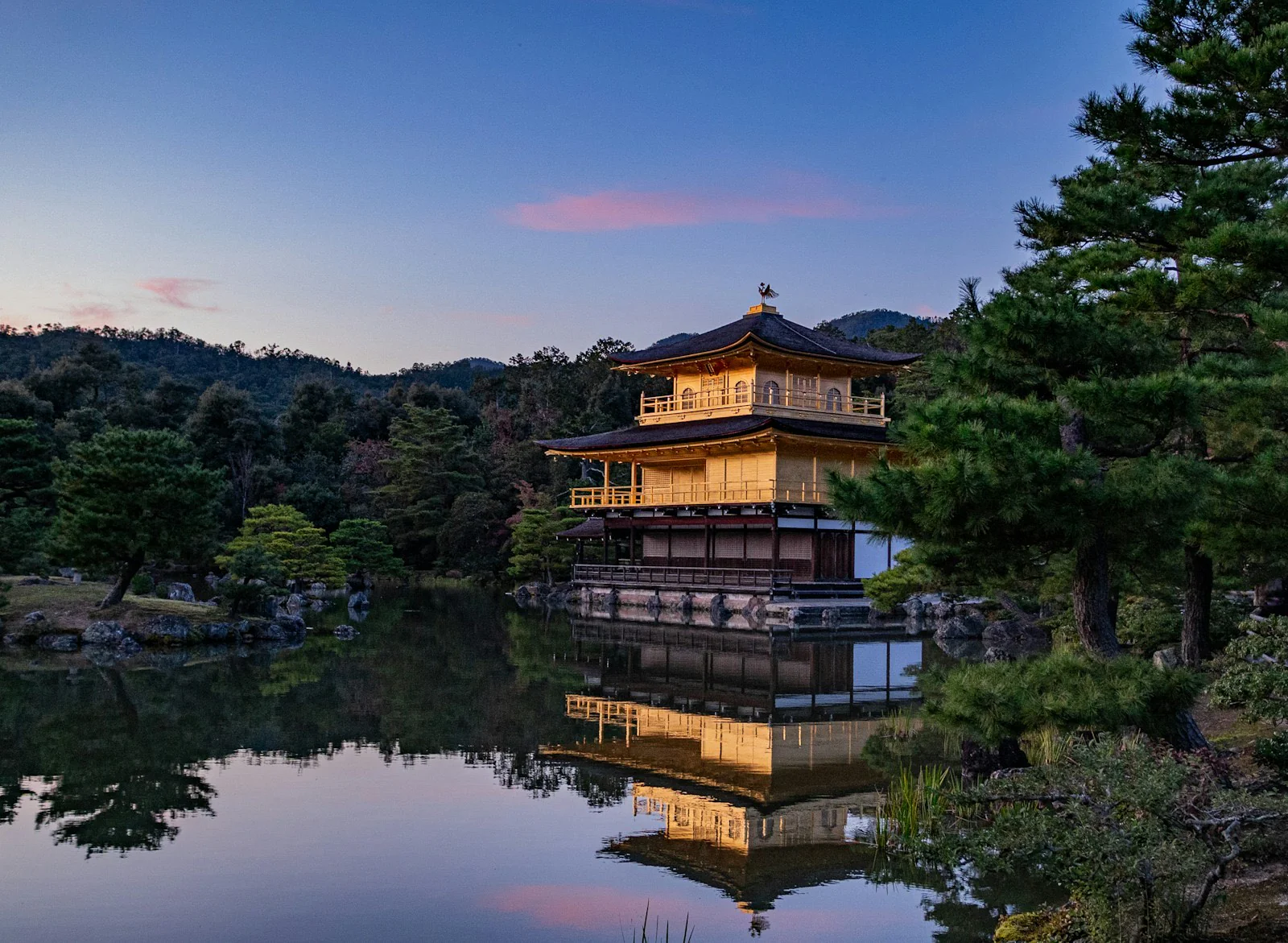
The gold-leaf pavilion mirrored in its pond — Kyoto's signature image. A short one-way garden circuit; can be busy midday.
- 14:25
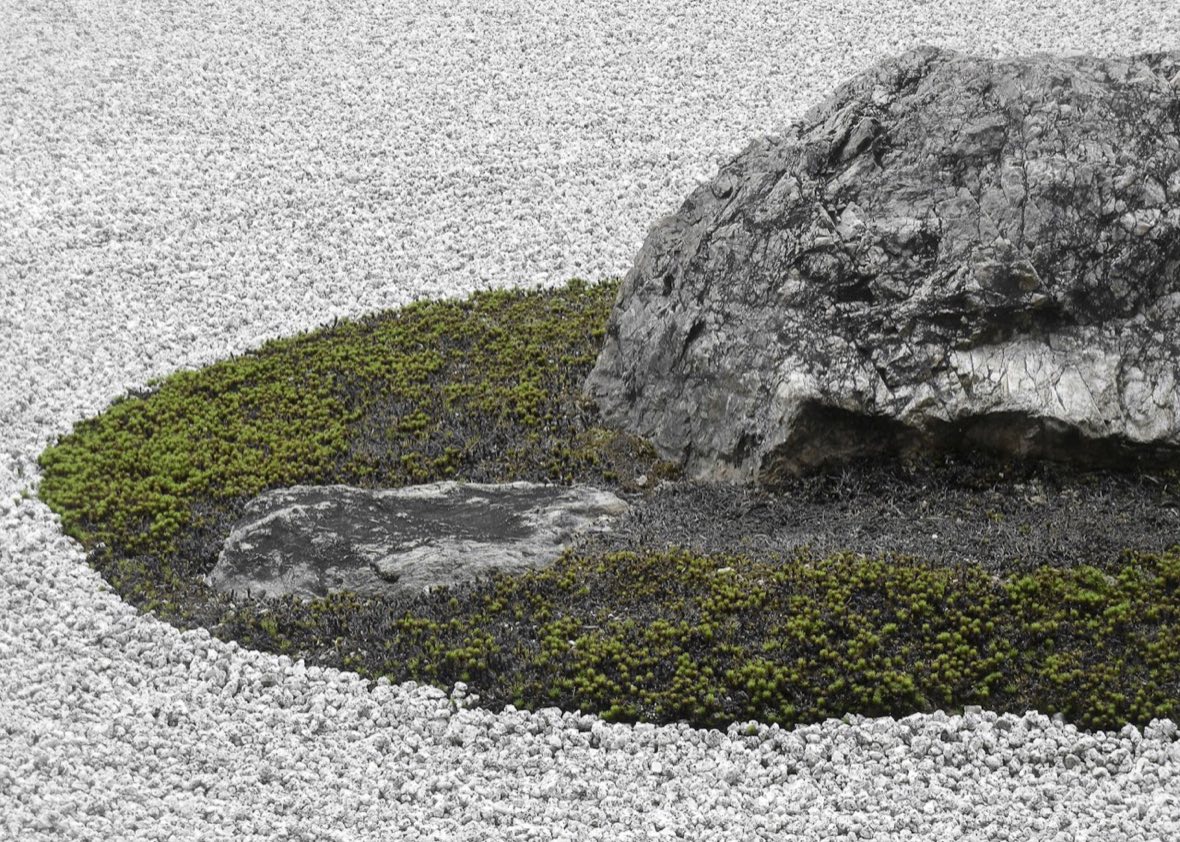
Home of Japan's most famous Zen rock garden — fifteen stones in raked gravel. Contemplative; pairs naturally with Kinkaku-ji.
- 15:25Funaoka Onsen
A working 1923 public bathhouse and registered Tangible Cultural Property — soak beneath carved wooden panels and original majolica tiles after temple-hopping. Walk-in (pay at entry, towels rentable); open every day from mid-afternoon until well past midnight, from morning on Sundays.


Good to know
- Three days or four? The four-day couples plan for Kyoto covers the same three districts in a different day order and adds a day in Arashiyama — the bamboo grove, Tenryu-ji and the Togetsukyo bridge. Add the fourth day if Arashiyama matters to you; the bamboo path is emptiest at dawn.
- Fushimi Inari is in neither plan. Its torii path is free and open around the clock, so it fits as an early-morning or evening add-on rather than a full day.
- On a wet day, the downtown half of day 2 is the most sheltered: the Teramachi and Shinkyogoku arcades and Nishiki Market are covered.
- Where to stay: Downtown is the most central base, well connected by bus and train; near Kyoto Station is easiest for arrivals and day trips; Higashiyama is the quietest and most traditional, but lighter on transit.